
A garden salad typically has between 50 and 150 calories, but this number can change a lot based on what you add. What is in a garden salad nutritionally? A basic garden salad, made of fresh greens and a few raw vegetables, is usually low in calories and packed with vitamins, minerals, and fiber.
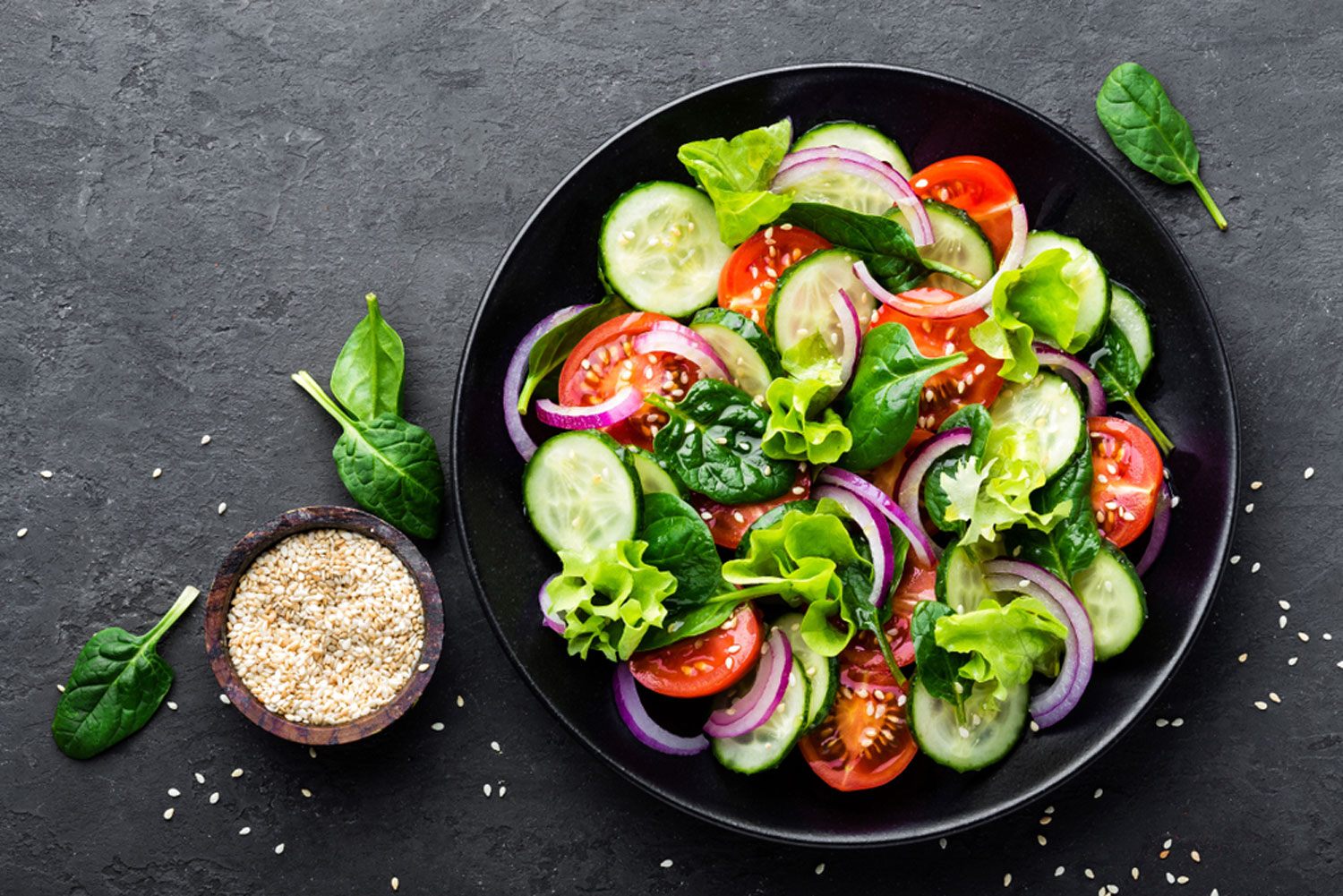
Image Source: theveganjoint.com
Figuring Out the Calories in Your Garden Salad
A garden salad sounds simple enough, right? Just some leafy greens, maybe a tomato, cucumber, and carrot. But the truth is, the garden salad calorie count can swing wildly depending on your choices. This guide will help you understand how many calories are in garden salad, so you can enjoy a healthy and delicious meal without any guesswork. We’ll break down the vegetable salad calorie breakdown, explore homemade garden salad calories, and give you tips for keeping your salad light and satisfying.
What Makes Up a Garden Salad?
At its core, a garden salad is a mix of fresh, raw vegetables. The foundational ingredients are usually:
- Leafy Greens: Lettuce (like romaine, iceberg, spinach, or mixed greens) forms the base.
- Crunchy Vegetables: Carrots, cucumbers, bell peppers, and celery add texture and volume.
- Juicy Elements: Tomatoes and onions provide flavor and moisture.
These basic components are naturally low in calories and high in nutrients. The fresh greens calorie content is minimal, often just a few calories per cup. For example, a cup of chopped romaine lettuce has only about 8 calories. Spinach offers a bit more at around 7 calories per cup, while iceberg lettuce is even lighter at about 5 calories per cup. This makes the greens a fantastic foundation for a low-calorie meal.
The Calorie Culprits: What Adds Up?
While the base ingredients are light, it’s what you add to your garden salad that significantly impacts the calories in a serving of garden salad. These additions can range from healthy fats to creamy dressings and hearty proteins.
Here are common additions and their approximate calorie contributions:
- Dressings: This is often the biggest calorie contributor. Creamy dressings (ranch, Caesar, blue cheese) can easily add 100-200 calories or more per serving. Vinaigrettes are generally lighter, but watch out for added sugars or oils.
- Proteins: Grilled chicken, fish, beans, or tofu can boost the protein content and make your salad more filling. Lean proteins are healthy additions, but their calorie count will vary.
- Toppings: Croutons, cheese, nuts, seeds, dried fruits, and avocado add flavor and texture but also calories. A sprinkle of cheese can add 50-100 calories, while a handful of nuts can add even more.
- Extra Vegetables: Adding more colorful vegetables like broccoli, cauliflower, or corn can increase the volume and nutrient density without adding too many calories.
Approximating Garden Salad Calories
Let’s look at some approximate calories for garden salad based on typical servings. Remember, these are estimates, and your actual garden salad calorie count will depend on exact portion sizes and ingredients.
Basic Garden Salad (Serves 1):
- 2 cups mixed greens (romaine, spinach)
- 1/2 cup chopped cucumber
- 1/2 cup chopped bell pepper
- 1/4 cup sliced tomato
- 1/4 cup shredded carrot
- 2 tablespoons light vinaigrette dressing
Approximate Calories: 100-150 calories. This is a very healthy and low-calorie option.
Heartier Garden Salad (Serves 1):
- 2 cups mixed greens
- 1/2 cup chopped cucumber
- 1/2 cup chopped bell pepper
- 1/4 cup sliced tomato
- 1/4 cup shredded carrot
- 2 oz grilled chicken breast
- 1/4 avocado, sliced
- 1 tablespoon pumpkin seeds
- 2 tablespoons creamy Caesar dressing
Approximate Calories: 350-500+ calories. This salad is a more substantial meal.
Comprehending the Nutritional Information Garden Salad
To truly grasp the benefits of a garden salad, let’s delve into the nutritional information garden salad.
A typical, simple garden salad (without dressing or toppings) provides:
- Vitamins: Excellent source of Vitamin A (especially from carrots and spinach), Vitamin C (from bell peppers and tomatoes), Vitamin K (from leafy greens), and various B vitamins.
- Minerals: Good source of potassium, folate, and iron, particularly from darker leafy greens.
- Fiber: Crucial for digestion, satiety, and blood sugar control. The vegetables provide ample dietary fiber.
- Antioxidants: Colorful vegetables are rich in antioxidants that help protect your body from damage.
The healthy garden salad nutrition comes from the vibrant mix of plant-based foods. They are naturally low in fat and cholesterol, making them a cornerstone of a healthy diet.
Making Your Own Garden Salad: Homemade Garden Salad Calories
When you make your own garden salad, you have complete control over the ingredients and portion sizes, which is key to managing your homemade garden salad calories.
Here’s a breakdown of how to build a healthy salad:
Building a Healthy Base: Fresh Greens Calorie Content
- Spinach: Nutrient-dense with vitamins A, C, K, folate, iron, and calcium. Very low in calories.
- Romaine Lettuce: Good source of vitamins A and K. Crunchy and refreshing.
- Arugula: Peppery flavor, rich in vitamins K and A, and antioxidants.
- Mixed Greens: A combination of various lettuces and sometimes baby spinach, kale, or other tender greens. Offers a wide range of nutrients.
- Kale: A powerhouse of vitamins A, C, and K, plus minerals like calcium and manganese. Can be a bit tougher, so massaging it with a little dressing can help.
Essential Vegetable Additions: Vegetable Salad Calorie Breakdown
- Tomatoes: Rich in Vitamin C and lycopene, an antioxidant. Adds a juicy, sweet element.
- Cucumbers: Hydrating and very low in calories. Adds a crisp, refreshing crunch.
- Bell Peppers: Excellent source of Vitamin C and Vitamin A. Different colors offer slightly different nutrient profiles. Red bell peppers are particularly high in Vitamin C.
- Carrots: High in beta-carotene (which the body converts to Vitamin A) and fiber. Adds sweetness and crunch.
- Onions: Provide flavor and contain antioxidants. Red onions offer a milder flavor when raw.
- Radishes: Add a peppery bite and a satisfying crunch. Low in calories and contain Vitamin C.
- Broccoli Florets: Packed with vitamins C and K, fiber, and antioxidants.
- Cauliflower Florets: Similar to broccoli, offering vitamins and fiber.
- Celery: Very low in calories, provides fiber and a crisp texture.
- Corn: Adds a touch of sweetness and fiber, but also slightly more calories and carbohydrates than other vegetables.
The Art of the Low-Calorie Dressing: Low Calorie Garden Salad Dressing
The dressing can make or break your salad’s calorie count. Opting for a low calorie garden salad dressing is a smart move.
Tips for Lighter Dressings:
- Vinaigrettes: Base them with olive oil or another healthy oil and vinegar (balsamic, red wine, apple cider). Use herbs, garlic, and a touch of Dijon mustard for flavor.
- Yogurt-Based Dressings: Greek yogurt provides protein and a creamy texture with fewer calories than mayonnaise or sour cream. Add herbs, lemon juice, and spices.
- Citrus Vinaigrettes: Lemon juice or lime juice mixed with a little olive oil and herbs is incredibly light and refreshing.
- Avoid Creamy & Sugary Options: Be mindful of store-bought dressings, especially those labeled “creamy,” “cheesy,” or containing added sugars. Read labels carefully. A typical tablespoon of creamy dressing can range from 80-150 calories, while a vinaigrette might be 50-80 calories.
Smart Topping Choices for Healthy Nutrition
To keep your salad healthy garden salad nutrition, be strategic with toppings:
- Lean Proteins: Grilled chicken, turkey, fish, shrimp, hard-boiled eggs, beans (kidney, black, chickpeas), lentils, or tofu.
- Healthy Fats: Avocado (in moderation, about 1/4 to 1/2 per salad), nuts (walnuts, almonds, pecans – a small handful), seeds (sunflower, pumpkin, chia, flax – 1-2 tablespoons). These add healthy fats, protein, and fiber, but are calorie-dense.
- Crunchy Elements: Whole-wheat croutons (use sparingly), toasted seeds, or even a few tortilla strips for a Mexican-inspired salad.
- Sweetness: Fresh berries, apple slices, pear slices, or a small amount of dried fruit (cranberries, raisins) can add a touch of sweetness. Watch portion sizes for dried fruit as they are concentrated in sugar and calories.
- Cheese: Use in moderation. Crumbled feta, goat cheese, or a sprinkle of Parmesan can add flavor.
Decoding the Calorie Breakdown: A Closer Look
Let’s break down the vegetable salad calorie breakdown for a few common garden salad components:
| Ingredient (Approx. 1 cup serving, raw unless noted) | Calories |
|---|---|
| Romaine Lettuce | 8 |
| Spinach | 7 |
| Mixed Greens | 10 |
| Cucumber, sliced | 16 |
| Bell Pepper, chopped (any color) | 30 |
| Tomato, cherry, halved | 20 |
| Carrot, shredded | 52 |
| Red Onion, sliced | 44 |
| Broccoli florets | 31 |
| Cauliflower florets | 25 |
| Radishes, sliced | 19 |
| Celery, chopped | 14 |
| Corn, kernels | 124 |
| Avocado, sliced (1/4 medium) | 80 |
| Walnuts, chopped (1/4 cup) | 190 |
| Sunflower Seeds, shelled (2 tbsp) | 100 |
| Grilled Chicken Breast, diced (3 oz) | 130-150 |
| Chickpeas, canned, drained (1/2 cup) | 135 |
| Croutons, whole wheat (1/2 cup) | 80 |
| Ranch Dressing (2 tbsp) | 120-140 |
| Vinaigrette Dressing (2 tbsp) | 80-100 |
| Light Italian Dressing (2 tbsp) | 50-70 |
Note: Calorie counts are approximate and can vary by brand and preparation method.
As you can see from the table, the fresh greens calorie content is very low. The vegetables like cucumber, bell pepper, and tomato are also quite light. However, adding calorie-dense items like nuts, seeds, avocado, and creamy dressings can quickly increase the calories in a serving of garden salad.
Strategies for a Low-Calorie Garden Salad
If your goal is a low-calorie meal, here’s how to assemble a satisfying garden salad:
- Maximize Your Greens: Use a generous base of mixed greens, spinach, or romaine. These are packed with nutrients and volume for very few calories.
- Load Up on Low-Calorie Veggies: Add plenty of cucumber, bell peppers, tomatoes, radishes, celery, and shredded carrots. These add color, crunch, and nutrients without significantly increasing calories.
- Choose Lean Protein: Opt for grilled chicken or fish, hard-boiled eggs, or beans for protein. These keep you full and satisfied.
- Be Smart with Fats: Use avocado or nuts sparingly. A quarter of an avocado or a small sprinkle of nuts is usually enough to add healthy fats and flavor.
- Dress it Lightly: Opt for a low calorie garden salad dressing like a homemade vinaigrette, lemon-herb dressing, or a light yogurt-based dressing. Use about 1-2 tablespoons of dressing, or even less. You can also serve dressing on the side and dip your fork in it before picking up salad to control the amount.
- Skip Calorie Bombs: Limit or avoid croutons, fried toppings, and excessive cheese.
The Nutritional Information Garden Salad Powerhouse
A well-constructed garden salad can be a nutritional powerhouse. It provides:
- Vitamins: A wide spectrum, including A, C, K, folate, and various B vitamins.
- Minerals: Potassium, magnesium, calcium, iron, and more, depending on the greens and vegetables used.
- Fiber: Promotes satiety, aids digestion, and helps regulate blood sugar.
- Antioxidants: Protect cells from damage and reduce inflammation.
- Hydration: Many salad vegetables have high water content.
The healthy garden salad nutrition profile makes it an excellent choice for weight management, heart health, and overall well-being.
Frequently Asked Questions (FAQ)
Q1: What is a typical serving size for a garden salad?
A1: A typical serving size is about 2-3 cups of mixed greens and vegetables, plus any dressings or toppings. However, what constitutes a “serving” can vary greatly depending on individual appetite and the purpose of the salad (as a side or a main meal).
Q2: Can I eat a garden salad every day?
A2: Yes, you absolutely can and should! Eating a garden salad daily can significantly boost your intake of vitamins, minerals, and fiber. Just be mindful of the dressings and toppings to keep it healthy.
Q3: Are all salad dressings high in calories?
A3: No, not all salad dressings are high in calories. Vinaigrettes made with oil and vinegar, citrus-based dressings, and lighter, yogurt-based dressings tend to be lower in calories than creamy, mayonnaise-based, or sugar-laden options. Reading labels or making your own is key.
Q4: How can I make my garden salad more filling?
A4: To make your garden salad more filling, add lean protein sources like grilled chicken, fish, eggs, beans, or tofu. Include healthy fats from a small amount of avocado, nuts, or seeds. Fiber-rich vegetables and whole grains (like quinoa added to the salad) also contribute to satiety.
Q5: Does adding different colored vegetables change the calorie count significantly?
A5: Generally, adding more non-starchy vegetables of different colors (like bell peppers, tomatoes, carrots, cucumbers) will not significantly increase the calorie count while greatly enhancing the nutrient profile. However, starchy vegetables like corn or peas will add more calories.
Q6: What are the main calorie contributors in a garden salad?
A6: The main calorie contributors are typically dressings, cheeses, nuts, seeds, avocado, croutons, and sometimes sweet additions like dried fruit or candied nuts. The base of fresh greens and raw vegetables is usually very low in calories.
By focusing on the fresh greens calorie content and being strategic with your additions, you can easily manage your garden salad calorie count and enjoy a delicious, nutritious meal every time. Whether you’re building a homemade garden salad, seeking healthy garden salad nutrition, or looking for a low calorie garden salad dressing, this guide provides the insights you need. Remember to check the nutritional information garden salad for specific ingredients to get the most accurate calories in a serving of garden salad and understand the vegetable salad calorie breakdown.