
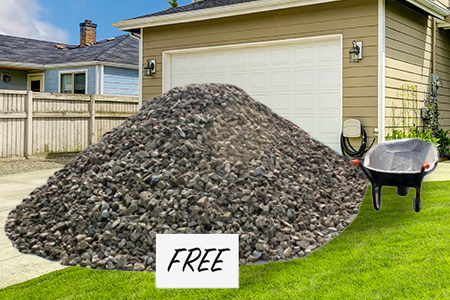
Image Source: www.budgetdumpster.com
How To Dispose Of Rocks In Yard: Best Methods
Can you throw rocks in the trash? Generally, yes, small amounts of rocks can be disposed of in your regular household trash if they are contained and do not exceed local weight limits. However, for larger quantities, or specific types of rock, you’ll need different strategies. This guide covers the best methods for dealing with rocks you find in your yard, whether from a garden renovation, a landscaping project, or just accumulated over time. We’ll explore various approaches to rock removal, landscaping debris disposal, and yard waste disposal, focusing on efficiency, cost-effectiveness, and environmental responsibility.
Why Removing Rocks is Necessary
Rocks in a yard can be more than just an aesthetic issue. They can pose tripping hazards, damage lawnmowers and other equipment, and make planting and gardening difficult. Sometimes, a project requires significant soil excavation, unearthing a surprising amount of stone. When this happens, you need a plan for effective debris hauling services and bulk waste removal.
Evaluating the Scope of Your Rock Problem
Before you start rock removal, take stock of what you’re dealing with.
Small Amounts of Rocks
- Identification: These are typically a few pebbles or small stones you might find while gardening.
- Disposal Options:
- Trash Can: For very small quantities, bagging them and putting them in your regular trash is an option. Ensure the bags are sturdy to prevent tearing.
- Compost Bin: If they are clean and small enough, they can sometimes be added to a compost bin, though they won’t decompose. They can help with aeration.
- Reuse: Many small rocks can be reused in flower beds, along pathways, or in decorative arrangements.
Medium Amounts of Rocks
- Identification: This could include rocks unearthed during a significant planting project, or a small rock garden that needs clearing.
- Disposal Options:
- Municipal Yard Waste Collection: Check your local waste management guidelines. Some municipalities accept rocks as part of their yard waste disposal program, especially if they are bagged or contained.
- DIY Hauling: If you have a truck or trailer, you can haul them to a local landfill or recycling center that accepts them.
- Donation/Giveaway: Offer them on local online marketplaces or to gardening groups. Someone might need them for their own projects.
Large Quantities of Rocks
- Identification: This is common after major landscaping debris disposal projects, excavation work, or removing old stone walls or patios. This often involves dealing with broken concrete disposal as well.
- Disposal Options:
- Debris Hauling Services: This is often the most efficient solution for large volumes. Companies specializing in debris hauling services can remove the rocks for you.
- Dumpster Rental: Renting a dumpster is a good option for containing a large amount of landscaping debris disposal.
- Recycling Centers/Landfills: Transporting large amounts to a designated facility is necessary.
Methods for Rock Removal
The actual process of getting the rocks out of your yard requires careful planning and the right approach.
1. Manual Removal (The Hands-On Approach)
This is the most basic method, suitable for smaller projects or when you want to be selective about which rocks you remove.
-
Tools Needed:
- Shovels (pointed and flat)
- Gardening fork or digging fork
- Wheelbarrow
- Sturdy gloves
- Safety glasses
- Buckets or heavy-duty bags
-
Process:
- Assess the Area: Identify where the rocks are concentrated.
- Loosen the Soil: Use a gardening fork to loosen the soil around the rocks. This makes them easier to pry out.
- Pry and Lift: Use the pointed shovel or fork to leverage the rocks out of the ground.
- Collect: Place the removed rocks into a wheelbarrow or bucket.
- Transport: Move the collected rocks to your designated disposal area or collection point.
-
Considerations:
- Heavy Lifting: Be mindful of your physical limits. Rocks can be surprisingly heavy. Use proper lifting techniques to avoid injury.
- Time Commitment: This can be very time-consuming for larger areas.
2. Using Machinery for Efficient Rock Removal
For larger rock removal projects or when dealing with buried stones, machinery can make a big difference.
-
Tools and Equipment:
- Skid Steer Loader (Bobcat): With a bucket attachment, this is incredibly effective for scooping up and moving large quantities of rocks.
- Backhoe: Useful for digging out larger, embedded rocks or for soil excavation projects where rocks are a major component.
- Excavator: For very large-scale operations, like clearing an entire area or dealing with deeply buried rock formations.
- Rototiller: Can help break up rocky soil, making manual removal easier afterwards, but may also break smaller rocks into unmanageable pieces.
-
Process:
- Clear the Area: Remove any surface vegetation or smaller debris.
- Operate Machinery: Carefully use the chosen equipment to scoop or dig out the rocks.
- Load: Load the rocks directly into a truck, trailer, or large container.
- Transport: Move the loaded material to its destination.
-
Considerations:
- Cost: Renting machinery can be expensive, and operating it requires skill and practice.
- Safety: Always follow operating instructions and wear appropriate safety gear.
- Soil Disturbance: Machinery can disturb the soil significantly, requiring remediation afterward.
3. Specialized Rock Removal Equipment
For very specific needs, specialized tools might be available for rent.
- Rock Rakes/Rock Pickers: These attachments for tractors or skid steers are designed to sift rocks from soil.
- Rock Augers: For drilling into very large rocks to break them apart.
Disposal Methods for Yard Rocks
Once you’ve gathered your rocks, you need to decide where they will go.
1. Municipal Waste Services
-
Yard Waste Programs: Many towns and cities have specific yard waste disposal services.
- Bagging Requirements: Some require rocks to be bagged in paper yard waste bags.
- Weight Limits: There are often weight limits per bag or per pickup.
- Acceptance: Not all yard waste programs accept rocks. Always check your local municipality’s guidelines. They may consider rocks “construction debris” rather than “yard waste.”
-
Bulk Waste Removal: For larger amounts that exceed regular yard waste limits, you might need to schedule a special bulk waste removal pickup.
- Fees: These services often come with a fee.
- Scheduling: You usually need to schedule these pickups in advance.
2. Landfills and Transfer Stations
- Acceptance: Most landfills and transfer stations accept rocks and broken concrete disposal.
- Fees: You will typically be charged a fee based on weight or volume.
- Requirements: They may have specific requirements for how the material is delivered (e.g., loose, in approved containers).
- Preparation: It’s a good idea to call ahead to confirm their policies and any preparation needed. This is especially important if you are hauling rocks yourself.
3. Recycling Centers
- Concrete Recycling: If your rocks are primarily broken concrete or asphalt, some facilities accept this material for recycling into aggregate for new construction projects.
- Rubble Recycling: Certain centers also accept other types of rubble.
- Benefits: Recycling diverts waste from landfills and conserves resources.
- Identification: Ensure your material meets their recycling criteria. Clean concrete and rock are usually preferred.
4. Hiring Debris Hauling Services
This is often the most convenient option for significant amounts of rocks and landscaping debris disposal.
-
What They Offer:
- Convenience: They handle the loading and hauling.
- Efficiency: They have the right equipment for heavy lifting and bulk waste removal.
- Proper Disposal: Reputable services ensure responsible disposal, often taking materials to recycling facilities when possible.
-
Finding a Service:
- Local Search: Look for “debris hauling services,” “junk removal,” or “rubble removal” in your area.
- Get Quotes: Contact several companies to compare prices and services.
- Check Reviews: Look for reviews to ensure reliability and good service.
-
Considerations for Hauling Rocks:
- Cost: This can range from a few hundred to over a thousand dollars, depending on the volume and distance.
- Types of Rocks: Some services may charge more for certain types of material or if significant soil excavation is involved.
5. Donating or Reusing Rocks
Give your rocks a second life!
- Landscaping Projects: Offer them to neighbors, friends, or local community garden projects.
- Construction: Smaller, clean rocks might be useful for DIY building projects like dry-stone walls or garden borders.
- Online Marketplaces: Use platforms like Facebook Marketplace, Craigslist, or Freecycle to list your rocks for pickup. Specify “rock removal” and “landscaping debris” to attract the right audience.
- Animal Shelters/Zoos: Some may use certain types of rocks for habitat enrichment.
Dealing with Different Types of Rocks
The composition of your rocks might influence your disposal options.
1. Natural Rocks and Boulders
- Characteristics: These are typical stones found in soil, ranging from small pebbles to large boulders.
- Disposal: Generally accepted by most landfills, recycling centers, and hauling services. Smaller ones can be bagged for yard waste. Larger ones may require specialized equipment.
2. Broken Concrete Disposal
- Characteristics: Pieces of old patios, walkways, or foundations.
- Disposal: Many places accept concrete for recycling into aggregate. If not recycled, it can go to landfills.
- Identification: Crucial to differentiate from natural rock, as recycling options are more common for concrete.
3. Bricks and Masonry
- Characteristics: Old bricks from walls or structures.
- Disposal: Can often be recycled into aggregate, especially if they are clean. Otherwise, landfill disposal is an option.
Planning Your Rock Disposal Project
A well-planned project makes the process smoother.
1. Create a Budget
- DIY Costs: Factor in equipment rental, fuel, and potential tipping fees at landfills.
- Professional Services: Get quotes from debris hauling services, dumpster rentals, and landscaping companies.
2. Schedule Appropriately
- Timing: Consider the weather and your own availability.
- Service Availability: Book debris hauling services or dumpster rentals in advance, especially during peak seasons.
3. Prepare the Area
- Clear Access: Ensure easy access for machinery, wheelbarrows, or hauling trucks.
- Protect Valuables: Cover or move anything you don’t want damaged or covered in dust.
4. Sort Your Rocks (Optional but Recommended)
- Recyclable Materials: Separate concrete, bricks, and clean natural stone if you plan to recycle.
- Usable Rocks: Set aside any rocks you want to reuse in your landscaping.
5. Follow Local Regulations
- Waste Management Guidelines: Always adhere to your local rules for yard waste disposal, bulk waste removal, and landfill usage. This prevents fines and ensures responsible disposal.
Frequently Asked Questions (FAQ)
Q1: Can I just leave rocks on my property?
A1: While technically you can, it’s generally not advisable due to tripping hazards, potential damage to equipment, and an unkempt appearance. Local ordinances might also have rules about debris accumulation.
Q2: Are rocks considered yard waste?
A2: It depends on your local municipality. Some consider small rocks part of yard waste, especially if bagged. Larger rocks or broken concrete are often classified as construction debris, which may have different disposal rules and fees. Always check with your local waste management provider.
Q3: How much does it cost to haul away rocks?
A3: The cost varies significantly based on the volume of rocks, the distance to the disposal site, and whether you use a professional debris hauling service or transport them yourself. Expect to pay anywhere from $100-$500+ for professional hauling, with additional fees for very large volumes or difficult access. DIY hauling involves rental fees for equipment (if needed) and landfill tipping fees, which can also add up.
Q4: Can I put rocks in my regular trash bin?
A4: For very small quantities (a few handfuls), yes, if they fit and don’t exceed the bin’s weight capacity. However, large amounts can damage the bin, make it too heavy for collection trucks, and are generally not permitted.
Q5: What if I have very large boulders?
A5: Large boulders often require specialized equipment like mini-excavators or professional rock removal services. They can be difficult to move and dispose of. Sometimes, creative landscaping solutions, like incorporating them into a rock garden or water feature, are a better option than removal.
Q6: Is there a way to recycle rocks?
A6: Yes, especially broken concrete and masonry. Many recycling centers process these materials into aggregate for road construction and other projects. Clean natural rocks may also be accepted by some landscaping supply companies for reuse.
Q7: What are the risks of heavy lifting rocks?
A7: Heavy lifting without proper technique can lead to back injuries, muscle strains, and hernias. Always bend your knees, keep your back straight, and lift with your legs. If a rock is too heavy to lift safely, get help or use machinery.
Q8: What’s the best way to deal with rocks after soil excavation?
A8: After soil excavation, you’ll likely have a significant amount of rocks. Your best options are typically renting a dumpster, hiring debris hauling services, or a DIY trip to a landfill or recycling center using a truck or trailer. Sorting for recyclables before disposal is also a good practice.