
The crucial question for many dog owners is: How long do I need to keep my dog off the lawn after fertilizing? The general consensus for most common lawn fertilizers is to keep pets off the treated area for at least 24 to 72 hours, or until the fertilizer has completely dissolved and the lawn is dry. However, this is a guideline, and the exact timeframe can vary depending on the type of fertilizer used and how it’s applied.
Ensuring dog safety after fertilizer application is paramount. While a lush green lawn is desirable, the health and well-being of your furry companions should never be compromised. Accidental ingestion or prolonged contact with certain lawn chemicals can lead to various health issues for dogs, ranging from mild stomach upset to more serious toxic reactions. This extensive guide will delve into the details of lawn fertilizer pet delay, providing you with the knowledge to make informed decisions for your pet’s safety and your lawn’s health.
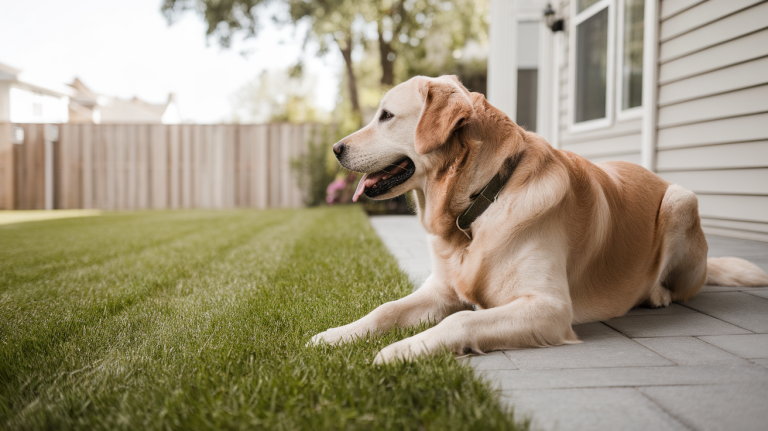
Image Source: randylemmon.com
The Risks of Fertilized Lawns for Dogs
Lawn fertilizers, while beneficial for plant growth, can pose risks to dogs if not handled with care. Dogs often spend a significant amount of time on lawns, exploring, playing, and sometimes even eating grass. This close contact makes them susceptible to the effects of lawn treatments.
Fertilizer Toxicity for Dogs
Fertilizer ingredients can vary widely, and some components are more toxic to dogs than others. Common ingredients include nitrogen, phosphorus, and potassium. While these are essential nutrients for plants, in concentrated forms or when ingested in larger quantities, they can cause problems for dogs.
- Nitrogen: Can cause vomiting, diarrhea, and lethargy.
- Phosphorus: Ingesting large amounts can lead to gastrointestinal issues and, in severe cases, heart problems.
- Potassium: Generally less toxic, but excessive intake can still cause digestive upset.
- Iron: Some fertilizers contain iron, which can be toxic in large doses, leading to vomiting, diarrhea, and even damage to internal organs.
- Herbicides and Pesticides: Many fertilizers are combined with weed killers or insecticides. These additional chemicals can be significantly more toxic to dogs than the fertilizer itself.
The symptoms of fertilizer toxicity in dogs can appear quickly and include:
- Vomiting
- Diarrhea
- Excessive drooling
- Lethargy
- Loss of appetite
- Abdominal pain
- Difficulty breathing (in severe cases)
- Burns or irritation around the mouth and paws
How Dogs Interact with Treated Lawns
Dogs interact with lawns in several ways that can lead to exposure:
- Ingestion: Dogs may lick or chew grass, inadvertently ingesting fertilizer granules or residue. Some dogs have a habit of eating grass, making them particularly vulnerable.
- Paw Contact: Walking on a fertilized lawn can lead to fertilizer residue sticking to their paws. Dogs often lick their paws, leading to ingestion.
- Rolling: Dogs love to roll on cool, soft grass. This can result in fertilizer getting into their fur, eyes, nose, and mouth.
- Inhaling Dust: If the fertilizer is applied in a dusty form and not watered in, dogs might inhale the particles.
These interactions highlight the importance of keeping pets off treated lawn areas until it is safe.
Factors Determining Waiting Periods
The duration you need to keep your dog off the lawn after fertilizing depends on several key factors. Understanding these will help you gauge the appropriate waiting period.
Type of Fertilizer
The most significant factor influencing the waiting period is the type of fertilizer used.
Granular Fertilizers
Granular fertilizers are small pellets that release nutrients over time.
- Application: Applied directly to the lawn.
- Drying Time: Once applied, they need to be watered in to dissolve and absorb into the soil.
- Waiting Period: Typically, the recommendation is to keep pets off until the granules have dissolved and the lawn is dry. This usually takes about 24 to 72 hours, assuming adequate watering. If the fertilizer is not watered in properly, the granules can remain on the surface for longer, posing a risk.
Liquid Fertilizers
Liquid fertilizers are sprayed onto the lawn and are often absorbed more quickly.
- Application: Sprayed as a liquid solution.
- Drying Time: They need to dry on the grass blades and then absorb into the soil.
- Waiting Period: Generally, a shorter waiting period is recommended, often around 24 hours, or once the sprayed liquid has completely dried. This ensures that the fertilizer has been absorbed by the grass and is no longer a surface risk.
Organic Fertilizers
Organic fertilizers are derived from natural materials like compost, manure, or bone meal.
- Composition: Often contain beneficial microbes and break down more slowly.
- Toxicity: Generally considered safer and less toxic to pets than synthetic fertilizers.
- Waiting Period: While considered safer, it’s still prudent to allow some time for them to settle. A waiting period of 24 hours is usually sufficient, especially if there are any concerns about odor or immediate residue. Some organic fertilizers, like fresh manure, might require a longer waiting period for decomposition to avoid any potential digestive upset.
Application Method and Watering
How the fertilizer is applied and whether it’s properly watered in significantly impacts its safety.
- Granules: If granular fertilizer is applied and not watered in, the granules can remain on the grass blades and soil surface, posing a direct risk to pets who walk on or ingest them. Thorough watering helps to dissolve these granules and move them into the soil, reducing surface exposure.
- Liquids: Liquid fertilizers need sufficient time to dry on the grass blades and be absorbed. If a dog plays on a lawn still wet with liquid fertilizer, they can ingest more of the product through licking their fur.
This is why post-fertilization pet waiting period recommendations are so critical.
Weather Conditions
Weather can also play a role.
- Rain: If it rains heavily shortly after application and watering, it can help wash away any surface residue. However, excessive rain might also wash away some of the applied fertilizer before it can be absorbed, potentially requiring reapplication.
- Wind: Windy conditions can blow granular fertilizer around, leading to uneven application and potential exposure in areas not intended to be treated.
Safe Lawn Care for Dogs
Prioritizing safe lawn care for dogs involves making informed choices about lawn treatments and employing best practices.
Choosing Pet-Friendly Fertilizers
When you need to fertilize, look for products specifically labeled as “pet-safe” or “organic.”
- Organic Options: These are generally derived from natural sources and break down more slowly, posing less risk of acute toxicity. Examples include corn gluten meal, bone meal, and kelp meal.
- Slow-Release Fertilizers: These are designed to release nutrients gradually, reducing the risk of a sudden high concentration of chemicals on the lawn surface.
- Natural Amendments: Consider using compost or well-rotted manure as natural fertilizers. These enrich the soil and are generally harmless to pets.
Reading and Following Product Labels
This is arguably the most important step in pet precautions for fertilized lawns. Always read the entire product label before applying any lawn treatment.
- Active Ingredients: Familiarize yourself with the active ingredients, especially if you have a pet with known sensitivities.
- Application Instructions: Follow the precise application rates and methods recommended by the manufacturer. Over-application can increase risks.
- Re-entry Times: Pay close attention to any specified re-entry times for pets and people. These are usually clearly stated on the label.
- Watering Instructions: Ensure you follow the watering instructions diligently.
Timing of Application
The time of day you apply fertilizer can also make a difference.
- Early Morning or Late Evening: Applying fertilizer during these cooler parts of the day can help it dry faster and reduce the likelihood of your dog being on the lawn during peak exposure times.
- Avoid Peak Play Times: Try to fertilize when your dog is likely to be inside or otherwise occupied, minimizing their opportunity to access the lawn.
Proper Watering
As mentioned, watering is key to safely integrating fertilizer into your lawn.
- Water Thoroughly: After applying granular fertilizer, water the lawn deeply for about 15-20 minutes to help dissolve the granules and wash them into the soil.
- Allow Drying: Ensure the lawn is completely dry before allowing pets back onto it.
How Long to Keep Dogs Away: A Practical Guide
Navigating the specifics of how long to keep dogs away requires attention to detail. While 24-72 hours is a common guideline, let’s break down scenarios.
The Standard Recommendation: 24-72 Hours
- Why this timeframe? This period allows most common synthetic fertilizers to dissolve and be absorbed by the soil. It also ensures the grass blades are dry, minimizing the chance of residue sticking to fur or being licked off.
- Granular Fertilizers: If you’ve used granular fertilizer and watered it in as directed, waiting at least 24 hours, and ideally up to 72 hours, is a safe bet.
- Liquid Fertilizers: Once the liquid has completely dried on the grass blades, a 24-hour waiting period is generally considered safe.
Shorter Waiting Periods (Under 24 Hours)
- Only with “Pet-Safe” or Organic Products: If you have used a specifically formulated pet-safe or organic fertilizer, and the product label states a shorter waiting period (e.g., “safe for pets once dry”), you might be able to allow access sooner. However, always err on the side of caution.
- Ensure Complete Drying: Even with these products, ensure the lawn is completely dry to the touch.
Longer Waiting Periods (Over 72 Hours)
- When Not Properly Watered: If the fertilizer, especially granular, was not watered in effectively, or if heavy rain has not occurred, it’s wise to extend the waiting period.
- Combined Treatments: If your fertilizer also contains herbicides or pesticides, the waiting period might be significantly longer, as these chemicals can be more potent. Always check the specific product label for these combined treatments.
What if My Dog Ignores the Rules?
If your dog accidentally gets onto the lawn before the recommended waiting period is over:
- Observe Closely: Monitor your dog for any signs of illness, such as vomiting, diarrhea, lethargy, or excessive drooling.
- Rinse Paws and Fur: If possible, gently rinse your dog’s paws and fur with clean water to remove any residual fertilizer.
- Contact Your Veterinarian: If you notice any concerning symptoms or are worried about the amount of fertilizer your dog may have ingested or come into contact with, contact your veterinarian immediately. Have the fertilizer product information handy.
Keeping Pets Off Treated Lawn: Strategies and Tips
Implementing effective strategies for keeping pets off treated lawn is crucial for enforcing the necessary lawn fertilizer pet delay.
Physical Barriers
- Temporary Fencing: Use temporary pet fencing or garden stakes with brightly colored tape to create a visible barrier around the treated area.
- Signs: Place clear “Do Not Enter” or “Lawn Treated” signs to deter curious pets (and neighbors with pets).
Behavioral Management
- Leash Control: Keep your dog on a leash when outside, even in your own yard, until the waiting period has passed.
- Supervision: Never leave your dog unsupervised in a recently fertilized yard.
- Redirect Play: Engage your dog in indoor activities or direct them to a designated “safe zone” away from the treated lawn.
Communication with Lawn Care Services
If you use a professional lawn care service, communicate your pet ownership clearly.
- Pre-Treatment Notification: Ask them to notify you in advance of any treatments so you can make arrangements to keep your pets indoors.
- Product Information: Request information about the specific products they use and their safety guidelines for pets.
Fertilized Lawn Dog Restrictions: What to Know
The fertilized lawn dog restrictions are in place for a reason. It’s about mitigating the risks associated with lawn chemicals.
Understanding Different Fertilizer Formulations
- Weed and Feed: These products combine fertilizer with herbicides to kill weeds. Herbicides can be particularly toxic to dogs, so extended waiting periods are often necessary. Always check the label for specific pet re-entry instructions.
- Insect Control Fertilizers: Similar to weed and feed, these contain insecticides, which can also be highly toxic. Extended waiting periods are usually mandated.
The Importance of a Pet-First Approach
When making decisions about your lawn, always consider your pet’s safety.
- Alternative Lawn Care: Explore pet-friendly lawn care methods like core aeration, overseeding with pet-resistant grass types, and natural pest control.
- Designated Potty Areas: If possible, designate a specific area of your yard for your dog’s potty breaks that is not treated with fertilizers or pesticides.
When in Doubt, Wait Longer
If you are ever uncertain about the safety of your lawn after treatment, it is always better to err on the side of caution and extend the waiting period. The cost of a veterinary visit far outweighs the inconvenience of keeping your pet off the lawn for an extra day or two.
FAQ: Addressing Common Concerns
Here are answers to some frequently asked questions regarding lawn treatment pet access.
Q1: Can my dog get sick if they walk on fertilized grass?
A1: It’s unlikely that simply walking on fertilized grass will cause serious illness, especially if the fertilizer has been watered in and dried. However, prolonged contact can lead to mild skin irritation or paw pad dryness. The primary risk comes from ingestion or contact with undissolved granules or wet liquid fertilizer.
Q2: My dog ate grass that was fertilized yesterday. What should I do?
A2: If your dog ate grass yesterday and the fertilizer was applied yesterday, monitor them closely for any symptoms of stomach upset (vomiting, diarrhea, lethargy). If you notice any issues or are concerned, contact your veterinarian immediately.
Q3: Are organic fertilizers completely safe for dogs?
A3: Organic fertilizers are generally much safer than synthetic ones and have a lower risk of toxicity. However, it’s still wise to allow a brief waiting period (e.g., 24 hours) and ensure there’s no loose material on the surface, as some dogs can experience digestive upset from ingesting large amounts of any substance.
Q4: What if I can’t keep my dog off the lawn for the recommended time?
A4: If you absolutely cannot keep your dog off the lawn for the full recommended period, try to minimize their exposure. Keep them on a leash, prevent them from rolling or excessively chewing the grass, and if possible, rinse their paws and fur afterwards. However, this is not ideal, and it’s best to adjust your fertilizing schedule to allow for the full waiting period.
Q5: How often should I fertilize my lawn with pets?
A5: The frequency of fertilizing depends on your grass type, climate, and soil conditions. However, when you have pets, consider fertilizing less frequently and always opting for pet-friendlier options. Many lawns thrive with just one or two applications per year, especially when supplemented with organic soil amendments.
Final Thoughts on Pet Safety
The goal of fertilizing your lawn should be to enhance its beauty and health without endangering your beloved pets. By diligently following product instructions, choosing appropriate fertilizers, and respecting the necessary waiting periods, you can achieve a beautiful lawn while maintaining the highest standards of safe lawn care for dogs. Remember, fertilizer toxicity for dogs is a real concern, and proactive measures are the best defense. Always prioritize your pet’s well-being when considering any lawn treatments.