
Are crows digging up your lawn? Yes, you can stop crows digging up your lawn by understanding their behavior and employing a combination of deterrents and habitat modification. Crows are intelligent birds, and preventing their digging requires a multi-pronged approach to make your lawn less appealing and accessible to them.
Crows dig in lawns primarily searching for grubs, insects, and earthworms. They use their strong beaks to pull up sod and soil, leaving unsightly bare patches and mounds. While a few crows might be charming, a flock can quickly turn your manicured lawn into a battlefield. Fortunately, there are many effective crow deterrents and methods for lawn protection from birds to discourage these clever corvids. This guide will delve into how to effectively stop crows from digging up your lawn fast.
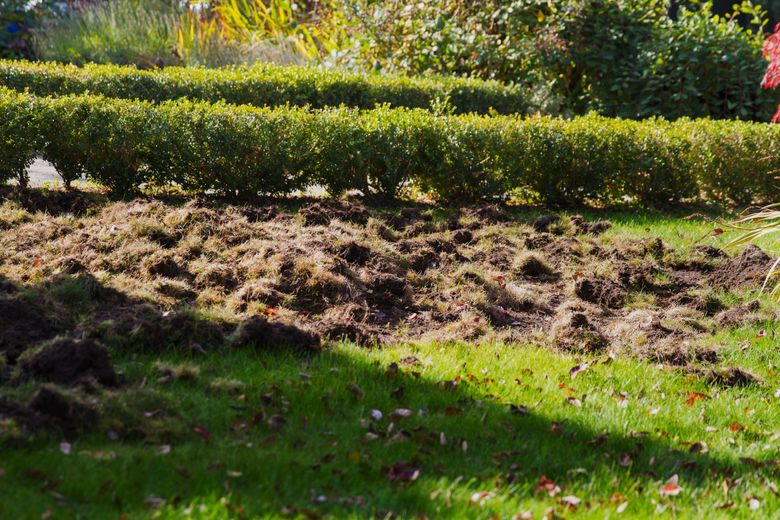
Image Source: images.seattletimes.com
Deciphering Crow Behavior
To effectively stop crows digging, we first need to grasp why they do it. Crows are omnivores with a keen sense of smell and sight, allowing them to locate food sources buried just beneath the surface. Grubs, beetle larvae, and earthworms are their favorite lawn delicacies. They also enjoy seeds, berries, and even carrion, but lawns offer a consistent supply of protein-rich invertebrates, especially after rain or irrigation when the soil is soft.
What Drives Crow Digging?
- Food Availability: The most significant driver is the presence of grubs and other soil-dwelling insects. A healthy lawn with a good population of these larvae becomes a buffet for crows.
- Moisture: Soft, moist soil is easier for crows to probe and dig through. This is why you often see them more active after watering or rainfall.
- Grooming and Dust Bathing: While not directly related to digging for food, crows may sometimes disturb the soil for dust baths or to preen their feathers, though this is a less common reason for widespread lawn damage.
- Territorial Behavior: In some cases, particularly during mating season, crows might exhibit more territorial behavior, which can involve disturbances to their perceived territory.
Effective Methods for Repelling Corvids
Successfully repelling corvids involves making your lawn a less inviting place. This means addressing the root cause – food – and introducing elements that create unease or discomfort for them.
Addressing the Food Source: Grub Control
The most sustainable way to stop crows from digging is to eliminate their food source. If there are no grubs, crows will have little reason to spend time and effort excavating your lawn.
Integrated Pest Management (IPM) for Grubs
IPM is a balanced approach that combines biological, cultural, and chemical methods to manage pests.
- Identify the Grubs: Before you treat, make sure you have grubs. Look for patches of brown, dead grass that you can easily lift like a carpet. You might also see increased bird or mammal activity in these areas. The most common lawn grubs are from Japanese beetles, European chafers, and annual bluegrass weevils.
- Beneficial Nematodes: These microscopic organisms are natural predators of grubs. When applied to the soil, they seek out and parasitize grub larvae. This is an eco-friendly and highly effective method. Ensure you apply them when soil temperatures are appropriate and the soil is moist.
- Milky Spore: This is a naturally occurring bacterium that specifically targets Japanese beetle grubs. It works slowly, taking a few seasons to become fully effective, but it provides long-term grub control without harming beneficial insects.
- Biological Insecticides: Products containing Bacillus thuringiensis galleriae (Btg) can be effective against certain types of grubs. These are naturally occurring bacteria that are toxic to specific insect larvae.
- Chemical Treatments: If the infestation is severe, chemical insecticides can be used. However, these should be a last resort due to their potential impact on beneficial insects, pollinators, and the environment. Always choose targeted products and follow application instructions carefully. Look for products labeled for grub control.
Physical Barriers and Deterrents
Once the food source is managed, introducing physical deterrents can further discourage crows.
Scare Tactics and Visual Deterrents
Crows are intelligent and can become accustomed to static deterrents. Therefore, variety and movement are key.
- Reflective Surfaces: Strips of reflective tape (like Mylar or holographic tape) hung from trees or stakes can flash light and startle crows. Old CDs or aluminum pie pans tied to fishing line can also work. Move these around regularly to maintain their effectiveness.
- Predator Decoys: Realistic owl or hawk decoys can deter crows, as these are natural predators. However, crows are smart and will eventually realize the decoys are not a threat if they remain in the same spot. Move them frequently, or consider decoys that have a slight movement.
- Scarecrows: Traditional scarecrows can be effective if they are regularly updated in appearance and placement. Consider dressing them in brightly colored clothing or adding elements that move in the wind.
- Spinning Objects: Pinwheels or other brightly colored, spinning objects can catch the light and movement, making crows uneasy.
Auditory Deterrents
Sound can also be a powerful tool for discourage crows from digging.
- Noise Makers: Various devices can produce startling noises. These can include wind chimes, banging pots or pans (though this is less practical for a whole lawn), or even recorded distress calls of crows played at intervals. Some specialized electronic devices emit sounds that mimic predators or sudden loud noises.
- Ultrasonic Devices: While their effectiveness is debated and often depends on the specific animal and device, some people find ultrasonic pest repellers helpful. These emit high-frequency sounds that are inaudible to humans but may be bothersome to birds.
Netting and Covers
For smaller, specific areas of your lawn or garden beds where you are particularly concerned about damage, physical barriers are highly effective.
- Bird Netting: This can be draped over vulnerable areas, such as newly seeded lawns or specific garden patches. Ensure the netting is fine enough to prevent birds from getting caught but also secured properly so it doesn’t become a hazard itself.
- Row Covers: Lightweight fabrics used in gardening can protect young plants and seedlings from birds.
Garden Pest Control Birds: Specific Strategies
When dealing with garden pest control birds like crows, a nuanced approach is necessary. It’s not just about scaring them; it’s about making your entire garden and lawn an unwelcoming environment.
Modifying the Habitat
Making your yard less attractive to crows can be as effective as using direct deterrents.
Remove Attractants
- Secure Trash Cans: Crows are opportunistic feeders and will raid unsecured trash. Use bins with tight-fitting lids. Clean up any spilled food around your bins.
- Pet Food: Do not leave pet food outdoors, especially overnight. Crows will readily consume it.
- Fallen Fruit and Berries: While a natural food source, excessive fallen fruit from trees can attract crows. Clean up fallen fruit promptly. Consider netting fruit trees if they are a major attractant.
- Bird Feeders: While tempting to provide for songbirds, common seed mixes and suet can also attract crows. If you have crow problems, consider temporarily removing bird feeders or switching to seed types less appealing to corvids.
Water Sources
Crows also need water. While you shouldn’t eliminate all water sources, be mindful of bird baths that are easily accessible and frequently used.
Advanced Techniques for Bird Proofing Lawn
For persistent problems, more advanced methods might be necessary to achieve bird proofing lawn that is robust and long-lasting.
Avian Stress Spikes
These are small, pointed spikes made of metal or plastic that can be installed on flat surfaces like fences, ledges, or even the edges of garden beds. They don’t harm birds but make it uncomfortable for them to land and perch, thus deterring them from frequenting the area.
Tangible Scares: Human Presence
Crows are wary of humans. While you can’t be present all the time, mimicking human presence can help.
- Motion-Activated Sprinklers: These devices detect movement and spray a burst of water, startling birds and other animals. This can be very effective, especially when combined with other deterrents.
- Robotic Lawn Mowers: While not a primary deterrent, the constant movement and presence of a robotic mower can make crows hesitant to settle and forage in the yard.
Keeping Crows Away: A Holistic Approach
Keeping crows away requires patience and persistence. They are intelligent and adaptable, so a multi-faceted strategy is always best.
Combining Deterrents for Maximum Impact
The most successful strategies often involve layering different types of deterrents. For instance, using reflective tape, a predator decoy, and motion-activated sprinklers simultaneously can create a more overwhelming and unpleasant environment for crows.
Timing and Rotation of Deterrents
Crows can habituate to deterrents if they are always in the same place or used consistently.
- Rotate Decoys: Move your owl or hawk decoys every few days.
- Change Reflective Materials: Swap out Mylar tape for CDs or pie pans periodically.
- Vary Sound: If using sound deterrents, alternate between different sounds or frequencies.
Understanding Legal Considerations
Before implementing any drastic measures, it’s essential to be aware of local wildlife regulations. In some areas, it may be illegal to harm or disturb certain bird species, even if they are causing damage. Always check with your local wildlife agency or department of natural resources.
Removing Crows From Yard: Best Practices
When the goal is removing crows from yard, a focus on making the space inhospitable is paramount. This means no food, no comfortable perches, and the presence of things that make them feel threatened.
What Not to Do
- Poison: Never use poison. It is inhumane, illegal in many places, and can harm non-target animals, including pets and beneficial wildlife.
- Harmful Traps: Avoid traps that could injure or kill crows. Focus on deterrents that make them leave on their own.
When to Seek Professional Help
If you have a persistent and severe crow problem that you cannot manage with DIY methods, consider contacting a wildlife control professional. They have access to specialized equipment and expertise in garden bird deterrents and humane removal techniques.
FAQs
Q1: How quickly can I stop crows digging up my lawn?
While you can see immediate effects with some deterrents, permanently preventing crow damage usually takes time and consistent effort. Addressing the grub population is key for long-term success.
Q2: Are there any natural ways to repel crows?
Yes, natural methods include introducing beneficial nematodes for grub control, using reflective materials, predator decoys, motion-activated sprinklers, and removing attractants like unsecured food.
Q3: Will scarecrows keep crows away?
Scarecrows can work initially, but crows are intelligent and will likely get used to them if they remain in the same spot. Moving them regularly and making them more dynamic can increase their effectiveness.
Q4: What is the best crow deterrent?
The “best” deterrent is often a combination of methods, as crows can adapt. Addressing the food source (grubs) and using a variety of visual and auditory scares, along with habitat modification, is usually most effective.
Q5: Can I use netting over my entire lawn?
Netting an entire lawn is typically impractical and expensive. It’s best reserved for smaller, high-value areas like vegetable gardens or newly seeded patches.
By implementing these strategies, you can create a lawn that is less appealing to crows, thus protecting your grass and enjoying a more peaceful outdoor space. Remember that consistency and adaptation are crucial when dealing with these clever birds.