
Lawn sprinklers work by distributing water across your lawn through a network of pipes and sprinkler heads. They operate using water pressure, controlled by various components like valves and automatic timers, to deliver the right amount of water to specific areas.
Image Source: media.hswstatic.com
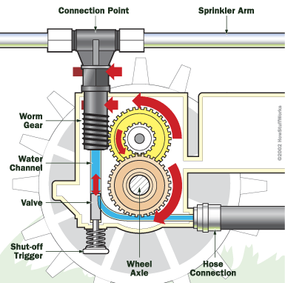
The Heart of Your Watering System: The Basics of Lawn Sprinklers
Imagine your lawn as a thirsty garden that needs just the right amount of drink at the right time. That’s where lawn sprinklers come in. These amazing devices are part of sophisticated irrigation systems designed to keep your grass green and healthy. They take water from your water supply and deliver it to every corner of your yard.
Think of your sprinkler system as a circulatory system for your lawn. Water flows through a network of underground piping, much like blood vessels. This water then exits through various sprinkler head types, each designed to spray water in a specific pattern and distance. The whole operation is often managed by automatic timers and sprinkler zone control systems, making watering effortless and efficient.
Decoding the Flow: How Water Travels to Your Sprinklers
The journey of water from your faucet to your lawn is a well-orchestrated process. It all begins with the water supply.
The Water Source: Where it All Begins
Your home’s main water line usually serves as the primary source for your sprinkler system. In some cases, especially in areas with limited municipal water or for larger properties, a well can also be used as the water source. The quality and pressure of this source are crucial for the system’s effectiveness.
From Source to System: The Valve Manifold
Before water enters the underground piping, it typically passes through a valve manifold. This is a central hub where individual valves are connected. Each valve controls the flow of water to a specific “zone” of your sprinkler system.
The Underground Network: Piping and Connections
Underground piping is the backbone of any sprinkler system. These pipes, usually made of PVC or polyethylene, are buried beneath your lawn, connecting the valve manifold to each sprinkler head. The size of the pipes is important; larger pipes can carry more water, which is essential for maintaining adequate water pressure throughout the system.
The Control Center: Valves and Controllers
- Valves: These are the gatekeepers of your sprinkler system. When a zone is scheduled to water, the controller sends a signal to open the corresponding valve. This allows water to flow from the main line through the underground piping to the sprinkler heads in that zone. Most modern systems use electric solenoid valves, which are controlled electronically.
- Sprinkler Zone Control: Your lawn likely doesn’t need the same amount of water everywhere. Some areas might get more sun, while others might be shadier. Sprinkler zone control allows you to divide your lawn into different watering zones. Each zone can then be watered independently based on its specific needs, ensuring efficient water conservation. This is managed by the controller, which dictates which valves open and for how long.
The Delivery Devices: Types of Sprinkler Heads
The magic of watering happens at the sprinkler head types. These are the visible parts that pop up from the ground or are mounted on risers. They are designed to spray water in various patterns to cover different areas effectively.
Spray Heads: The Classic Sprinklers
Spray heads are the most common type of sprinkler head. They operate at relatively low pressures and spray water in a fan-like pattern.
- Pop-Up Spray Heads: These are designed to retract into the ground when not in use, keeping your lawn clear and safe. They are ideal for smaller, irregularly shaped areas.
- Adjustable Spray Heads: Many spray heads allow you to adjust the spray pattern and distance, making them versatile for different lawn sections.
Rotor Heads: For Wider Coverage
Rotor heads, also known as rotary sprinklers, are designed to water larger areas. They work by rotating a stream of water back and forth.
- How They Work: As water flows through the rotor head, it spins a gear mechanism that turns a nozzle. This nozzle sprays a concentrated stream of water over a wide arc.
- Best Uses: Rotor heads are excellent for large, open lawn areas and are often used in commercial landscaping as well. They typically require higher water pressure to operate effectively.
Drip Irrigation: The Gentle Waterer
While not always considered “sprinklers” in the traditional sense, drip irrigation systems are a crucial part of modern irrigation systems.
- How They Work: Drip systems deliver water slowly and directly to the root zone of plants through a network of emitters or porous tubing.
- Benefits: This method is incredibly efficient for water conservation as it minimizes evaporation and runoff. It’s ideal for garden beds, shrubs, and trees.
Impact Sprinklers: The Robust Choice
Impact sprinklers are known for their durability and ability to cover large areas. They make a distinctive “tic-tic-tic” sound as a cam mechanism rotates and releases a jet of water.
- Durability: They are often made of metal and can withstand harsh conditions.
- Coverage: They can spray water over long distances, making them suitable for large, flat lawns.
The Driving Force: Understanding Water Pressure
Water pressure is the invisible force that powers your sprinkler system. It’s measured in pounds per square inch (psi).
What Affects Water Pressure?
- Municipal Supply: The pressure provided by your local water utility.
- Well Systems: The output of your well pump.
- Pipe Size and Length: Smaller or longer pipes can cause a drop in pressure.
- Number of Sprinklers Operating: The more sprinklers that are on at once, the more the pressure is divided.
- Elevation Changes: Water pressure decreases as elevation increases.
Pressure-Regulating Sprinklers
Some sprinkler head types, particularly newer models, come with built-in pressure regulators. These ensure that each head receives the optimal water pressure for efficient operation, preventing over- or under-watering.
The Brains of the Operation: Automatic Timers and Controllers
Modern sprinkler systems are incredibly smart, thanks to sophisticated controllers and automatic timers.
How Automatic Timers Work
Automatic timers, also known as sprinkler controllers, are the central command center for your irrigation systems. You program them with specific watering schedules, telling the system when to turn on, which zones to water, and for how long.
- Setting Schedules: Most controllers allow for multiple watering days and times per week. You can often customize schedules for different zones based on their watering needs.
- Manual Override: You can usually manually start or stop watering cycles as needed.
- Rain Sensors: Many modern controllers can be linked to rain sensors. These sensors detect rainfall and signal the controller to skip scheduled watering, promoting water conservation.
- Smart Controllers: The latest technology includes “smart” controllers that connect to the internet. They can access local weather data and adjust watering schedules automatically, optimizing water use and saving you money.
Sprinkler Zone Control in Action
The controller uses sprinkler zone control to manage the flow of water. When a watering cycle begins, the controller sends an electrical signal to the valve for the first zone. This energizes the solenoid, opening the valve and allowing water to flow to the sprinklers in that zone. Once the programmed watering time for that zone is complete, the controller de-energizes the valve, shutting off the water. Then, it moves on to the next zone in the sequence.
Designing for Success: Sprinkler Installation
Proper sprinkler installation is key to a long-lasting and efficient system. It’s not just about digging holes and connecting pipes; it involves careful planning and execution.
Planning Your System
Before any digging begins, a thorough plan is essential. This involves:
- Mapping Your Lawn: Identifying different lawn areas, slopes, and plant types.
- Determining Water Needs: Assessing how much water each area requires.
- Designing Zones: Dividing the lawn into zones based on sun exposure, soil type, and plant needs.
- Selecting Sprinkler Heads: Choosing the right sprinkler head types for each zone.
- Calculating Water Pressure Requirements: Ensuring your water supply can support the designed system.
The Installation Process
- Trenching: Trenches are dug to lay the underground piping. The depth of the trenches is important to protect the pipes from damage and freezing in colder climates.
- Pipe Laying: Pipes are laid and connected, with risers and sprinkler heads attached.
- Valve Installation: The valve manifold is assembled and connected to the main water supply.
- Controller Setup: The automatic timers or controllers are installed, typically in a convenient location like a garage or shed.
- Testing and Adjustment: Once installed, the system is tested, and the sprinkler heads are adjusted for proper coverage and spray pattern.
Keeping Things Running Smoothly: Sprinkler Maintenance
Even the best-installed sprinkler systems need regular sprinkler maintenance to operate efficiently and prevent problems.
Regular Checks and Adjustments
- Inspect Sprinkler Heads: Look for any heads that are broken, clogged, or not popping up properly. Clear debris and adjust or replace as needed.
- Check for Leaks: Walk around your lawn while the system is running and look for any visible leaks in pipes or around sprinkler heads.
- Adjust Spray Patterns: As plants grow or seasons change, you may need to readjust the spray patterns of your sprinkler heads to ensure they are watering the intended areas and not the sidewalks or buildings.
- Clean Filters: Sprinkler systems often have filters to prevent debris from clogging the heads. These should be cleaned regularly.
Seasonal Preparations
- Winterization (in cold climates): Before freezing temperatures arrive, the system needs to be winterized. This involves draining all water from the underground piping and sprinkler heads to prevent them from cracking due to ice expansion. This is a critical step for preventing costly damage.
- Spring Start-up: In the spring, the system is turned back on and checked for any issues that may have arisen over the winter.
The Bigger Picture: Water Conservation
In today’s world, water conservation is more important than ever. A well-designed and maintained sprinkler system plays a vital role in using water responsibly.
Smart Watering Practices
- Watering During Cooler Hours: Watering in the early morning or late evening reduces water loss due to evaporation.
- Using Rain Sensors and Smart Controllers: As mentioned earlier, these technologies can significantly reduce unnecessary watering.
- Proper Zone Management: Ensuring that each zone receives only the water it needs, avoiding overwatering in shady areas or under-watering in hot, sunny spots.
- Regular Maintenance: A system that runs efficiently with no leaks or broken heads will naturally conserve water.
Efficient Sprinkler Head Types
Choosing the right sprinkler head types is also crucial. Low-precipitation rate nozzles, for example, apply water more slowly, allowing the soil to absorb it better and reducing runoff.
Frequently Asked Questions About Lawn Sprinklers
Q1: How often should I water my lawn?
A1: The frequency and duration of watering depend on several factors, including your climate, soil type, grass type, and time of year. Generally, it’s better to water deeply and less often to encourage strong root growth. Checking your local extension office or a landscaping professional can provide more specific advice for your area.
Q2: Can I install a sprinkler system myself?
A2: While DIY sprinkler installation is possible for those with some plumbing and landscaping experience, it can be complex. Proper planning, trenching, and understanding of water pressure and sprinkler zone control are essential. For larger or more intricate systems, hiring a professional is often recommended to ensure efficiency and longevity.
Q3: What is a sprinkler zone?
A3: A sprinkler zone is a section of your lawn that is watered by a specific set of sprinkler heads, controlled by a single valve. Sprinkler zone control allows different areas with varying water needs to be watered independently, optimizing water use and promoting water conservation.
Q4: How do I know if my sprinkler system is working efficiently?
A4: An efficient system will have even coverage across all zones, with no dry spots or areas that are constantly waterlogged. Regular sprinkler maintenance, checking for leaks, and ensuring your automatic timers are set correctly are key indicators of efficiency. Observing your lawn’s health is also a good measure.
Q5: What is the best type of sprinkler head for my lawn?
A5: The best sprinkler head types depend on the size and shape of the area you need to water. Spray heads are good for smaller, irregular areas, while rotor heads are better for large, open spaces. Drip irrigation is ideal for garden beds. Consulting with a sprinkler installation professional can help you choose the most suitable options.
Q6: How important is water pressure for my sprinkler system?
A6: Water pressure is crucial. If the pressure is too low, sprinkler heads won’t pop up, spray patterns will be weak, and coverage will be poor. If the pressure is too high, it can damage sprinkler heads and lead to wasted water through misting and evaporation. Ensuring your system is designed for your available water pressure is vital.
Q7: What are the benefits of automatic timers?
A7: Automatic timers take the guesswork out of watering. They ensure your lawn receives consistent watering according to a set schedule, even when you’re away. They also allow for precise control over watering duration and frequency, which is essential for healthy plant growth and effective water conservation.
Q8: How can I improve water conservation with my sprinkler system?
A8: Several strategies can improve water conservation. These include installing rain sensors, using smart controllers that adjust to weather conditions, grouping plants with similar watering needs into the same zones (sprinkler zone control), watering during cooler parts of the day, and performing regular sprinkler maintenance to fix leaks and ensure heads are working correctly. Choosing efficient sprinkler head types also helps.