
So, how much is one cubic yard of mulch? The mulch cost per cubic yard can range from $15 to $75 or more, depending on the type of mulch, its quality, whether it’s purchased in bulk or bags, and your location. For many homeowners, figuring out the cubic yard of mulch price is the first step in planning their landscaping projects. This guide will help you navigate the world of mulch pricing and costs.
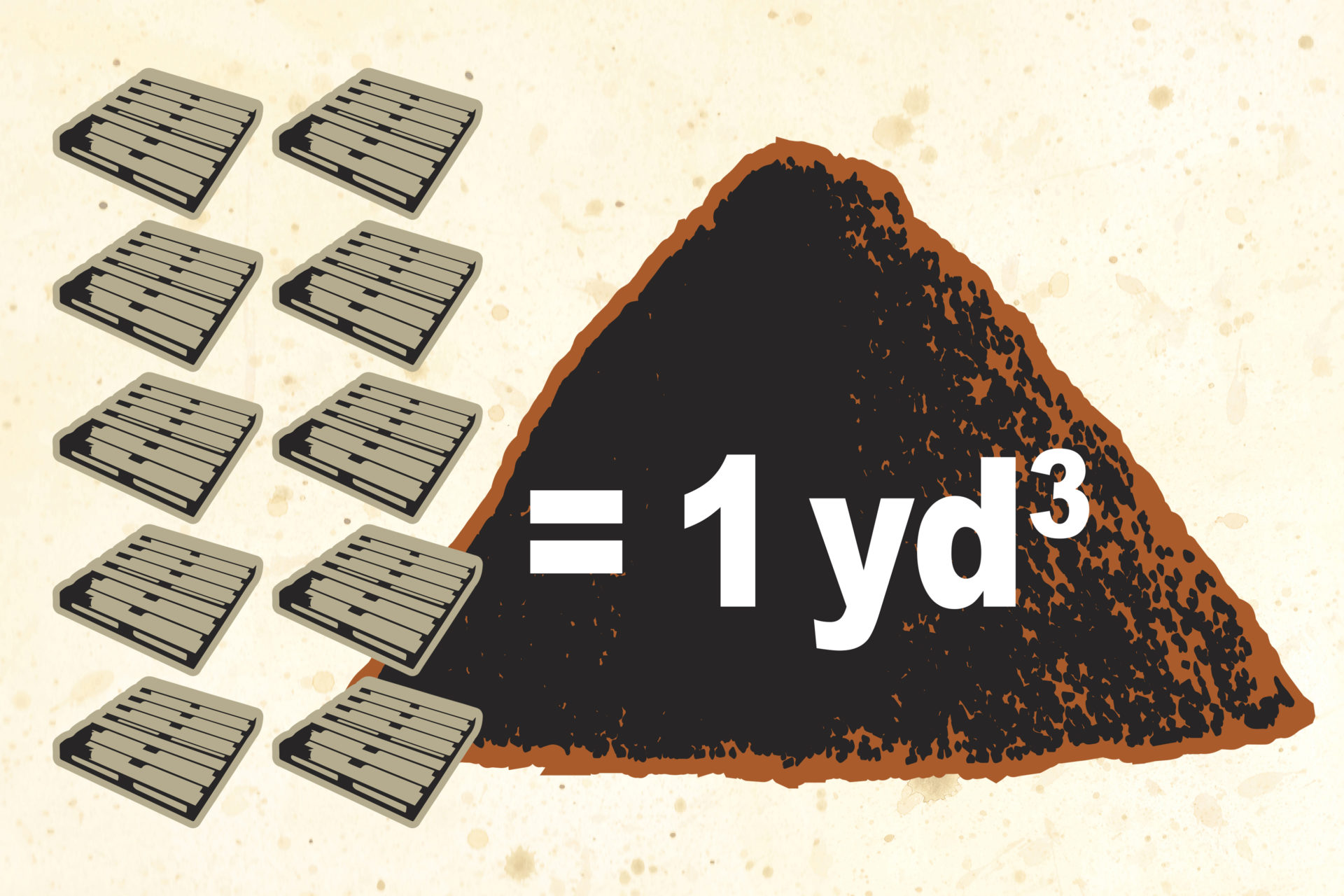
Image Source: www.rotochopper.com
Why Mulch Matters: More Than Just Looks
Mulch isn’t just about making your garden beds look tidy and attractive. It plays a crucial role in the health of your plants and the soil. It helps retain moisture, suppress weeds, regulate soil temperature, and prevent soil erosion. Using the right amount of mulch can save you time on watering and weeding, while also giving your plants a better environment to thrive. Knowing the landscape mulch cost helps you budget for these essential benefits.
Figuring Out How Much Mulch You Need: The Volume Calculation
Before you can determine the cost, you need to know how much mulch you actually need. This involves mulch volume calculation.
How Many Cubic Feet in a Yard of Mulch?
This is a common question, and the answer is straightforward: how many cubic feet in a yard of mulch? There are 27 cubic feet in one cubic yard. This is because a cubic yard is a cube with sides measuring 1 yard (or 3 feet) each. So, 3 feet x 3 feet x 3 feet = 27 cubic feet.
Using a Mulch Calculator
Most landscaping supply companies and many gardening websites offer a mulch calculator. These tools make the mulch volume calculation simple. You’ll typically input the length and width of the area you want to cover, and the desired depth of the mulch layer. The calculator then tells you how many cubic yards you need.
Here’s how to use one conceptually:
-
Measure Your Area:
- Measure the length and width of each garden bed or area you plan to mulch.
- If the area is an irregular shape, break it down into smaller, regular shapes (squares, rectangles, circles) and calculate the area of each, then add them together.
-
Determine Desired Depth:
- A common mulch depth is 2 to 4 inches. For new beds, 3-4 inches is often recommended. For existing beds, 2-3 inches might be sufficient to replenish what has decomposed.
- Convert your desired depth from inches to feet. Divide the number of inches by 12 (since there are 12 inches in a foot). For example, 3 inches is 3/12 = 0.25 feet.
-
Calculate Volume:
- For a rectangular area: Length (in feet) x Width (in feet) x Depth (in feet) = Cubic Feet.
- For a circular area: π x Radius (in feet)² x Depth (in feet) = Cubic Feet. (Remember, Radius = Diameter / 2).
- Once you have the total cubic feet, divide by 27 to get the number of cubic yards needed.
Example:
Let’s say you have a rectangular garden bed that is 10 feet long and 5 feet wide, and you want a mulch depth of 3 inches (0.25 feet).
- Area = 10 feet x 5 feet = 50 square feet
- Volume in Cubic Feet = 50 sq ft x 0.25 ft = 12.5 cubic feet
- Volume in Cubic Yards = 12.5 cubic feet / 27 cubic feet/yard = approximately 0.46 cubic yards.
Since you can’t usually buy fractions of a cubic yard, you would round up to 0.5 or 1 cubic yard, depending on how the supplier sells it. It’s often wise to buy a little extra to account for settling and unforeseen needs.
What Affects the Cubic Yard of Mulch Price?
Several factors influence the mulch cost per cubic yard. Knowing these will help you make informed purchasing decisions.
Types of Mulch Cost
The material your mulch is made from is a primary driver of its price. Different types of mulch cost can vary significantly.
-
Wood Mulches (Bark, Chips, Shredded Bark):
- Shredded Bark: Often mid-range in price. It breaks down over time, adding nutrients to the soil.
- Wood Chips: Generally more affordable, especially larger, coarser chips. They last longer than shredded bark but might not be as aesthetically pleasing for all garden designs.
- Hardwood Bark Mulch: A popular choice, often finely shredded and dark in color. The price is typically in the mid-to-upper range.
- Cypress Mulch: Known for its longevity and resistance to decay. It can be more expensive due to harvesting and processing.
- Cedar Mulch: Similar to cypress in terms of durability and aroma, and often priced similarly.
-
Organic Mulches (Beyond Wood):
- Straw or Hay Mulch: Very inexpensive, often used for vegetable gardens or to protect newly seeded lawns. However, it can contain weed seeds and decomposes quickly.
- Composted Leaves (Leaf Mold): Can be affordable if you compost them yourself. Purchased composted leaves are usually reasonably priced and excellent for soil health.
- Pine Straw (Pine Needles): A good option for acidic-loving plants like azaleas and blueberries. Its price can fluctuate based on availability and region.
-
Inorganic Mulches:
- Gravel, River Rock, Stone: These are typically sold by the pound or ton, not by the cubic yard. Their initial cost can be higher than organic mulches, but they don’t decompose and don’t need replenishing as frequently. Their “per cubic yard” equivalent can be quite high.
- Rubber Mulch (Recycled Tires): Often priced higher per cubic yard than wood mulches. It’s durable and doesn’t decompose but can have environmental concerns and a distinct odor.
Quality Matters
The quality of the mulch can also impact its price. Higher-quality mulches are often:
- Finely Ground or Uniformly Shredded: This provides a more attractive appearance.
- Screened to Remove Large Debris: Ensures consistency.
- Durable and Long-Lasting: Less likely to blow away or decompose too quickly.
- Free from Contaminants: Such as plastics or weed seeds.
Bulk vs. Bagged Mulch
This is a significant factor in the mulch cost per cubic yard.
- Bulk Mulch: When you buy mulch in large quantities, often delivered by a truck, you are typically getting bulk mulch prices. This is almost always the most cost-effective option per cubic yard. Suppliers sell it by the cubic yard.
-
Bagged Mulch: Mulch sold in bags at garden centers or big-box stores is convenient but more expensive per cubic yard. A typical bag might contain 1.5 to 3 cubic feet of mulch. To calculate the cubic yard price from a bag price, you’d figure out how many bags make up a cubic yard (27 cubic feet) and then multiply the bag price by that number.
Example: If a bag contains 2 cubic feet of mulch and costs $5:
* Number of bags per cubic yard = 27 cubic feet / 2 cubic feet/bag = 13.5 bags
* Cost per cubic yard = 13.5 bags x $5/bag = $67.50
This clearly shows why bulk is often cheaper.
Where You Buy It
- Local Garden Centers and Nurseries: Often offer good quality and a variety of mulches, with prices that reflect the service and selection.
- Big-Box Home Improvement Stores: Can be competitive, especially for bagged mulch.
- Landscape Supply Yards: These are typically the best source for bulk mulch prices. They specialize in landscaping materials and often offer the cheapest mulch per yard if you’re buying in volume.
- Online Retailers: Prices can vary widely, and you need to factor in shipping costs, which can be substantial for heavy items like mulch.
Location and Delivery
- Geographic Location: Prices can vary by region due to availability of raw materials and local market conditions.
- Mulch Delivery Cost: If you’re buying bulk mulch, you’ll likely incur a mulch delivery cost. This fee is usually based on the distance from the supplier to your home. Sometimes, if you buy a large enough quantity, delivery might be included or discounted. Always ask about delivery fees when you order.
Labor and Preparation
- DIY vs. Professional Installation: The landscape mulch cost can also include the labor if you hire a professional to spread it for you. This will significantly increase the overall expense compared to buying the mulch yourself and doing the work.
What’s the Cheapest Mulch Per Yard?
If budget is your primary concern, you’ll want to find the cheapest mulch per yard. Generally, this will be:
- Bulk Wood Chips: Often available for free or at a very low cost from local tree trimming services or municipal wood recycling centers. You’ll usually need to arrange your own pickup or pay a fee for delivery, and it might be less aesthetically pleasing than dyed or finer mulches.
- Bulk Shredded Hardwood Mulch: Purchased directly from a landscape supply yard, especially during off-seasons or if they have excess stock.
- Bagged Mulch (on sale): Keep an eye out for sales at home improvement stores.
However, remember that the cheapest mulch per yard might not always be the best value if it decomposes too quickly, washes away easily, or contains undesirable materials.
Typical Price Ranges for Different Mulch Types (Per Cubic Yard)
It’s important to note that these are estimates and can vary significantly. It’s always best to get local quotes.
| Mulch Type | Estimated Price Range (Per Cubic Yard) | Notes |
|---|---|---|
| Bulk Wood Chips | $15 – $35 | Can sometimes be free from arborists; may be coarse. |
| Bulk Shredded Hardwood | $25 – $50 | Common, good all-rounder. |
| Bulk Dyed Mulch (Black, Red, Brown) | $30 – $55 | Dye is added; appearance is enhanced, but color may fade. |
| Bulk Pine Bark Mulch | $35 – $60 | Good for acid-loving plants, lasts well. |
| Bulk Cedar or Cypress Mulch | $40 – $75+ | Durable, aromatic, can be more expensive. |
| Bagged Mulch (equivalent) | $40 – $80+ | Convenience factor; significantly more expensive per cubic yard. |
| Pine Straw Bales | $5 – $10 per bale (approx. 0.5-1 cubic yard equivalent) | Price varies by bale size and quality. |
| Inorganic (Stone/Gravel) | $50 – $100+ (per ton, then convert) | Higher upfront cost, long-term durability, sold by weight typically. |
Prices are approximate and can fluctuate based on market conditions, location, quality, and vendor.
Purchasing Mulch: Tips for Savings
To get the best value for your money when buying mulch, consider these tips:
Buy in Bulk
As highlighted, buying in bulk from a landscape supply yard is almost always cheaper per cubic yard than buying bagged mulch. If you need more than 5-10 bags, ordering a cubic yard or two in bulk can save you money and hassle.
Plan Ahead
Don’t wait until the peak of the gardening season to buy mulch. Sometimes, suppliers offer discounts in early spring or late fall. Also, planning allows you to research different suppliers and compare prices.
Compare Local Suppliers
Get quotes from several local landscape supply yards. Don’t just go with the first one you find. Ask about their pricing structures, delivery fees, and any potential discounts for larger orders.
Consider Pickup
If you have a truck or a large trailer, picking up the mulch yourself can save you the mulch delivery cost. Check the supplier’s policies on customer pickups.
Look for Sales and Promotions
Keep an eye out for seasonal sales at garden centers and home improvement stores, especially for bagged mulch.
DIY Composting
If you have the space and time, composting your own leaves or grass clippings can provide free mulch, though it takes time to break down.
Borrow or Rent Equipment
If you need to transport bulk mulch, consider borrowing a truck from a friend or renting one if your order is large enough to make the rental cost worthwhile compared to delivery fees.
Factors to Consider When Choosing Mulch
Beyond price, several other factors should influence your mulch choice:
Aesthetics
Different mulches have distinct colors and textures. Do you prefer the natural look of brown shredded bark, the dark richness of dyed mulch, or the clean look of stone?
Longevity
How often do you want to replenish your mulch? Wood chip and shredded bark mulches decompose over time, improving soil but requiring annual or biennial replenishment. Stone and rubber mulches last much longer but don’t improve soil.
Soil Improvement
Organic mulches, as they break down, add valuable organic matter and nutrients to your soil, improving its structure, fertility, and water-holding capacity.
Weed Suppression
A thicker layer of mulch (3-4 inches) is more effective at blocking sunlight and preventing weed seeds from germinating.
Moisture Retention
Mulch acts like a blanket, keeping the soil cooler and reducing evaporation, which means less watering for your plants.
Plant Needs
Some plants prefer specific types of mulch. For example, acid-loving plants like azaleas and rhododendrons benefit from pine bark or pine straw, which can slightly lower soil pH.
Frequently Asked Questions (FAQ)
Q1: How many bags of mulch make a cubic yard?
A1: This depends on the size of the bag. A common bag size is 2 cubic feet. To make 1 cubic yard (27 cubic feet), you would need 27 / 2 = 13.5 bags. If the bags are 3 cubic feet, you’d need 27 / 3 = 9 bags. Always check the volume stated on the bag.
Q2: What is the average cost of one cubic yard of mulch delivered?
A2: The mulch delivery cost can range from $30 to $100 or more, depending on your location and the supplier’s delivery fees. When you add this to the mulch cost per cubic yard, the total can be significant. It’s best to inquire about combined pricing for bulk mulch plus delivery.
Q3: Is it cheaper to buy mulch by the bag or by the cubic yard in bulk?
A3: It is almost always cheaper to buy mulch by the cubic yard in bulk from a landscape supply yard. The convenience of bagged mulch comes at a higher price point per unit volume.
Q4: How deep should I apply mulch?
A4: For most garden beds, a depth of 2 to 4 inches is recommended. Avoid piling mulch directly against the stems or trunks of plants, as this can lead to rot and pest issues.
Q5: Can I get free mulch?
A5: Yes, sometimes! Many municipalities and tree trimming services offer free wood chips or shredded bark to residents. You’ll likely need to pick it up yourself, and the quality and consistency can vary.
Q6: How long does mulch last?
A6: The lifespan of mulch varies by type. Fine-textured wood mulches might last 1-2 years, while coarser wood chips or cypress/cedar mulches can last 2-3 years or longer. Inorganic mulches like stone can last indefinitely.
Q7: What mulch is best for weed suppression?
A7: Any mulch applied at a depth of 3-4 inches will be effective at suppressing weeds. Thicker, more finely shredded mulches tend to offer slightly better weed control than coarse materials.
By carefully calculating your needs and comparing prices from different sources, you can effectively manage the landscape mulch cost and beautify your garden while supporting plant health.