
If you’re seeing brown or yellow patches on your lawn, you’re likely asking, “What is causing my lawn to die in spots?” The answer is often a combination of environmental stressors, pests, diseases, or simply incorrect lawn care practices. Can I fix this myself? In many cases, yes, with proper identification and treatment.
A healthy, vibrant lawn is a source of pride for many homeowners. However, when sections of your grass start to turn brown, yellow, or otherwise unhealthy, it can be frustrating and confusing. These “dying spots” can appear seemingly out of nowhere, leaving you to wonder what’s gone wrong. This in-depth guide will help you decipher the common culprits behind those unsightly patches and guide you toward restoring your lawn’s lush appearance.
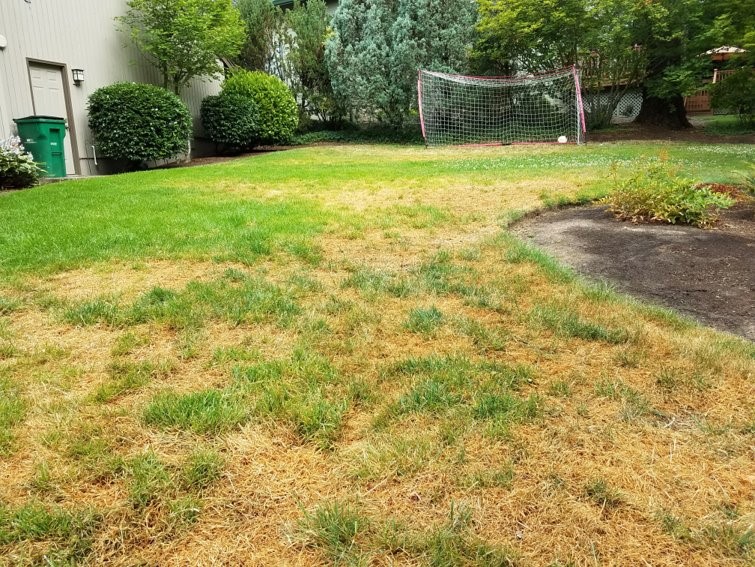
Image Source: www.landscapeeast.com
Deciphering the Culprits: A Look at Common Causes
Identifying the exact reason for your lawn’s distress is the first step to effective treatment. Several factors can contribute to localized lawn damage. Let’s explore them in detail.
Environmental Stressors: Weather and Water Woes
The weather plays a significant role in lawn health. Extreme conditions, whether too hot, too cold, too wet, or too dry, can stress grass and make it susceptible to damage.
Underwatering: The Thirst of Your Turf
When grass doesn’t receive enough water, it begins to show signs of dehydration.
- Symptoms: Patches of grass turn a dull green, then a straw-like brown. The blades may curl or fold. Footprints will remain indented in the lawn long after you’ve walked on it.
- Why it happens: Prolonged dry spells, insufficient rainfall, or sprinklers that don’t reach deep enough into the soil can lead to underwatering. Shallow-rooted grasses are particularly vulnerable.
- Solutions: Water your lawn deeply and less frequently. Aim for about 1 inch of water per week, including rainfall. Water in the early morning to minimize evaporation. Aerating your soil can help water penetrate deeper.
Overwatering: The Drowning of Your Roots
Too much of a good thing can be bad for your lawn. Excessive watering can suffocate grass roots and create an environment ripe for disease.
- Symptoms: Grass may appear a bluish-green or grayish-green before turning brown. You might see yellow patches on grass that are soft and spongy.
- Why it happens: Frequent, shallow watering, poorly draining soil, or watering during the wrong times of day can lead to overwatering. This can also contribute to fungus on lawn issues.
- Solutions: Reduce the frequency and duration of watering. Ensure your sprinklers are set correctly and not overlapping excessively. Check your soil for drainage issues.
Poor Drainage: Soggy Soil Woes
When water can’t escape the soil effectively, it creates waterlogged conditions that are detrimental to grass roots.
- Symptoms: Areas of the lawn remain persistently wet, often developing thin or bare spots. You might see algae or moss growth.
- Why it happens: Poor drainage can be caused by compacted soil, heavy clay soil, or a low-lying area in your yard.
- Solutions: Aerate your lawn to improve soil structure. Amend heavy clay soils with organic matter like compost. Consider installing a drainage system if the problem is severe.
Nutrient Deficiencies: The Hunger of Your Lawn
Just like any living thing, grass needs essential nutrients to thrive. A lack of these can manifest as patchy growth.
- Symptoms: Uniform yellowing or light green color across affected areas, often accompanied by slow growth. You might see yellow patches on grass that aren’t necessarily due to disease.
- Why it happens: Soil can become depleted of nutrients over time, especially if it hasn’t been fertilized. Incorrect soil pH can also prevent grass from absorbing available nutrients.
- Solutions: Get a soil test to determine which nutrients are lacking. Apply a balanced fertilizer appropriate for your grass type and the season. Adjust soil pH if necessary.
Soil Compaction: Restricted Root Growth
When soil becomes too dense, it restricts air, water, and nutrient flow to the grass roots.
- Symptoms: Grass appears stunted and thin, with a tendency to die back in high-traffic areas. You might see yellow patches on grass that resist normal growth.
- Why it happens: Heavy foot traffic, the use of heavy equipment, or poor soil structure can lead to soil compaction.
- Solutions: Aerate your lawn annually or bi-annually. Reduce foot traffic on the lawn, especially when the ground is wet. Top-dress with compost to improve soil structure.
Pest Infestations: Unwanted Guests in Your Yard
Insects and other pests can wreak havoc on lawns, creating distinct patches of damage as they feed on grass blades, roots, or stems.
Grub Damage: The Root of the Problem
Grubs are the C-shaped larvae of various beetles. They live in the soil and feed on grass roots, causing significant damage.
- Symptoms: Irregular brown or yellowish patches that may feel spongy underfoot. Large sections of sod can be easily lifted as if it were a carpet, revealing the grubs. This is classic grub damage.
- Why it happens: Adult beetles lay their eggs in the soil during the summer months. The grubs hatch and begin feeding on roots.
- Solutions: Identify the type of grub by digging a small section of affected turf. Use grub control products when grubs are present and actively feeding. Beneficial nematodes or milky spore can be used as biological controls.
Chinch Bugs: Tiny Terrors
These small, piercing-sucking insects feed on grass blades, injecting a toxin that causes damage.
- Symptoms: Irregular, brown patches that often start in sunny areas and spread outwards. The damage can resemble drought stress. You might see yellow patches on grass due to their feeding.
- Why it happens: Chinch bugs are more common in warm weather and thrive in dense, unhealthy turf.
- Solutions: Look for chinch bugs in the thatch layer or at the base of grass blades. Apply insecticidal soap or specific chinch bug treatments. Improve lawn health by proper watering and aeration to deter them.
Armyworms and Sod Webworms: Leaf Eaters
These caterpillars feed on grass blades, often at night.
- Symptoms: Patches of unevenly chewed or thinned grass. You might see grass blades that look “shredded.”
- Why it happens: These pests can multiply rapidly, especially in warm, humid conditions.
- Solutions: Look for caterpillars in the thatch. Apply insecticidal treatments if a significant infestation is present. Encouraging natural predators like birds can also help.
Lawn Diseases: The Silent Attackers
Fungal pathogens are a common cause of localized lawn damage. Warm, humid conditions often promote the growth of fungus on lawn.
Brown Patch: A Fungal Foe
This fungal disease commonly affects cool-season grasses like fescue and bluegrass.
- Symptoms: Circular or irregular patches of straw-colored or brown grass, often with a darker green or grayish ring around the edge. During humid mornings, you might see a smoky or cobweb-like growth on the affected blades. This is a classic sign of fungus on lawn.
- Why it happens: Caused by the fungus Rhizoctonia solani, it thrives in hot, humid weather with high nitrogen levels in the soil.
- Solutions: Water in the morning to allow the grass to dry before nightfall. Avoid over-fertilizing, especially with high-nitrogen fertilizers during hot weather. Apply a fungicide labeled for brown patch control.
Dollar Spot: Small but Mighty
Another common fungal disease, dollar spot creates small, sunken spots in the turf.
- Symptoms: Small, straw-colored spots, roughly the size of a silver dollar, that can merge to form larger dead areas. You might see yellow patches on grass that are dry and brittle.
- Why it happens: Caused by the fungus Sclerotinia homoeocarpa, it favors moderate temperatures and humidity, especially when nitrogen levels are low.
- Solutions: Improve overall lawn health by proper fertilization and watering. Aeration can help reduce thatch, where the fungus often overwinters. Fungicides can be used for treatment.
Powdery Mildew: A Surface Scourge
This fungal disease typically affects shaded areas or lawns with poor air circulation.
- Symptoms: A white, powdery substance on the grass blades. Affected areas may turn yellow or brown and thin out.
- Why it happens: Favors shady conditions, high humidity, and poor air movement.
- Solutions: Improve air circulation by pruning trees and shrubs that cast shade. Reduce watering frequency. Apply a fungicide if necessary.
Summer Patch and Anthracnose: More Fungal Threats
These are other common fungal diseases that can cause distinct patterns of dead or discolored grass.
- Summer Patch: Creates sunken, circular patches that can be reddish-brown. It’s often seen in hot, humid weather.
- Anthracnose: Typically appears as irregular brown or tan patches, often in low-lying or poorly drained areas. The affected grass may look water-soaked initially.
Table 1: Common Lawn Diseases and Their Symptoms
| Disease Name | Typical Appearance | Key Contributing Factors |
|---|---|---|
| Brown Patch | Circular patches with dark ring, straw-colored | Heat, humidity, high nitrogen |
| Dollar Spot | Small, sunken straw-colored spots | Moderate temps, humidity, low nitrogen |
| Powdery Mildew | White powdery substance on blades, yellowing | Shade, humidity, poor air circulation |
| Summer Patch | Sunken, circular patches, reddish-brown | Heat, humidity |
| Anthracnose | Irregular brown/tan patches, water-soaked look | Low-lying areas, poor drainage, humidity |
Improper Lawn Care Practices: Mistakes We Make
Sometimes, the damage to your lawn is a result of well-intentioned but misguided lawn care efforts.
Mowing Too Short: Stressing the Blades
Cutting your grass too short removes too much of the blade, impacting its ability to photosynthesize and absorb nutrients.
- Symptoms: Grass may turn yellow or brown, especially during hot weather. The lawn will be more susceptible to drought, pests, and diseases.
- Why it happens: Using a mower set too low or scalping the lawn.
- Solutions: Always follow the “one-third rule” – never remove more than one-third of the grass blade length at a time. Adjust your mower height to a higher setting, typically 3-4 inches for most cool-season grasses.
Over-Fertilizing: A Nitrogen Overload
While fertilizer is essential, too much can burn the grass.
- Symptoms: Grass blades turn brown or yellow, with distinct brown or bleached-looking patches. This is often referred to as fertilizer burn.
- Why it happens: Applying fertilizer at too high a rate or not watering it in properly.
- Solutions: Always follow the instructions on the fertilizer packaging. Water your lawn thoroughly after applying fertilizer to help it dissolve into the soil and prevent burning.
Incorrect Weed Killer Application: Unintended Damage
Some herbicides can harm your lawn if not used correctly.
- Symptoms: Similar to fertilizer burn, with brown or yellow patches where the herbicide was applied.
- Why it happens: Applying the wrong type of weed killer for your grass type, using too much, or applying it during extreme temperatures.
- Solutions: Always read and follow label instructions carefully. Identify your grass type before using any herbicide. Avoid spraying during hot, dry, or windy conditions.
Identifying the Problem: A Step-by-Step Approach
To effectively treat your lawn, you need to pinpoint the cause of the dying spots.
Step 1: Observe the Pattern
- Are the spots circular, irregular, or spreading from a central point? Circular patches often suggest fungus on lawn or certain insect activity. Irregular patches might be due to grub damage or localized underwatering.
- Are the spots in sunny or shady areas? Some diseases and pests prefer specific conditions.
- Are the spots near sidewalks or driveways? Heat radiating from these surfaces can cause drought stress.
Step 2: Inspect the Grass Blades and Roots
- Pull on the affected grass. If it lifts easily, it’s a strong indicator of grub damage because the roots have been eaten.
- Look for any visible signs of insects, eggs, or webbing at the base of the grass blades or in the thatch.
- Check for discoloration or unusual textures on the blades themselves.
Step 3: Examine the Soil
- Is the soil excessively dry or soggy? This points to underwatering or overwatering and potentially poor drainage.
- Feel the soil for compaction. Does it feel hard and dense?
- Dig a small sample to check for the presence of grubs or other soil-dwelling pests.
Step 4: Consider Recent Lawn Care Activities
- Have you recently fertilized, applied pesticides, or made any other changes? This can help identify potential causes like fertilizer burn or herbicide damage.
Solutions and Prevention: Restoring and Maintaining a Healthy Lawn
Once you’ve identified the likely cause, you can implement the appropriate solutions. Prevention is key to maintaining a healthy lawn year-round.
Addressing Specific Issues
- For Drought Stress/Underwatering: Water deeply and less frequently. Ensure your irrigation system covers the entire lawn adequately.
- For Overwatering/Poor Drainage: Reduce watering frequency and duration. Aerate your soil to improve water penetration. Consider soil amendments or drainage solutions if needed.
- For Nutrient Deficiencies: Conduct a soil test and fertilize accordingly.
- For Soil Compaction: Aerate your lawn regularly.
- For Grub Damage: Apply a grub control product at the appropriate time of year. Consider natural predators.
- For Fungal Diseases: Improve air circulation and watering practices. Apply a fungicide labeled for the specific disease.
- For Fertilizer Burn: Water the affected area thoroughly to help dilute the fertilizer.
Proactive Lawn Care for a Resilient Yard
- Regular Mowing: Mow at the correct height for your grass type and never remove more than one-third of the blade at a time.
- Proper Watering: Water deeply and infrequently, typically 1 inch per week, including rainfall. Water in the morning.
- Balanced Fertilization: Fertilize based on soil test results and at the appropriate times of the year.
- Aerate and Dethatch: Periodically aerate your lawn to reduce soil compaction and dethatch to remove excess thatch, which can harbor pests and diseases.
- Overseed: Fill in thin or bare spots with quality grass seed to prevent weed encroachment and improve turf density.
- Integrated Pest Management (IPM): Use a combination of cultural, biological, and chemical controls to manage pests and diseases, prioritizing the least toxic options.
Frequently Asked Questions (FAQs)
Q: Why do I have yellow patches on grass after winter?
A: Yellow patches on grass after winter can be due to a few reasons. Dormant grass in colder climates will naturally turn yellow or brown. However, if the patches remain yellow and don’t green up in the spring, it could be due to winter desiccation (drying out), damage from snow mold (a fungal disease), or compacted soil from snow plows.
Q: Can I have both fungus on lawn and pest infestations at the same time?
A: Yes, it’s quite common. Stressed lawns, whether from drought, overwatering, or nutrient deficiencies, are more susceptible to both fungal diseases and pest infestations. For instance, grub damage weakens the grass, making it easier for fungus on lawn to take hold.
Q: How often should I water my lawn to prevent issues like underwatering or overwatering?
A: The general recommendation is to water deeply once or twice a week, providing about 1 inch of water per application. The exact frequency and duration depend on your climate, soil type, and grass species. It’s better to water less often but more thoroughly to encourage deep root growth.
Q: My lawn has brown spots, but I don’t see any bugs. What else could it be?
A: Besides insect damage, brown spots can be caused by lawn diseases, fertilizer burn, underwatering, soil compaction, or even pet urine. Inspecting the area closely for fungal growth, checking the soil moisture, and considering recent lawn care activities can help you diagnose the problem.
Q: What is the best time of year to treat for grubs?
A: The most effective time to treat for grub damage is when the grubs are actively feeding near the soil surface. This is typically in late summer or early fall, or sometimes in early spring as they emerge from dormancy. Always check product labels for specific timing recommendations.
By carefully observing your lawn, investigating the symptoms, and applying the correct treatments, you can effectively combat those unsightly dying spots and restore your lawn to its former glory. Remember that a healthy, well-maintained lawn is your best defense against many common problems.