
Can you fix brown spots on your lawn quickly? Yes, you can address brown spots on your lawn fast by identifying the cause, applying the right treatments, and implementing consistent lawn care practices. This guide will walk you through the steps to revive your lawn and keep it looking its best.
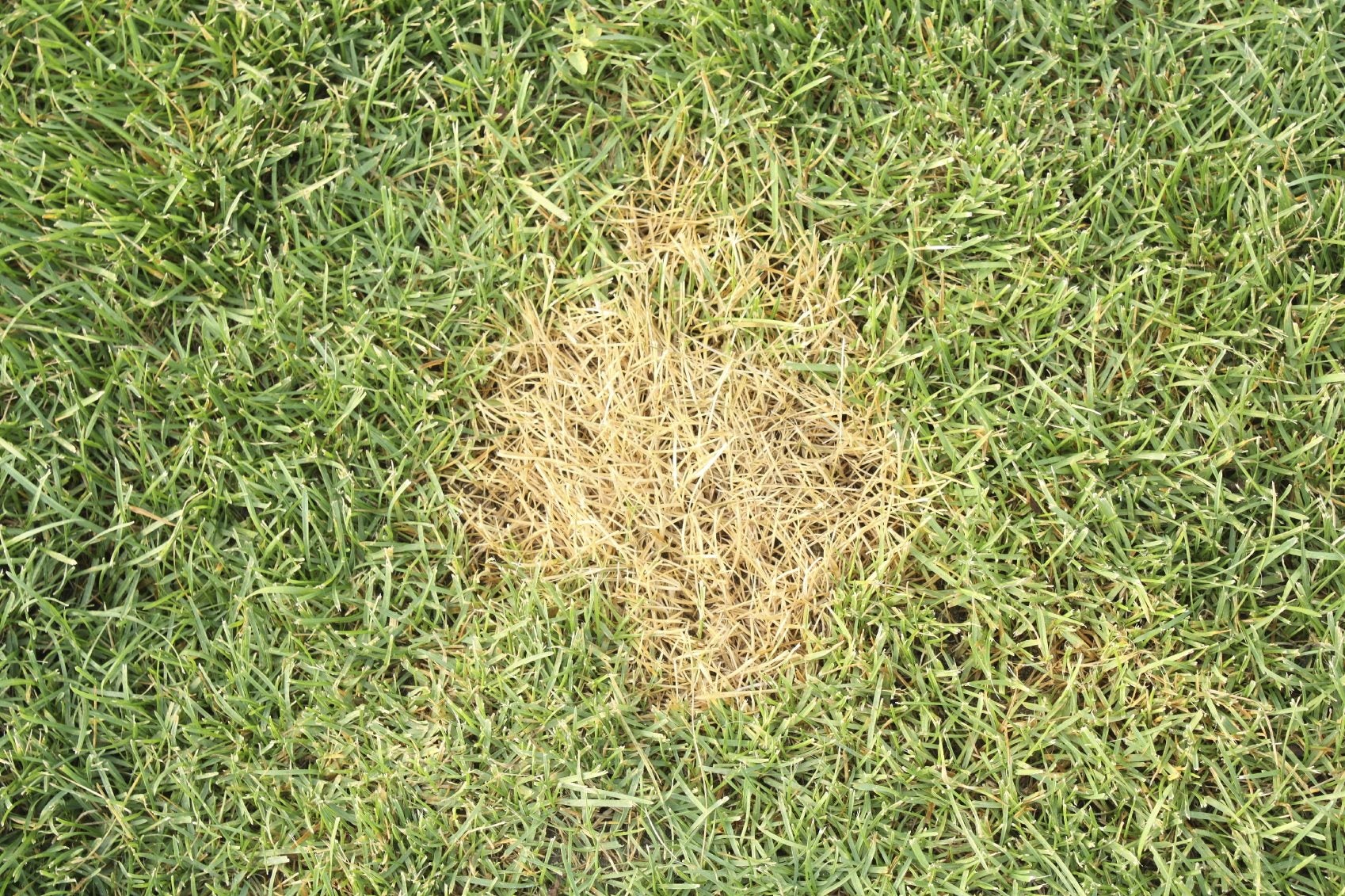
Image Source: cdn.mos.cms.futurecdn.net
Deciphering Brown Lawn Patches Causes
Brown spots on your lawn can be frustrating, but they’re usually a sign that something isn’t quite right. Let’s explore the common reasons your grass might be turning brown.
Environmental Factors
Sometimes, the weather is the culprit.
- Heat and Drought: When temperatures soar and rainfall is scarce, grass can go into dormancy. This isn’t usually fatal, but it can make the lawn turn brown and crispy. If you’ve had a long dry spell, this is a likely cause.
- Frost and Freeze Damage: Sudden cold snaps or late frosts can damage grass blades, causing them to turn brown.
- Over- or Under-watering: It might seem counterintuitive, but both too much and too little water can lead to brown spots. Overwatering can suffocate the roots, while underwatering leaves the grass thirsty and stressed.
Pests and Diseases
Tiny invaders can wreak havoc on your turf.
- Insect Infestations: Grubs, chinch bugs, and sod webworms are common lawn pests that feed on grass roots and blades, leaving behind dead, brown patches. You might notice the grass pulls up easily like a carpet if grubs are the problem.
- Lawn Diseases: Many types of lawn fungus can cause brown spots. Lawn disease identification is key here. Common culprits include brown patch, dollar spot, and pythium blight. These often appear as circular or irregular patches of brown or discolored grass.
Other Common Culprits
Don’t overlook these everyday issues.
- Improper Mowing: Mowing too short can stress the grass, making it susceptible to browning. Dull mower blades can also tear the grass, leaving ragged edges that turn brown.
- Compacted Soil: When soil becomes too hard, water and air can’t reach the grass roots. This lack of oxygen and moisture leads to browning.
- Pet Urine: Dog urine is high in nitrogen, which can scorch the grass and create distinct brown spots.
- Fertilizer Burn: Applying too much fertilizer or applying it unevenly can burn the grass, resulting in brown patches.
- Heavy Traffic: Constant foot traffic or the weight of heavy objects can compact the soil and damage the grass roots.
- Chemical Spills: Gasoline, paint, or other chemical spills can instantly kill grass, leaving dead, brown areas.
- Poor Soil Quality: If your soil lacks essential nutrients, your grass will struggle to thrive and may develop brown spots.
Fast Fixes for Brown Spots
Once you know why your lawn is brown, you can choose the right solution. Here’s how to tackle those brown spots quickly.
Addressing Watering Issues
Proper hydration is crucial for a healthy lawn.
- Proper Lawn Watering: Water deeply and less frequently. Aim for about 1 inch of water per week, applied in the early morning to minimize evaporation. This encourages deeper root growth, making the grass more resilient. If you have brown patches, check the soil moisture. If it’s dry a few inches down, it’s time to water.
- Adjusting Watering Schedules: If you’ve been watering too much or too little, adjust your schedule. Consider using a rain gauge to ensure you’re not overwatering.
Dealing with Pests and Diseases
Taking action against these invaders is vital.
- Lawn Disease Identification: First, try to identify the specific disease. Look for patterns, color variations, and any visible fungal growth. Online resources and local garden centers can help with lawn disease identification.
- Lawn Fungus Treatment: For fungal issues, a lawn fungus treatment is necessary. Fungicides can help, but it’s important to choose the right one for the specific disease. Follow product instructions carefully. For example, if you suspect brown patch, specific fungicides are effective.
- Pest Control: If insects are the problem, use appropriate insecticides. Look for signs of grub activity by lifting sections of turf. Treat with an insecticide labeled for the specific pest.
Revitalizing Damaged Areas
Sometimes, you need to give the grass a helping hand.
- Grass Patch Repair: For smaller brown patches, grass patch repair is a straightforward solution.
- Remove Debris: Rake out any dead grass, weeds, or debris from the affected area.
- Loosen Soil: Lightly till the soil to a depth of 2-3 inches.
- Add Topsoil: Mix in a thin layer of good quality topsoil if needed.
- Seed or Sod: Sow grass seed suitable for your climate and grass type, or lay down a piece of sod.
- Water Gently: Keep the area consistently moist until the new grass establishes.
- Overseeding Bare Spots: If you have larger areas that are completely bare, overseeding bare spots is a great way to fill them in. Choose a seed blend that matches your existing lawn.
Mowing and Soil Care
Smart practices prevent future problems.
- Correct Mowing Height: Always mow at the higher end of the recommended height for your grass type. This shades the soil, keeping it cooler and moister, and helps prevent weed growth.
- Sharp Mower Blades: Ensure your mower blades are sharp. This makes clean cuts that heal quickly, preventing browning at the tips.
- Lawn Aeration Benefits: Compacted soil is a major issue. Lawn aeration benefits include improving air, water, and nutrient penetration to the roots. This relieves compaction and promotes healthier growth. Aerate in the spring or fall when grass is actively growing.
- Dethatching: A thick layer of thatch (dead grass and organic matter) can also block water and nutrients. Dethatch if the thatch layer is more than half an inch thick.
Fertilizing and Nutrient Management
Giving your lawn the right food is essential.
- Lawn Fertilizing Schedule: A consistent lawn fertilizing schedule provides the nutrients your grass needs. This typically involves fertilizing in the spring, summer, and fall. Use a slow-release fertilizer to avoid burning the grass.
- Nutrient Imbalances: If you suspect nutrient deficiencies, a soil test can reveal what your lawn is missing. Adjust your fertilizing plan accordingly.
- Treating Yellow Grass Treatment: Sometimes, brown spots are preceded by yellowing. Yellow grass treatment often involves proper watering and fertilization. Yellowing can indicate a lack of nitrogen or iron.
Step-by-Step Guide to Repairing Brown Spots
Let’s put it all together into actionable steps.
Step 1: Diagnose the Problem
Before you grab any tools, figure out what’s causing the brown spots.
- Examine the Spots:
- Size and Shape: Are they small, circular, or irregular?
- Texture: Is the grass dry and brittle, or does it feel matted down?
- Surrounding Area: Are there signs of pests like chewed blades or visible insects?
- Pattern: Do the spots appear randomly, or in a specific pattern (e.g., rings)?
- Check Soil Moisture: Stick your finger or a screwdriver into the soil. Is it dry, moist, or waterlogged?
- Consider Recent Activities:
- Have you fertilized recently?
- Has there been a heatwave or drought?
- Did your dog recently urinate in that spot?
- Have you spilled anything?
Step 2: Implement the Corrective Action
Based on your diagnosis, take the appropriate steps.
- If it’s Drought/Heat Stress: Water deeply and consistently. Consider mulching around trees and shrubs to retain soil moisture.
- If it’s Pests: Apply an appropriate insecticide. Follow the label instructions carefully.
- If it’s Fungal Disease: Identify the disease and apply a lawn fungus treatment. Ensure good air circulation and proper watering to prevent future outbreaks.
- If it’s Pet Urine: Flush the area with plenty of water immediately after your pet urinates. For existing spots, you may need to reseed.
- If it’s Fertilizer Burn: Water the area thoroughly to dilute the fertilizer. If the grass is severely burned, you may need to remove the dead grass and reseed.
- If it’s Compaction: Aerate the lawn. This is a crucial step for overall lawn health.
- If it’s Mowing Issues: Adjust your mower height and ensure blades are sharp.
Step 3: Repair the Damaged Areas
Once the underlying cause is addressed, focus on repairing the brown spots themselves.
- For Small Spots:
- Rake out dead grass.
- Loosen the soil lightly.
- Add a quality grass seed blend suitable for your lawn.
- Cover lightly with peat moss or a thin layer of compost to retain moisture.
- Keep the seeded area consistently moist until germination and establishment.
- For Larger Bare Areas:
- Prepare the soil as described above.
- Use overseeding bare spots techniques. You can overseed the entire lawn if it’s generally thin, or focus on the bare patches.
- Consider using a starter fertilizer to help the new grass establish quickly.
- Water gently and frequently until new grass is about 2 inches tall.
Step 4: Ongoing Lawn Care Tips for Prevention
To keep brown spots at bay, consistent lawn care tips are essential.
- Watering: Maintain a regular watering schedule, focusing on deep, infrequent watering.
- Mowing: Mow at the correct height with sharp blades. Never remove more than one-third of the grass blade at a time.
- Fertilizing: Stick to your lawn fertilizing schedule. Use slow-release fertilizers and apply them evenly.
- Aeration and Dethatching: Aerate annually or as needed to combat soil compaction. Dethatch when thatch builds up.
- Weed and Pest Control: Address weeds and pests promptly to prevent them from stressing the lawn and creating entry points for disease.
- Overseeding: Regularly overseed thin areas in the fall to maintain a dense turf that crowds out weeds and resists disease.
Advanced Techniques for a Greener Lawn
Beyond the basics, consider these for a truly robust lawn.
Soil Testing for Precision
A soil test is your secret weapon. It tells you the pH level and nutrient content of your soil.
| Nutrient | Importance for Grass | Signs of Deficiency |
|---|---|---|
| Nitrogen (N) | Leaf growth, green color | Yellowing, stunted growth |
| Phosphorus (P) | Root development, establishment | Poor root system, slow growth |
| Potassium (K) | Stress tolerance (drought, disease), overall health | Weak growth, browning edges |
| Iron (Fe) | Chlorophyll production, green color | Yellowing between veins |
- Adjusting pH: Grass thrives in a specific pH range (usually 6.0-7.0). If your soil test shows it’s too acidic or alkaline, you’ll need to amend it with lime or sulfur, respectively.
- Targeted Fertilization: Based on the soil test, you can choose fertilizers that provide the specific nutrients your lawn needs, avoiding over-application of unnecessary elements.
Overseeding for Resilience
Overseeding bare spots is not just for repair; it’s a preventative measure.
- When to Overseed: The best time to overseed is in the fall, allowing the new seed to establish with cooler temperatures and adequate moisture before the stress of summer heat. Spring overseeding is also possible but requires more careful management.
- Choosing the Right Seed: Select a grass variety that is well-suited to your climate, soil conditions, and the amount of sunlight your lawn receives. Consider a blend of different species for a more resilient lawn.
- Preparation: Lightly scarify or aerate the lawn before overseeding to ensure good seed-to-soil contact.
Aeration for Root Health
Lawn aeration benefits extend to creating a foundation for future growth.
- How it Works: Aeration involves pulling small plugs of soil out of the ground, creating holes that allow air, water, and nutrients to penetrate deeply into the root zone.
- Benefits:
- Reduces soil compaction.
- Improves water infiltration and drainage.
- Allows oxygen to reach the roots.
- Enhances fertilizer uptake.
- Promotes deeper root growth, making the grass more drought-tolerant.
- Timing: Aerate when your grass is actively growing. For cool-season grasses (like fescue and bluegrass), this is typically in the fall. For warm-season grasses (like Bermuda and Zoysia), spring is best.
Choosing the Right Fertilizer
Your lawn fertilizing schedule should be strategic.
- Slow-Release vs. Quick-Release: Slow-release fertilizers provide a steady supply of nutrients over several weeks, reducing the risk of burning the lawn and promoting even growth. Quick-release fertilizers give a fast green-up but can be easily over-applied.
- NPK Ratio: The three numbers on a fertilizer bag (e.g., 10-10-10) represent Nitrogen (N), Phosphorus (P), and Potassium (K). A soil test will help you determine the ideal ratio for your lawn.
- Application: Always follow the recommended application rates on the fertilizer bag. Use a spreader for even distribution.
Frequently Asked Questions (FAQ)
Here are answers to common questions about repairing brown spots.
Q1: How quickly can I expect to see results after treating brown spots?
A: The speed of repair depends on the cause and the treatment. For minor issues like overwatering or pet spots, you might see improvement within a week or two with proper care. For pest or disease issues, it could take several weeks. Reseeding or sodding will take anywhere from 2-6 weeks for establishment, depending on the grass type and conditions.
Q2: Can I just water the brown spots?
A: Watering is essential, but it’s not always the sole solution. If the brown spots are due to pests, diseases, or compacted soil, watering alone won’t fix the underlying problem. However, if the cause is simply dry soil, proper watering can revive the grass quickly.
Q3: What is the best time of year to repair brown spots?
A: The best time to repair brown spots, especially through seeding or overseeding, is typically in the fall. This allows new grass to establish in cooler temperatures and with more consistent moisture. Spring is also a good time, but it requires more attention to watering to combat summer heat.
Q4: My lawn has yellow grass treatment needs. What should I do?
A: Yellow grass often indicates a nutrient deficiency, usually nitrogen or iron. Ensure your lawn fertilizing schedule is up to date and that you’re using a balanced fertilizer. If the yellowing persists, consider a foliar iron spray for a quick boost of greenness, but address the underlying nutrient or watering issues for long-term health.
Q5: Is aeration necessary if I don’t have compacted soil?
A: While lawn aeration benefits are most pronounced in compacted soil, it’s still a beneficial practice for most lawns. It helps improve the overall health and vigor of your turf by ensuring better access to essential elements for the roots. It’s a good preventative maintenance step.
Q6: How do I identify lawn fungus treatment needs?
A: Lawn disease identification is the first step. Look for distinct patterns of browning, discoloration, or wilting that aren’t explained by other factors like lack of water or pests. Many fungal diseases have specific visual cues. Once identified, select a lawn fungus treatment specific to that disease. Consulting a local extension office or lawn care professional can also help with identification.
By following these detailed steps and lawn care tips, you can effectively combat brown spots and restore your lawn to its lush, green glory. Remember, consistency and proper diagnosis are key to a healthy, beautiful lawn.