
Can you still play lawn darts? Yes, you can still play lawn darts, though with important safety considerations and updated rules to ensure everyone has a great time! This guide will walk you through the exciting world of lawn darts, detailing how to play this classic target toss game, commonly enjoyed as one of the best backyard games.
Lawn darts, also known as Jarts, is a delightful outdoor game that brings people together for some friendly competition. It’s a game of skill, a bit of luck, and a whole lot of outdoor fun. Whether you’re dusting off a vintage lawn dart set or trying out a modern, safer version, the core gameplay remains the same: tossing weighted darts at targets to score points.
This article will delve into the essential lawn dart rules, explain how to throw lawn darts effectively, and explore the variations that make this lawn dart game so enduringly popular. We’ll cover everything from setting up your game to keeping score, ensuring you’re ready for a fantastic day in the sun with this classic garden dart game.
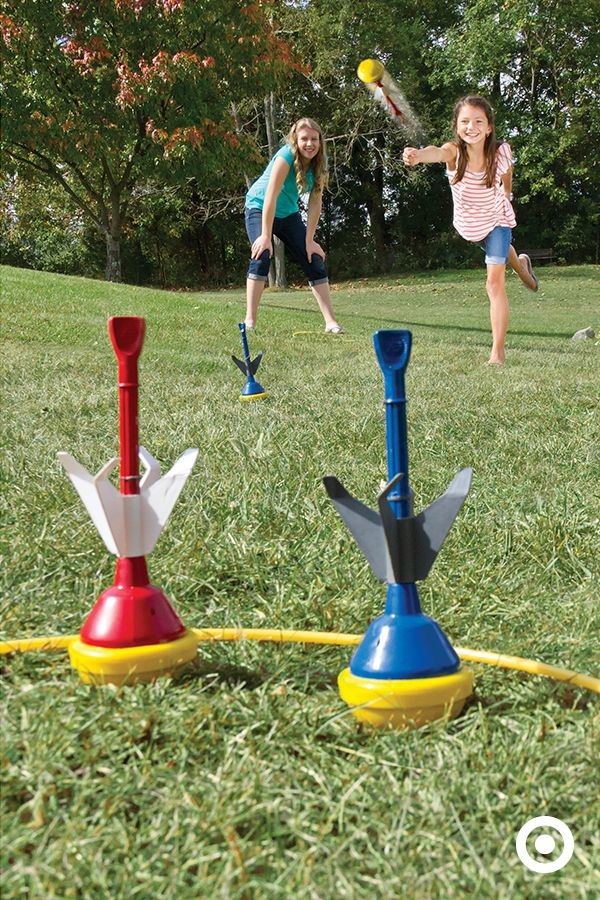
Image Source: hbhspe.weebly.com
The Basics of the Lawn Dart Game
At its heart, the lawn dart game is about accuracy and strategy. Players take turns throwing their lawn darts, aiming to land them within or around designated scoring rings. The simplicity of the objective makes it accessible to almost everyone, from young children to seasoned adults.
What You Need to Play
To start your lawn dart adventure, you’ll need a few key items:
- Lawn Dart Set: This typically includes at least four darts (two of each color) and two target rings or bases. Modern sets are designed with safety in mind, often featuring softer tips or ring-shaped targets. If you have a vintage lawn dart set, be sure to handle it with extra care due to the original pointed tips.
- Playing Area: A relatively flat, open space is ideal. A backyard, park, or beach works perfectly. Ensure the area is free of obstacles and people who aren’t playing.
- Measuring Tool (Optional but helpful): A tape measure can be useful for establishing a consistent throwing distance.
Setting Up Your Game
Setting up is straightforward and quick, allowing you to spend more time playing and less time preparing.
- Establish the Throwing Line: Decide on your throwing distance. For a standard game, a distance of 15-20 feet (4.5-6 meters) is common. You can adjust this based on the age and skill level of the players. A rope or marking can help create a consistent throwing line for all players.
- Place the Target Rings: Position the target rings at opposite ends of the playing area, with the throwing line in between. The rings should be spaced apart, creating a clear target zone.
- Assign Darts: Each player or team chooses a color of darts to use.
How to Throw Lawn Darts: Mastering the Technique
Learning how to throw lawn darts is more about a smooth, controlled motion than brute force. The goal is to get the dart to arc gracefully towards the target.
Gripping the Dart
- Secure Hold: Hold the dart firmly but not too tightly. Most players grip the shaft of the dart, similar to how you might hold a regular dart or a large pen.
- Finger Placement: Your index finger and thumb usually provide the primary grip, with other fingers offering support along the shaft. Experiment to find what feels most comfortable and allows for a controlled release.
The Throwing Motion
The throwing motion is a fluid, underhand toss. Think of it as a gentle underhand pitch in baseball or a gentle lob in volleyball.
- Stance: Stand with your feet shoulder-width apart, facing the target. You can stand with your dominant foot slightly forward.
- Backswing: Bring the dart back behind you, keeping your arm relatively straight but relaxed. The height of your backswing can influence the arc of the dart.
- Forward Swing and Release: Swing your arm forward in a smooth, upward motion. Release the dart at roughly eye level or slightly higher, aiming to create a gentle arc that carries it towards the target ring. The key is to release the dart smoothly, allowing it to fly without wobbling.
- Follow-Through: After releasing the dart, let your arm continue its natural motion upwards. This helps ensure a consistent and controlled throw.
Tips for Better Accuracy
- Practice Your Arc: The ideal arc will cause the dart to land softly within or near the ring. Too flat, and it might skip; too high, and it might overshoot.
- Aim for the Center: While hitting the ring scores points, aiming for the center of the ring is a good strategy for consistent scoring.
- Wind Conditions: Be mindful of wind. You may need to adjust your aim and throwing strength if it’s windy. A slight headwind might require a bit more power, while a tailwind might require a softer toss.
- Consistency is Key: The more you practice, the more consistent your throws will become.
Lawn Dart Rules: Scoring and Gameplay
The beauty of the lawn dart game lies in its straightforward scoring system, which can be adapted for different skill levels. Here are the standard lawn dart rules:
Standard Scoring
Points are awarded based on where the darts land in relation to the target rings.
- Direct Hit (Bullseye): If a dart lands directly inside the larger target ring, it scores 3 points.
- Within the Ring: If a dart lands within the larger target ring but not directly inside it, it scores 1 point.
- Target Ring Stuck: If a dart lands and sticks into the ground or target base within the larger target ring, it also scores 3 points (effectively a bullseye).
How to Score a Round
- After all players have thrown their darts for the round, points are tallied.
- Only one player or team can score per round. The player or team with the highest score in a round gets those points. If there’s a tie for the highest score, no points are awarded for that round.
- Darts that don’t land within or on the target rings score zero points.
- Darts that knock an opponent’s dart out of the scoring zone do not change the scoring for the opponent. Your dart’s position at the end of the round is what matters.
Winning the Game
The game is typically played to a predetermined score, often 21 points. The first player or team to reach or exceed 21 points wins.
- Busting: If a player’s score goes over 21 points, their score reverts to the score they had at the beginning of that round. This adds a strategic element to the game, as you might need to adjust your throws when nearing the winning score.
Variations for Different Players
The lawn dart game can be adjusted to suit various ages and skill levels.
Junior Lawn Darts (Younger Children)
For younger players, consider these modifications:
- Shorter Distance: Reduce the throwing distance to make it easier to reach the target.
- Simpler Scoring: Award points for any dart that lands within the larger target ring, or even just for hitting the ring at all.
- No Busting Rule: Allow scores to go over 21 without penalty.
Team Play
Lawn darts is excellent for team play.
- Two Teams: Two players per team is common. Teammates stand at opposite ends, taking turns throwing.
- Alternating Throws: Team members alternate throws. For example, Player A (Team 1) throws, then Player C (Team 2), then Player B (Team 1), then Player D (Team 2).
- Team Score: Team scores are added together.
Tournament Style Lawn Darts
For a more competitive feel, you can implement tournament-style rules:
- Round Robin or Elimination Brackets: Organize players into groups for initial rounds, with winners advancing to knockout stages.
- Specific Scoring Rules: Agree on any specific scoring nuances or house rules before the tournament begins.
Safety First: Playing with Vintage Lawn Darts
It’s crucial to address safety, especially when dealing with vintage lawn dart sets. The original lawn darts from the mid-20th century often featured sharp metal tips designed to pierce the ground and hold the dart in place. This design led to injuries, and consequently, lawn darts were banned in some countries.
Modern Safety Standards
Today’s lawn dart sets are designed with safety as a priority. They often include:
- Rubber or Plastic Tips: These are much softer and safer.
- Weighted Ring Bases: Instead of sharp spikes, these sets use weighted rings that the darts aim for.
- Larger, More Stable Targets: Modern targets are often larger and more stable to prevent tipping.
Playing Safely with Any Set
Whether you have a vintage lawn dart set or a new one, always follow these safety guidelines:
- Clear the Area: Ensure no people or pets are in the path of the thrown darts or near the target area.
- Designated Throwing Zone: Only players actively throwing should be in the throwing zone.
- No Running with Darts: Never run with a dart in hand.
- Proper Gripping: Hold darts securely and away from your body.
- Supervision for Children: Always supervise children closely when playing lawn darts.
- Inspect Your Darts: Before playing, check your lawn dart set for any damage, especially if using vintage lawn darts. Ensure tips are secure and the darts are in good condition.
- Target Stability: Make sure your target rings or bases are stable and won’t easily tip over.
- Be Aware of Surroundings: Ensure you know what’s behind the target, in case a dart goes astray.
Enjoying Lawn Darts as a Great Outdoor Game
Lawn darts is more than just a game; it’s an experience. It’s about enjoying the outdoors, engaging in lighthearted competition, and creating lasting memories. Its portability and ease of setup make it a fantastic addition to any gathering, from casual backyard barbecues to family reunions.
Lawn Darts vs. Other Target Toss Games
While there are many target toss games available (like cornhole, horseshoes, or ladder toss), lawn darts offers a unique challenge. The flight and landing of the darts provide a different kind of skill test, focusing on an arcing throw rather than a sliding or lobbing motion. It’s a game that harks back to simpler times, offering a satisfyingly analog way to spend an afternoon.
The Appeal of Vintage Lawn Darts
For enthusiasts, vintage lawn darts hold a special appeal. They represent a piece of gaming history and a connection to past generations who enjoyed this lawn dart game. However, it’s crucial to remember the safety differences and play with extreme caution if using original vintage sets. Many prefer to use modern, safer versions that capture the spirit of the game without the original risks.
Making it a Full Day of Backyard Fun
Lawn darts pairs wonderfully with other outdoor activities. Consider setting up lawn darts alongside:
- Grilling or Picnics: Fuel your game with delicious food.
- Music: Create a relaxed atmosphere with some background tunes.
- Other Backyard Games: Mix in activities like frisbee, volleyball, or giant Jenga for continuous entertainment.
Frequently Asked Questions (FAQ) about Lawn Darts
Here are some common questions people ask about how to play lawn darts:
Q1: Are lawn darts still legal?
A1: In many places, original lawn darts with pointed metal tips are banned or heavily restricted due to safety concerns. However, modern versions of the game, often called “ring toss” or “target toss” games, are widely available and legal, featuring safer designs. It is always wise to check your local regulations regarding any lawn dart set you plan to use.
Q2: What is the best way to throw lawn darts?
A2: The most effective way to throw lawn darts is with a smooth, underhand motion. Think of a gentle lob or an underhand pitch. The goal is to achieve a consistent arc that allows the dart to land near the target ring. Practice your grip and release to find a consistent motion.
Q3: How far apart should the target rings be placed?
A3: A common throwing distance for lawn darts is between 15 to 20 feet (4.5 to 6 meters). You can adjust this distance based on the players’ ages and skill levels. For younger children, a shorter distance is usually better.
Q4: Can I play lawn darts on any surface?
A4: Lawn darts are best played on a relatively flat, soft surface like grass. This allows the darts to stick into the ground or land gently. Playing on hard surfaces like concrete or asphalt is not recommended, as it can damage the darts and is less safe.
Q5: How do you keep score in lawn darts?
A5: Scoring typically involves awarding points based on where the darts land in relation to the target rings. The most common system awards 3 points for a direct hit (or if the dart lands in the ring and stays upright), and 1 point for landing within the larger target ring. The player or team with the highest score in a round gets those points. The first to reach a target score, usually 21, wins. Be mindful of the “bust” rule, where going over 21 points reverts your score to what it was at the start of the round.
Q6: What are the main differences between vintage lawn darts and modern sets?
A6: The primary difference lies in the tip. Vintage lawn darts often had sharp metal tips designed to pierce the ground. Modern lawn dart sets usually feature softer rubber or plastic tips, making them significantly safer. Modern sets also tend to use weighted bases or large rings as targets, rather than the traditional spiked bases of older models.
Q7: Is lawn darts a good game for parties?
A7: Absolutely! Lawn darts is an excellent party game. It’s easy to learn, encourages interaction, and can be played by a wide range of ages. It’s a fantastic way to add some active fun to any outdoor gathering or barbecue.
Q8: How can I make the game more challenging?
A8: To increase the challenge, you can:
* Increase the throwing distance.
* Implement stricter scoring rules, like requiring darts to land within the inner ring for any points.
* Introduce a “closest to the peg” rule for tie-breaking.
* Play with a more complex dart board lawn layout if you have one.
Lawn darts remains a beloved outdoor pastime, offering a perfect blend of skill, strategy, and simple enjoyment for everyone.