
Can I keep free-range chickens in my yard safely? Yes, you absolutely can keep free-range chickens in your yard safely with the right planning and precautions.
Keeping chickens that can roam freely in your yard offers them a healthier, more natural lifestyle. They get to peck at bugs, dust bathe, and enjoy the sunshine. However, letting your feathered friends explore means you need to be smart about chicken containment. The goal is to give them freedom without compromising their safety or your property. This guide will walk you through the essential steps for successful free-range chicken management, ensuring your flock stays safe and happy.
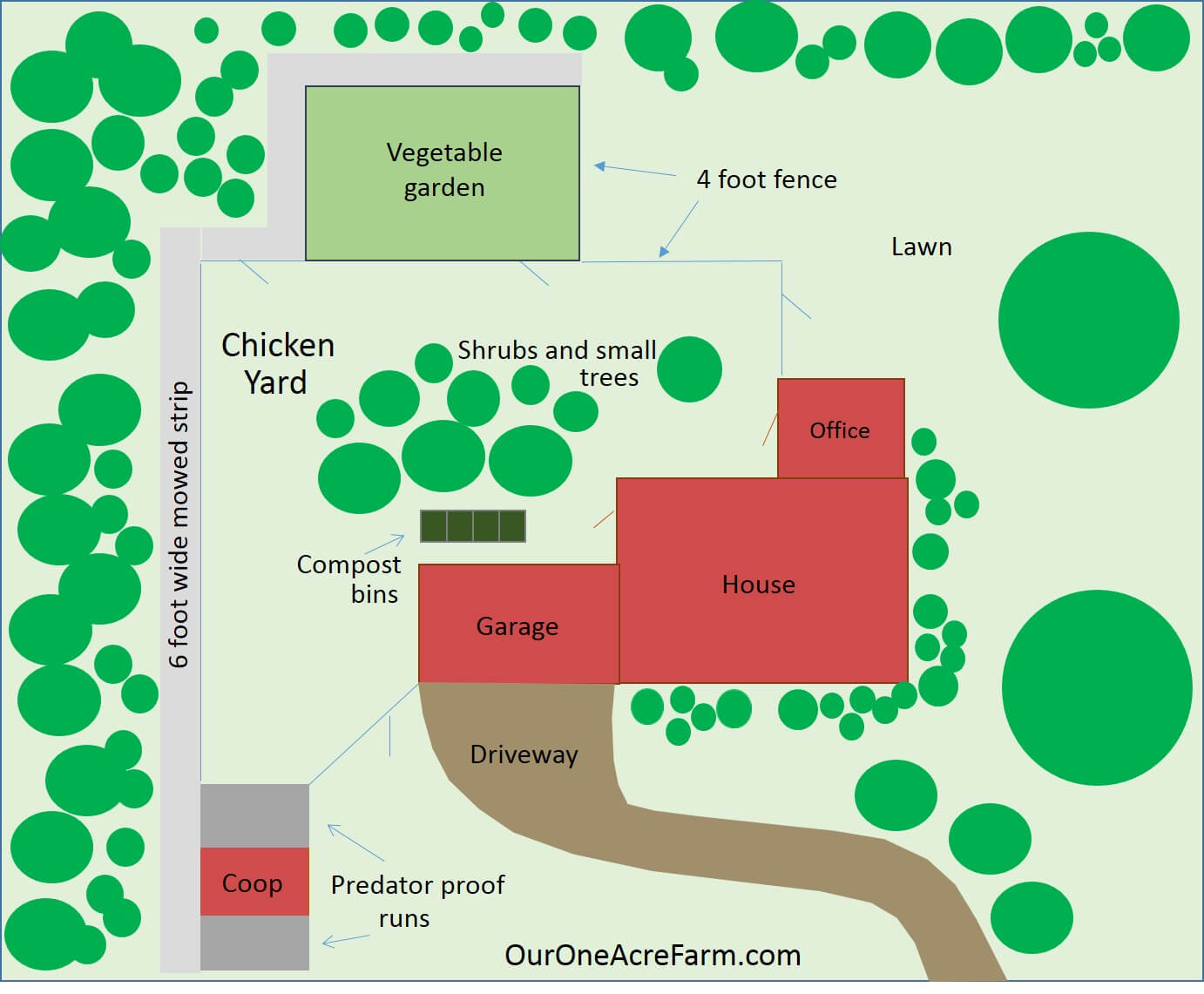
Image Source: ouroneacrefarm.com
Creating a Secure Chicken Yard Design
A well-thought-out chicken yard design is the foundation of safe free-ranging. This means more than just a simple fence; it involves strategic planning to provide both freedom and protection.
The Importance of a Secure Chicken Enclosure
Your yard needs to be a place where chickens can forage safely, away from common threats. A secure chicken enclosure is one that prevents predators from getting in and keeps your chickens from wandering into dangerous areas.
Protecting Against Predators
Predators are the biggest concern for free-range chickens. This includes everything from neighborhood dogs and cats to wild animals like foxes, raccoons, hawks, and even snakes.
-
Common Predators:
- Mammals: Foxes, coyotes, raccoons, weasels, stray dogs, stray cats, ferrets.
- Birds of Prey: Hawks, owls, eagles.
- Reptiles: Snakes (especially for chicks).
-
Predator Behavior: Predators often target chickens because they are an easy food source. They are opportunistic and will exploit any weakness in your chicken containment system. Raccoons, for example, are known for their dexterity and can open latches or reach through small openings. Hawks are a threat from above, while ground predators can dig or climb.
Defining the Free-Range Area
Decide exactly where your chickens will have the freedom to roam. This could be your entire backyard, or a designated section. It’s crucial to:
- Check your local ordinances: Some areas have rules about where chickens can be kept or if they can free-range.
- Identify hazards: Look for toxic plants, sharp objects, open water sources they could drown in (like swimming pools), or busy roads nearby.
- Communicate with neighbors: Let them know you have free-range chickens. This can prevent misunderstandings and potential issues if a chicken wanders onto their property.
Essential Elements of Your Chicken Yard
To create a safe and enjoyable space for your free-range flock, consider these key elements:
- Adequate Space: Free-range chickens need room to roam, forage, and express natural behaviors. A general guideline is at least 10-20 square feet per chicken within the fenced area. More is always better.
- Foraging Opportunities: Include areas with grass, clover, and other edible plants. Chickens love to scratch and peck for insects and greens.
- Dust Bathing Areas: Chickens need dry, dusty soil to keep their feathers clean and free of parasites. Provide a shallow box or a dedicated patch of loose dirt.
- Shade and Shelter: Especially important in hot weather, provide ample shade from trees, bushes, or man-made structures. They also need shelter from rain and wind.
Building Effective Chicken Fencing
Chicken fencing is your primary tool for keeping your flock safely within your yard. It needs to be robust enough to deter predators and strong enough to prevent your chickens from escaping.
Types of Chicken Fencing
The best type of fencing depends on your budget, the size of your yard, and the predators you’re facing.
Traditional Wire Fencing
- Hardware Cloth (1/2 inch or 1/4 inch mesh): This is often considered the gold standard for predator-proofing. Its small mesh size prevents even small predators like weasels and snakes from getting through. It’s also sturdy and durable.
- Pros: Excellent predator protection, durable.
- Cons: Can be expensive, harder to install than chicken wire.
- Chicken Wire (1-inch or 2-inch mesh): While commonly used, standard chicken wire is more for keeping chickens in than keeping predators out. Larger mesh can allow smaller predators to squeeze through. If using chicken wire, consider reinforcing it with hardware cloth at the base.
- Pros: Affordable, readily available.
- Cons: Poor predator protection against determined animals.
Electric Poultry Netting
Electric poultry netting is a versatile and effective option for temporary or semi-permanent chicken containment. It’s lightweight, easy to set up, and delivers a mild shock that deters most predators, including curious dogs and foxes.
- Pros: Highly effective at deterring predators, portable, easy to set up and move, provides a visual barrier.
- Cons: Requires an energizer (solar or plug-in), can be damaged by heavy winds or falling branches, requires proper grounding for effectiveness.
- Considerations: Ensure the netting is specifically designed for poultry, with closely spaced wires to prevent chickens from slipping through or getting their heads stuck.
Fencing Best Practices for Free Range Chicken Management
Regardless of the type of fencing you choose, follow these tips for maximum effectiveness:
- Height is Key: Fences should be at least 6 feet tall to prevent hawks from easily flying over and to deter climbing predators.
- Bury the Base: Bury the bottom of your fence at least 6-12 inches into the ground or create an outward-facing “apron” of wire mesh. This stops predators like foxes and raccoons from digging underneath.
- Apron Method: Lay chicken wire or hardware cloth flat on the ground, extending outwards from the fence line by about 1-2 feet. Secure it with garden stakes or rocks. This creates a barrier that predators are reluctant to dig under because they’d have to dig down into the wire.
- Reinforce Weak Spots: Pay close attention to gates, corners, and any areas where the fence might be less secure. Use stronger materials like hardware cloth in these spots.
- Regular Inspections: Walk the perimeter of your fence regularly to check for any holes, tears, or weaknesses. Repair them immediately.
- Secure Gates: Gates should fit snugly and have secure latches that predators cannot easily open. Consider using carabiners or special locks for extra security.
The Role of the Chicken Coop and Chicken Run
While free-ranging, chickens still need a safe place to sleep, lay eggs, and take shelter. This is where the chicken coop and chicken run come into play.
The Chicken Coop: A Safe Haven
The chicken coop is the primary overnight shelter for your flock. It must be predator-proof and provide a comfortable environment.
- Predator-Proofing the Coop:
- Sturdy Construction: Use solid wood or metal, with no gaps larger than 1/2 inch.
- Secure Latches: Use latches that raccoons and other animals can’t easily open (e.g., carabiners, slide bolts with a screw or clip).
- Hardware Cloth: Cover any ventilation openings with 1/2 inch hardware cloth, not just chicken wire.
- Elevated Coop: Raising the coop off the ground makes it harder for ground predators to access. It also offers some protection from moisture and pests.
- Roosting Bars: Chickens prefer to sleep on elevated roosts. Ensure they are wide and sturdy enough for their feet.
- Nesting Boxes: Provide private, comfortable spaces for hens to lay eggs.
- Ventilation: Good ventilation is crucial to prevent moisture buildup and ammonia fumes, but ensure openings are covered with hardware cloth.
The Chicken Run: An Extended Sanctuary
The chicken run is an enclosed outdoor area attached to the coop. It allows chickens to get fresh air and sunshine while still being protected. For free-ranging chickens, the run often serves as their primary safe zone, and the fence of your yard extends this.
- Size of the Run: Even for free-range chickens, a designated run attached to the coop is beneficial. It’s a secure place for them when you can’t supervise them directly or if you need to keep them contained for a period.
- Roofing the Run: Consider covering at least part of the run with netting or wire mesh to protect against aerial predators like hawks. This is especially important if your yard doesn’t have natural overhead cover.
- Connecting Coop and Run: Ensure the connection between the coop and run is secure and easy for chickens to access.
Implementing Chicken Deterrents
Beyond physical barriers, using chicken deterrents can add an extra layer of safety to your chicken yard design.
Natural Deterrents
- Roosters: While not always practical or desired, a rooster can be a natural deterrent. Roosters are territorial and will often alert hens to danger and may even confront smaller predators. However, they can also be noisy and aggressive towards humans.
- Noise: Random noises can sometimes startle predators. A wind chime, a radio left on low near the coop, or even a motion-activated sprinkler system can be effective.
- Smells: Some strong smells are said to deter predators. Predator urine (like coyote or fox urine) can be used cautiously. Ammonia-soaked rags placed strategically can also be a deterrent, though this needs careful placement so it doesn’t harm the chickens.
Visual Deterrents
- Scarecrows: While chickens might get used to a static scarecrow, a more dynamic one that moves in the wind might offer temporary deterrence.
- Reflective Surfaces: Shiny objects like old CDs or reflective tape hung on the fence can sometimes startle birds of prey.
- Predator Decoys: Owning a realistic-looking owl or hawk decoy placed strategically can sometimes scare off smaller birds or mammals, but predators can get wise to these over time.
Important Note on Deterrents
It’s crucial to remember that chicken deterrents are best used as a supplement to robust physical barriers like secure chicken fencing and a secure chicken enclosure. Relying solely on deterrents is risky.
Free Range Chicken Management: Daily Practices
Successful free-range chicken management involves daily vigilance and proactive steps to ensure flock safety.
Morning Routine: Letting Out Your Flock
- Check the perimeter: Before letting chickens out, do a quick visual check of your fence line and the immediate surroundings for any signs of recent predator activity (digging, tracks, disturbed areas).
- Assess the weather: On days with heavy rain or high winds, it might be safer to keep them confined to their run and coop.
- Supervise initially: Especially if you have young or new free-range chickens, supervise them for the first few hours as they explore their territory.
Afternoon and Evening: Securing the Flock
- Recall time: Most chickens will naturally return to their coop at dusk. You can encourage this by providing treats inside the coop just before sunset.
- Final count and coop check: Before it gets completely dark, do a headcount to ensure all your chickens are back in the coop. Check the coop latches and ensure everything is secure.
- Lock up: Always lock the coop securely at night.
Training Your Chickens
Chickens can be trained to stay within certain boundaries.
- Start young: Young chicks are easier to train than adult birds.
- Positive reinforcement: Offer treats inside the designated free-range area.
- Gentle redirection: If they stray too far, gently herd them back towards the safe zone. Avoid startling them.
- Consistency is key: The more consistent you are with boundaries and routines, the better they will learn.
Supervising Free-Ranging
When possible, supervise your chickens while they are out of their coop.
- Be present: Simply being in the yard with them can deter some predators.
- Observe their behavior: If they suddenly become alarmed and run for cover, there might be a threat nearby.
What If My Chickens Go Over the Fence?
Accidents can happen. If your chickens manage to breach the fence or wander off:
- Stay Calm: Panic won’t help.
- Locate Them: Try to spot them quickly.
- Gentle Herding: Try to gently herd them back towards your yard. Avoid chasing them aggressively, as this will only make them run further.
- Use Treats: If they are hesitant, try luring them back with favourite treats or scratch grains.
- Check Your Fence: Immediately inspect your fence for the breach and repair it.
- Communicate with Neighbors: If they have wandered onto a neighbor’s property, inform them politely and arrange to collect them.
Troubleshooting Common Chicken Containment Issues
- Digging Predators: If predators are digging under your fence, reinforce the base with hardware cloth or an apron.
- Climbing Predators: For climbers like raccoons, ensure your fence is tall enough and consider adding a predator baffle at the top of fence posts.
- Aerial Predators: If hawks are a problem, cover your run with netting or wire mesh.
- Chickens Escaping: If your chickens are determined escape artists, ensure your fencing is high enough, sturdy, and free of gaps. Sometimes, trimming wing feathers can help, but this is a temporary measure and can be stressful for the birds.
Conclusion: A Rewarding Experience
Keeping free-range chickens safely in your yard is a rewarding experience that requires careful planning and ongoing vigilance. By implementing strong chicken fencing, a secure chicken enclosure, and smart free-range chicken management practices, you can provide your flock with the freedom they deserve while protecting them from the many dangers they might face. A well-designed chicken yard design and thoughtful use of chicken deterrents will contribute to a happy, healthy, and safe flock. Enjoy watching your chickens thrive in their safe, expansive environment!
Frequently Asked Questions (FAQ)
Q1: How high should my chicken fence be?
A1: For free-range chickens, a fence should ideally be at least 6 feet tall to prevent most predators from easily climbing or flying over.
Q2: What is the best material for chicken fencing?
A2: Hardware cloth with 1/2-inch or 1/4-inch mesh is generally considered the best for predator protection. Chicken wire can be used but is less effective against determined predators and should be reinforced at the base.
Q3: Do I need a roof on my chicken run if my chickens are free-range?
A3: Yes, it’s highly recommended to have a roof on at least part of your chicken run. This protects against aerial predators like hawks and owls, especially if you cannot actively supervise your flock at all times.
Q4: How do I stop raccoons from getting into my chicken coop?
A4: Raccoons are clever. Use secure latches (like carabiners or slide bolts with a clip), ensure no gaps larger than 1/2 inch in the coop walls, and cover ventilation with hardware cloth. Burying the coop floor or the fence base can also deter them from digging in.
Q5: Can I use electric poultry netting for permanent free-range chicken containment?
A5: While electric poultry netting is effective and versatile, it’s often best suited for temporary or semi-permanent solutions. For a truly permanent setup, heavier gauge wire fencing might be more durable, but electric netting can certainly be part of a robust chicken containment strategy.
Q6: What are some common plants that are toxic to chickens?
A6: Some common plants toxic to chickens include azaleas, rhododendrons, foxglove, oleander, and nightshade. It’s important to identify any such plants in your yard and remove them or ensure your chickens cannot access them.
Q7: How do I train my chickens to stay within a certain area?
A7: Chickens can be trained by consistently offering treats within the desired area and gently herding them back if they stray. Starting with young birds and ensuring the area is appealing (with foraging opportunities and shelter) helps.
Q8: What is the difference between a chicken coop and a chicken run?
A8: The chicken coop is an enclosed structure where chickens sleep and lay eggs, designed for overnight safety. The chicken run is an attached outdoor enclosure that provides a secure space for chickens to exercise and get fresh air during the day.