
Can you get rid of blue jays in your yard? Yes, you can use various methods to deter blue jays and remove unwanted birds from your property. This guide will provide comprehensive bird control methods and humane blue jay removal strategies to help you manage your yard bird population.
Blue jays, with their striking blue plumage and boisterous calls, are a common sight in many North American backyards. While some people appreciate their vibrant presence, others find their behavior disruptive. They can be aggressive, loud, and may raid bird feeders intended for other species. If you’re looking to discourage blue jays or prevent blue jays nesting, this guide offers practical advice and humane solutions. Our focus is on effective yard bird management to keep birds away from areas where they are not desired, all while employing methods that are respectful to the birds.
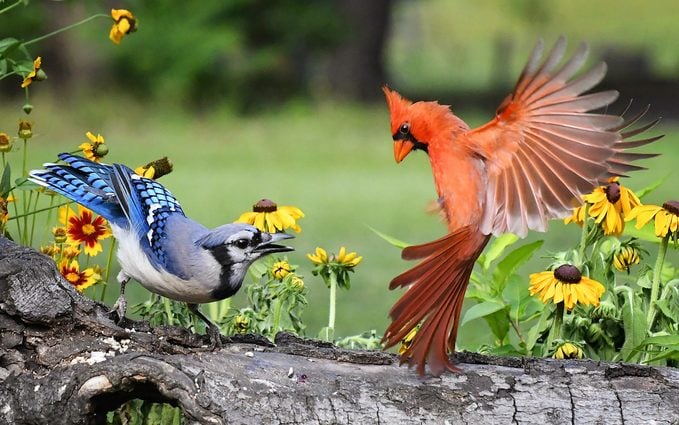
Image Source: www.birdsandblooms.com
Why Are Blue Jays a Problem in Your Yard?
Before diving into how to get rid of blue jays, it’s helpful to understand why they might be causing issues. Blue jays are intelligent and adaptable birds, which contributes to their widespread presence. However, their intelligence can also make them persistent when they’ve found a reliable food source or a suitable nesting spot.
- Aggression Towards Other Birds: Blue jays are known to be territorial and can intimidate or drive away smaller, more timid songbirds from feeders and nesting sites. This can be frustrating for those who wish to attract a variety of bird species.
- Noisy Behavior: Their loud calls, often described as raucous or squawking, can be a nuisance, especially during dawn and dusk. This is a common reason people look for ways to deter noisy birds.
- Feeder Raids: Blue jays are opportunistic feeders and will readily consume seeds, suet, and even peanuts from bird feeders. They can be quite aggressive in their pursuit of food, monopolizing feeders and scattering seed, which can lead to more mess and attract other unwanted creatures.
- Nest Predation: While they are part of the natural ecosystem, blue jays are known to prey on the eggs and nestlings of other bird species. If you have a particular interest in supporting specific songbirds, the presence of blue jays might be a concern.
- Property Damage (Rare): In very rare cases, their pecking or nesting habits might cause minor damage to property, though this is not a primary reason for wanting to remove them.
Effective Strategies to Deter Blue Jays
When you want to deter blue jays, the goal is to make your yard less appealing to them without causing harm. This involves understanding their habits and preferences and altering the environment to discourage their presence. Here are some proven bird control methods.
1. Modify Your Bird Feeders
The most common reason blue jays frequent yards is the availability of food. Making strategic changes to your feeders can be a highly effective way to deter blue jays.
Feeder Type Matters
- Tube Feeders: Opt for tube feeders with smaller perches. Blue jays are larger birds and may find these feeders difficult to cling to and feed from comfortably.
- Squirrel-Proof Feeders: Many feeders designed to deter squirrels also work well against larger birds like blue jays. These often have weight-activated perches or cages that close off access to the seed when a heavier bird lands on them.
- Sunflower Seed Feeders: While blue jays love sunflower seeds, offering them in feeders that only allow smaller birds access can be useful. For instance, feeders with enclosed cages allow smaller birds to enter and feed, but keep larger birds out.
Seed Selection
- Avoid Offering High-Calorie Seeds: While blue jays enjoy sunflower seeds, they also love peanuts and suet. Consider offering a mixed seed blend that is less attractive to them, or use feeders that dispense only safflower seeds, which many songbirds like but blue jays tend to avoid.
- Offer Foods Only Smaller Birds Can Access: Consider offering thistle (nyjer) seed. This seed is very small and is best dispensed from special thistle feeders with tiny ports that only finches and other small birds can access. Blue jays cannot eat from these.
Feeder Placement
- Locate Feeders Away from Roosting Spots: If blue jays have established favorite perching or roosting spots, try moving your feeders further away from these areas.
- Hang Feeders Strategically: Hang feeders from thin wires or in locations that are not easily accessible to larger birds.
2. Employ Visual Bird Deterrents
Visual deterrents work by startling or confusing birds, making them feel unsafe in your yard. These are often temporary solutions as birds can become accustomed to them.
Reflective and Moving Objects
- Holographic Tape: Shiny, reflective tape that moves in the wind can be very effective. The flashing light and movement can scare away birds. Hang strips of this tape from tree branches or near feeders.
- CDs or Old DVDs: Similar to holographic tape, old CDs or DVDs hung from strings can catch the sun and reflect light, startling birds.
- Mirrors: Placing small mirrors strategically in your yard can also confuse birds, as they may perceive their own reflection as a threat.
- Spinning Pinwheels: Brightly colored or metallic pinwheels that spin in the wind can create unpredictable movement that discourages birds from landing.
Decoys
- Predator Decoys: Decoys of natural predators like owls or hawks can be intimidating to blue jays. However, their effectiveness is often short-lived, as birds quickly realize they are not real threats. To maintain effectiveness, reposition decoys regularly.
- Scarecrow Figures: Traditional scarecrows, or more modern versions, can also serve as a visual deterrent. Again, movement is key, so consider options that can sway or have reflective elements.
3. Use Auditory Bird Deterrents
Sometimes, noise is the best way to deter noisy birds like blue jays.
- Ultrasonic Devices: These devices emit high-frequency sounds that are inaudible to humans but can be irritating and unsettling to birds, encouraging them to leave the area.
- Noise Makers: While not always pleasant for humans, occasional loud noises like clapping or shouting can temporarily scare blue jays away. This is more of an immediate, on-demand method than a continuous deterrent.
4. Modify the Habitat
Making your yard less attractive for blue jays can also be an effective long-term strategy.
Reduce Food Sources
- Clean Up Spilled Seed: Regularly clean up any seed that spills from feeders. This reduces the mess and the readily available food source that attracts blue jays and other ground feeders.
- Secure Trash Cans: If blue jays are raiding your trash, ensure that cans are securely lidded and ideally placed in areas that are harder for birds to access.
- Remove Fallen Fruit: If you have fruit trees, clean up any fallen fruit promptly, as this can be an attractive food source.
Remove Potential Nesting Sites
- Trim Dense Foliage: Blue jays often nest in dense shrubs and trees. Trimming back overly dense foliage can make these areas less appealing for nesting.
- Block Access to Sheltered Areas: If they are nesting in eaves or other sheltered parts of your home, consider blocking these areas. This is best done outside of nesting season.
5. Water Features
While water is essential for birds, the type of water feature can influence which birds visit.
- Discourage Large Bird Baths: Large, open bird baths can attract blue jays. Consider smaller, more specialized water sources or those designed for smaller birds, if your goal is to deter larger species. However, completely removing water might not be practical or humane if you want to attract other bird species.
Humane Blue Jay Removal and Exclusion
When deterrents aren’t enough, or you need to address a specific problem like a nest, you might consider more direct, humane blue jay removal or exclusion methods.
Understanding Nesting Behavior
It’s important to know that disturbing active nests, especially during nesting season (typically spring and early summer), is illegal in many places due to migratory bird protection laws. Always check local regulations before taking any action that might affect nests or young birds. The best approach is often to prevent blue jays nesting in the first place.
Exclusion Techniques
If blue jays are roosting or nesting in areas where they are causing problems, such as under eaves or on balconies, exclusion can be a solution.
- Netting: Bird netting can be installed over vulnerable areas to physically prevent birds from accessing them. This needs to be done carefully to avoid trapping birds.
- Bird Spikes: Bird spikes can be installed on ledges, window sills, and other surfaces where birds tend to perch. These spikes make it uncomfortable for birds to land.
- Sealing Entry Points: Seal any openings or gaps in structures that blue jays might use for roosting or nesting. This is a permanent solution that prevents access.
When to Seek Professional Help
If you are dealing with a persistent infestation, a particularly aggressive bird, or if you are unsure about how to proceed safely and legally, consider contacting a professional wildlife removal service. They have the expertise and tools to implement humane blue jay removal or exclusion strategies.
Combining Methods for Optimal Yard Bird Management
The most successful yard bird management often involves a combination of strategies. What works for one person might not work for another, so experimentation is key.
Creating an Unappealing Environment
The core principle of deterring blue jays is to make your yard less attractive than a neighboring one.
- Feeders: Make feeders less accessible or less appealing to blue jays.
- Habitat: Remove easy access to food and shelter that blue jays prefer.
- Visuals: Use deterrents that create a sense of unease.
Patience and Consistency
Birds are creatures of habit. It may take time and consistent application of your chosen methods to see a significant change in their behavior. Don’t get discouraged if the results aren’t immediate.
Attracting Desired Birds
While you are trying to deter blue jays, you might also want to encourage other species.
- Native Plants: Planting native flowers, shrubs, and trees can provide natural food sources and habitats for the birds you want to attract.
- Specific Feeders and Foods: Use feeders designed for smaller birds and offer foods like thistle, niger, or finely-crushed sunflower hearts.
- Water Sources: A clean, accessible bird bath can be a great attractant for many species.
Frequently Asked Questions (FAQ) about Deterring Blue Jays
Q1: Are blue jays harmful to humans?
No, blue jays are not inherently harmful to humans. They can be territorial and may exhibit aggressive behavior if they feel their nest or young are threatened, but they do not typically attack people.
Q2: Can I legally get rid of blue jays?
Yes, you can employ methods to deter blue jays from your property. However, it is illegal to harm or disturb migratory birds, their nests, or their eggs. Always ensure your methods are humane and comply with local wildlife regulations.
Q3: How can I prevent blue jays from nesting in my yard?
To prevent blue jays nesting, you can make your yard less appealing by modifying feeders, reducing food sources, trimming dense foliage, and excluding them from sheltered areas where they might build nests. Doing this before nesting season is ideal.
Q4: What is the best way to deter noisy birds like blue jays?
Deterring noisy birds often involves making their environment less comfortable. This can include visual deterrents like reflective tape or decoys, auditory deterrents, and modifying food sources.
Q5: Do mothballs repel birds?
While mothballs are sometimes suggested for pest control, they are toxic and can be harmful to birds and other wildlife. It is not recommended to use mothballs as a bird deterrent due to their potential toxicity.
Q6: What birds do blue jays compete with at feeders?
Blue jays can compete with a variety of birds at feeders, including cardinals, woodpeckers, chickadees, and nuthatches, especially when high-value foods like sunflower seeds and peanuts are offered.
Q7: How can I remove unwanted birds from my bird feeders?
To remove unwanted birds from feeders, consider using feeders with smaller perches or cages, offering safflower seeds, or placing feeders in locations that are less accessible to larger birds. Consistent cleaning and prompt removal of spilled seeds also help.
By implementing these strategies, you can effectively manage the presence of blue jays in your yard and foster an environment that better suits your preferences while still being hospitable to other avian visitors. Remember that humane practices and a consistent approach are key to successful yard bird management.