
Can you keep dogs out of your yard without harming them? Yes, you can effectively keep dogs out of your yard using a combination of physical barriers, humane deterrents, and understanding canine behavior. This guide will explore expert advice and safe methods for secure dog containment, preventing dog digging, and deterring neighborhood dogs from entering your property, whether to protect your own pets or to manage garden pest control dogs and prevent unwanted intrusions.
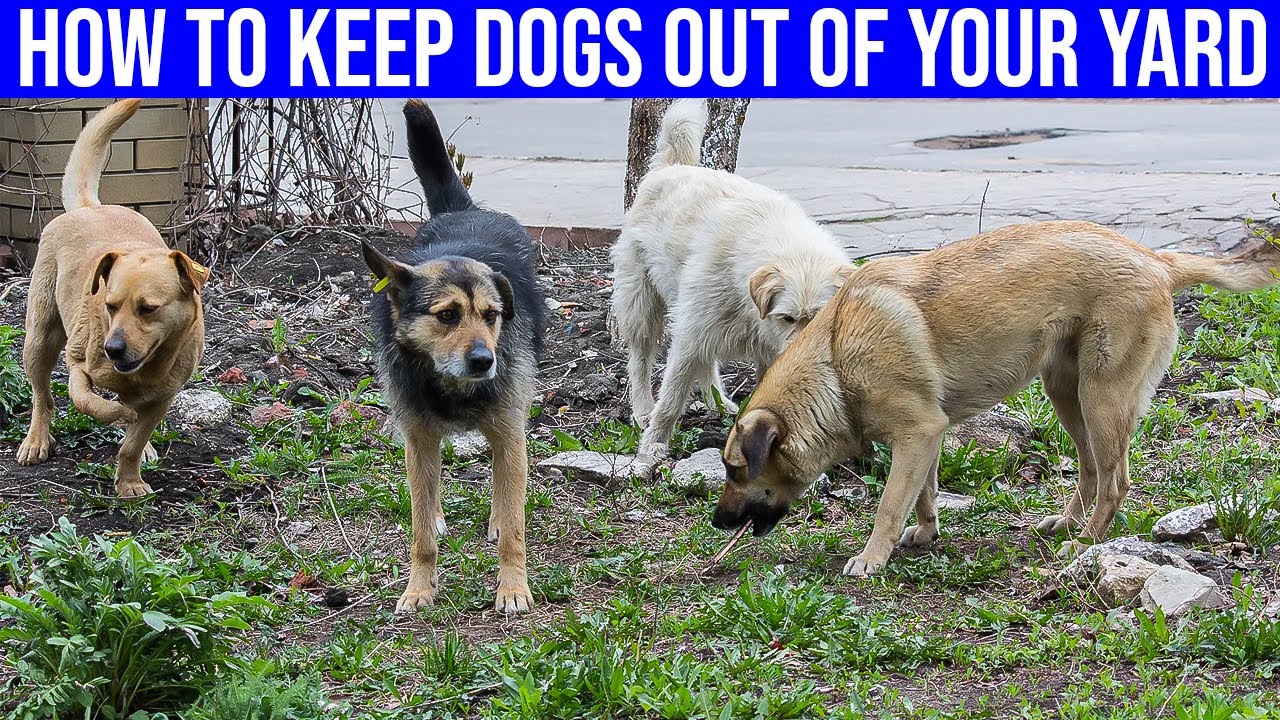
Image Source: i.ytimg.com
Securing Your Perimeter: The Foundation of Canine Exclusion
The most reliable way to keep dogs out of your yard is by establishing a strong physical barrier. This is the cornerstone of dog proofing fences and creating effective outdoor dog barriers. A well-maintained and appropriately designed fence prevents dogs from entering unauthorized areas, ensuring the safety of your plants, your pets, and your peace of mind.
Fencing Fundamentals for Canine Control
When considering dog proofing fences, several factors come into play. The height, material, and integrity of your fence are paramount.
Height Matters: Tall Enough to Deter
- Minimum Height: For most breeds, a fence should be at least 5 to 6 feet tall. This is especially crucial if you are trying to prevent larger or more athletic breeds from jumping over.
- Consider Breed: Smaller breeds might be deterred by a 4-foot fence, but agile breeds like Border Collies or Huskies can often clear higher obstacles.
Material Strength: Building a Robust Barrier
The material of your fence significantly impacts its effectiveness.
- Solid Wood Fences: Offer excellent visual barriers, which can be helpful for some dogs who are less likely to attempt to cross if they cannot see what lies beyond. Ensure there are no gaps where a dog could squeeze through or dig under.
- Chain-Link Fences: A popular choice for durability and visibility. However, ensure the mesh is small enough to prevent smaller dogs from getting their heads or paws stuck. Regularly check for any loosened links or holes.
- Vinyl Fences: Durable and low-maintenance, but check for structural integrity, especially at the posts.
- Wire Mesh Fences: Often used for specific areas, like vegetable gardens. Ensure the mesh is strong and securely attached to posts.
Integrity is Key: No Easy Escapes
Even the best fence can be defeated if it’s not properly installed or maintained.
- Gaps: Inspect your fence regularly for any gaps between the fence panels, posts, or the ground. These are prime entry points for determined dogs.
- Loose Panels or Posts: Ensure the fence is securely anchored. Wobbly posts or loose panels offer easy leverage for a dog trying to push through.
- Gates: Gates are often the weakest points. They must be sturdy, latch securely, and ideally have a self-closing mechanism. Consider reinforcing gate latches.
Addressing Canine Digging: The Underground Threat
One of the most common ways dogs breach fences is by digging underneath them. Effective preventing dog digging requires proactive measures.
Burying the Barrier: The Dig-Proofing Solution
- Extending Below Ground: Burying the bottom of your fence material (like wire mesh or chain-link) at least 6 to 12 inches below the soil line can deter most digging attempts.
- L-Footer Wire: Laying a barrier of sturdy wire mesh (like chicken wire or hardware cloth) flat on the ground, extending outwards from the fence base, creates an “L-footer.” When a dog tries to dig, they hit the wire and are discouraged. This is a highly effective method for canine escape prevention.
Reinforcing Problem Areas: Targeted Protection
- Concrete Footer: For persistent diggers, pouring a shallow concrete footer along the base of the fence can create an almost impenetrable barrier.
- Rocks and Pavers: Placing heavy rocks or pavers along the fence line can also discourage digging, as the uneven surface is less appealing to paws.
Humane Deterrents: Discouraging Entry Without Harm
Beyond physical barriers, various deterrents for dogs can be employed to discourage them from entering your yard. These methods aim to make the area less appealing or create a mild, unpleasant sensation that teaches the dog to avoid the space.
Scent-Based Deterrents: The Power of Smell
Dogs rely heavily on their sense of smell. Certain scents can be quite off-putting to them.
Natural Repellents: Garden-Friendly Options
- Citrus Peels: Dogs generally dislike the smell of citrus. Scatter orange, lemon, or grapefruit peels around the perimeter of your yard or garden beds.
- Vinegar: A strong smell that many dogs find unpleasant. Soak rags in white vinegar and place them strategically around your fence line or entry points. Reapply regularly as the scent dissipates.
- Spicy Scents: Cayenne pepper or chili powder can be sprinkled lightly around the perimeter. However, use this with extreme caution. While generally safe in small amounts, it can irritate a dog’s eyes or nose if they come into direct contact, especially if they are already sensitive. Always test a small area first and avoid if you have young children or other pets who might come into contact.
- Essential Oils (Diluted): Certain essential oils like citronella, eucalyptus, or peppermint can be used, but always dilute them heavily with water before spraying. Some essential oils can be toxic to dogs if ingested or applied directly. Research thoroughly and consult with a veterinarian before using essential oils.
Commercial Scent Repellents: Targeted Formulations
Many commercial repellent sprays are available, often formulated with natural ingredients designed to be safe for pets and humans but unpleasant for dogs. Read labels carefully and follow instructions for application.
Auditory and Vibrational Deterrents: Sound and Motion
Some dogs are sensitive to certain sounds or vibrations, which can be used as deterrents for dogs.
- Motion-Activated Sprinklers: These devices detect movement and emit a short burst of water. The sudden spray startles most dogs and makes them associate your yard with an unpleasant surprise. This is a very effective and humane method.
- Ultrasonic Devices: These emit high-frequency sounds that are inaudible to humans but can be irritating to dogs. Their effectiveness can vary, and some dogs may become accustomed to them over time. Ensure the frequency is appropriate and not harmful.
Taste Deterrents: A Bitter Experience
Certain bitter-tasting substances can be applied to surfaces dogs tend to chew or lick.
- Commercial Bitter Sprays: These are specifically formulated to be safe and unpalatable. Apply to fences, gates, or garden plants that dogs might chew.
Strategies for Keeping Pets Out of Garden Areas
Protecting your garden is a common reason for wanting to keep dogs out of certain yard areas. This requires focused outdoor dog barriers and specific preventing dog digging measures.
Creating Dedicated Dog Zones
If you have a large yard, consider designating specific areas for your dog and areas that are off-limits, especially your prized flower beds or vegetable patches.
Physical Barriers Within the Yard
- Smaller Fencing: Use shorter, decorative fencing or wire mesh around garden beds. This acts as a visual and physical deterrent.
- Raised Garden Beds: Planting in raised beds makes them less accessible for dogs to dig into or jump over.
Ground Cover Deterrents
- Gravel or Mulch: For paths or areas you want your dog to avoid, using coarse gravel or certain types of mulch can be uncomfortable for them to walk on. Avoid mulch that is toxic to dogs if ingested.
- Prickly Plants: Planting thorny or spiky plants (like roses or barberry) around the perimeter of garden beds can act as a natural deterrent.
Boundary Training Dogs: Teaching Respect for Limits
While physical barriers and deterrents are essential, boundary training dogs can also be a valuable component of canine escape prevention and overall yard management. This involves teaching your dog the acceptable boundaries of your property.
Positive Reinforcement for Boundary Adherence
- Leash Training: Start by walking your dog on a leash around the perimeter of your yard. Reward them for staying within the designated boundaries.
- Verbal Cues: Use a consistent verbal cue (e.g., “Stay,” “Boundary”) when they approach the edge of the property.
- Treats and Praise: Offer high-value treats and enthusiastic praise when they respect the boundary.
- Supervised Exploration: Allow supervised exploration of the yard, but if they approach the fence or boundary line too intently, redirect them with a toy or a command and reward them for returning to the center of the yard.
Addressing Existing Habits: Dealing with Diggers and Jumpers
If your dog has a history of digging or jumping, consistent training and reinforcement of new behaviors are key.
- Provide Alternatives: If your dog digs, ensure they have an appropriate outlet for this behavior, such as a designated digging box filled with sand or loose soil. Bury toys in it to make it more enticing.
- Redirect Jumping: If your dog jumps at fences, redirect their attention with a command and a reward for staying on the ground.
Managing Neighborhood Dogs: Protecting Your Space
Keeping deterring neighborhood dogs from entering your yard requires a consistent and multi-faceted approach.
The Importance of Neighborly Communication
- Polite Conversation: If a neighbor’s dog is frequently entering your yard, a polite conversation is often the first and most effective step. They may not be aware of the issue.
- Offer Solutions: You can politely mention your concerns and suggest solutions, such as reinforcing their own fence or discussing leash laws.
Legal Considerations and Local Ordinances
- Leash Laws: Familiarize yourself with your local leash laws and animal control ordinances.
- Reporting Persistent Issues: If polite conversations don’t resolve the problem, you may need to contact animal control, especially if the dogs are aggressive or their presence poses a health hazard.
Frequently Asked Questions (FAQ)
Q1: Are ultrasonic devices effective for deterring dogs?
A1: Ultrasonic devices can be effective for some dogs, but their success varies. Some dogs may become accustomed to the sound over time, while others may be more sensitive. It’s a good option to try, but don’t rely on it as the sole solution.
Q2: Can I use natural repellents safely around my children and other pets?
A2: Many natural repellents, like citrus peels and diluted vinegar, are generally safe. However, always use caution with spicy deterrents like cayenne pepper, as they can cause irritation. Essential oils should be used with extreme care and always diluted, as some can be toxic to pets. It’s best to consult your veterinarian before using any essential oils.
Q3: How can I prevent my dog from digging under the fence?
A3: To prevent dog digging, bury the bottom of your fence material at least 6-12 inches below ground or install an “L-footer” of wire mesh flat on the ground extending outwards from the fence base. Reinforcing the area with rocks or concrete can also help.
Q4: What is the best type of fence for keeping dogs out of the yard?
A4: The best type of fence is one that is tall enough (at least 5-6 feet for most breeds), made of sturdy material, and has no gaps or holes. Chain-link and solid wood fences are popular choices, provided they are well-maintained and properly installed with no entry points.
Q5: How do I deter neighborhood dogs without being cruel?
A5: You can deter neighborhood dogs effectively and humanely using physical barriers like sturdy fences, motion-activated sprinklers, and scent deterrents made from natural ingredients like citrus or diluted vinegar. Positive boundary training for your own dog also contributes to overall yard security.
Q6: What can I do if a neighbor’s dog is repeatedly escaping and coming into my yard?
A6: Start with a polite conversation with your neighbor. If that doesn’t resolve the issue, document the incidents and consider contacting your local animal control or authorities, especially if there are safety concerns.
Q7: How can I protect my vegetable garden from dogs?
A7: Protect your vegetable garden by using smaller fencing around individual beds, planting thorny plants around the perimeter, or using raised garden beds which are harder for dogs to access. Ensure any barriers are secure and without gaps.
Q8: What are effective deterrents for dogs in a garden setting?
A8: Effective garden deterrents include citrus peels, diluted vinegar sprays, and strategically placed prickly plants. For more determined animals, consider motion-activated sprinklers. Always ensure any deterrent is safe for your plants and other wildlife.
Q9: What are good options for secure dog containment?
A9: Secure dog containment involves using fences that are tall, sturdy, and without gaps. Burying the fence line or using an L-footer can prevent digging. For portable containment, consider sturdy dog kennels or runs made from durable materials.
Q10: How do I stop my dog from digging in my flower beds?
A10: To stop your dog from digging in flower beds, use small decorative fences, place rocks or pavers around the edges, or try scent deterrents. Providing a designated digging area with a sandpit can also redirect this behavior. Consistent redirection and positive reinforcement are crucial.