
Can you get rid of crawdads in your yard? Yes, you can effectively manage and remove crawdads from your yard using a combination of methods.
The distinctive conical mounds of soil that appear in your lawn are a sure sign: crawdads have moved in. These small, aquatic crustaceans, often called crayfish or crawfish, can transform a manicured backyard into a bumpy, uneven landscape. While they are an integral part of many aquatic ecosystems, their presence in your yard, particularly in large numbers, can be problematic. This comprehensive guide will walk you through everything you need to know about crayfish control and how to remove burrowing crustaceans from your property.
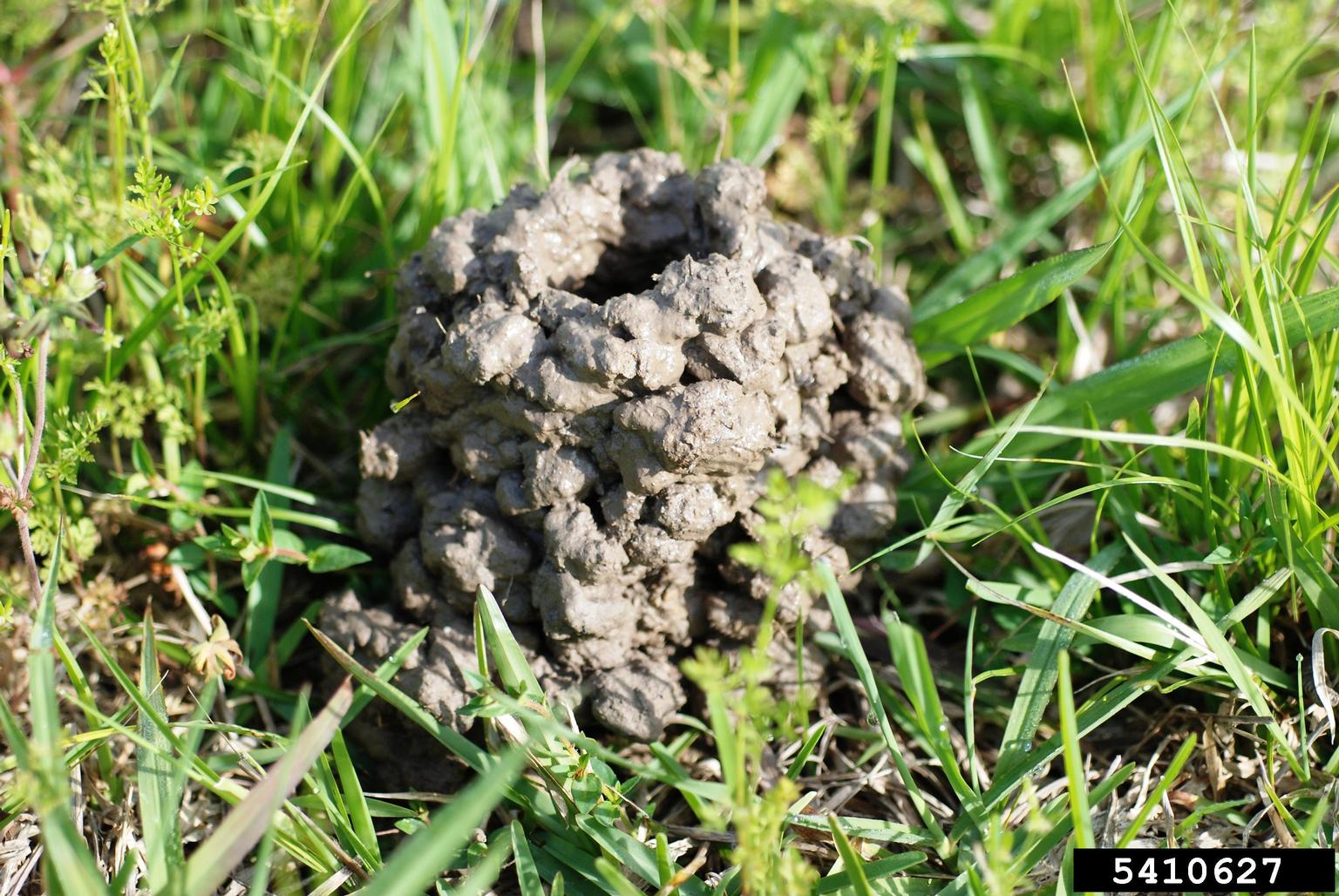
Image Source: cdn.mos.cms.futurecdn.net
Why Are Crawdads in My Yard?
Crawdads are freshwater creatures that thrive in moist environments. They are most commonly found in areas with consistent access to water, such as:
- Ponds and Lakes: If your property borders or contains a natural body of water, crawdads are likely to be present.
- Ditches and Drainage Areas: Slow-moving or stagnant water sources provide ideal habitats.
- Areas with High Water Tables: Even without a visible water source, if your soil remains consistently damp, crawdads may burrow.
- Excessive Watering: Overwatering lawns or gardens can create damp soil conditions that attract crawdads.
Their presence is usually signaled by the distinctive chimney-like mounds of mud they construct. These mounds are created as they excavate their extensive burrow systems, which can extend several feet below the surface, often reaching the water table.
The Problems Crawdads Cause
While not inherently dangerous to humans, crawdads can cause several issues for your yard:
- Lawn Damage: The mounds themselves are unsightly and can make mowing difficult and hazardous. The burrows can undermine the soil structure, creating sinkholes or uneven terrain.
- Plant Damage: Crawdads can feed on aquatic plants, roots, and even small invertebrates. If your garden is near a crawdad habitat, your plants could be at risk.
- Water Source Contamination: In some cases, their burrowing activity can impact water quality in nearby ponds or streams.
- Aesthetic Concerns: For many homeowners, the numerous mud mounds are simply an eyesore that detracts from the beauty of their landscape.
Effective Strategies for Crawdad Control
Dealing with crawdads requires a multifaceted approach. You’ll want to address the current population while also making your yard less hospitable to them in the future.
1. Crawdad Hole Management: The First Line of Defense
The most immediate way to address the visual impact of crawdads is through crawdad hole management.
- Filling Mounds: The simplest method is to fill in the mounds with soil. However, be prepared to do this repeatedly as crawdads will continue to build.
- Flattening Mounds: Gently flattening the mounds can sometimes discourage crawdads from rebuilding in the same spot. This is a temporary fix but can help with immediate aesthetic issues.
- Blocking Entrances: If you can locate the main entrance to a burrow, you can try blocking it with rocks or heavy objects. However, crawdads are persistent builders and may simply dig a new entrance.
2. Natural Deterrents: DIY Crawdad Deterrents
Before resorting to more aggressive measures, consider implementing DIY crawdad deterrents.
- Altering Soil Moisture:
- Reduce Watering: If you’ve been overwatering your lawn, scale back. Allowing the soil surface to dry out can make it less appealing for crawdads.
- Improve Drainage: Aerating your soil and adding compost can improve drainage, reducing the consistently damp conditions crawdads prefer.
- Physical Barriers:
- Sand Barriers: Creating a narrow trench filled with coarse sand around areas you want to protect (like garden beds) can deter crawdads. They generally dislike digging through sand.
- Gravel Borders: Similar to sand, a border of pea gravel can also act as a deterrent.
- Repellent Smells:
- Essential Oils: Some anecdotal evidence suggests that certain strong smells can deter crawdads. Oils like peppermint, eucalyptus, or tea tree oil, diluted in water and sprayed around burrow entrances, might offer some temporary deterrence. However, this is not a guaranteed solution.
- Coffee Grounds: Sprinkling used coffee grounds around affected areas is another commonly suggested method. The abrasive texture and strong smell are thought to be unpleasant for crawdads.
3. Trapping: Humane Crawdad Removal Options
Trapping is a highly effective method for humane crawdad removal. Backyard crawdad traps are readily available or can be made at home.
Types of Crawdad Traps:
- Net Traps: These are cone-shaped traps, often made of netting, with an opening that narrows towards the inside. Bait is placed in the bottom, and crawdads can easily enter but struggle to exit.
- Bottle Traps: These can be made from plastic soda bottles. Cut off the top cone of the bottle, invert it, and insert it back into the bottom section of the bottle. Secure it and place bait inside.
- Box Traps: These are usually made of wire mesh, forming a box with one or more entrances that funnel into the trap.
How to Bait and Use Traps:
- Bait: The best bait for crawdads includes oily fish scraps (like sardines or mackerel), chicken parts, or hot dogs. Place the bait securely inside the trap.
- Placement: Position traps near known burrow entrances, especially in the evening or early morning when crawdads are most active. Submerging the traps in shallow water near the shore is often most effective.
- Checking Traps: Check your traps daily. Removed crawdads can be relocated to a suitable aquatic habitat away from your yard or disposed of humanely.
Important Note: Always check local regulations regarding trapping and relocating wildlife.
4. Exclusion: Preventing Crawdad Access
If your yard has a pond or water feature, preventing crawdad damage through exclusion might be necessary.
- Fine Mesh Fencing: Install a barrier made of fine-mesh hardware cloth (1/4 inch or less) around ponds or water gardens. Bury the fencing at least 6-12 inches deep and extend it 1-2 feet above the waterline. This will prevent crawdads from burrowing into the banks and accessing the water.
- Smooth Surfaces: Consider using smooth, slippery materials for pond edges or retaining walls, which can make it harder for crawdads to climb and burrow.
5. Chemical Control: A Last Resort for Crawfish Pest Control
Chemical treatments for pest control for crawfish should be considered a last resort due to potential environmental impacts. If you choose to use chemicals, proceed with extreme caution.
- Repellents: Some commercially available repellents claim to deter crawdads. Always follow product instructions carefully and consider their impact on other wildlife and beneficial insects.
- Direct Application (Rarely Recommended): In severe cases, and only if permitted by local authorities, certain pesticides might be used directly in burrows. However, this is highly discouraged due to risks to groundwater, pets, and non-target species. Always consult with a licensed pest control professional before considering chemical treatments.
When to Call a Professional:
If you have a severe infestation or are unsure about the best course of action, contacting a professional pest control service that specializes in wildlife or aquatic nuisance species can be beneficial. They can provide expert advice and implement targeted solutions.
Understanding Crawdad Life Cycles and Behavior
To effectively manage crawdads, it helps to know a little about their habits:
- Nocturnal Activity: Crawdads are primarily nocturnal, meaning they are most active at night. This is when they forage for food and are more likely to encounter traps.
- Burrowing: Their burrowing behavior is crucial for their survival, allowing them to access water and escape predators. Burrows can be quite extensive.
- Diet: They are omnivores, feeding on plants, insects, snails, worms, and decaying organic matter.
- Water Dependency: While they can survive on land for short periods, they are highly dependent on moisture and will seek out damp environments.
Preventing Future Crawdad Infestations
Once you’ve managed the current population, focus on making your yard less inviting:
- Water Management:
- Avoid overwatering your lawn and garden.
- Ensure good drainage in your soil.
- Address any leaky outdoor faucets or irrigation systems that create consistently wet areas.
- Habitat Modification:
- Keep the edges of ponds and water features clear of dense vegetation where crawdads can hide.
- Remove any debris, such as fallen logs or rocks, near water sources that can provide shelter.
- Regular Monitoring: Keep an eye out for new mounds, especially after periods of rain. Early detection makes management easier.
Addressing Crawdad Mounds: Reducing Visual Impact
Crawdad mound reduction is a continuous effort. Beyond simply filling them, consider these tips for crawdad extermination methods that focus on long-term reduction of their presence:
Table: Crawdad Management Methods Comparison
| Method | Effectiveness | Ease of Use | Environmental Impact | Cost | Notes |
|---|---|---|---|---|---|
| Hole Management | Low | High | Low | Low | Temporary fix, requires constant upkeep. |
| Natural Deterrents | Medium | Medium | Low | Low | Can be effective in combination, results vary. |
| Trapping | High | Medium | Low (if relocated) | Medium | Humane, effective for population control. |
| Exclusion Barriers | High | Medium | Low | High | Best for protecting specific areas like ponds. |
| Chemical Control | High | Low | High | Medium | Last resort, potential for harm to environment and other species. |
When to Use Specific Methods:
- For a few mounds: Focus on crawdad hole management and simple DIY deterrents.
- For moderate infestations: Implement backyard crawdad traps for humane crawdad removal and combine with natural deterrents.
- For severe infestations or to protect water features: Consider exclusion barriers and professional consultation.
Frequently Asked Questions (FAQ)
Q1: Are crawdads dangerous to my pets?
While crawdads themselves are not aggressive towards pets, they can carry parasites or bacteria. If your pet ingests a crawdad, it’s advisable to consult your veterinarian. The main danger to pets is often stepping on sharp edges of mounds or getting poked by a crawdad’s claws.
Q2: Can I just flood the burrows to get rid of them?
Flooding burrows can sometimes drive crawdads out, but it’s often a temporary solution. They are excellent burrowers and can create new tunnels or simply wait for the water to recede. It can also cause further soil erosion and damage.
Q3: How do I know if it’s a crawdad mound?
Crawdad mounds are typically conical or chimney-shaped piles of mud. They often have a distinct opening at the top. Other burrowing animals like moles create mounds, but they are usually more irregular and don’t have the characteristic chimney structure.
Q4: Is it legal to kill crawdads?
Regulations vary by location. In many areas, there are no specific laws against killing crawdads on private property. However, some regions may have regulations on trapping or relocating them, especially if they are considered a protected species or if you plan to consume them. Always check your local wildlife and fishing regulations.
Q5: Can I use salt to kill crawdads?
While salt can kill crawdads, it is highly detrimental to soil health and can harm plants and other beneficial organisms. It’s not a recommended or environmentally sound method for crayfish control.
Q6: What is the best time of year to trap crawdads?
Crawdads are typically most active and easiest to trap during the warmer months, from spring through fall. Their activity may decrease during colder periods when they might retreat deeper into their burrows.
Q7: My entire yard is covered in mounds. What should I do?
If your yard is severely affected, a combination of methods will be most effective. Focus on trapping to reduce the population significantly. Simultaneously, work on improving drainage and reducing moisture in your yard. Consider installing exclusion barriers around any water bodies. For extensive problems, consulting a landscaping professional or a pest control service that handles wildlife may be the most efficient solution.
By implementing these strategies, you can effectively manage and reduce the crawdad population in your yard, restoring its appearance and preventing further damage. Remember that consistency and a combination of approaches are key to successful pest control for crawfish.