
Can you get rid of lawn mushrooms naturally? Yes, you can effectively manage and remove mushrooms from your lawn using a variety of natural and organic methods. Mushrooms are a sign of underlying soil conditions and are often a symptom, not the primary problem. This guide will delve into why mushrooms appear, and crucially, how to tackle them with expert tips and organic solutions for a truly healthy lawn.
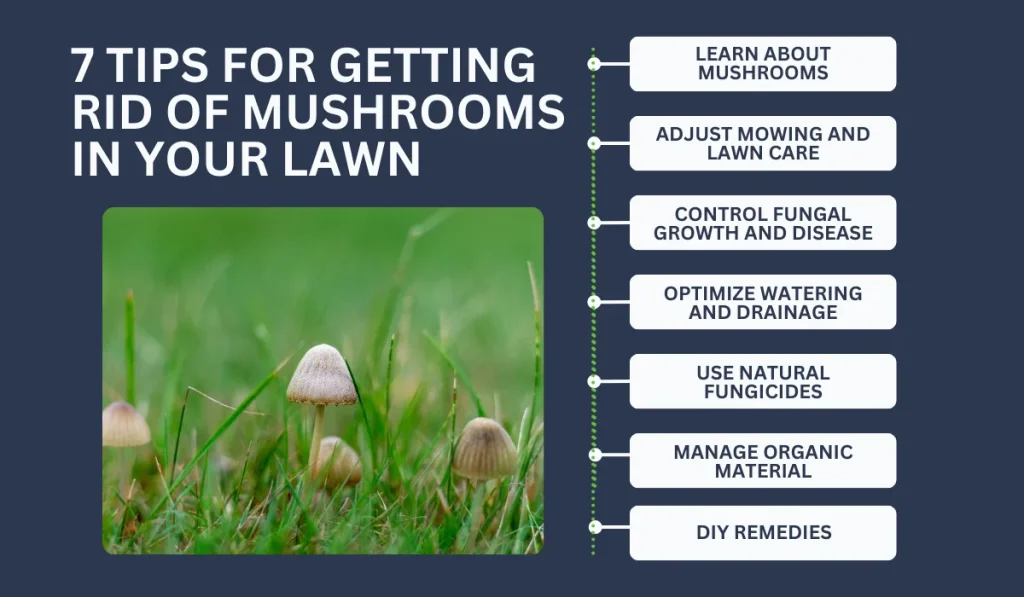
Image Source: sodlawn.com
Why Do Mushrooms Pop Up on My Lawn?
Mushrooms are the fruiting bodies of fungi that live underground in the soil or in decaying organic matter. They emerge when conditions are just right – typically moist and mild. Several factors contribute to their appearance, and addressing these is key to long-term fungus control.
Common Culprits Behind Lawn Mushrooms:
- Excessive Moisture: Overwatering, poor drainage, and frequent rainfall can create ideal damp conditions for fungal growth.
- Thatch Buildup: A thick layer of dead grass and organic material (thatch) can trap moisture and provide a food source for fungi.
- Decomposing Organic Matter: Buried tree roots, old stumps, fallen leaves, pet waste, or compost that hasn’t fully broken down are prime real estate for mushroom-forming fungi.
- Shady Conditions: Areas of the lawn that receive little sunlight tend to stay moist for longer periods, encouraging fungal growth.
- Compacted Soil: Compacted soil hinders water drainage and air circulation, creating a less healthy environment for grass and a more favorable one for some fungi.
- Nutrient Imbalances: While not a direct cause, an imbalanced soil can weaken grass, making it more susceptible to fungal issues.
Natural Methods for Mushroom Removal and Prevention
Getting rid of mushrooms isn’t just about picking them. It’s about creating an environment where they are less likely to thrive. This involves a holistic approach to lawn care and yard maintenance.
1. Physical Removal: The Immediate Solution
The quickest way to get rid of existing mushrooms is to simply remove them.
How to Remove Mushrooms Manually:
- Pull Them Out: Gently pull mushrooms up by the base. Try to get the entire mycelium (the underground network of the fungus) if possible, though this is often difficult.
- Use a Spade or Trowel: For larger mushrooms or those deeply rooted, use a small spade or trowel to dig them out carefully.
- Bag and Dispose: Place the removed mushrooms in a plastic bag, seal it tightly, and discard it in the trash. Do not compost mushrooms, as this can spread spores.
- Avoid Mowing Over Them: Mowing mushrooms can break them apart and spread spores further across your lawn.
While physical removal is a good first step, it’s a temporary fix if the underlying conditions aren’t addressed.
2. Addressing Soil Health: The Foundation of a Healthy Lawn
Healthy soil is the best defense against most lawn problems, including mushrooms. Improving soil health is paramount for effective disease prevention.
Aeration: Breathing Life into Your Lawn
Compacted soil suffocates grass roots and impedes drainage. Lawn aeration creates small holes in the soil, allowing air, water, and nutrients to penetrate more easily. This promotes deeper root growth and improves overall grass health.
- Core Aeration: This process removes small plugs of soil, which is more effective than spike aeration.
- When to Aerate: The best times for aeration are during the active growing seasons for your grass type: spring or fall for cool-season grasses, and late spring or early summer for warm-season grasses.
- Frequency: Aerate at least once a year, or more often if your lawn is heavily trafficked or the soil is particularly compacted.
Dethatching: Removing the Cozy Blanket for Fungi
Thatch is a layer of dead and living grass stems, roots, and leaves that accumulates on the soil surface. A healthy lawn has a thin layer of thatch (less than ½ inch). Excessive thatch traps moisture and provides food for fungi.
- Signs of Excessive Thatch: A spongy feel to the lawn, or seeing a thick layer of brown material between the green grass blades.
- Dethatching Methods:
- Raking: For light thatch, a stiff dethatching rake can work.
- Power Rakes/Dethatchers: These machines have tines that dig into the thatch layer and pull it to the surface.
- Timing: Dethatch when your grass is actively growing so it can recover quickly.
Improving Drainage: Saying Goodbye to Soggy Spots
Mushrooms thrive in consistently moist environments. If your lawn has poor drainage, consider these improvements:
- Leveling: If low spots collect water, consider adding topsoil to fill them in and create a more even grade.
- Drainage Systems: For severe drainage issues, installing French drains or a more comprehensive drainage system might be necessary.
- Amend Soil: Incorporating organic matter like compost can improve the soil’s structure, allowing it to drain better over time.
Top Dressing: Feeding Your Soil
Top dressing with compost or a quality soil amendment can help improve soil structure, fertility, and drainage. This adds beneficial microbes that can outcompete the fungi causing mushrooms.
- Application: Spread a thin layer (about ¼ to ½ inch) of compost over the lawn.
- Benefits: It adds nutrients, improves water retention (without waterlogging), and enhances microbial activity.
3. Optimizing Watering Practices: Less is Often More
Overwatering is a primary reason for mushroom growth. Adjusting your watering habits can make a significant difference.
Smart Watering Strategies:
- Water Deeply and Infrequently: Encourage deeper root growth by watering thoroughly, but less often. Let the top inch or two of soil dry out between waterings.
- Water in the Morning: This allows the grass blades to dry off during the day, reducing the chance of fungal diseases and mushroom formation.
- Check Soil Moisture: Before watering, stick a screwdriver or soil probe into the ground. If it goes in easily, the soil is moist enough.
- Adjust for Weather: Water less during cool or rainy periods and more during hot, dry spells.
4. Natural Treatments: Organic Solutions for Fungus Control
Once you’ve addressed the underlying conditions, you can use natural treatments to further combat existing fungal growth. These are excellent organic solutions that support healthy lawn development.
Baking Soda Solution: A Simple Fungal Inhibitor
Baking soda can act as a fungicide and help inhibit mushroom growth.
- Recipe: Mix 1 tablespoon of baking soda with 1 gallon of water.
- Application: Spray directly onto the affected areas.
- Caution: Test on a small patch of grass first, as baking soda can be harsh on some grass types. Use sparingly.
Vinegar Solution: Acidity to Deter Fungi
Diluted vinegar can also help control fungal growth.
- Recipe: Mix 1 part white vinegar with 4 parts water.
- Application: Apply to the mushroom clusters and surrounding soil.
- Caution: Like baking soda, test on a small area first. Vinegar is acidic and can potentially damage grass if used undiluted or in high concentrations.
Milk Solution: A Surprisingly Effective Fungi Fighter
This might sound odd, but a milk solution is a surprisingly effective natural fungicide. The proteins in milk, when exposed to sunlight, can create an environment that is toxic to many fungi.
- Recipe: Use a 40/60 mixture of milk and water (40% milk, 60% water).
- Application: Spray directly onto the affected areas and mushrooms.
- Frequency: Apply every few days until you see improvement.
Composted Manure: The Power of Healthy Microbes
While it might seem counterintuitive, adding well-composted manure can actually help. Compost is rich in beneficial microbes that compete with and break down fungal organisms, improving soil health and promoting grass health. Ensure it’s fully composted to avoid introducing weed seeds or pathogens.
5. Promoting Vigorous Grass Growth: The Best Defense
A dense, healthy lawn is the most effective barrier against fungal growth and mushrooms.
Proper Mowing Practices:
- Mow High: Keep your mower blade set to the higher end of the recommended range for your grass type. Taller grass shades the soil, keeping it cooler and moister, which can actually discourage some types of fungi. It also promotes deeper root systems.
- Sharp Blades: Dull mower blades tear grass, creating ragged edges that are more susceptible to disease. Keep your mower blades sharp.
- Leave Grass Clippings: Unless the clippings are excessively long and clumpy, leaving them on the lawn acts as a natural fertilizer (grasscycling) and helps return organic matter to the soil.
Fertilization: Balanced Nutrition for Strong Grass
- Use Organic Fertilizers: These release nutrients slowly, feeding the soil and promoting a more resilient lawn.
- Avoid Over-Fertilizing: Too much nitrogen can lead to lush, weak growth that is more prone to disease.
- Soil Testing: Conduct a soil test to determine the specific nutrient needs of your lawn. This ensures you’re providing the right balance for optimal grass health.
6. Managing Shady Areas: Finding Solutions for Low-Light Zones
Shady areas are naturally more prone to moisture retention and fungal activity.
Shade-Tolerant Grasses:
- Consider overseeding shady areas with grass varieties that are more tolerant of low light conditions.
Pruning Trees and Shrubs:
- Trim back the canopy of trees and shrubs that are casting dense shade. This allows more sunlight and air circulation to reach the lawn.
Consider Alternatives:
- In deeply shaded areas where grass struggles to grow, consider alternative ground covers like mulch, shade-loving plants, or ground cover vines.
What Not to Do When Dealing with Lawn Mushrooms
- Do Not Use Chemical Fungicides Unnecessarily: While chemical solutions exist, they can harm beneficial soil microbes, pets, and the environment. Focus on organic solutions first.
- Do Not Panic: Mushrooms are usually a temporary problem that can be managed with consistent yard maintenance and by addressing the root causes.
- Do Not Ignore Them: While not always harmful to grass, their presence indicates a problem that needs attention for overall lawn care.
Troubleshooting Persistent Mushroom Problems
If mushrooms keep returning despite your best efforts, revisit the core issues:
- Soil Testing: A comprehensive soil test can reveal pH imbalances or nutrient deficiencies that might be hindering grass health.
- Drainage Assessment: Re-evaluate your lawn’s drainage. Is there a persistent low spot or underground issue?
- Organic Matter Decomposition: Ensure any buried organic matter is fully decomposed. If you suspect an old tree stump, it may take years for it to break down naturally.
Mushrooms and Pets/Children: Safety First
While most lawn mushrooms are not toxic, some can be. It’s always safest to prevent pets and children from ingesting any mushrooms found in the yard. Physical removal and preventing their growth are the best safety measures. If you suspect ingestion of a toxic mushroom, contact your veterinarian or poison control immediately.
Frequently Asked Questions (FAQ)
Q1: Are lawn mushrooms bad for my grass?
While the mushrooms themselves don’t directly harm the grass, their presence often signals underlying conditions like excess moisture, poor drainage, or decaying organic matter that can negatively impact grass health. Addressing these issues will benefit your lawn and deter mushrooms.
Q2: How quickly can I get rid of lawn mushrooms?
Physical removal offers an immediate visual improvement. However, truly “getting rid of” mushrooms involves addressing the environmental factors that promote their growth. This can take several weeks to months of consistent lawn care and improved soil health.
Q3: Can I just ignore the mushrooms?
Ignoring them means ignoring the conditions that allow them to grow. While not all lawn fungi are harmful, their persistence indicates a need for better yard maintenance and disease prevention strategies to ensure a healthy lawn.
Q4: Will a new lawn prevent mushrooms?
A new lawn, properly established with good soil preparation, proper seeding or sodding, and appropriate watering and mowing, is less likely to have mushroom problems initially. However, as conditions change (e.g., thatch buildup, soil compaction), mushrooms can still appear. Consistent lawn care is always necessary.
Q5: What are fairy rings, and are they related to mushrooms?
Yes, fairy rings are circular patterns of darker green grass or bare patches, often with mushrooms growing around the outer edge. They are caused by the underground mycelium of certain fungi spreading outwards. Managing fairy rings often involves the same principles as general mushroom fungus control, focusing on soil health and disease prevention.
By focusing on improving your soil, adjusting your watering habits, and maintaining a robust, healthy lawn, you can effectively tackle mushroom problems naturally and organically. Consistent yard maintenance is the key to long-term success and a beautiful, healthy lawn.