
Can you get rid of mice in your garden safely? Yes, you can employ a variety of safe and effective methods to manage and remove mice from your garden. Dealing with a garden pest infestation can be frustrating, but with the right approach, you can reclaim your green space. This comprehensive guide will explore rodent control methods, focusing on organic mouse solutions and safe ways to remove mice without harming beneficial wildlife or your plants. We’ll delve into natural mouse deterrents, humane mouse traps, and practical strategies to prevent mice in garden beds.
Mice might seem small, but a garden mouse infestation can cause significant damage to your plants, eat your vegetables, and spread unpleasantness. They can chew through plant roots, eat seedlings, damage fruit and vegetables, and even gnaw on irrigation lines. Beyond the damage to your plants, mice can also carry diseases and their droppings can contaminate surfaces. Effectively controlling mice outdoors requires a multi-faceted approach that addresses both the immediate problem and long-term prevention.
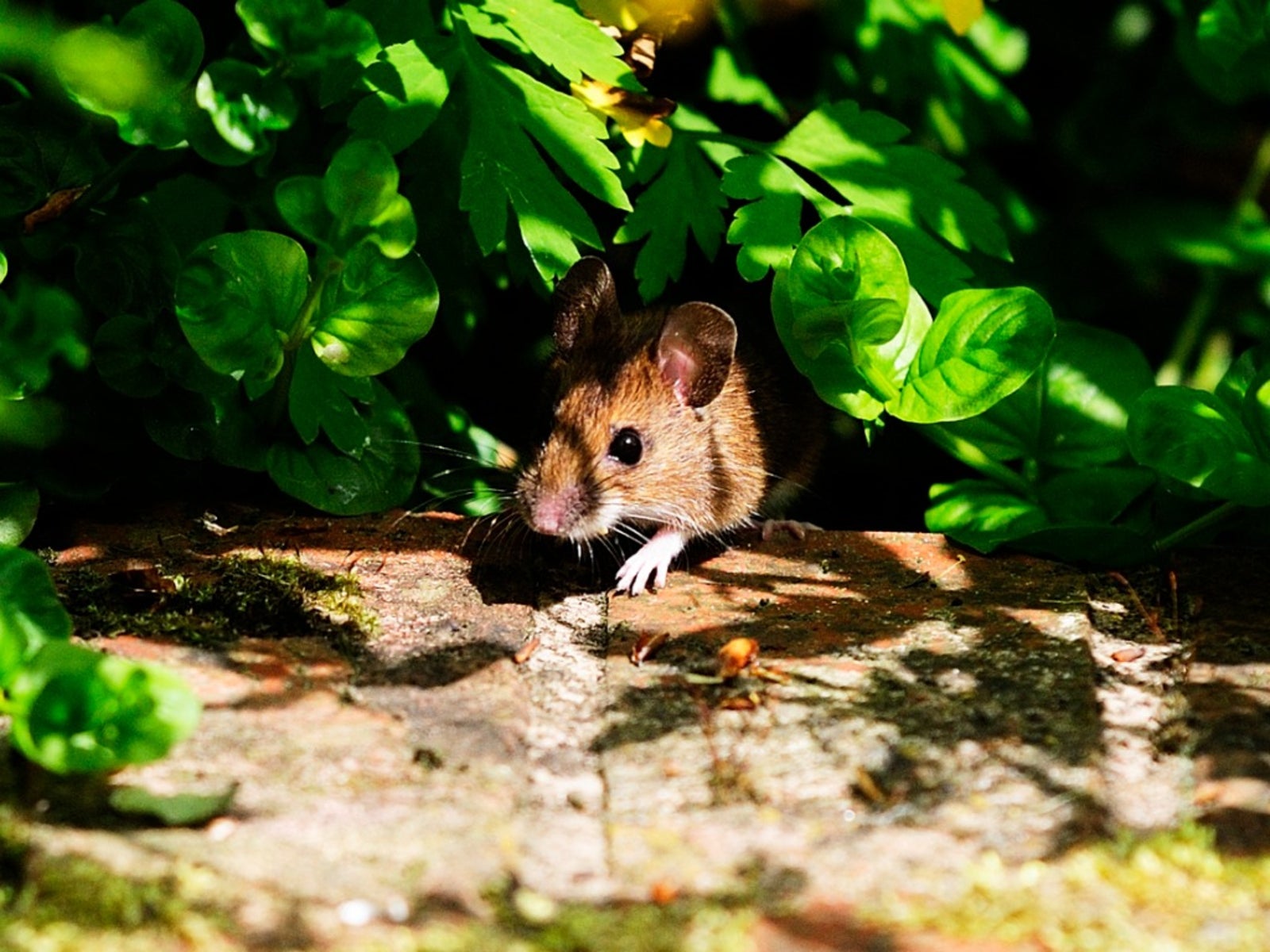
Image Source: cdn.mos.cms.futurecdn.net
Identifying the Signs of a Garden Mouse Infestation
Before you can tackle the problem, you need to know if mice are indeed the culprits. Look for these common signs:
- Gnaw Marks: Mice have continuously growing incisors, so they are always gnawing. Look for small, parallel tooth marks on plant stems, fruits, vegetables, wooden structures, or even plastic garden equipment.
- Droppings: Mouse droppings are small (about ¼ inch long), dark brown or black, and rod-shaped with pointed ends. You’ll often find them near damaged plants, along pathways, or in sheltered areas.
- Nests: Mice build nests from soft materials like dried grass, leaves, insulation, or shredded paper. These are often found in secluded, protected spots such as under sheds, dense bushes, compost piles, or woodpiles.
- Tracks and Runways: In dusty areas or along garden walls, you might see tiny footprints. Mice tend to use the same paths repeatedly, creating faint “runways” through vegetation.
- Chewed Produce: If your ripening fruits and vegetables have small, irregular holes or are partially eaten, mice could be the culprits.
- Sighting: While not always easy to spot during the day, you might see mice scurrying around at dawn or dusk.
Natural Mouse Deterrents: Leveraging Nature’s Defenses
Many gardeners prefer natural mouse deterrents to avoid chemicals, which can be harmful to pets, children, and wildlife. These methods focus on making your garden less appealing to mice.
Scent-Based Deterrents
Mice have a strong sense of smell and are repelled by certain strong odors.
- Peppermint Oil: This is one of the most popular homemade mouse repellent options. Soak cotton balls in pure peppermint oil and place them around affected areas, near entry points, or around vulnerable plants. Reapply oil every few days as the scent fades.
- Ammonia: The smell of ammonia mimics urine, which can deter mice. Mix one part ammonia with three parts water in spray bottles and spray around the perimeter of your garden or near known mouse activity. Be cautious, as ammonia fumes can be strong.
- Clove Oil or Whole Cloves: The pungent aroma of cloves is another natural repellent. You can place whole cloves around your garden or use clove oil on cotton balls.
- Chili Powder or Cayenne Pepper: Mice dislike the heat from these spices. Sprinkle chili powder or cayenne pepper around the base of plants, along garden borders, or near suspected entry points. You may need to reapply after rain.
- Used Coffee Grounds: Some anecdotal evidence suggests that used coffee grounds can deter mice due to their scent and texture. Sprinkle dried coffee grounds around your garden.
- Mint Plants: Planting mint strategically in your garden can help. While attractive to humans, its strong scent can be a deterrent to mice. Varieties like peppermint and spearmint are particularly effective.
Physical Barriers and Repellents
Creating physical barriers and using textures mice dislike can also be effective.
- Diatomaceous Earth (Food Grade): This is a natural powder made from fossilized aquatic organisms. When used in its food-grade form, it’s safe for most garden use. The sharp edges of the microscopic particles are abrasive to mice, causing dehydration and deterring them. Sprinkle it around plants and garden beds. Important: Wear a mask when applying to avoid inhaling the dust.
- Steel Wool: Mice have difficulty chewing through steel wool. Stuffing gaps in garden structures, planters, or around pipe entry points with steel wool can prevent them from entering or nesting in those areas.
- Gravel or Coarse Sand: Mice prefer to burrow in soft soil. Creating a border of coarse gravel or sharp sand around garden beds can make them less accessible and less appealing for burrowing.
Humane Mouse Traps: Capturing Without Causing Harm
For gardeners who wish to capture and relocate mice, humane mouse traps are an excellent choice. These traps capture the mouse alive, allowing for relocation.
Types of Humane Mouse Traps
- One-Door Live Traps: These metal or plastic traps have a door that closes when the mouse enters to reach the bait. They are designed to be large enough for mice to enter comfortably without injury.
- Two-Door Live Traps: Similar to one-door traps, but they have entrances on both ends, often increasing the chances of capture.
- Bucket Traps: These DIY or commercially available traps often use a ramp leading to a bucket. A rotating or tipping mechanism on a can filled with bait sends the mouse tumbling into the bucket when it tries to reach the bait. Ensure the bucket is deep enough that mice cannot escape.
Baiting and Placement of Humane Traps
- Bait Selection: Mice are attracted to various baits. Peanut butter is a classic choice, but consider using small pieces of nuts, seeds, chocolate, or dried fruit. For best results, use something with a strong scent.
- Placement: Place traps along walls, fences, or in areas where you’ve seen the most activity (e.g., near droppings or gnaw marks). Mice often travel along established routes.
- Multiple Traps: If you have a significant garden mouse infestation, setting up several traps increases your chances of catching multiple mice.
- Check Regularly: It’s crucial to check humane traps at least once or twice a day, especially in warm weather. Leaving a mouse trapped for extended periods can cause stress, dehydration, or even death.
Relocation Strategies
Once you’ve caught a mouse, responsible relocation is key.
- Distance: Relocate the mouse at least 2-3 miles away from your home and garden. This increases the chance that it won’t return.
- Suitable Habitat: Release the mouse in an area with natural cover, water, and food sources, such as a wooded area or a field away from residential zones.
- Timing: Release the mouse during daylight hours so it has time to find shelter before nightfall.
Effective Garden Pest Control: Integrated Strategies
Beyond deterrents and traps, a holistic approach to garden pest control is most effective for long-term controlling mice outdoors.
Habitat Modification
Making your garden less attractive to mice is a proactive measure.
-
Eliminate Food Sources:
- Secure Compost Piles: Ensure compost bins are fully enclosed. Avoid adding meat scraps or dairy products that attract rodents. Turn compost regularly to speed up decomposition and disturb potential nests.
- Clean Up Spilled Bird Seed: Bird feeders can be a significant attractant. Use trays to catch spilled seed, sweep up any that falls on the ground, and consider bringing feeders in at night or during periods of high mouse activity.
- Harvest Ripe Produce Promptly: Don’t leave fallen fruit or vegetables on the ground. Pick produce as soon as it ripens and clear away any windfalls.
- Store Pet Food Securely: If you feed pets outdoors, remove uneaten food before nightfall. Store pet food in rodent-proof containers.
-
Reduce Shelter and Harborage:
- Clear Debris: Remove piles of leaves, woodpiles, overgrown vegetation, and general garden clutter. Mice love to hide and nest in these areas.
- Trim Vegetation: Keep grass trimmed and prune dense bushes and ground cover away from your home and garden beds. This reduces hiding places and makes mice more visible to predators.
- Seal Entry Points: Inspect your garden shed, greenhouse, or any other structures for cracks or holes. Seal them with appropriate materials like steel wool, caulk, or wire mesh to prevent mice from nesting inside.
Encouraging Natural Predators
Nature provides its own solutions for rodent control.
- Encourage Owls and Hawks: These birds of prey are excellent natural predators of mice. Install owl boxes or perches in your garden to provide them with safe roosting spots. Avoid using rodenticides, as they can poison these beneficial birds.
- Attract Snakes: While some people are squeamish, non-venomous snakes are highly effective at controlling rodent populations. Creating a welcoming environment for them (e.g., rock piles for basking) can be beneficial.
Companion Planting and Repellent Plants
Certain plants have scents that can deter mice. Integrating these into your garden can help.
- Mint: As mentioned earlier, mint varieties are known for their strong, deterring scent.
- Garlic: Planting garlic cloves or rows of garlic can act as a natural repellent.
- Onions: Similar to garlic, the strong scent of onions can deter mice.
- Sage: The strong aroma of sage is believed to be a deterrent.
- Catnip: While cats love it, the strong scent of catnip is reported to repel mice.
Protecting Garden Beds
Specific strategies can help prevent mice in garden beds.
- Raised Beds: Consider building raised garden beds. The elevated structure can make it harder for mice to access the soil and plants.
- Mesh Barriers: For vulnerable seedlings or bulbs, you can place fine wire mesh or hardware cloth around the base of plants or create protective cages. Ensure the mesh is buried a few inches into the ground to prevent burrowing underneath.
- Mulch Wisely: While mulch is beneficial for soil health, thick layers can provide ideal shelter for mice. Keep mulch a few inches away from the base of plant stems and avoid overly thick layers around the edges of beds.
When to Consider More Aggressive Rodent Control Methods
If natural methods and humane trapping haven’t resolved your garden mouse infestation, you might consider other options. However, it’s crucial to prioritize safety and minimize environmental impact.
Exclusion
This involves physically blocking mice from entering specific areas.
- Seal Gaps and Holes: Thoroughly inspect your garden shed, greenhouse, and home for any openings larger than ¼ inch. Use materials like steel wool, hardware cloth, or metal sheeting to seal these gaps. Mice can squeeze through surprisingly small spaces.
- Rodent-Proofing Structures: Ensure that doors and windows seal tightly. Install door sweeps and check that screens are intact.
Repellent Granules and Sprays
Commercial repellent products are available that can deter mice.
- Natural Repellents: Many products are based on essential oils like peppermint, rosemary, or castor oil. These are generally safer than chemical options but require frequent reapplication, especially after rain.
- Chemical Repellents: These are typically a last resort due to potential risks to wildlife, pets, and humans. If you choose to use them, follow the product instructions meticulously. Opt for products labeled for outdoor use and place them carefully away from edible plants and water sources.
Rodenticides (Use with Extreme Caution)
Rodenticides (rat poison) are designed to kill rodents. However, they come with significant risks and should be a last resort, used only when absolutely necessary and with extreme caution.
- Risk of Secondary Poisoning: Predators (birds of prey, cats, dogs) that consume poisoned mice can also be poisoned.
- Non-Target Species: Other wildlife, including beneficial insects and small mammals, can be affected by rodenticides.
- Environmental Contamination: Rodenticides can leach into the soil and water.
- Safety: Keep rodenticides securely stored and out of reach of children and pets. Use tamper-resistant bait stations.
- Alternatives First: Always exhaust all other natural mouse deterrents, humane mouse traps, and garden pest control methods before considering rodenticides. If you must use them, choose products with lower toxicity and understand the risks involved.
Creating a Mouse-Resistant Garden Ecosystem
The most effective long-term strategy for controlling mice outdoors is to create a garden environment that is naturally less appealing and more resilient to pests.
Biodiversity is Key
A diverse garden ecosystem is often more balanced.
- Plant Variety: A mix of different plants can deter certain pests.
- Beneficial Insects: Encourage beneficial insects that prey on mice or their food sources.
Regular Maintenance
Consistent upkeep is crucial.
- Weeding: Keep garden areas free of weeds, which can provide cover for mice.
- Pruning: Maintain tidy shrubs and trees, keeping branches trimmed away from your house and garden structures.
- Tidy Up: Regularly clear fallen leaves, branches, and garden waste.
Table: Summary of Mouse Control Strategies
| Strategy | Description | Safety Considerations | Effectiveness |
|---|---|---|---|
| Natural Deterrents | Peppermint oil, ammonia, chili powder, clove oil, mint plants. Uses strong scents mice dislike. | Generally safe for pets and wildlife if used as directed. Avoid direct contact with edible plants for some repellents. | Moderate to good; requires regular reapplication. |
| Physical Barriers | Steel wool, diatomaceous earth, mesh around beds. Prevents access and irritates mice. | Food-grade DE is safe but wear a mask during application. Steel wool is safe. Mesh is safe for plants and wildlife. | Good for targeted areas. |
| Humane Traps | One-door or two-door live traps, bucket traps. Captures mice alive for relocation. | Safe for mice and non-target species if checked frequently. Relocate responsibly. | Effective for removal, but doesn’t prevent new ones. |
| Habitat Modification | Eliminating food sources (secure compost, clean up spills), reducing shelter (clear debris, trim plants), sealing entry points. | Very safe and environmentally friendly. Improves overall garden health. | High for long-term prevention. |
| Natural Predators | Encouraging owls, hawks, and snakes. Utilizes natural pest control. | Safe and beneficial for the ecosystem. | Can significantly reduce mouse populations over time. |
| Rodenticides | Chemical poisons that kill rodents. | HIGH RISK. Can harm pets, wildlife (secondary poisoning), and the environment. Use as an absolute last resort, with extreme caution and protective measures. | Effective for killing, but not recommended for most gardeners. |
Frequently Asked Questions (FAQ)
Q1: Are there any safe ways to get rid of mice in my garden that won’t harm my pets?
A1: Yes, absolutely. Natural mouse deterrents like peppermint oil, chili powder, and planting mint, garlic, or onions are generally safe for pets. Humane mouse traps are also a safe option, provided you check them regularly and relocate the mice responsibly. Habitat modification, such as cleaning up debris and securing food sources, is also a safe and effective strategy.
Q2: What is the best homemade mouse repellent for my garden beds?
A2: A popular and effective homemade mouse repellent is a spray made from peppermint oil and water. Mix about 10-15 drops of pure peppermint oil with a cup of water in a spray bottle. You can also add a few drops of liquid dish soap to help the oil disperse. Spray this mixture around the base of your plants and along the borders of your garden beds. Reapply every few days or after rain.
Q3: How can I prevent mice from coming back to my garden after I’ve removed them?
A3: Prevention is key to controlling mice outdoors. Continue to practice good garden pest control by keeping your garden clean, removing potential food sources, and reducing hiding places. Ensure compost bins are secure, clean up spilled birdseed promptly, and harvest produce regularly. Sealing any entry points into garden structures like sheds or greenhouses will also help.
Q4: Can I use essential oils to deter mice in my vegetable garden?
A4: Yes, you can use essential oils like peppermint, rosemary, and citronella. However, it’s best to use them sparingly and avoid direct contact with the edible parts of your vegetables. Apply them to cotton balls or fabric scraps and place them around the garden beds rather than spraying directly onto plants. Always ensure the oils are 100% pure.
Q5: What should I do if I find mice nesting in my compost pile?
A5: If you find mice nesting in your compost pile, it indicates the pile may not be hot enough or is too accessible. First, ensure your compost bin is enclosed and rodent-proof. Gently disturb the nest with a garden fork, wearing gloves. Avoid adding meat or dairy products to the compost. Turn the compost pile regularly to make it less hospitable. You can also sprinkle food-grade diatomaceous earth around the perimeter of the compost bin. Consider using humane mouse traps near the compost area to capture any active mice.