
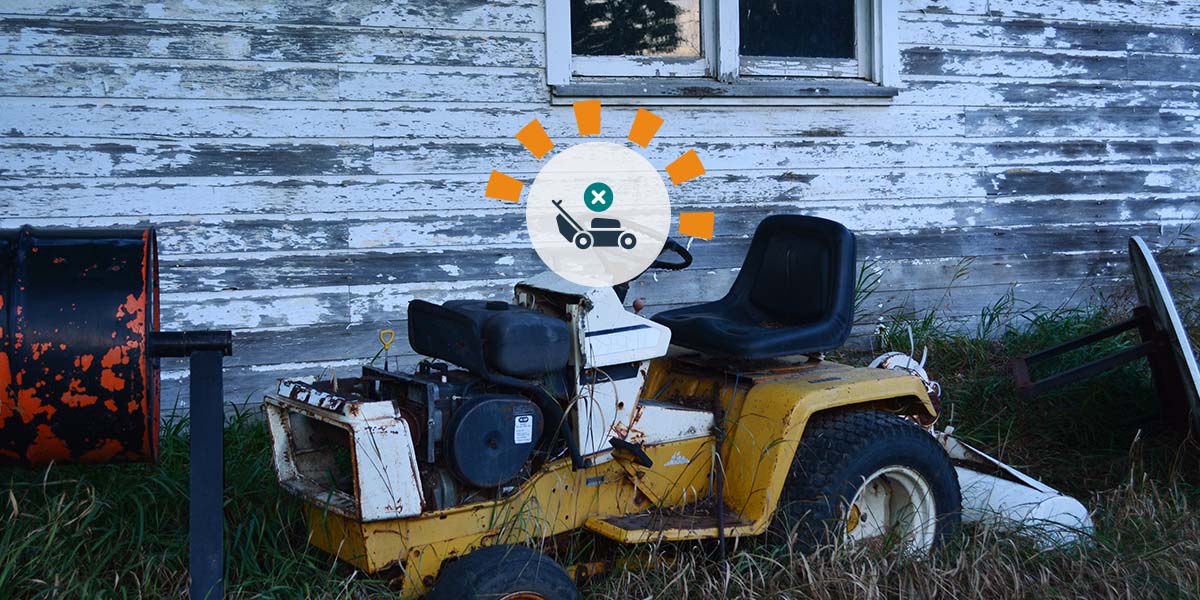
Image Source: dumpsters.com
How Do I Dispose Of Lawn Mower? Eco-Friendly Guide
Wondering how to dispose of a lawn mower? You have several eco-friendly options, including recycling, donating, selling, or utilizing specialized lawn mower junk removal services.
As your trusty lawn mower ages, it’s natural to wonder about its eventual retirement. Disposing of an old mower responsibly is crucial for protecting our environment. This guide will walk you through the best ways to get rid of your old mower, ensuring it doesn’t end up in a landfill. We’ll cover everything from preparing your mower for disposal to finding the right services for lawn mower disposal.
Why Responsible Lawn Mower Disposal Matters
Throwing away a lawn mower without proper care can lead to environmental harm. Old mowers often contain fluids like gasoline, oil, and battery acid. These substances can leach into the soil and water, causing pollution. Metal components, if not recycled, also take up valuable landfill space. Choosing an environmentally friendly mower disposal method helps prevent these issues.
Preparing Your Lawn Mower for Disposal
Before you can say goodbye to your old mower, there are a few important steps to take. Proper preparation ensures safety and makes the disposal process smoother for everyone involved.
Draining Fluids (For Gas Mowers)
Gasoline and oil are hazardous materials. They must be drained from your gas mower before disposal.
- Gasoline:
- Ensure the mower is on a level surface.
- Use a siphon pump or a funnel to carefully drain the gasoline into an approved container.
- Never pour gasoline down a drain or onto the ground.
- Dispose of the collected gasoline at a hazardous waste collection site or a service station that accepts it.
- Oil:
- Locate the oil drain plug. This is usually at the bottom of the engine.
- Place a drain pan underneath the plug.
- Remove the plug and let the oil drain completely into the pan.
- Pour the used oil into a sealable container.
- Used motor oil can often be recycled at auto parts stores or local recycling centers.
Removing Batteries (For Electric Mowers)
Electric mowers, especially riding mowers, often have batteries. These batteries contain lead and acid and require special disposal.
- Locate the battery compartment.
- Carefully disconnect the battery terminals, usually starting with the negative terminal.
- Remove the battery.
- Lead-acid batteries can be recycled at many auto parts stores, battery retailers, or local recycling centers.
Disconnecting Spark Plugs and Fuel Lines
For gas mowers, disconnecting the spark plug wire prevents accidental starting. You can also disconnect fuel lines, though this is less critical if you’ve drained the fuel.
Eco-Friendly Disposal Options
Once your mower is prepped, you can explore various eco-friendly disposal routes.
Option 1: Mower Recycling
Recycling is one of the most environmentally sound ways to dispose of a lawn mower. Metal parts, engines, and even some plastic components can be reused.
- Local Recycling Centers: Many municipal or private recycling centers accept scrap metal and appliances. Check with your local waste management authority for specific drop-off locations or collection days.
- Scrap Metal Yards: These businesses specialize in processing and recycling metal. They often pay by weight for metal items, so you might even get a little money for your old mower. Ensure they accept lawn mowers.
What to Look for at a Recycling Facility:
| Component | Recyclable Material | Disposal Method |
|---|---|---|
| Chassis | Steel, Aluminum | Scrap metal recycling |
| Engine | Metal, Oil (drained) | Scrap metal recycling (engine oil must be drained) |
| Wheels | Rubber, Metal | Tire recycling, Scrap metal recycling |
| Plastic | Various Plastics | Specialized plastic recycling (if accepted) |
| Battery | Lead-Acid | Hazardous waste/battery recycling |
Option 2: Selling a Used Lawn Mower
If your mower is still in working condition, even if it’s a bit older, selling it is a great option. Someone else might need a reliable mower for a smaller yard or a starter mower.
- Online Marketplaces: Websites like Craigslist, Facebook Marketplace, eBay, and OfferUp are excellent platforms to list your mower.
- Local Classifieds: Traditional newspapers or community bulletin boards can also be effective.
- Garage Sales: If you’re having a larger sale, include your mower.
Tips for Selling:
- Clean it up: A clean mower looks more appealing.
- Take good photos: Show it from multiple angles.
- Be honest about its condition: Disclose any issues.
- Set a fair price: Research similar mowers in your area.
- Mention it’s a gas mower disposal or electric mower disposal option: This can attract buyers looking for specific types.
Option 3: How to Donate a Lawn Mower
Donating a functional lawn mower is a fantastic way to support charities and community organizations.
- Local Charities: Many charities accept donations of usable equipment. Habitat for Humanity ReStores, local community centers, or organizations that help elderly or low-income individuals with yard work are good places to start.
- Schools or Vocational Programs: Some schools with groundskeeping or mechanic programs might accept older, but still functional, equipment for training purposes.
- Community Gardens: These often need tools and equipment to maintain their plots.
Before Donating:
- Call ahead: Confirm they accept lawn mowers and inquire about their drop-off times and procedures.
- Ensure it’s in good working order: A non-functional donation can become a burden for the charity.
Option 4: Lawn Mower Junk Removal Services
If your mower is beyond repair or you can’t find a buyer or donation recipient, specialized junk removal services can help. These companies are equipped to handle bulky items and often have established recycling and disposal protocols.
- National Chains: Companies like 1-800-GOT-JUNK? or Junk King often offer appliance and yard equipment removal.
- Local Haulers: Search for local junk removal or hauling services in your area.
When choosing a service:
- Inquire about their disposal practices: Ask if they prioritize recycling or donation.
- Get a quote upfront: Understand the costs involved.
- Confirm they handle hazardous materials: If you couldn’t drain all fluids, they should be able to.
This is a convenient way to manage lawn mower junk removal, especially if you have other bulky items to get rid of.
Specific Considerations for Different Mower Types
The process of disposing of a lawn mower can vary slightly depending on whether it’s a gas or electric model.
Gas Mower Disposal
Disposing of a gas mower requires extra attention due to the flammable fuel and lubricants.
- Drain Fluids: As detailed earlier, thoroughly drain all gasoline and oil.
- Recycle Fluids: Take used oil and gasoline to designated hazardous waste collection sites.
- Metal Recycling: The metal components of a gas mower are highly recyclable. Take it to a scrap metal yard or a recycling center that accepts it.
- Engine Disposal: The engine itself contains metal and can be recycled. Ensure it’s drained of all fluids.
Electric Mower Disposal
Electric mowers, while generally greener, still have components that need careful disposal.
- Battery Removal: Remove the battery. Lead-acid batteries are common, and these need to be recycled through proper channels (auto parts stores, battery retailers). Lithium-ion batteries, found in newer models, also have specialized recycling programs.
- Cord Disposal: If your electric mower has a cord, the plastic and copper can often be recycled.
- Metal and Plastic Components: The rest of the mower, comprising metal and plastic parts, can typically go to a metal recycler or a general recycling facility.
Riding Mower Disposal
Riding mowers are larger and heavier, presenting a different set of challenges.
- Fluid Draining: Similar to push mowers, drain all fuel and oil. Riding mowers often have larger fuel tanks and might require more effort.
- Battery: Riding mowers almost always have car-style batteries that need to be handled for recycling.
- Transportation: Due to their size and weight, you might need a truck or trailer to transport a riding mower to a disposal or recycling facility. Junk removal services are particularly useful for these larger units.
- Tire Disposal: The tires may need to be disposed of separately through tire recycling programs if the facility doesn’t accept them.
What About Other Lawn Equipment?
The principles of eco-friendly disposal apply to other lawn equipment too.
- Trimmers and Leaf Blowers: These can often be recycled like smaller lawn mowers. If they are gas-powered, drain fluids. Electric models have batteries or cords that need proper recycling.
- Tillers and Garden Carts: These larger items will likely require a junk removal service or a trip to a scrap metal yard if they are no longer functional.
- Snow Blowers: Similar to gas mowers, drain fuel and oil and consider recycling metal components.
The Environmental Impact of Improper Disposal
Ignoring responsible disposal practices can have significant negative consequences:
- Soil and Water Contamination: Leaking oil, gasoline, and battery acid can contaminate soil and groundwater, harming ecosystems and potentially affecting drinking water sources.
- Landfill Overcrowding: Non-biodegradable materials and metals take up valuable landfill space, which is a finite resource.
- Resource Waste: Valuable metals and other materials that could be recycled are lost forever in landfills.
Finding Local Resources for Lawn Mower Disposal
Knowing where to go is key to an easy and eco-friendly disposal.
How to Find Mower Recycling Near You
- Your City or County Waste Management Website: This is often the best starting point. They usually list recycling centers, hazardous waste drop-off sites, and appliance recycling programs.
- Earth911: This website allows you to search for recycling facilities by material and zip code.
- Call Your Local Auto Parts Stores: Many stores that sell car batteries also accept old lead-acid batteries for recycling.
Identifying Lawn Mower Junk Removal Services
- Online Search Engines: Use terms like “lawn mower junk removal [your city],” “appliance disposal [your city],” or “hauling services [your city].”
- Ask Neighbors: Word-of-mouth recommendations can lead you to reliable local services.
Cost of Disposal
The cost of disposing of a lawn mower can vary.
- Recycling Centers: Many municipal recycling centers offer free drop-off for residents. Private scrap metal yards might even pay you for the metal weight.
- Hazardous Waste Disposal: There might be a small fee for disposing of hazardous materials like old gasoline or oil at designated collection sites.
- Donation: This is free, but requires your mower to be in working condition.
- Selling: You can earn money by selling a working mower.
- Junk Removal Services: These services typically charge a fee based on the volume of items removed and the labor involved. Expect to pay anywhere from $75 to $300 or more, depending on the service and your location.
Frequently Asked Questions (FAQ)
Q1: Can I just put my old lawn mower in the trash?
A1: No, it is generally not recommended and often illegal to put a lawn mower, especially a gas mower, directly into your regular trash or curbside pickup. They contain hazardous fluids and bulky metal components that require special handling.
Q2: What if my lawn mower still works?
A2: If your lawn mower is still functional, consider selling it online or locally, or donating it to a charity or community organization. This is a great way to give it a second life and avoid waste.
Q3: Where can I recycle a lawn mower?
A3: You can recycle a lawn mower at local scrap metal yards, municipal recycling centers, or specialized appliance recycling facilities. Always call ahead to confirm they accept lawn mowers and follow their preparation guidelines.
Q4: How do I get rid of the gasoline and oil from my mower?
A4: You must drain all gasoline and oil from a gas mower before disposal. Collect these fluids in approved containers and take them to a local hazardous waste collection site or a service station that accepts used oil. Never pour them down drains or on the ground.
Q5: Are there special services for lawn mower disposal?
A5: Yes, there are lawn mower junk removal services that specialize in picking up and disposing of old lawn equipment. These services are convenient, especially for larger items like riding mowers, and often handle the recycling process.
Q6: Is electric mower disposal different from gas mower disposal?
A6: Yes, the main difference is the absence of gasoline and oil. However, electric mowers often contain batteries (lead-acid or lithium-ion) that require separate recycling through designated battery recycling programs.
By following these guidelines, you can ensure your old lawn mower is disposed of in a way that is both responsible and environmentally friendly. Happy mowing (or rather, responsible retiring)!