
Can you get rid of crayfish in your yard? Yes, you can effectively manage and reduce crayfish populations in your yard through a combination of methods.
Crayfish, also known as crawfish or crawdads, are fascinating freshwater crustaceans. However, when these burrowing pests make their home in your yard, particularly near water sources or damp areas, they can become a nuisance. Their activity can lead to unsightly mounds of soil, damaged lawns, and even undermine structures. Dealing with crayfish in your yard is a common concern for homeowners, especially those with ponds, water features, or proximity to natural waterways. This guide will walk you through the best ways to tackle these aquatic invaders and protect your property.
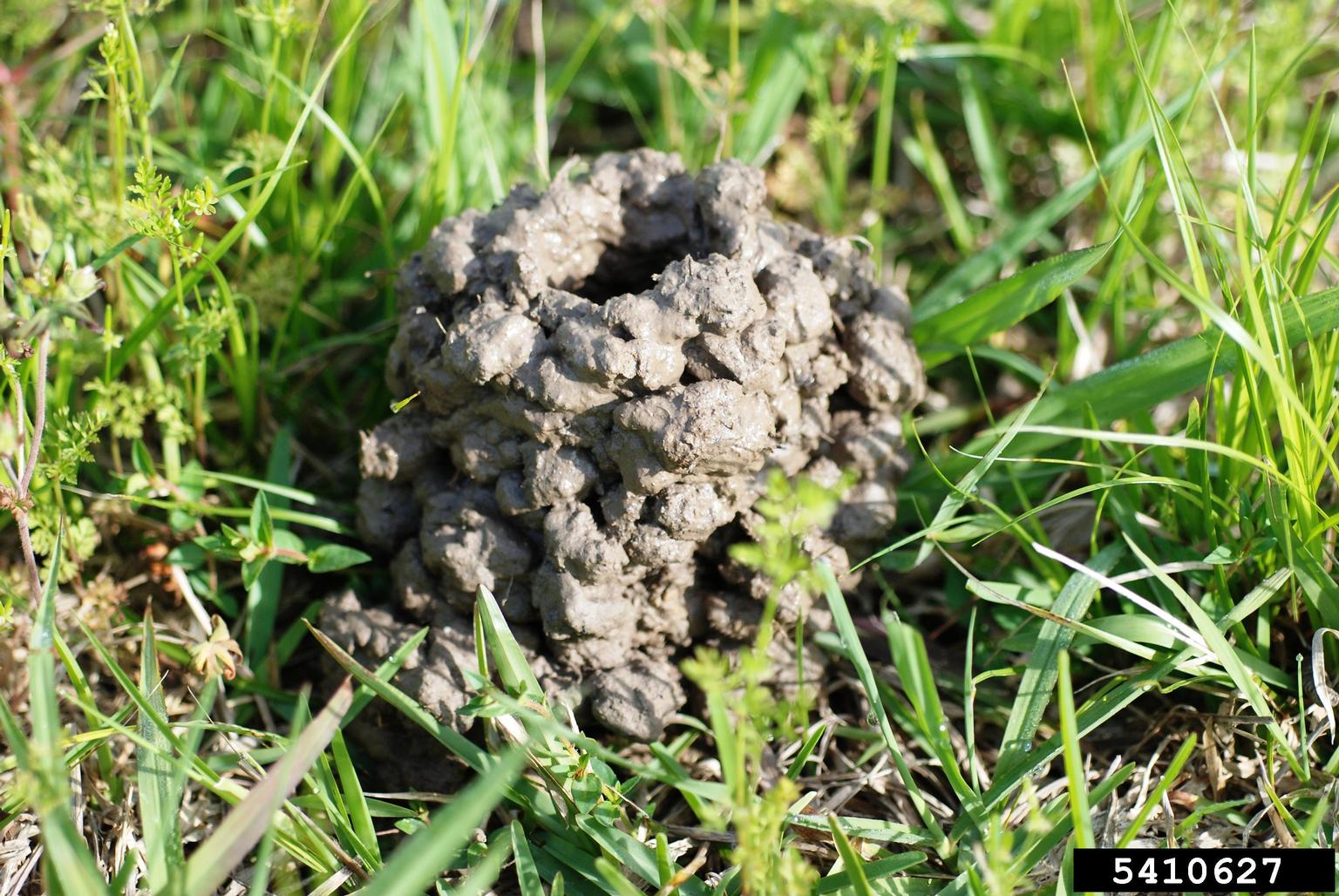
Image Source: cdn.mos.cms.futurecdn.net
Why Crayfish Become Yard Pests
Crayfish thrive in environments with plenty of water and places to hide and burrow. Yards that offer these conditions become attractive habitats.
Factors Attracting Crayfish
- Water Sources: Ponds, streams, ditches, poorly draining areas, and even leaky outdoor faucets provide the essential moisture crayfish need.
- Shelter: Submerged vegetation, rocks, logs, and especially the burrows they create offer protection from predators and drying out.
- Food: Crayfish are omnivores, feeding on plants, insects, small fish, and decaying organic matter. Yards with abundant vegetation or potential food sources can attract them.
- Substrate: They prefer soft, muddy, or sandy bottoms for burrowing.
The Damage Crayfish Can Cause
Crayfish aren’t just unsightly; their burrowing habits can cause significant crayfish damage to your property.
Common Issues
- Lawn Damage: The most visible sign is the mounds of mud, called chimneys, they push up from their burrows. These can be tripped over and make mowing difficult. Their burrowing can also weaken the soil structure, leading to sinkholes or uneven terrain.
- Structure Damage: If crayfish burrow too close to foundations, retaining walls, or other structures, their tunnels can weaken the integrity of these items, potentially causing cracks or collapse.
- Erosion: Burrowing activity, especially near water bodies, can contribute to bank erosion.
- Impact on Ponds: In ponds, they can eat ornamental plants, disturb the substrate, and even prey on small fish or eggs.
Strategies for Crayfish Removal
Getting rid of crayfish in your yard requires a multi-pronged approach. Here are the most effective strategies for crayfish removal.
1. Habitat Modification: Making Your Yard Less Appealing
The most sustainable way to manage crayfish is to make your yard an uninviting place for them. This is a key aspect of lawn care and garden protection.
Reducing Water Sources
- Improve Drainage: Ensure your yard drains well. Fix leaky pipes, gutters, and sprinkler systems. Fill in low-lying areas that collect water after rain.
- Manage Ponds: If you have a pond, maintain healthy water levels and consider how to make the edges less conducive to burrowing.
Eliminating Shelter
- Remove Debris: Clear away piles of leaves, logs, rocks, and other debris, especially near water sources. These provide hiding places and materials for burrow construction.
- Keep Edges Clear: Maintain a clear, well-mowed edge around ponds and water features.
2. Physical Removal and Trapping
For immediate reduction or to catch existing populations, physical methods are highly effective. Using crayfish traps is a popular and humane option.
Crayfish Traps
How to Use Crayfish Traps:
Crayfish traps are designed to lure crayfish in and prevent them from escaping. They are typically made of mesh or netting with an opening that leads into a larger chamber.
- Types of Traps:
- Funnel Traps: These have one or more funnels that get narrower towards the opening.
- Net Traps: These are collapsible nets with a central bait compartment.
- Baiting Your Traps: Effective baits include raw chicken, fish scraps, hot dogs, or even canned cat food. Place the bait in the center of the trap.
- Placement: Set traps in areas where you see the most crayfish activity, such as near burrow entrances or in shallow water.
- Deployment:
- In Water: Submerge the trap so it rests on the bottom. Tie a buoyant rope to it with a visible float so you can easily find and retrieve it.
- Near Burrows: Place traps near the entrances of their burrows, especially in the evening or early morning when they are most active.
- Checking Traps: Check your traps regularly, at least once a day, to remove captured crayfish and re-bait.
Manual Collection
- Gloves are Essential: Wear thick gloves, as crayfish can pinch with their claws.
- Catching by Hand: If you see a crayfish, you can try to quickly scoop it up. This is more effective for larger, visible individuals.
- Using Nets: A sturdy net can also be used to scoop them up from shallow water or their burrow entrances.
3. Chemical Control: When to Consider It
Chemical options for yard pest control are generally a last resort due to potential environmental impacts. Always use chemicals responsibly and according to label instructions.
Permissible Pesticides
- Consult Local Regulations: Before using any chemical, check your local and state regulations. Some areas have restrictions on what can be used to control crayfish, especially near waterways.
- Registered Products: Look for products specifically labeled for crayfish control. These often contain active ingredients like carbaryl or permethrin.
- Application:
- Direct Application to Burrows: Apply the pesticide directly into the burrow opening.
- Area Treatment: In some cases, a broader application might be suggested, but this carries a higher risk of harming beneficial organisms.
Important Considerations for Chemical Use:
- Non-Target Organisms: Be aware that pesticides can harm other wildlife, including fish, beneficial insects, and pets.
- Water Contamination: Avoid applying chemicals near water sources like ponds or streams to prevent contamination.
- Personal Safety: Always wear protective gear when handling pesticides.
4. Biological Control: Natural Deterrents
While not a direct removal method, encouraging natural predators can help keep crayfish populations in check over the long term.
- Attracting Predators: Birds like herons and egrets, as well as larger fish in ponds, can help control crayfish numbers. Creating a habitat that attracts these natural predators can be beneficial for overall pond management.
5. Sealing Burrows
After removal or as a deterrent, sealing burrow entrances can discourage them from returning or creating new ones.
- Materials: Use soil, clay, or a mixture of both to fill the burrows.
- Compaction: Pack the material tightly to prevent them from easily reopening the tunnels.
Specific Scenarios and Solutions
The best approach might vary depending on your specific situation.
Crayfish in Ponds
Pond management requires careful consideration to protect aquatic life.
- Reduce Vegetation: Trim back excessive aquatic vegetation around the pond edges where crayfish often hide and burrow.
- Mechanical Removal: Use crayfish traps baited with fish scraps or chicken. Check them daily.
- Predator Encouragement: Introduce fish species that are known to eat crayfish, or create an environment that attracts wading birds.
- Edge Reinforcement: For severe burrowing issues along pond banks, consider reinforcing the edges with rocks or gravel, making burrowing more difficult.
- Water Level Fluctuation: If feasible and safe for other pond inhabitants, temporarily lowering water levels can expose burrows and make crayfish more vulnerable.
Crayfish on Lawns
Dealing with burrowing pests on your lawn primarily focuses on repairing damage and deterring further activity.
- Fill Burrow Mounds: Level the soil mounds with a rake or shovel.
- Monitor and Trap: Use crayfish traps placed near active burrow entrances.
- Water Management: Ensure your lawn is not consistently waterlogged, as this encourages burrowing.
- Aeration: Aerating your lawn can improve drainage and soil structure, making it less appealing for burrowing.
Crayfish Near Structures
Protecting foundations and walls from crayfish damage is crucial.
- Relocate or Remove: Actively trap and remove crayfish found near structures.
- Seal Entry Points: Inspect foundations for any existing holes or cracks that might lead to a burrow. Seal these promptly.
- Barrier Installation: In extreme cases, consider installing a subterranean barrier, such as wire mesh or a concrete barrier, to prevent burrowing near vulnerable structures. This is a more intensive garden protection measure.
Prevention is Key
The best long-term strategy for managing crayfish in your yard is prevention.
Long-Term Prevention Tips
- Consistent Yard Maintenance: Regular mowing, debris removal, and proper drainage are your first lines of defense.
- Water Feature Management: If you have a pond or water garden, design it with crayfish deterrence in mind. Avoid providing excessive hiding spots along the edges.
- Native Plant Selection: Choose native plants that are less appealing as a food source for crayfish, or that have root systems less attractive for burrowing.
- Education: If you live near a natural water body, encourage neighbors to adopt similar prevention practices.
Frequently Asked Questions (FAQ)
Here are some common questions people have about getting rid of crayfish.
Q1: Are crayfish dangerous to humans?
A: Crayfish are generally not dangerous to humans. They can pinch with their claws if handled, but these pinches are usually not severe and can be avoided by wearing gloves. They do not carry diseases that are typically transmitted to humans through contact.
Q2: How can I tell if I have crayfish in my yard?
A: The most common sign is the presence of mud chimneys or mounds of soil pushed up from the ground. You might also see small holes in damp soil, especially near water sources. In ponds, you might notice missing aquatic plants or evidence of burrowing along the banks.
Q3: Can I use salt to get rid of crayfish?
A: While salt can kill crayfish by dehydrating them, it is not recommended for use in yards or near water sources. Salt can damage plants, harm soil microorganisms, and contaminate water bodies, posing a significant threat to aquatic life and the environment. It’s considered a harmful method for lawn care and garden protection.
Q4: Are there any natural predators I can encourage to help with crayfish removal?
A: Yes, certain animals are natural predators of crayfish. Encouraging birds like herons, egrets, and some waterfowl can help. In ponds, larger predatory fish can also consume crayfish. Creating a welcoming habitat for these species is a sustainable, long-term strategy.
Q5: What is the best time of year to trap crayfish?
A: The best time to trap crayfish is typically during warmer months, from spring through fall, when they are most active. Early morning and evening are often the most productive times for trapping.
Q6: Can crayfish harm my foundation?
A: Yes, if crayfish burrow extensively near your home’s foundation, their tunnels can weaken the soil and potentially cause structural issues over time. This is particularly true in areas with soft soil or high water tables. It highlights the importance of prompt crayfish removal and yard pest control if they are close to your home.
Q7: How do I deal with crayfish in my garden beds?
A: In garden beds, you can use crayfish traps placed at the edges or near active burrows. Removing debris that offers shelter and ensuring the soil doesn’t remain waterlogged will also help. For severe infestations affecting plants, consider physical barriers or netting around vulnerable plants. This is a crucial part of garden protection.
Q8: Are crayfish considered aquatic invaders?
A: While native crayfish are a natural part of many freshwater ecosystems, in certain contexts, particularly when their populations explode or invasive species are introduced, they can be considered aquatic invaders that disrupt local habitats and ecosystems. Managing their numbers in your yard can contribute to the health of your local environment.
Conclusion
Managing crayfish in your yard is achievable with a consistent and informed approach. By understanding their needs and implementing a combination of habitat modification, physical removal, and preventative measures, you can effectively reduce their numbers and protect your property from crayfish damage. Prioritizing eco-friendly methods like trapping and habitat improvement will lead to a healthier, more enjoyable yard. Remember, patience and persistence are key to successful yard pest control and maintaining beautiful lawn care and garden protection.