
Yes, you can replace your lawn with gravel for a low-maintenance landscape. This guide will show you how to do it effectively.
Transitioning from a traditional grass lawn to a gravel landscape offers a compelling solution for homeowners seeking a low maintenance garden. This approach not only significantly reduces the need for watering, mowing, and fertilizing but also creates a visually appealing and drought tolerant landscaping style. Many gravel garden ideas focus on sustainability and ease of care, making the conversion a practical choice for busy individuals or those living in water-restricted areas. This article will provide a comprehensive, step-by-step process for your lawn removal gravel project, ensuring a beautiful and enduring result.
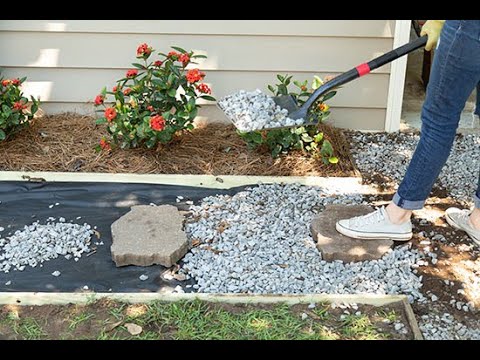
Image Source: i.ytimg.com
Why Choose Gravel for Your Landscape?
The appeal of a gravel landscape lies in its numerous benefits, primarily its low maintenance garden characteristics. Unlike a grass lawn that demands constant attention, gravel areas require minimal upkeep.
Benefits of a Gravel Landscape:
- Reduced Water Consumption: Gravel landscapes are inherently drought tolerant landscaping solutions. They drastically cut down on the need for irrigation, saving both water and money.
- Minimal Mowing and Weeding: Once installed correctly, gravel areas are largely free from the need for mowing. While some weeding may occur, it’s far less labor-intensive than managing a grass lawn.
- Cost-Effectiveness: While the initial installation can have costs, the long-term savings on water, fertilizers, and lawn care equipment often make gravel a more economical choice.
- Aesthetic Versatility: From simple pathways to elaborate stone garden design features, gravel offers a wide range of decorative gravel options to complement any architectural style.
- Improved Drainage: Gravel allows water to permeate the ground, which can help prevent waterlogging and erosion.
- Environmentally Friendly: Reduced reliance on chemical fertilizers and pesticides, coupled with lower water usage, makes gravel landscaping a more eco-conscious option.
- Durability: Properly installed gravel can last for many years with minimal intervention.
Planning Your Gravel Landscape Conversion
Before you grab a shovel, careful planning is crucial for a successful lawn removal gravel project. This phase sets the foundation for a durable and attractive low maintenance garden.
Assessing Your Space and Goals
- Identify Areas for Conversion: Decide which parts of your lawn you want to replace with gravel. This could be your entire lawn, specific garden beds, pathways, or even areas designated for outdoor seating.
- Consider the Purpose: What will these gravel areas be used for? A gravel driveway will require a different type and depth of gravel than a decomposed granite pathway or a decorative garden border.
- Analyze Sunlight and Drainage: Observe how sunlight hits the areas you plan to convert. This will help you choose appropriate plants if you plan to incorporate them, and assess any drainage issues that need addressing.
- Budgeting: Determine your budget for materials, tools, and any potential professional help.
Choosing Your Gravel
The type of gravel you select will significantly impact the look, feel, and functionality of your low maintenance garden. There are many decorative gravel options available, each with unique characteristics.
Types of Gravel:
| Gravel Type | Description | Best Uses | Considerations |
|---|---|---|---|
| Pea Gravel | Small, smooth, rounded stones, typically 1/4 to 3/8 inch in size. | Pathways, decorative ground cover, dog runs. | Can shift and migrate, may be less stable for heavy traffic. |
| Crushed Stone | Angular, sharp-edged stones, available in various sizes. | Driveways, paths with good stability, foundations. | Its angularity helps it interlock for stability. Can be rough underfoot. |
| Decomposed Granite | Fine-grained, crushed granite that compacts into a firm surface. | Pathways, patios, xeriscaping. | Creates a solid, dust-free surface. Needs regular edging to contain. |
| River Rock | Smooth, naturally rounded stones in larger sizes (1 inch to several inches). | Dry riverbeds, decorative borders, accent features. | Can be expensive and heavy. Provides a natural, flowing look. |
| Gravel Blends | Mixes of different stone types and sizes for visual appeal. | General landscaping, garden beds, pathways. | Offers diverse color and texture. Ensure the blend suits your intended use. |
Factors to Consider When Choosing Gravel:
- Color and Texture: Match the gravel to your home’s architecture and existing landscaping.
- Size and Shape: Smaller, rounded stones are comfortable to walk on, while angular stones offer more stability.
- Cost: Prices vary significantly by type, quantity, and source.
- Availability: Check local suppliers for the best options in your area.
Essential Tools and Materials
Gathering the right tools and materials will make the lawn removal gravel process smoother and more efficient.
Tools You’ll Need:
- Shovel: For digging and removing sod.
- Rake: For leveling and spreading gravel.
- Wheelbarrow: For transporting sod, soil, and gravel.
- Edging Tools: Spade, flat shovel, or specialized edger to create clean borders.
- Tamper: For compacting the base layer and the gravel itself.
- Gloves: To protect your hands.
- Safety Glasses: To protect your eyes from debris.
- Utility Knife or Sod Cutter: For removing sod more efficiently.
- Level: To ensure even surfaces.
- Measuring Tape: For accurate measurements.
Key Materials:
- Gravel: Your chosen type and quantity. Calculate based on the area’s square footage and desired depth.
- Landscape Fabric (Weed Barrier): Crucial for preventing weeds and separating soil from gravel. This is a key component for landscape fabric under gravel.
- Edging Material: Options include metal, plastic, wood, stone, or concrete to create clean boundaries.
- Base Material (Optional but Recommended): Crushed stone or gravel for a stable sub-base, especially for high-traffic areas like driveways.
- Border Stabilizers (Optional): Products designed to lock gravel in place and prevent migration.
Step-by-Step Guide to Replacing Lawn with Gravel
Follow these steps for a successful lawn removal gravel project that results in a beautiful low maintenance garden.
Step 1: Planning and Layout
- Mark the Area: Use stakes and string or spray paint to outline the areas you will convert.
- Consider Drainage: If you have persistent drainage issues, plan to address them now. This might involve creating gentle slopes away from your house or installing French drains.
- Plan for Edging: Decide on the type of edging you will use and how it will be installed.
Step 2: Lawn Removal (Sod Removal)
This is often the most labor-intensive part of lawn removal gravel projects.
- Manual Removal: Use a sharp spade or shovel to cut the sod into manageable strips. Pry up the sod and roll or stack it to remove.
- Using a Sod Cutter: Renting a sod cutter can significantly speed up this process. Adjust the depth to cut just below the grass roots.
- Disposing of Sod: You can compost the sod, use it in other garden areas, or dispose of it according to local regulations.
Step 3: Preparing the Soil Bed
Once the sod is removed, prepare the underlying soil.
- Leveling: Rake the exposed soil to remove any large debris, rocks, and remaining grass roots.
- Compacting (Optional): For added stability, especially in high-traffic areas, you can lightly compact the soil using a hand tamper or a rented plate compactor.
- Addressing Soil Issues: If the soil is very compacted or has poor drainage, you might consider loosening it with a tiller and adding some compost. However, for a pure gravel landscape, this is often unnecessary.
Step 4: Installing Edging
Edging is vital to contain the gravel and create a clean, finished look.
- Dig a Trench: Dig a trench along the marked perimeter of your gravel area. The depth will depend on your chosen edging material and the desired height of the gravel.
- Install Edging: Place your chosen edging material into the trench and secure it firmly. Ensure the top edge of the edging is slightly above the planned finished grade of the gravel. This is crucial for containing the gravel, especially for pathways like a decomposed granite pathway.
Step 5: Laying Landscape Fabric
This is a critical step for a truly low maintenance garden and to prevent weeds from growing through your gravel.
- Unroll and Cut: Lay the landscape fabric over the prepared soil bed, ensuring it extends up the sides of the edging. Overlap seams by at least 6 inches to prevent gaps where weeds can emerge. You can use landscape staples to temporarily hold the fabric in place.
- Cut for Obstacles: Carefully cut openings in the fabric for any existing plants or features you are keeping.
- Securing the Fabric: Ensure the fabric is smooth and free of wrinkles. You may need to secure it further with more staples, especially on slopes.
Step 6: Adding a Base Layer (Optional but Recommended)
For areas that will experience significant foot traffic or vehicle weight (like a gravel driveway), adding a base layer of crushed stone is highly beneficial.
- Spread the Base Material: Spread a layer of crushed stone (typically 3-6 inches deep) over the landscape fabric.
- Level and Compact: Rake the base material to a uniform level and then compact it thoroughly using a tamper or plate compactor. This creates a solid, stable foundation.
Step 7: Adding Your Decorative Gravel
Now for the visually satisfying part – spreading the decorative gravel.
- Calculate Quantity: Ensure you have enough gravel for the desired depth. A general rule of thumb is 1.5 to 2 inches of gravel for decorative areas and 3-4 inches for driveways.
- Spread the Gravel: Dump the gravel in piles and then use your rake to spread it evenly across the landscape fabric. Work in sections to make the process manageable.
- Level and Smooth: Use your rake to achieve a smooth, even surface. If you used a base layer, you might find this step easier.
- Compact the Gravel: For high-traffic areas, use a tamper to compact the gravel, creating a firmer surface.
Step 8: Finishing Touches
- Check Edging: Ensure the edging is secure and neatly contains the gravel.
- Clean Up: Remove any stray gravel from adjacent areas.
- Add Plants (Optional): If your gravel garden ideas include plants, now is the time to plant them. Cut the landscape fabric where you need to plant and backfill with soil around the plant’s base. Consider xeriscape landscaping principles and select drought tolerant landscaping species for a truly low maintenance garden.
Maintaining Your Gravel Landscape
The beauty of a gravel landscape is its low maintenance garden nature. However, some minimal upkeep will keep it looking its best.
Regular Upkeep:
- Raking: Periodically rake the gravel to redistribute it evenly and remove any leaves or debris.
- Weeding: While the landscape fabric significantly reduces weeds, some may still sprout. Pull these by hand as soon as you see them.
- Replenishing Gravel: Over time, some gravel may be displaced or settle. You may need to top up areas with additional gravel every few years.
- Edging Maintenance: Check your edging periodically to ensure it’s still in place and preventing gravel migration.
Dealing with Common Issues:
- Weed Growth: If weeds are persistent, you might need to reseal or replace sections of your landscape fabric or consider organic weed control methods.
- Gravel Migration: If gravel is moving out of its designated area, your edging may need to be deeper or more robust. Border stabilizers can also help.
- Silt Buildup: In areas with heavy rain or dust, silt can accumulate, potentially encouraging weed growth. You can lightly rinse the gravel or rake it to help with drainage and aeration.
Incorporating Plants into Your Gravel Landscape
For those who love greenery but want a low maintenance garden, integrating plants into a gravel landscape is an excellent xeriscape landscaping strategy.
Choosing the Right Plants:
- Drought-Tolerant Species: Select plants that thrive with minimal water. Many succulents, ornamental grasses, and Mediterranean herbs are perfect choices for drought tolerant landscaping.
- Native Plants: Native plants are often well-adapted to your local climate and soil conditions, requiring less care.
- Consider Size and Spread: Choose plants that won’t outgrow their space or require constant pruning.
- Aesthetic Appeal: Think about foliage color, texture, and bloom times to create visual interest throughout the year.
Planting Techniques:
- Cut Openings: Carefully cut an “X” or a circle in the landscape fabric where you intend to plant.
- Dig and Plant: Dig a hole slightly larger than the plant’s root ball. Place the plant in the hole and backfill with a good quality potting mix or compost.
- Water In: Water the newly planted specimen thoroughly.
- Mulch Around Plants: Add a layer of gravel or mulch around the base of the plant, keeping it a few inches away from the stem. This helps retain moisture and suppress weeds.
Popular Gravel Garden Ideas and Design Concepts
The versatility of gravel allows for a wide array of gravel garden ideas. Here are a few popular design concepts:
Modern Minimalist:
- Gravel Type: Fine-textured decomposed granite or pea gravel in neutral tones.
- Planting: Sparse planting of architectural plants like ornamental grasses, succulents, or a single specimen tree.
- Features: Clean lines, simple geometric shapes, minimal ornamentation.
Mediterranean Charm:
- Gravel Type: Light-colored gravel or pea gravel.
- Planting: Lavender, rosemary, thyme, olive trees, and other drought tolerant landscaping plants.
- Features: Terracotta pots, natural stone accents, wrought iron furniture.
Rustic Zen Garden:
- Gravel Type: Fine, light-colored gravel or decomposed granite raked into patterns.
- Planting: Very minimal planting, perhaps a single bonsai tree or a few mosses.
- Features: Smooth river stones, stone lanterns, water features, a sense of calm and order.
Native Plant Haven:
- Gravel Type: Locally sourced gravel that complements native plant colors.
- Planting: A diverse mix of native wildflowers, grasses, and shrubs adapted to dry conditions.
- Features: Naturalistic design, attracting local wildlife.
Frequently Asked Questions (FAQ)
Will weeds grow through my gravel?
While landscape fabric under gravel is highly effective at preventing weeds, some may still emerge from seeds that land on top of the gravel or from the soil beneath the fabric if there are gaps. Regular raking and hand-pulling are usually sufficient to manage them.
How deep should the gravel be?
The ideal depth depends on the intended use. For decorative areas, 1.5 to 2 inches is often sufficient. For pathways and areas with moderate foot traffic, 2 to 3 inches is better. For gravel driveways or areas that need to support weight, 4 to 6 inches of gravel, often with a compacted base layer, is recommended.
Can I put gravel over my existing lawn without removing the sod?
While it might seem like a shortcut, it’s strongly advised to remove the sod first. If you lay gravel directly over the lawn, the grass and weeds will continue to grow, and the decomposing organic matter can create an anaerobic environment, leading to mold and odor issues. Proper lawn removal gravel is key to a successful, long-lasting low maintenance garden.
How do I deal with mud if the landscape fabric gets saturated?
If the landscape fabric is properly installed and the gravel is of a suitable type, saturation leading to mud is unlikely. The gravel allows for excellent drainage. However, if you notice excessive water pooling, it might indicate an issue with the fabric installation, the underlying soil drainage, or the gravel itself. Ensure the fabric is permeable and the gravel is not too fine or compacted, which can impede drainage.
Is gravel a good choice for a gravel driveway?
Yes, gravel is an excellent and popular choice for driveways, especially when using crushed stone or angular gravel that can interlock for stability. It’s crucial to prepare a solid base layer and use sufficient depth of gravel for vehicle traffic to prevent ruts and ensure durability.
By following these guidelines, you can successfully transform your lawn into a beautiful, functional, and incredibly low maintenance garden that enhances your property’s appeal and conserves precious water resources. The transition to a gravel landscape is a rewarding project for anyone looking to simplify their yard work and embrace sustainable xeriscape landscaping.