
So, how often should you reseed your lawn? Generally, you should aim to reseed your lawn every 1-3 years as part of a regular lawn maintenance schedule. However, the ideal frequency depends on your lawn’s specific condition, the types of grass you have, and your desired level of lawn perfection. Overseeding a lawn annually or every other year is a fantastic way to keep it healthy and dense, especially if you’re dealing with bare patches or thinning areas.
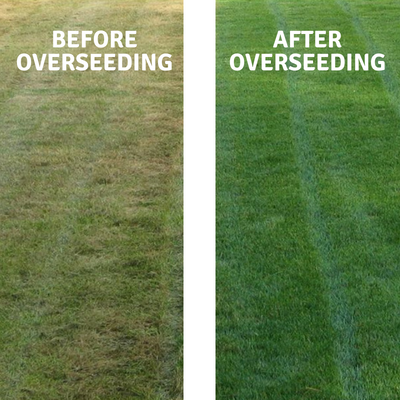
Image Source: www.turfunlimited.com
The Art of Lawn Reseeding: When and Why
A lush, green carpet of grass is the envy of the neighborhood. But achieving and maintaining that perfect lawn often requires more than just regular mowing and watering. Lawn reseeding, also known as overseeding, is a vital practice for improving lawn density, repairing bare patches, and generally restoring the vitality of your turf. This comprehensive guide will delve into lawn reseeding frequency, helping you establish a beneficial lawn care calendar and understand the best time to reseed your lawn for optimal results.
What is Lawn Reseeding?
Lawn reseeding involves sowing grass seed over an existing lawn. It’s not about starting from scratch but rather about introducing new grass to fill in thin areas, improve the overall health and appearance of the turf, and introduce more resilient grass varieties. This process is a cornerstone of effective lawn renovation frequency and a key component of any good lawn maintenance tips.
Why Reseed Your Lawn?
There are several compelling reasons why you might consider reseeding your lawn:
- Improving Lawn Density: Over time, lawns can become thin due to foot traffic, disease, pests, or harsh weather. Reseeding introduces new grass plants, thickening the turf and making it more resistant to weeds and stress.
- Repairing Bare Patches: Accidental spills, pet urine, or insect damage can leave unsightly bare spots. Reseeding is the most effective way to fill these gaps and restore a uniform appearance.
- Introducing Better Grass Varieties: You might want to switch to a more drought-tolerant, disease-resistant, or shade-tolerant grass type. Reseeding allows you to gradually introduce these improved varieties into your existing lawn.
- Combating Weeds: A thick, healthy lawn crowds out weeds. By reseeding, you strengthen your turf and reduce its susceptibility to weed invasion.
- Enhancing Color and Texture: Reseeding can introduce grass species that offer a richer green color or a finer texture, improving the overall aesthetic appeal of your lawn.
- Seasonal Wear and Tear: Lawns can suffer from wear and tear throughout the year, especially in high-traffic areas. Reseeding helps recover from this damage.
Determining Your Lawn Reseeding Schedule
The question of “how often” is complex, as there’s no one-size-fits-all answer. Your lawn’s specific needs will dictate its reseeding schedule. Let’s explore the factors that influence this important decision.
Factors Influencing Reseeding Frequency
Several elements play a role in how often you should reseed your lawn:
- Grass Type: Cool-season grasses (like Kentucky bluegrass, perennial ryegrass, and fescues) generally benefit from overseeding in the fall, while warm-season grasses (like Bermuda, Zoysia, and St. Augustine) are best overseeded in late spring or early summer.
- Lawn Condition:
- Thinning Lawns: If your lawn looks sparse and you can easily see the soil between grass blades, it’s likely time to consider overseeding. This is a key indicator for improving lawn density.
- Bare Spots: The presence of bare patches, especially after a difficult season or due to damage, signals the need for reseeding to repair them.
- Weedy Lawns: If weeds are a persistent problem, strengthening your grass through reseeding can be an effective strategy.
- Climate and Environmental Conditions:
- Drought: Prolonged dry spells can stress and thin out a lawn, making reseeding beneficial for recovery.
- Extreme Temperatures: Both excessive heat and severe cold can damage grass, necessitating reseeding to fill in weakened areas.
- Pest and Disease Outbreaks: Significant damage from grubs, chinch bugs, or fungal diseases may require reseeding to restore turf cover.
- Usage: Lawns used for recreation, sports, or with heavy foot traffic will naturally experience more wear and tear, requiring more frequent reseeding to maintain their appearance and health.
- Your Aesthetic Goals: If you strive for a perfectly manicured, dense lawn, you might choose to reseed more frequently, perhaps annually or every other year.
Typical Reseeding Frequencies: A General Guide
Based on these factors, here’s a general guideline for lawn reseeding frequency:
| Lawn Condition/Goal | Recommended Reseeding Frequency | Notes |
|---|---|---|
| Healthy, Dense Lawn | Every 2-3 years | To maintain vigor and introduce improved grass varieties. |
| Slightly Thinning Lawn | Annually or Every 2 Years | Focus on improving lawn density and overall turf health. |
| Lawn with Bare Patches | As needed, then annually | Repair bare patches immediately, then overseed annually for preventative maintenance. |
| Lawns with High Traffic | Annually | Compensate for wear and tear and improve resilience. |
| Lawns Recovering from Stress | As needed, then annually | Address damage from drought, pests, or disease, then plan for annual overseeding. |
| Transitioning to New Grass Type | Annually for 2-3 years | Gradually introduce desired grass varieties for a successful lawn renovation. |
This table provides a framework, but always assess your lawn’s current state before deciding on your lawn reseeding schedule.
The Best Time to Reseed Lawn
Timing is critical for successful reseeding. The season and weather conditions significantly impact seed germination and seedling establishment.
Cool-Season Grasses: Fall is Your Friend
For cool-season grasses (Kentucky bluegrass, perennial ryegrass, fescues), the best time to reseed is in the fall, typically from late August through October.
-
Why Fall?
- Ideal Temperatures: Soil temperatures are still warm enough for germination, but air temperatures are cooling down, which is less stressful for new seedlings.
- Reduced Weed Competition: Many annual weeds have finished their life cycle by fall, giving your new grass seedlings a better chance to establish without competition.
- Moisture Availability: Fall often brings more consistent rainfall, providing the moisture needed for germination.
- Root Development: New grass can establish a strong root system before winter sets in, preparing it for the stresses of the following summer.
-
Spring as a Secondary Option: While fall is preferred, spring reseeding (March through May) can also be successful. However, it comes with challenges:
- Increased Weed Competition: Spring is prime growing season for weeds, which will compete aggressively with your new seedlings.
- Heat Stress: Young grass may struggle to establish during the transition to summer heat and potential drought.
Warm-Season Grasses: Late Spring to Early Summer
For warm-season grasses (Bermuda, Zoysia, St. Augustine), the ideal time to reseed is in late spring through early summer, typically from May through July.
-
Why Late Spring/Early Summer?
- Warm Soil and Air Temperatures: These grasses need consistent warmth to germinate and establish.
- Active Growth Period: They are actively growing during this period, which helps them recover from dormancy and fill in quickly.
-
Avoiding Early Spring: Reseeding too early in the spring before the soil has warmed sufficiently will result in poor germination and wasted seed.
Mastering Lawn Reseeding Techniques
Simply scattering seed on the surface is rarely enough for a successful reseeding project. Proper preparation and technique are crucial for improving lawn density and repairing bare patches effectively.
Step-by-Step Reseeding Process
- Mow Low and Rake: Mow your existing lawn to a lower height than usual. Then, thoroughly rake the area to remove thatch, dead grass, and debris. This step is critical for exposing the soil and ensuring good seed-to-soil contact. For severe thatch, consider dethatching with a power rake.
- Test Your Soil (Optional but Recommended): Understanding your soil’s pH and nutrient levels can help you choose the right grass seed and amendments.
- Choose the Right Seed: Select a high-quality grass seed mix that is appropriate for your climate, soil type, and the specific needs of your lawn (e.g., shade tolerance, drought resistance). Consider a blend of different species to improve resilience.
- Prepare Bare Areas: Loosen the soil in any bare patches with a rake or tiller. This helps the new seeds establish roots more easily.
- Apply Seed: Spread the grass seed evenly over the prepared area. A spreader (broadcast or drop) ensures uniform coverage. If you’re overseeding the entire lawn, follow the recommended seeding rates for your chosen grass type.
- Ensure Seed-to-Soil Contact: This is arguably the most critical step. Lightly rake the seeded areas to gently work the seeds into the soil. You can also walk over the area or use a roller to press the seeds into the soil.
- Apply Starter Fertilizer: A starter fertilizer provides essential nutrients for new seedlings to promote strong root development and healthy growth.
- Water Consistently: Keep the seeded areas consistently moist. This usually means light watering once or twice a day, especially during the germination period. Avoid letting the soil dry out completely.
- Protect the Seed: If necessary, cover the seeded areas with a thin layer of straw or a specialized seed-starting mulch to retain moisture and prevent erosion.
- Mow Carefully: Once the new grass reaches about 3 inches tall, you can begin mowing. Mow at the higher end of the recommended height for your grass type and always use a sharp mower blade. Avoid mowing too low.
- Avoid Heavy Traffic: Keep foot traffic and heavy activity off the newly seeded areas until the grass is well-established (usually 4-6 weeks).
Overseeding a Lawn for Maximum Impact
Overseeding a lawn is more than just scattering seed; it’s a strategic approach to lawn improvement. The goal is to introduce new grass plants into existing turf to thicken it and enhance its overall health and appearance.
- When to Overseed: As discussed, fall is ideal for cool-season grasses, and late spring/early summer for warm-season grasses.
- How to Overseed:
- Prepare the Lawn: Mow low, dethatch if necessary, and rake thoroughly to remove debris and thatch. This creates an open surface for the seed.
- Apply Seed: Use a spreader for even distribution. Aim for the recommended seeding rate, which might be slightly higher for overseeding than for starting a new lawn.
- Ensure Contact: Lightly rake to incorporate seeds into the soil.
- Water: Keep the area consistently moist until germination.
- Maintain: Continue with regular lawn maintenance, but be mindful of the new seedlings.
This method is a key strategy for improving lawn density and is a cornerstone of good lawn maintenance tips.
Lawn Renovation Frequency and Lawn Restoration Methods
When your lawn is severely degraded, reseeding might be part of a larger lawn renovation frequency plan, involving more intensive lawn restoration methods.
When is Renovation Needed?
Renovation is typically considered when:
- The lawn is predominantly weeds with very little desirable grass.
- The soil is heavily compacted and drainage is poor.
- There are widespread disease or pest issues that have severely damaged the turf.
- The existing grass type is no longer suitable for the conditions.
Common Lawn Restoration Methods
- Aeration: This process involves creating small holes in the soil to relieve compaction, improve air and water circulation, and allow nutrients to reach the root zone. Aeration is often performed before overseeding.
- Dethatching: Removing the layer of dead and living organic matter (thatch) that builds up between the grass blades and the soil surface. Excessive thatch can prevent water, air, and nutrients from reaching the roots and can harbor pests and diseases.
- Topdressing: Applying a thin layer of compost or soil over the lawn. This can improve soil structure, add nutrients, and help with seed-to-soil contact when overseeding.
- Leveling: Filling in low spots or leveling uneven areas of the lawn to prevent water pooling and improve mowing.
- Complete Resodding (Less Common for Reseeding Frequency): In extreme cases, removing the old turf and installing new sod might be considered, but this is a more expensive and disruptive process than reseeding.
Reseeding is often integrated into these renovation efforts, particularly after aeration and dethatching, to maximize the success of the new grass establishment.
Integrating Reseeding into Your Lawn Care Calendar
A well-planned lawn care calendar ensures your lawn receives the attention it needs throughout the year, including timely reseeding.
Seasonal Tasks and Reseeding Opportunities
- Spring:
- Early Spring: Dethatch and aerate if needed (especially if you plan to overseed in the fall). Apply a pre-emergent herbicide to control crabgrass and other annual weeds. Begin regular mowing and watering.
- Late Spring: Fertilize cool-season grasses. Apply post-emergent herbicides for any weeds that have emerged. Monitor for pests and diseases. This is the prime time to overseed warm-season grasses.
- Summer:
- Early Summer: Continue regular mowing and watering. Fertilize warm-season grasses. Watch for signs of drought stress.
- Mid-Summer: Water deeply and less frequently to encourage deep root growth.
- Late Summer: Begin preparing for fall reseeding. Monitor for grubs and other pests.
- Fall:
- Early Fall: This is the best time to reseed lawn for cool-season grasses. Aerate and dethatch if not done in spring. Apply seed, rake, and water. Apply a slow-release fertilizer.
- Mid-Fall: Continue watering newly seeded areas. Allow new grass to grow as long as possible before winter.
- Late Fall: Apply a winterizer fertilizer to cool-season grasses to help them survive the winter and get a head start in spring.
- Winter:
- Avoid walking on frozen grass.
- Keep the lawn clear of snow and ice if possible, but don’t disturb the turf.
By following a lawn maintenance tips schedule that includes specific actions for each season, you can proactively address your lawn’s needs and ensure successful reseeding when the time is right.
Improving Lawn Density and Repairing Bare Patches
Reseeding is the primary method for improving lawn density and repairing bare patches. Let’s focus on making these efforts successful.
Strategies for Improving Lawn Density
- Annual Overseeding: As mentioned, consistent overseeding (every 1-3 years) is key.
- Proper Mowing: Mowing at the correct height (usually higher for cool-season grasses) encourages the grass to grow thicker and spread.
- Adequate Fertilization: Providing the right nutrients at the right times promotes healthy, vigorous growth, which naturally leads to a denser lawn.
- Aeration: Relieving soil compaction allows roots to spread more easily, supporting denser growth.
- Watering Wisely: Deep, infrequent watering promotes deep root systems, which makes the grass more resilient and able to fill in spaces.
Effective Techniques for Repairing Bare Patches
- Identify the Cause: Before reseeding, determine why the patch is bare. Is it pet urine? Grubs? Poor drainage? Addressing the root cause is crucial for preventing recurrence.
- Prepare the Area: Loosen the soil in the bare patch. Remove any dead grass or debris.
- Choose Appropriate Seed: Select a grass seed variety that matches your existing lawn as closely as possible for a seamless repair.
- Seed and Cover: Apply seed generously in the bare patch. Lightly rake to ensure seed-to-soil contact and cover with a thin layer of compost or straw.
- Consistent Moisture: Keep the repaired area consistently moist until the new grass is well-established.
- Protection: Consider using a small piece of landscape fabric or a sprinkling of straw to protect the patch from birds or excessive moisture until germination occurs.
Frequently Asked Questions About Lawn Reseeding
Here are answers to common questions about reseeding your lawn:
Q1: Can I reseed my lawn in the middle of summer?
A1: It is generally not recommended to reseed during the peak of summer, especially for cool-season grasses, as the heat and potential drought conditions can prevent germination and kill young seedlings. Warm-season grasses can be overseeded in early to mid-summer.
Q2: How much seed do I need?
A2: The amount of seed needed depends on the type of grass, the size of your lawn, and whether you are overseeding an entire area or just repairing bare patches. Consult the seed packaging for recommended rates, typically measured in pounds per 1,000 square feet.
Q3: How soon can I walk on my newly reseeded lawn?
A3: It’s best to avoid heavy foot traffic on newly seeded areas for at least 4-6 weeks after germination, or until the new grass has been mowed a couple of times.
Q4: What if my existing grass is a mix of types?
A4: If your lawn is a mix, try to find a seed blend that complements your existing grasses in terms of growth habits, color, and texture. Fall overseeding is often suitable for most cool-season grass mixtures.
Q5: Should I fertilize before or after reseeding?
A5: It’s beneficial to use a starter fertilizer shortly after seeding. This provides essential nutrients to help the new seeds germinate and establish strong roots. You can also apply a balanced fertilizer in the spring and fall as part of your regular lawn maintenance.
Q6: How often should I water after reseeding?
A6: Keep the seeded areas consistently moist, but not waterlogged. This often means light watering once or twice a day, depending on the weather conditions, until the grass is about an inch tall. Once established, gradually transition to deeper, less frequent watering.
By following these guidelines and understanding your lawn’s specific needs, you can confidently implement a reseeding schedule that contributes to a healthier, more vibrant lawn year after year. Your lawn care calendar should reflect these practices for optimal results.