
So, how much is a half yard of fabric? A half yard of fabric is exactly 18 inches, or 0.4572 meters, of fabric measured from the bolt. This guide will help you navigate the world of fabric purchasing, from understanding common measurements to calculating your needs.
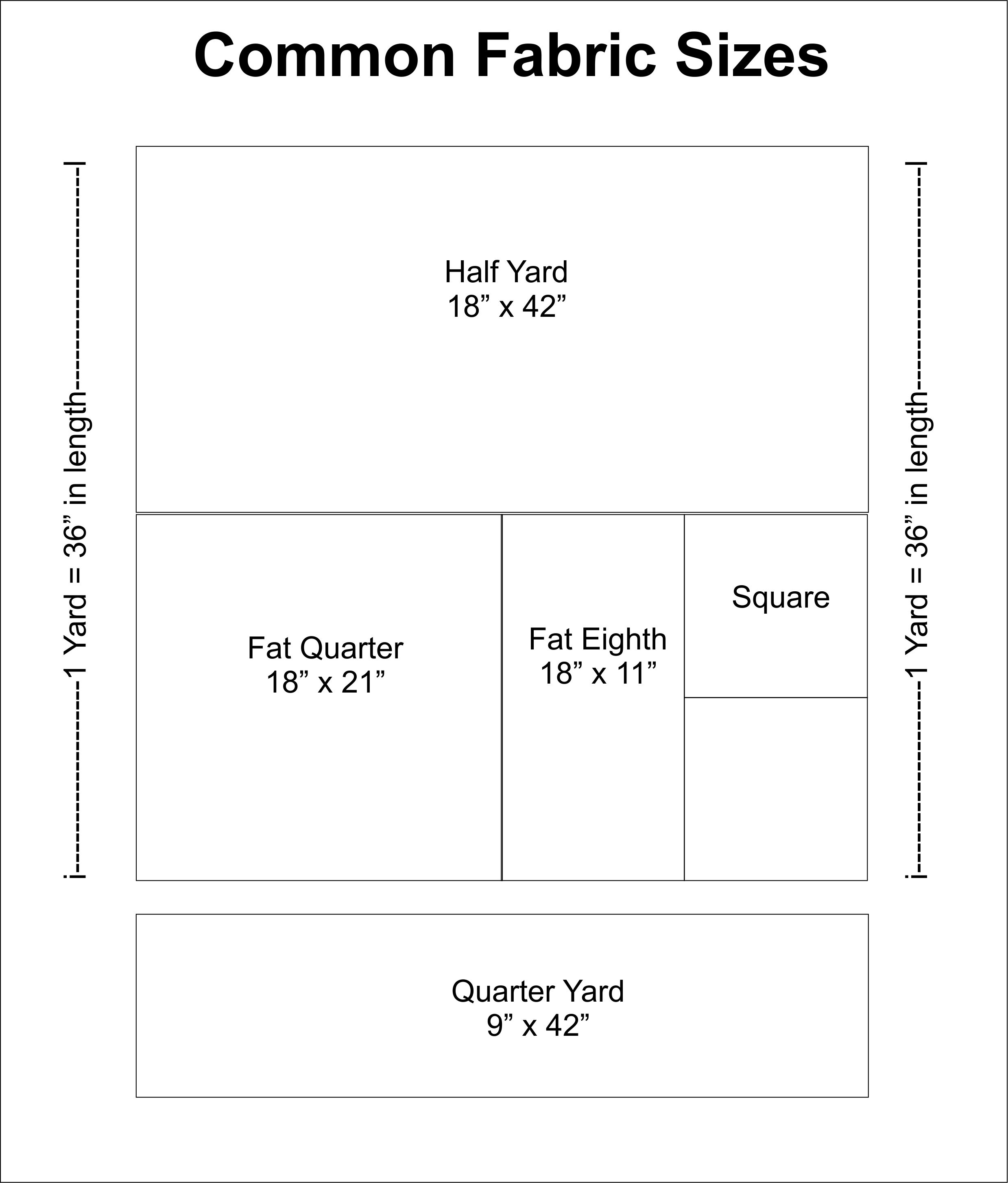
Image Source: snappy-baby.com
Deciphering Fabric Measurements: The Basics
When you’re embarking on a sewing project, knowing your fabric measurements is key. The most common way fabric is sold is by the yard. A standard yard of fabric is 36 inches long. This measurement refers to the length of the fabric from the bolt, while the width is determined by the manufacturer and usually remains constant for a particular fabric type.
Fabric Measurement Conversion: Making Sense of It All
Let’s break down the common fabric measurement conversion:
- 1 Yard: 36 inches or 0.9144 meters
- 1 Half Yard: 18 inches or 0.4572 meters
- 1 Quarter Yard: 9 inches or 0.2286 meters
These conversions are crucial for any sewing fabric dimensions you encounter. Most patterns will specify the fabric yardage required for different views and sizes.
Fabric By The Half: A Common Purchase
Buying fabric by the half yard is a very common practice, especially for smaller projects or when you only need a specific amount for accents or details. Many fabric stores will sell fabric in increments of a quarter yard or half yard, making it convenient to get just what you need.
Calculating Fabric Needs: Your Sewing Companion
Knowing how much fabric to buy can sometimes feel like a puzzle. This is where a reliable fabric yardage calculator comes in handy, along with a good grasp of your project’s requirements.
Estimating Fabric Quantity for Sewing Projects
Here’s how to approach calculating your fabric quantity for sewing:
- Consult Your Pattern: Always start with your sewing pattern. It will provide specific fabric requirements for the size and view you’re making.
- Consider Fabric Width: Fabric comes in different widths. Standard quilting cotton is often 44/45 inches wide, while wider fabrics can be 54 inches, 60 inches, or even wider. If your pattern requires a wider fabric, you might need less yardage. Conversely, if you’re using a narrower fabric, you might need more.
- Account for Layout: Patterns often show a fabric layout diagram. This is the most accurate way to see how pieces are arranged on the fabric. Understanding fabric measurements in relation to these diagrams is vital.
- Add Extra for Adjustments: It’s always wise to add a little extra fabric for potential mistakes, pattern matching (like stripes or plaids), or pre-washing shrinkage. A good rule of thumb is to add at least 4-6 inches for smaller projects or about 10% for larger ones.
- Consider Fabric Direction: Some fabrics have a directional print or nap (like velvet). Ensure all your pattern pieces are cut with the same grainline and direction. This can sometimes influence how much fabric you need.
Using a Fabric Yardage Calculator
A fabric yardage calculator can be an invaluable tool, especially for beginners or when working with complex patterns. You input the dimensions of your pattern pieces, the width of the fabric you intend to use, and the calculator helps estimate the total yardage needed. Many online sewing communities and some fabric retailers offer these tools.
Example: Calculating for a Simple Tote Bag
Let’s say you’re making a simple tote bag. Your pattern pieces might be:
- Two pieces: 15 inches wide x 17 inches long
- Two pieces (straps): 4 inches wide x 26 inches long
- One lining piece: 15 inches wide x 17 inches long
If you’re using standard 44/45-inch wide fabric, you can likely lay out these pieces efficiently.
- The main tote pieces (17 inches long) can be placed side-by-side along the width.
- The straps (26 inches long) can be placed efficiently too.
In this scenario, you could likely fit all pieces within about 27 inches of length from the bolt. This is less than a yard, so you would purchase 3/4 of a yard or perhaps 5/8 of a yard if you can carefully arrange everything. If you can’t fit everything into the width, you might need to buy more.
The Art of Buying Fabric by the Half Yard
Buying fabric by the half yard is perfect for smaller items like:
- Quilt blocks
- Pillow covers
- Appliqué pieces
- Small accessories like pouches or scrunchies
- Testing a new fabric or pattern
It allows you to experiment without committing to a full yard, especially if the fabric cost per yard is high.
Fabric Cost Per Yard: Budgeting Your Projects
The fabric cost per yard can vary dramatically. Factors influencing price include:
- Fiber Content: Cotton, linen, silk, wool, and synthetic blends all have different price points.
- Weave and Construction: Specialty weaves, knits, or tightly woven fabrics can be more expensive.
- Design and Print: Licensed prints, designer fabrics, or intricate patterns often come with a higher price tag.
- Fabric Width: Wider fabrics often have a higher per-yard cost because more material is used in their manufacturing.
- Brand and Retailer: Different brands and stores have different pricing structures.
Understanding Fabric Pricing
When you see a price tag, it’s almost always for a full yard. If a fabric costs $10 per yard, then:
- A half yard would cost $5.
- A quarter yard would cost $2.50.
It’s essential to factor this into your project budget.
Common Fabric Purchasing Scenarios
Let’s explore some typical situations where you might be purchasing fabric.
What is Fabric Yardage?
Fabric yardage refers to the total length of fabric you need to purchase for a sewing project, measured in yards. It’s the standard unit of sale in most fabric stores.
Can I Buy Fabric in Smaller Increments?
Yes, absolutely! Most fabric stores allow you to purchase fabric in increments of a quarter yard or half yard. This is particularly helpful for smaller projects or when you need specific colors for patchwork or appliqué.
Sewing Fabric Dimensions: What to Expect
As mentioned, the width of the fabric is also a crucial consideration. Standard quilting cotton is typically 44/45 inches wide. Apparel fabrics can range from 44/45 inches to 60 inches or more. Always check the bolt or product description for the fabric’s width.
A Fabric Purchasing Guide: Tips for Success
Here’s a comprehensive fabric purchasing guide to help you shop with confidence:
1. Know Your Project
Before you even step into a fabric store or browse online, have a clear idea of what you want to make. This will dictate the type, amount, and quality of fabric you need.
2. Check Your Pattern Carefully
Always refer to the pattern envelope for fabric requirements. Don’t guess! The pattern company has done the calculations for you.
3. Consider Fabric Properties
- Drape: How does the fabric hang? Is it stiff or fluid? This is important for garments.
- Stretch: Does the fabric have stretch? This is vital for activewear or fitted garments.
- Weight: Is it a lightweight voile, a medium-weight quilting cotton, or a heavy canvas?
- Care Instructions: How will you wash and care for the finished item? Make sure the fabric is suitable.
4. Inspect the Fabric
When buying in person, always unroll a good length of the fabric.
- Check for Flaws: Look for holes, slubs (thickened threads), or uneven dyeing.
- Examine the Selvage: The selvage is the finished edge of the fabric. Ensure it’s even and there are no frays.
- Look for Grainline: Make sure the threads are running straight. A crooked grainline can make sewing much harder.
- Color Consistency: Ensure the color is uniform throughout the length you plan to buy.
5. Don’t Forget Notions
While you’re buying fabric, remember to also pick up matching thread, zippers, buttons, interfacing, and any other notions required by your pattern.
6. Online Shopping Savvy
- Read Descriptions: Pay close attention to fabric content, width, and care instructions.
- Check Reviews: See what other buyers say about the fabric quality and color accuracy.
- Order Swatches: If possible, order fabric swatches before buying a large quantity, especially for important projects.
7. Be Prepared to Cut
In physical stores, the fabric is usually cut by a sales associate. In online stores, it’s typically cut from the bolt as one continuous piece. If you order multiple half yards of the same fabric online, you’ll usually receive them as one long piece (e.g., two half yards would be one full yard). If you need them cut separately, you often have to specify this in the order notes.
Fathoming Fabric Quantities for Quilting
Quilting often involves using many different fabrics in smaller amounts. This is where understanding buying fabric by the half yard or even quarter yard becomes incredibly useful. Quilters often purchase fabric in increments of a quarter yard, half yard, or by the “FQ” (Fat Quarter – which is 18×22 inches, a common quilting cut).
A quilt pattern will usually specify the yardage needed for each fabric. You’ll then need to calculate if your chosen fabrics are available in the cuts you need. For example, if a quilt requires 1/2 yard of three different fabrics, and you can only buy them in 1/4 yard increments, you would need to buy two 1/4 yard cuts for each fabric.
Comprehending Fabric Usage for Garments
Garment sewing is where precise fabric quantity for sewing is most critical. A dress pattern might require 3 yards of fabric, but this can change significantly based on:
- Size: Larger sizes always need more fabric.
- Fabric Width: As discussed, a 60-inch wide fabric might require less yardage than a 44-inch wide fabric.
- Print Direction/Matching: If you’re working with a directional print or a plaid that needs careful matching, you’ll likely need extra fabric. This is a key element in understanding fabric measurements for apparel.
- Long or Short Sleeves: Different options within a pattern will have different fabric needs.
- Hem Length: Adjusting the hem length of a garment will impact the yardage required.
The Role of a Fabric Measurement Conversion Chart
Having a handy fabric measurement conversion chart can save you time and confusion. You might keep one on your sewing machine or phone.
| Unit | Inches | Meters |
|---|---|---|
| 1 Yard | 36 inches | 0.9144 m |
| 1 Half Yard | 18 inches | 0.4572 m |
| 1 Quarter Yard | 9 inches | 0.2286 m |
| 1 Foot | 12 inches | 0.3048 m |
| 1 Inch | 1 inch | 0.0254 m |
This table clearly shows how much fabric you’re dealing with when you’re buying fabric by the half yard.
Frequently Asked Questions (FAQ)
Q: If I need 3/4 of a yard, how do I buy that?
A: You would typically buy one half yard plus one quarter yard. Many stores allow you to specify these exact amounts.
Q: Does fabric shrinkage affect how much I need to buy?
A: Yes, it’s highly recommended to pre-wash your fabric before cutting. Depending on the fabric type, it can shrink, so buying a little extra is always a good idea. Check the care label for washing instructions.
Q: What is a “yard cut” versus a “half yard cut” when ordering online?
A: A “yard cut” means you receive one continuous piece of fabric that is one yard long. A “half yard cut” means you receive one continuous piece that is half a yard (18 inches) long. If you order multiple half yard cuts of the same fabric, they are usually sent as one continuous piece unless you specify otherwise. For example, ordering two half yard cuts would typically result in one full yard.
Q: Can I use a different width fabric than what the pattern suggests?
A: Yes, but you’ll need to adjust your yardage. If you use a wider fabric, you might need less yardage. If you use a narrower fabric, you’ll likely need more. Always check the pattern’s layout diagram and do a quick calculation based on the new width.
Q: What does “grainline” mean on a pattern piece?
A: The grainline is a long arrow on a pattern piece that indicates how to lay the pattern piece on the fabric’s grain. This is crucial for the fabric to hang correctly and drape properly. It usually runs parallel to the selvage edge.
By familiarizing yourself with these concepts and utilizing tools like a fabric yardage calculator, your fabric purchasing experience will become much smoother and more successful. Happy sewing!