
So, how many pounds in a yard of gravel? The short answer is that it varies, but a typical cubic yard of gravel weighs between 2,000 and 2,700 pounds. This answer is crucial for anyone planning landscaping projects, driveways, or any construction that involves calculating material needs. Knowing the weight of gravel per cubic yard is essential for ordering the correct amount, ensuring your project stays on budget, and avoiding the hassle of over or under-ordering. This guide will delve into the factors influencing gravel weight and help you find the exact figure for your needs.
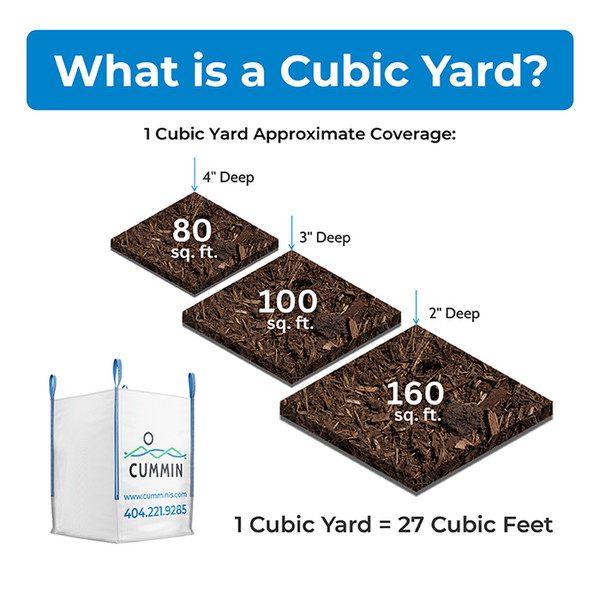
Image Source: www.cumminlandscapesupply.com
Deciphering Gravel Weight: What Makes It Vary?
The gravel density pounds per yard isn’t a fixed number. Several key factors influence how much a yard of gravel weighs. These variables are critical to comprehending the range of weights you might encounter.
Material Composition: The Heart of the Matter
The most significant factor affecting the gravel density pounds per yard is the type of material used. Different rocks and minerals have different densities.
- Crushed Stone: This is a popular choice for driveways and base layers. Common crushed stone materials include granite, limestone, and basalt.
- Granite: Known for its hardness and durability, granite tends to be denser.
- Limestone: Generally a bit lighter than granite but still provides good stability.
- Basalt: Often denser and heavier than granite.
- Pea Gravel: These are small, rounded stones. Their shape can lead to more air pockets, potentially making them slightly lighter per cubic yard than tightly packed crushed stone.
- River Rock: Similar to pea gravel in its rounded nature, river rock also includes a range of stone types, influencing its overall density.
- Recycled Concrete Aggregate (RCA): The weight of RCA can vary depending on the original concrete mix and the processing involved.
Moisture Content: A Hidden Variable
Gravel, especially when freshly quarried or after rain, can hold a significant amount of water. Water adds considerable weight.
- Dry Gravel: This will be at the lower end of the weight spectrum.
- Wet Gravel: This will be heavier. The amount of water absorbed can increase the weight by 10-15% or even more. Always consider whether the gravel will be delivered dry or if it has been exposed to rain.
Size and Shape of Aggregates
The size and shape of the gravel pieces also play a role.
- Larger, Angular Pieces: These tend to pack together more tightly, reducing air pockets and increasing the overall weight per volume.
- Smaller, Rounded Pieces: These can create more voids (air spaces) between them, potentially leading to a slightly lower weight per volume compared to tightly packed angular gravel.
Compaction Level: How Tightly Packed Is It?
The way gravel is handled and transported affects its density.
- Loose Gravel: This is typically what you’ll get when it’s dumped from a truck. It has more air pockets.
- Compacted Gravel: When gravel is used for a project like a driveway base, it’s often compacted. This process squeezes out air, making the material denser and heavier for the same volume. However, when ordering, you’re usually referring to the loose, uncompacted state.
Calculating the Weight: From Volume to Pounds
To accurately determine how much does a yard of gravel weigh, we need to consider its density. Density is mass per unit volume. For gravel, we often talk about its typical gravel density in pounds per cubic foot or pounds per cubic yard.
The Cubic Yard: A Standard Measure
A cubic yard is a unit of volume. It’s a cube with sides measuring 3 feet in length, width, and height (3 ft x 3 ft x 3 ft = 27 cubic feet). When you order “a yard of gravel,” you’re ordering 27 cubic feet of the material.
Typical Gravel Density Ranges
Different sources and material types will give slightly different density figures. Here’s a general breakdown:
| Gravel Type | Typical Density (lbs per cubic foot) | Typical Weight (lbs per cubic yard) |
|---|---|---|
| Crushed Stone | 90 – 100 lbs/cu ft | 2,430 – 2,700 lbs/cu yd |
| Pea Gravel | 85 – 95 lbs/cu ft | 2,295 – 2,565 lbs/cu yd |
| River Rock | 85 – 95 lbs/cu ft | 2,295 – 2,565 lbs/cu yd |
| Bank Run Gravel | 90 – 100 lbs/cu ft | 2,430 – 2,700 lbs/cu yd |
| Recycled Concrete | 85 – 98 lbs/cu ft | 2,295 – 2,646 lbs/cu yd |
These are average figures, and actual weights can fall outside these ranges. The specific mix of stone, the moisture content, and how it’s screened can all influence these numbers.
Making the Conversion: Gravel Volume to Weight Conversion
To convert from a volume (cubic yards) to a weight (pounds), you need the density.
Formula:
Weight (lbs) = Volume (cu yd) × Density (lbs/cu yd)
For example, if you have a specific type of crushed stone that you know weighs 2,500 lbs per cubic yard, and you need 5 cubic yards, the calculation is:
5 cu yd × 2,500 lbs/cu yd = 12,500 lbs
This demonstrates the fundamental gravel volume to weight conversion.
How Much Does a Yard of Gravel Weigh? Specifics for Common Types
Let’s look at the weight of a yard of crushed stone and other common gravel types in more detail. This will help you pinpoint the gravel lbs cubic yard for your project.
The Weight of a Yard of Crushed Stone
Crushed stone is a broad category, but generally, it’s a good benchmark.
- Typical Range: The weight of a yard of crushed stone typically falls between 2,000 and 2,700 pounds.
- Factors:
- Granite/Basalt Crushed Stone: Often denser, pushing towards the higher end of the range (2,500-2,700 lbs/cu yd).
- Limestone Crushed Stone: Can be slightly lighter, closer to 2,200-2,500 lbs/cu yd.
Pea Gravel and River Rock Weight
These rounded aggregates often have more interstitial space.
- Typical Range: Expect pea gravel and river rock to weigh between 2,000 and 2,600 pounds per cubic yard. The variation comes from the mix of rock types and how tightly they settle.
Bank Run Gravel Weight
Bank run gravel is natural gravel that hasn’t been screened or crushed. It contains a mix of sizes and can have varying amounts of sand and fines.
- Typical Range: Similar to crushed stone, bank run gravel usually weighs between 2,400 and 2,700 pounds per cubic yard. The presence of fines can sometimes increase density.
Recycled Concrete Aggregate (RCA) Weight
RCA is produced from crushed concrete.
- Typical Range: RCA densities can vary, but a common range is 2,300 to 2,650 pounds per cubic yard. The density depends on the original concrete composition and the crushing process.
Using a Gravel Weight Calculator
When you need to estimate, a gravel weight calculator can be incredibly useful. These tools simplify the gravel volume to weight conversion. You typically input:
- Volume of Gravel: How many cubic yards you need.
- Type of Gravel: A dropdown menu or selection for common gravel types.
- Moisture Content (Optional): Some advanced calculators might allow you to factor in a percentage for moisture.
These calculators use pre-programmed typical gravel density figures for different materials to give you an estimated total weight. This is vital for truck load calculations and ensuring you don’t exceed weight limits.
Practical Applications and Ordering Gravel
Knowing how many lbs in a yard of gravel is not just for academic interest; it has direct practical implications for your projects.
Ordering Gravel: What to Ask
When you call a gravel supplier, be prepared to ask:
- “What is the approximate weight of gravel per cubic yard for the material I’m interested in?”
- “Does your gravel density pounds per yard vary based on the source?”
- “What is the typical moisture content of your gravel?”
Most suppliers are very knowledgeable and can provide you with specific figures for their products. They often have charts or internal data on loose gravel weight per yard.
Estimating for Projects
Let’s say you’re building a driveway that’s 10 feet wide, 50 feet long, and needs a 4-inch base layer.
-
Calculate Volume in Cubic Feet:
- Length: 50 ft
- Width: 10 ft
- Depth: 4 inches = 4/12 feet = 0.333 ft
- Volume = 50 ft × 10 ft × 0.333 ft = 166.5 cubic feet
-
Convert Cubic Feet to Cubic Yards:
- There are 27 cubic feet in 1 cubic yard.
- Volume in Cubic Yards = 166.5 cu ft / 27 cu ft/cu yd = 6.17 cubic yards
-
Estimate Weight:
- Assuming a crushed stone with an average density of 2,500 lbs/cu yd:
- Total Weight = 6.17 cu yd × 2,500 lbs/cu yd = 15,425 lbs
This calculation gives you a solid estimate of the total weight you’ll need.
Why the Weight Matters for Delivery
- Truck Capacity: Dump trucks have weight limits. Knowing the total weight of your gravel order helps ensure the truck can legally and safely transport it.
- Cost: While gravel is often sold by the cubic yard, sometimes pricing can be influenced by weight, especially for large bulk orders or if transportation costs are calculated by weight.
Frequently Asked Questions About Gravel Weight
Here are some common questions people have about the weight of gravel per cubic yard.
Q1: Does the color of gravel affect its weight?
A1: Generally, no. The color of gravel is determined by its mineral composition, but the color itself does not significantly alter the density of the rock. For instance, grey limestone and reddish sandstone will have different densities based on their rock type, not just their color.
Q2: How do I find the most accurate weight for my specific gravel?
A2: The best way is to ask your gravel supplier. They can provide the gravel density pounds per yard for the specific product they sell. If you’re unsure, ask for a small sample and weigh it yourself, then calculate the density based on its volume.
Q3: Is it better to order by weight or by volume?
A3: Gravel is almost always ordered and priced by volume (cubic yards or tons). However, knowing the approximate weight per yard is crucial for delivery logistics and ensuring you get the correct quantity.
Q4: What is considered a “ton of gravel”?
A4: A ton is a unit of weight, equal to 2,000 pounds. If a gravel type weighs 2,500 lbs per cubic yard, then a cubic yard is actually 1.25 tons (2,500 lbs / 2,000 lbs/ton). So, if you order by the ton, you’re specifying the weight. If you order by the yard, you’re specifying the volume, and the weight is an estimation based on its density.
Q5: How much does a yard of topsoil weigh compared to gravel?
A5: Topsoil is generally lighter than gravel, often weighing between 1,600 to 2,000 pounds per cubic yard, depending on its composition (e.g., organic matter content, moisture). This is because it’s less dense and often contains more organic material which is lighter than rock.
Conclusion: Arming Yourself with Knowledge
The question, “How many lbs in a yard of gravel?” is fundamental to successful material estimation for any project. By now, you should have a clear grasp of the factors influencing the weight of gravel per cubic yard, from the type of rock to the moisture content. Remember that gravel density pounds per yard is not a single, fixed number. It’s a range, and your best resource for precise figures is your local gravel supplier. Utilize gravel weight calculator tools and the gravel volume to weight conversion principles discussed here to confidently plan your projects. Whether you’re calculating loose gravel weight per yard or comparing the weight of a yard of crushed stone, this knowledge will save you time, money, and effort. Knowing the gravel lbs cubic yard empowers you to order efficiently and ensure your project is built on a solid foundation.