
Can you keep prairie dogs out of your yard? Yes, you can keep prairie dogs out of your yard using a combination of fencing, deterrents, and habitat modification.
Prairie dogs are charming, but their burrowing habits can wreak havoc on gardens and lawns. If you’re finding yourself asking, “How to keep prairie dogs out of yard?” you’re not alone. These industrious rodents can turn a well-kept yard into a minefield of holes and discarded dirt. Fortunately, there are effective, and often humane, prairie dog control methods to protect your property. This guide will walk you through simple solutions for yard protection from prairie dogs, focusing on prairie dog deterrence and natural prairie dog barriers that won’t harm these native creatures. We’ll explore various approaches to preventing prairie dog tunnels and discuss humane prairie dog exclusion techniques for successful keeping prairie dogs away.
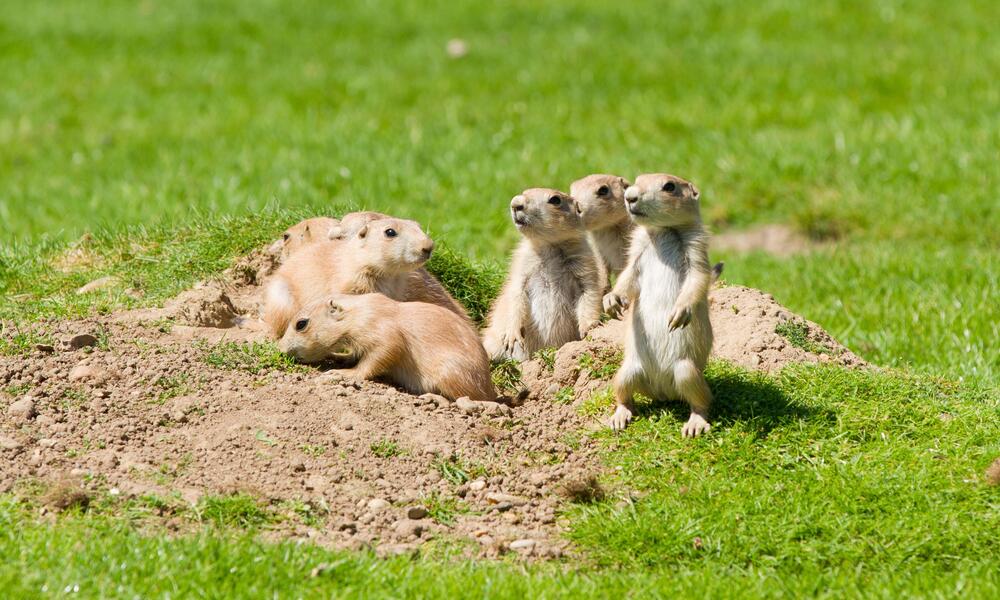
Image Source: files.worldwildlife.org
Why Prairie Dogs Invade Yards
Before we delve into solutions, it’s helpful to grasp why prairie dogs choose a particular area. Their needs are simple: food, water, and safe places to burrow.
- Food Sources: Lush lawns, vegetable gardens, and ornamental plants are a buffet for prairie dogs. They are herbivores with a varied diet, enjoying grasses, roots, seeds, and leaves.
- Shelter and Safety: Yards often offer more open, less disturbed ground, which is ideal for creating their complex burrow systems. These burrows provide protection from predators and harsh weather.
- Proximity to Existing Colonies: If there’s an established prairie dog town nearby, your yard might simply be an extension of their territory, especially if it offers a perceived advantage.
Essential Strategies for Yard Protection from Prairie Dogs
The most effective way to manage prairie dogs is to make your yard less appealing and harder to access. This involves a multi-pronged approach, combining physical barriers with scent and taste deterrents.
1. The Power of Fencing for Prairie Dogs
Fencing is a primary method for keeping prairie dogs away. However, standard garden fences often won’t do. Prairie dogs are excellent diggers, so a fence needs to extend below the ground to be effective.
Types of Fencing Materials
- Hardware Cloth: This is a woven wire mesh, typically with openings of 1/2 inch or 1/4 inch. It’s strong and difficult for prairie dogs to chew through or push aside.
- Galvanized Sheet Metal: This can be used as a skirt around the base of existing fences or as a standalone barrier. It’s smooth, making it difficult for them to grip and climb.
Installation for Maximum Effectiveness
When installing fencing for prairie dogs, consider these crucial steps:
- Depth is Key: Bury the fencing at least 18-24 inches below the ground. This prevents them from digging underneath.
- Outward Angle: Bury the fence with an outward angle (about 6 inches into the ground, then bent at a 90-degree angle outward). This makes digging under incredibly difficult as they encounter the barrier, they’ll have to dig outward and then upward, which is a much larger undertaking.
- Height: The fence should be at least 2-3 feet above ground to prevent them from jumping over.
- Secure Joints: Ensure all sections of the fence are securely attached to posts and to each other to avoid gaps.
Table 1: Fencing Material Comparison for Prairie Dog Exclusion
| Material | Pros | Cons | Best Use Case |
|---|---|---|---|
| Hardware Cloth | Durable, secure mesh, effective barrier | Can be expensive, requires sturdy posts | Ideal for vegetable gardens, flower beds |
| Galvanized Metal | Smooth, prevents climbing, long-lasting | Can rust if coating is damaged, sharper edges | Perimeter fencing, base of existing fences |
| Heavy Gauge Wire | Strong, can be shaped | Can be challenging to install, may need support | Larger enclosures, temporary barriers |
2. Natural Prairie Dog Barriers and Deterrents
Beyond fencing, there are several natural prairie dog barriers and deterrents that can help make your yard less attractive. These methods aim to disrupt their senses of smell and taste.
Scent Deterrents
Prairie dogs have a keen sense of smell. Certain strong scents can be a natural deterrent.
- Predator Urine: The scent of coyote or fox urine can signal danger to prairie dogs. Available at some garden supply stores or online.
- Castor Oil: Mixed with water and applied to the soil or around the perimeter, castor oil can irritate their paws and deter them from digging.
- Peppermint Oil/Mint Plants: Strong mint scents can be unpleasant for prairie dogs. Planting mint around the yard or using diluted peppermint oil sprays can help.
- Garlic and Chili Pepper Mixtures: A concoction of minced garlic, chili powder, and water sprayed around the garden can deter them through smell and a mild irritant.
Taste Deterrents
Some plants are naturally unpalatable to prairie dogs, or you can make certain plants taste bad.
- Unpalatable Plants: Consider planting species prairie dogs tend to avoid, such as marigolds, lavender, or certain types of sage. While not a foolproof barrier, they can help reduce attraction.
- Commercial Taste Repellents: Products containing bittering agents can be applied to plants to make them taste unpleasant. Always follow product instructions carefully.
Sonic and Vibrational Deterrents
Some people find success with devices that emit high-frequency sounds or vibrations.
- Ultrasonic Repellers: These devices emit sounds inaudible to humans but can be disruptive to rodents. Their effectiveness can vary, and prairie dogs may become accustomed to them over time.
- Vibrating Stakes: Solar-powered stakes driven into the ground emit vibrations that can mimic the presence of predators or other disturbances, potentially making prairie dogs uneasy.
3. Habitat Modification for Prairie Dog Proofing Yard
Making your yard less hospitable involves changing the environment to discourage their presence. This is a crucial part of prairie dog proofing yard.
Eliminate Attractants
- Remove Food Sources: Don’t leave pet food outside. Secure garbage cans. Clean up fallen fruit or birdseed.
- Water Management: While you can’t eliminate all water, be mindful of standing water sources that might attract them.
- Trim Vegetation: Keep grass mowed and trim dense shrubs or overgrown areas where they might find cover.
Discourage Burrowing
- Compacted Soil: Areas with compacted soil are less appealing for digging. While not always practical, consider pathways or patios in areas prone to burrowing.
- Gravel or Rocks: A layer of gravel or small rocks can make digging more difficult in certain garden beds.
4. Humane Prairie Dog Exclusion Techniques
The goal is humane prairie dog exclusion, meaning we want to deter them without causing harm.
Occupancy Checks are Crucial
Before implementing any exclusion methods, especially sealing burrows, it is vital to confirm that the burrows are not occupied.
- Observation: Watch the burrows at dawn and dusk, the primary times prairie dogs are active.
- Obstruction Test: Gently place a loose pile of soil or a few twigs over a burrow entrance. If the soil is moved or twigs are scattered within 24 hours, the burrow is likely occupied. If not, it may be inactive.
Sealing Active Burrows: A Delicate Approach
Preventing prairie dog tunnels by sealing them can be effective, but it must be done with caution.
- Timing: Seal burrows only when you are certain they are unoccupied to avoid trapping animals inside.
- Method: Use soil, sand, or gravel to fill the burrow openings. Compact the fill material firmly.
- Ongoing Monitoring: Continue to monitor the area, as prairie dogs are persistent and may try to re-open or create new burrows.
5. Repelling Prairie Dogs: Ongoing Management
Repelling prairie dogs isn’t a one-time fix; it requires ongoing effort and observation.
Consistent Application of Deterrents
- Reapplication: Scent and taste deterrents need regular reapplication, especially after rain or watering.
- Rotation: If you notice prairie dogs becoming accustomed to a particular deterrent, try rotating different methods.
Monitoring and Adaptation
- Scout for New Activity: Regularly walk your property to identify new burrow entrances or signs of digging.
- Adapt Strategies: Based on your observations, adjust your deterrents, fencing, or habitat modifications.
What to Avoid When Keeping Prairie Dogs Away
Some methods of prairie dog control methods can be harmful or ineffective. It’s important to know what to steer clear of.
Poisoning
Poisoning prairie dogs is generally not recommended for several reasons:
- Non-Target Animals: Poisons can harm or kill other wildlife, including birds of prey, pets, and beneficial native animals.
- Environmental Contamination: Chemical poisons can leach into the soil and water.
- Ineffectiveness: Prairie dogs are social animals, and poisoning one colony often leads to others moving into the vacated territory.
- Legality: In some areas, using poisons against native wildlife is illegal.
Harassment
While it might seem intuitive to scare them away, constant harassment can be counterproductive and stressful for the animals. Humane exclusion focuses on making the environment uninviting rather than directly confronting the animals.
Single-Solution Fallacy
Relying on just one method, like a single type of deterrent, is rarely successful. Prairie dogs are adaptable creatures, and a comprehensive approach is always best for effective yard protection from prairie dogs.
Creating a Prairie Dog-Resistant Landscape
Beyond keeping them out of your yard, consider how your landscape might be contributing to the problem.
Plant Selection
- Native Plants: While prairie dogs are native, consider planting less palatable native species in areas you want to protect.
- Avoid Vegetable Gardens in High-Risk Areas: If you have persistent problems, consider relocating your vegetable garden to a more protected spot or reinforcing it with robust fencing.
Soil Health
- Drainage: Ensure good drainage in your yard. Waterlogged areas can be more appealing for burrowing.
- Soil Compaction: In areas prone to digging, lightly compacting the soil can make it less inviting.
Frequently Asked Questions About Keeping Prairie Dogs Out of Yards
Here are answers to common questions about prairie dog deterrence and keeping prairie dogs away.
Q1: Are prairie dogs endangered?
A1: The status of prairie dog species varies. Some species, like the black-tailed prairie dog, are common, while others, such as the black-footed ferret (which depends on prairie dogs for food), are critically endangered. Efforts to manage prairie dog populations often aim to coexist with common species while protecting endangered ones and their habitats. It’s always good to check local wildlife regulations and consult with wildlife experts if you have concerns about specific species in your area.
Q2: Can I use mothballs to repel prairie dogs?
A2: While mothballs are sometimes suggested as a repellent, they are generally not recommended. The active ingredients in mothballs (naphthalene or paradichlorobenzene) are pesticides that can be toxic to humans, pets, and other wildlife. Their effectiveness against prairie dogs is also often temporary and can dissipate quickly, especially outdoors. Furthermore, their use in outdoor settings may be restricted or illegal in some jurisdictions due to environmental concerns.
Q3: What is the best time of year to implement prairie dog control methods?
A3: The best time to implement prairie dog control methods, particularly fencing and habitat modification, is typically in late fall or winter when prairie dogs are less active and populations may be lower due to natural mortality. However, you can apply deterrents at any time of year. If you plan on sealing burrows, it’s crucial to ensure they are unoccupied, which requires careful observation during active seasons.
Q4: Will a simple chicken wire fence keep prairie dogs out?
A4: No, a simple chicken wire fence is generally not sufficient for keeping prairie dogs away. Chicken wire has large openings that prairie dogs can push through or potentially chew. More importantly, they are adept diggers, and a fence that doesn’t extend deep underground will not prevent them from burrowing underneath. You need a sturdier material like hardware cloth buried deep.
Q5: How can I deter prairie dogs without harming them?
A5: The most humane methods involve humane prairie dog exclusion and deterrence. This includes installing deep, properly angled fencing, using natural scent and taste deterrents, modifying the habitat to make it less attractive, and employing sound or vibration devices. Always ensure that any physical exclusion, like sealing burrows, is done only when you are certain no animals are inside.
Q6: My neighbor has prairie dogs, and they are coming into my yard. What can I do?
A6: If the problem stems from a neighboring property, communication is key. You might consider discussing the issue with your neighbor and exploring shared solutions. However, your primary focus should remain on yard protection from prairie dogs on your own property. Implementing the fencing and deterrent strategies discussed in this guide will help protect your space regardless of activity next door.
Q7: Can I trap prairie dogs?
A7: Trapping prairie dogs can be an option, but it’s often complex and requires specific knowledge. Live traps are available, but releasing them elsewhere may not be effective if the new location is also suitable for prairie dogs, and you may need to check local regulations regarding the relocation of wildlife. Also, be aware that trapping can be time-consuming and may not address the underlying reasons why they are attracted to your yard. It’s best to consult with local wildlife control professionals or your state’s wildlife agency before attempting to trap.
Q8: What are some effective prairie dog deterrence strategies using common household items?
A8: Several common household items can be repurposed for prairie dog deterrence. Mixtures of garlic, hot peppers, and dish soap with water can be sprayed around plants and the perimeter of your yard. Used coffee grounds can sometimes deter them due to their scent. Strong mint extracts diluted in water can also be sprayed. Remember that these natural deterrents often require frequent reapplication to remain effective.
Q9: How can I prevent prairie dog tunnels from becoming a hazard?
A9: Preventing prairie dog tunnels is crucial for safety and property integrity. The best way to prevent them from forming is through robust fencing installed correctly (deep and angled). Once tunnels are present, it’s essential to fill them securely with soil. If you have active burrows, the priority is humane exclusion before filling. For existing, inactive tunnels, filling them with soil or gravel can help prevent them from being reused or causing ground collapse.
Q10: Are there any professional services that can help with prairie dog control?
A10: Yes, there are professional wildlife control services that specialize in prairie dog control methods. These professionals can offer expert advice, conduct property assessments, and implement more intensive solutions if necessary. They are often knowledgeable about local regulations and humane practices. If DIY methods are not sufficient, seeking professional help is a viable option.
By understanding the needs of prairie dogs and implementing these straightforward, well-researched solutions, you can effectively protect your yard and maintain a beautiful, safe outdoor space. Consistent effort and a multi-faceted approach are the keys to successful yard protection from prairie dogs.