
Can you get rid of crawfish mounds in your yard? Yes, you can get rid of crawfish mounds in your yard through a combination of deterrents, habitat modification, and, in some cases, professional intervention. What is the best way to get rid of crawfish mounds? The best way often involves a multi-pronged approach, as crawfish are persistent creatures.
Crawfish mounds, often called “crawdad chimneys,” are a common sight in yards with damp soil and access to water. While fascinating to observe, these conical structures can be a nuisance, creating tripping hazards and detracting from your lawn’s appearance. Dealing with these burrowing pests requires patience and a good understanding of crawfish behavior. This guide will provide comprehensive solutions for yard mound eradication and crawfish hole removal.
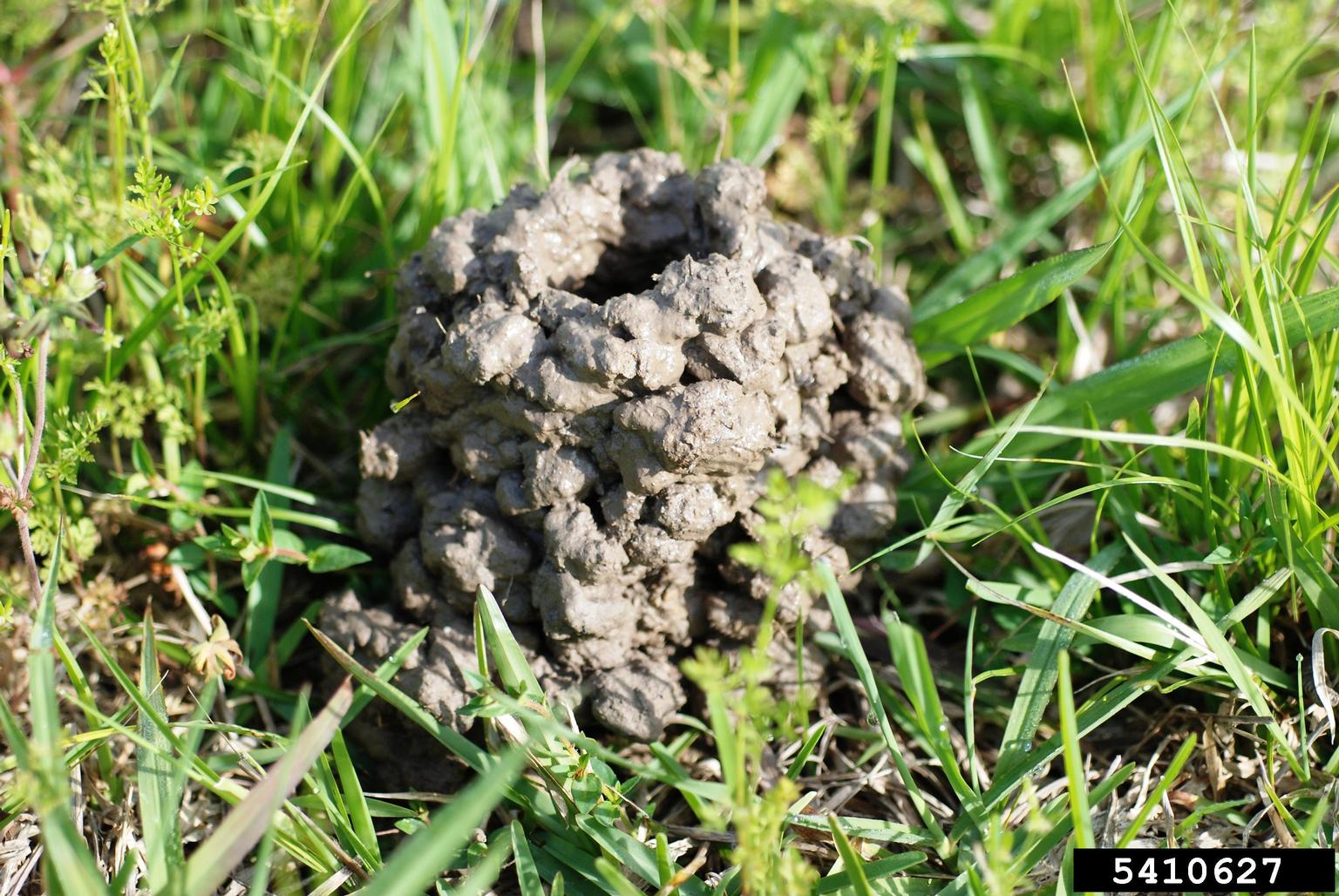
Image Source: cdn.mos.cms.futurecdn.net
Deciphering Crawfish Burrowing Behavior
Before we dive into removal strategies, it’s helpful to grasp why crawfish build these mounds. Crawfish, also known as crayfish, are aquatic crustaceans that spend most of their lives in water bodies like ponds, streams, or even ditches. However, they are adept at burrowing, especially when water levels fluctuate or when seeking new habitats.
The Purpose of the Mound
The mound of dirt you see is actually the excavated material from the crawfish’s burrow. Crawfish dig extensive burrows that can extend several feet underground, providing them with shelter from predators and a stable environment. The chimney-like structure at the entrance helps to keep the burrow from collapsing and can regulate moisture levels.
What Attracts Crawfish?
- Moisture: Crawfish need damp soil and access to water to survive. Areas with poor drainage or consistent moisture are prime real estate for them.
- Food: They are omnivores and will eat aquatic plants, algae, insects, small fish, and decaying organic matter.
- Shelter: Burrows provide a safe haven from the elements and predators.
Effective Strategies for Crawfish Hole Removal
Getting rid of crawfish mounds isn’t just about filling in the holes; it’s about making your yard less appealing to these burrowing crustaceans in the long term. Here are several methods for burrowing crayfish management.
1. Habitat Modification: Making Your Yard Less Hospitable
The most sustainable approach to eliminating crawfish mounds is to alter the environment to discourage them from settling in.
a. Drainage Improvement
This is arguably the most crucial step in crawdad mound solutions. Crawfish thrive in moist conditions.
- Regrade Your Yard: If your yard consistently holds water, consider regrading it to improve drainage. This might involve creating gentle slopes away from your house and towards drainage areas.
- Install French Drains: For persistent waterlogging, installing French drains can effectively channel excess water away from your lawn.
- Aeration: Regularly aerating your lawn can improve soil structure and allow water to penetrate deeper, reducing surface moisture that attracts crawfish.
b. Remove Potential Food Sources
While difficult to eliminate entirely, reducing readily available food can make your yard less attractive.
- Clear Debris: Remove leaf litter, fallen branches, and decaying organic matter from your lawn and garden beds. These provide food and shelter for insects and other small creatures that crawfish prey on.
- Manage Pond or Water Features: If you have a pond or water garden, keep it clean and free of excessive algae or decaying plant material.
c. Physical Barriers
While not always practical for large areas, physical barriers can be useful in specific spots.
- Fencing: A sturdy, buried fence around a specific area can prevent crawfish from accessing it. However, this is usually only effective for smaller, contained problems.
- Gravel or Mulch Borders: Creating borders of gravel or coarse mulch around garden beds can sometimes deter crawfish from burrowing in those areas, as they prefer softer soil.
2. Deterrents and Repellents
Several substances and methods can be used to deter crawfish.
a. Natural Deterrents
- Salt: While effective, salt can harm your lawn and other plants. If you choose to use it, apply it sparingly directly into the burrow entrance. It works by dehydrating the crawfish.
- Vinegar: Diluted vinegar sprayed around the burrow entrances can act as a deterrent. Like salt, it can harm vegetation, so use it with caution.
- Essential Oils: Some strong-smelling essential oils, such as peppermint or eucalyptus, are believed to repel crawfish. Mix a few drops with water and spray around affected areas.
b. Chemical Treatments (Use with Caution)
When dealing with pest control for crawfish, chemical options should be considered as a last resort and used with extreme care, following all label instructions.
- Insecticides: Certain insecticides labeled for burrowing pests can be applied to the soil around burrow entrances. However, it’s crucial to choose products that are safe for your lawn and beneficial insects.
- Fumigants: In severe cases, soil fumigants might be an option, but these are often highly toxic and require professional application. They are generally not recommended for residential use due to environmental and health concerns.
Important Note: Always read and follow the product label instructions carefully. Consider the impact on your lawn, pets, and local wildlife before using any chemical treatment.
3. Direct Removal and Burrow Remediation
Once you’ve made your yard less inviting, you might still need to address existing mounds.
a. Filling the Burrows
The most straightforward approach to crawfish hole removal is to fill the burrows.
- Locate Active Burrows: Look for fresh mud around the opening. If the mound has been recently disturbed, it’s likely active.
- Flood the Burrow: Sometimes, flooding the burrow with water can encourage the crawfish to emerge, allowing for direct removal. You can then capture it.
- Fill with Soil: Once you believe the burrow is empty or have removed the crawfish, pack the hole tightly with soil and tamp it down. You may need to repeat this process as crawfish are persistent.
b. Trapping
Trapping can be an effective method for crawfish population reduction.
- Types of Traps: You can purchase specialized crawfish traps or create your own using wire mesh.
- Baiting: Use bait that crawfish find attractive, such as chicken parts, fish scraps, or even cat food.
- Placement: Place traps in or near water sources where crawfish are active. Check traps regularly.
4. Professional Pest Control
If your crawfish problem is extensive or you’re struggling to manage it with DIY methods, consider hiring a professional pest control service. They have access to specialized tools and treatments and can accurately identify the species and develop a targeted crayfish burrow control plan.
Dealing with Severe Infestations
For those experiencing widespread issues, comprehensive crawdad mound solutions are necessary. This might involve a combination of the strategies mentioned above.
1. Integrated Pest Management (IPM) Approach
An IPM approach focuses on long-term prevention and uses a combination of methods.
- Monitoring: Regularly inspect your yard for new mounds or signs of activity.
- Prevention: Focus on habitat modification to make your yard less attractive.
- Control: Use targeted control methods when necessary, such as filling burrows or trapping.
2. Understanding Local Regulations
Before implementing any drastic measures, particularly chemical treatments, it’s wise to check local regulations regarding pest control and the removal of native species. In some areas, crawfish are considered part of the local ecosystem, and specific methods of removal might be restricted.
Specific Scenarios and Solutions
Let’s consider some common situations and how to address them.
Scenario: Crawfish Mounds in Vegetable Gardens
Gardens are particularly vulnerable as the soil is often kept moist and rich, perfect for crawfish.
- Raised Beds: Consider using raised garden beds with solid bottoms or barriers to prevent crawfish from burrowing into your cultivated soil.
- Watering Practices: Avoid overwatering your garden. Water deeply but less frequently to keep the soil surface drier.
- Direct Burial: If you see a mound within your garden, carefully excavate the burrow and fill it with compacted soil.
Scenario: Crawfish Mounds Near Ponds or Water Features
When crawfish mounds appear near ornamental ponds or natural water bodies, the approach needs to be sensitive to the aquatic environment.
- Natural Predators: Encourage natural predators of crawfish, such as wading birds like herons and egrets, or fish like bass in ponds.
- Edge Management: Keep the edges of ponds and water features clean of excess vegetation and debris that can provide cover and food for crawfish.
- Water Level Management: If possible, manage water levels to make the banks less consistently moist.
Frequently Asked Questions (FAQ)
Q1: Are crawfish mounds harmful to my lawn?
A1: Crawfish mounds themselves are not directly harmful to the grass, but they can be a tripping hazard and create an unsightly appearance. The extensive burrowing can also disrupt the soil structure, potentially affecting plant roots in the long term.
Q2: Can I just stomp on the mounds to get rid of them?
A2: Stomping on mounds will temporarily flatten them, but it won’t eliminate the crawfish or prevent them from rebuilding. In fact, they will likely just dig another entrance or reinforce the existing burrow. It’s a temporary fix that doesn’t address the root cause.
Q3: Will filling the burrow with water kill the crawfish?
A3: Flooding a burrow can sometimes drive the crawfish out, making it easier to remove them. However, crawfish are adept at surviving in flooded conditions, and if the burrow system is extensive and connects to other water sources, flooding might not be enough to kill them. It’s more effective as a method to flush them out for removal.
Q4: Are crawfish dangerous to humans or pets?
A4: Crawfish are generally not dangerous to humans or pets. They can pinch with their claws if handled, but the pinch is usually not severe. It’s advisable to avoid handling them directly and to keep pets from playing with or ingesting them.
Q5: How do I know if a crawfish mound is active?
A5: An active crawfish mound will typically have fresh mud around the entrance. You might also see evidence of recent digging or a slight depression in the center of the mound. If it has rained recently, active mounds will often appear wetter or have water at the entrance.
Q6: Can I use a lawn roller to flatten crawfish mounds?
A6: Similar to stomping, a lawn roller will only temporarily flatten the mounds. The crawfish will continue their burrowing activities, and new mounds will likely appear. It’s not an effective long-term solution for eliminating crawfish mounds.
Q7: What is the best time of year to address crawfish mounds?
A7: The best time to address crawfish mounds is generally during drier periods when crawfish activity might be reduced. However, this is also when they are most likely to be concentrated in deeper burrows. Addressing drainage issues can be done at any time of year, but it’s often most effective in spring or fall before extreme weather conditions.
Q8: I have mounds all over my yard. What’s the most efficient way to tackle this?
A8: For widespread issues, prioritize habitat modification. Improve your yard’s drainage significantly. This will make your entire yard less attractive to crawfish, reducing the likelihood of new mounds forming. Then, systematically address existing mounds by filling them and considering trapping for population reduction.
Q9: Are there any humane ways to get rid of crawfish?
A9: Humane methods focus on deterring them and making your yard less suitable for them to live in. Improving drainage, removing food sources, and using non-lethal deterrents are considered humane. Trapping and relocating them to a suitable natural water body is also an option if done carefully.
Q10: What if my property is next to a creek or pond?
A10: If your property borders a natural water source, complete eradication might be impossible as crawfish can easily migrate. In this case, focus on creating a less hospitable buffer zone around your main yard area through drainage improvements and deterrents. This will make your property less appealing for them to establish extensive burrow systems.
Conclusion: Achieving a Mound-Free Yard
Crawfish hole removal and yard mound eradication are achievable goals with the right approach. By focusing on habitat modification, particularly improving drainage, you can make your yard a less attractive place for crawfish to burrow. Supplementing this with direct removal techniques like filling burrows or trapping can further help manage the population. Remember, persistence is key. Crawfish are resilient, but a consistent effort to alter their environment and address existing burrows will lead to a cleaner, safer, and more aesthetically pleasing yard. For challenging situations, don’t hesitate to seek professional help for effective crayfish burrow control and burrow remediation techniques.