
What is the best way to promote a lawn care business? The best way to promote a lawn care business is through a multi-faceted approach that combines digital marketing, traditional advertising, excellent customer service, and building a strong local presence. Getting more clients means being seen and chosen by the right people.
Growing a lawn care business requires a smart strategy. You need to reach potential customers, convince them you’re the best choice, and keep them happy so they tell others. This involves a blend of effective lawn care marketing and consistent effort.
Image Source: greenpal-production.s3.amazonaws.com
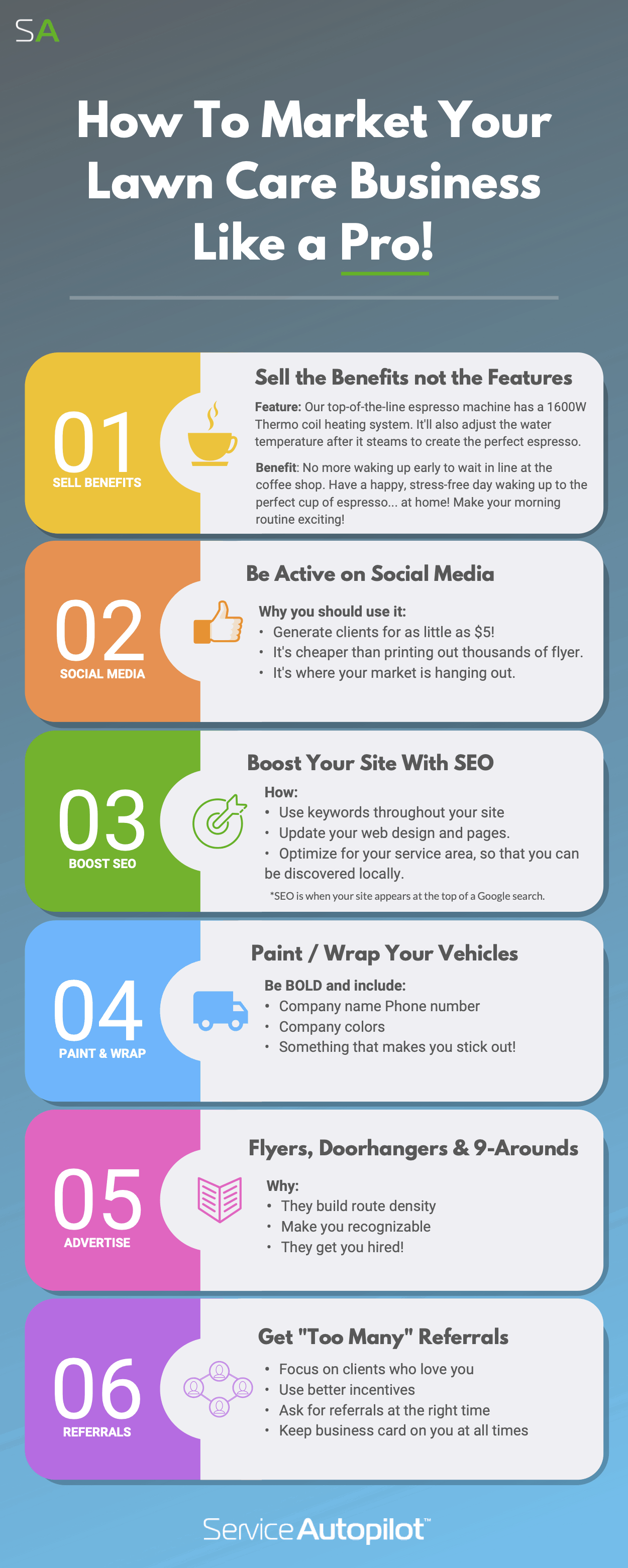
Building a Strong Foundation for Lawn Care Marketing
Before diving into promotion, ensure your business is set up for success. This means having clear service offerings, competitive pricing, and a professional brand.
Defining Your Services and Target Audience
What specific lawn maintenance promotion will you focus on? Will you offer basic mowing, or comprehensive landscaping, fertilization, weed control, and seasonal cleanups? Knowing your strengths helps you target the right customers.
- Core Services: Mowing, trimming, edging, blowing.
- Specialty Services: Fertilization, aeration, overseeding, pest control, landscape design, seasonal cleanups (spring/fall).
- Target Audience: Homeowners, businesses, property managers, HOAs.
Crafting Your Unique Selling Proposition (USP)
What makes your lawn care business different? Your USP is why customers should pick you over others.
- Reliability: Always show up on time.
- Quality: Deliver pristine results every time.
- Eco-Friendly Practices: Use sustainable methods.
- Customer Service: Friendly, responsive communication.
- Guarantees: Offer a satisfaction guarantee.
Professional Branding
A strong brand builds trust. This includes a professional logo, consistent color scheme, and a clear business name.
Effective Strategies for Advertising Lawn Services
Getting your name out there is crucial. This involves reaching potential clients where they are and showing them the value you provide.
Digital Marketing Essentials
In today’s world, an online presence is non-negotiable for customer acquisition lawn care.
Lawn Care Website SEO
Your website is your digital storefront. Lawn care website SEO helps potential clients find you when they search online.
- Keywords: Use terms like “lawn mowing [your city],” “landscaping services [your town],” “weed control near me.”
- Local SEO:
- Google Business Profile: Claim and optimize your listing. Include accurate business hours, address, phone number, services, and high-quality photos. Encourage customer reviews.
- Local Directories: List your business on Yelp, Yellow Pages, and other relevant local directories.
- NAP Consistency: Ensure your Name, Address, and Phone number are identical across all online platforms.
- Content Marketing:
- Blog: Write articles about lawn care tips, seasonal advice, and common lawn problems. This positions you as an expert and attracts organic traffic.
- Service Pages: Create detailed pages for each service you offer, optimized with relevant keywords.
- Mobile-Friendly Design: Most searches happen on mobile. Your website must look and function well on smartphones.
- Fast Loading Speed: Slow websites frustrate visitors and hurt SEO.
Lawn Care Social Media
Social media is a powerful tool for lawn care social media engagement and promotion.
- Platforms: Focus on visually oriented platforms like Facebook and Instagram. LinkedIn can be useful for targeting commercial clients.
- Content Ideas:
- Before & After Photos/Videos: Showcase your work. This is highly effective for demonstrating quality.
- Customer Testimonials: Share positive reviews and stories.
- Tips & Advice: Post seasonal lawn care tips.
- Behind-the-Scenes: Show your team at work, your equipment, and your company culture.
- Promotions & Discounts: Announce special offers.
- Engage: Respond to comments and messages promptly. Run polls and Q&As.
- Local Targeting: Use geographic targeting for your posts and ads on platforms like Facebook.
- Facebook Groups: Join local community groups and relevant gardening/homeowner groups. Share valuable advice and subtly mention your services when appropriate (check group rules first!).
Email Marketing
Build an email list from website inquiries and existing customers.
- Newsletters: Send monthly newsletters with lawn care tips, seasonal reminders, and company updates.
- Promotional Emails: Announce special offers or new services.
- Customer Retention: Send personalized emails for service reminders or follow-ups.
Online Advertising (PPC)
Pay-per-click advertising can drive immediate traffic.
- Google Ads: Target local searches for your services.
- Facebook Ads: Target demographics and interests within your service area. Use compelling visuals and clear calls to action.
Traditional Advertising and Local Outreach
Don’t underestimate the power of local, tangible promotion.
Yard Signs
This is a classic and highly effective method for local lawn care marketing.
- Placement: Ask satisfied customers if you can place a sign in their well-maintained yard for a week or two after service.
- Design: Ensure signs are professional, easy to read from a distance, and include your business name, phone number, and website.
Door Hangers and Flyers
Target specific neighborhoods where you offer services.
- Design: Include a special offer for first-time customers to track effectiveness.
- Distribution: Distribute them in areas with high homeowner density.
Local Partnerships
Collaborate with complementary local businesses.
- Real Estate Agents: They need clean, attractive yards for listings and open houses. Offer them a referral fee or discount for their clients.
- Home Improvement Stores: See if you can leave flyers or business cards at their customer service desk.
- Landscaping Supply Stores: Similar to home improvement stores, these are hubs for your potential clients.
Community Involvement
Sponsor local events or teams. This builds goodwill and brand recognition.
- Little League Teams: A popular choice that resonates with families.
- Local Festivals or Farmers Markets: Set up a booth to offer advice and collect leads.
Referral Programs and Word-of-Mouth
Happy customers are your best salespeople.
- Incentivize Referrals: Offer a discount on their next service or a small gift for every new customer they refer who signs up.
- Encourage Reviews: Ask satisfied clients to leave reviews on Google, Facebook, or Yelp. Positive reviews are crucial for lawn care lead generation.
Strategies for Customer Acquisition Lawn Care
Securing new clients requires a focused approach on reaching and converting leads.
Lead Generation Tactics
- Website Contact Forms: Make it easy for people to request quotes.
- Phone Inquiries: Ensure your phone number is prominent on all marketing materials. Train staff to handle inquiries professionally.
- Social Media Inquiries: Monitor your social media messages and comments for leads.
- Local SEO Efforts: As mentioned, optimizing for local search will bring in clients actively looking for your services.
The Sales Process
- Prompt Follow-Up: Respond to inquiries quickly.
- Professional Quotes: Provide clear, detailed, and itemized quotes.
- Consultations: Offer free on-site consultations to assess needs and build rapport.
- Closing the Deal: Clearly explain your services, pricing, and what the client can expect.
Strategies for Lawn Care Customer Retention
Acquiring new customers is expensive; keeping existing ones is profitable. Lawn care customer retention is key to sustained growth.
Delivering Exceptional Service
- Reliability: Be on time, every time.
- Quality Work: Consistently meet or exceed expectations.
- Professionalism: Ensure your crew is uniformed, polite, and respectful of property.
- Clear Communication: Keep clients informed about schedules, any issues, or recommendations.
Building Relationships
- Personalization: Remember client preferences or special requests.
- Proactive Communication: Remind clients of upcoming services or seasonal needs.
- Customer Loyalty Programs: Offer discounts for long-term contracts or repeat business.
Handling Feedback and Complaints
- Listen Actively: Make clients feel heard.
- Apologize Sincerely: If a mistake is made.
- Rectify Promptly: Address issues efficiently and effectively. Turn a negative experience into a positive one.
- Seek Feedback: Periodically ask customers for their feedback to identify areas for improvement.
Measuring Your Promotional Efforts
You need to know what’s working and what’s not.
Key Performance Indicators (KPIs)
- Number of Leads: Track how many inquiries you receive.
- Conversion Rate: What percentage of leads become paying customers?
- Customer Acquisition Cost (CAC): How much does it cost to get a new customer?
- Customer Lifetime Value (CLV): How much revenue does an average customer generate over time?
- Website Traffic: Monitor visitors, bounce rate, and time on site.
- Social Media Engagement: Likes, shares, comments, and followers.
- Review Volume and Rating: Track online reviews.
Tools for Tracking
- Google Analytics: For website traffic and user behavior.
- CRM (Customer Relationship Management) Software: To manage leads, customer interactions, and sales pipelines.
- Spreadsheets: For basic tracking of leads, costs, and revenue by promotion type.
Creating a Lawn Care Marketing Plan
A structured plan ensures all your promotional efforts are coordinated and effective.
Step-by-Step Plan Development
- Set Goals: What do you want to achieve (e.g., increase customer base by 20% in a year)?
- Define Target Audience: Who are your ideal clients?
- Choose Your Strategies: Select the marketing tactics that best suit your goals and budget.
- Allocate Budget: How much will you spend on each marketing channel?
- Create Content and Materials: Design ads, flyers, website content, social media posts.
- Implement Your Plan: Launch your campaigns.
- Track and Analyze: Monitor your KPIs regularly.
- Adjust and Optimize: Refine your strategies based on performance data.
Sample Lawn Care Marketing Budget Allocation (Hypothetical)
This is an example to illustrate how a budget might be distributed. Actual allocations will vary based on business size, location, and goals.
| Marketing Channel | Percentage of Budget | Key Activities |
|---|---|---|
| Digital Marketing (SEO, PPC) | 30% | Website optimization, Google Ads, social media ads, content creation |
| Social Media Marketing | 15% | Organic posting, community engagement, paid social promotions |
| Local Advertising | 25% | Yard signs, door hangers, local print ads (if applicable) |
| Referral Programs | 10% | Incentives for existing customers, referral tracking |
| Partnerships | 5% | Building relationships with realtors, home improvement stores, etc. |
| Print Marketing (Brochures) | 5% | Professional brochures for consultations and leave-behinds |
| Website Maintenance & Tools | 10% | Hosting, domain, CRM software, analytics tools |
Frequently Asked Questions (FAQ)
Q1: How can I get my first few lawn care clients?
To get your first few clients, focus on your immediate network. Let friends, family, and neighbors know you’re starting a lawn care business. Offer them a discounted introductory service in exchange for honest feedback and potentially a testimonial or referral. Utilize local social media groups and consider distributing flyers in your immediate neighborhood.
Q2: What is the most cost-effective way to advertise lawn services?
The most cost-effective methods often involve leveraging your existing customer base and local community. Referral programs, yard signs on satisfied customers’ properties, and optimizing your Google Business Profile for local search are generally very low-cost and high-impact. Building a strong social media presence through engaging content also has a low barrier to entry.
Q3: How do I price my lawn care services competitively?
Research your local market. Find out what other lawn care businesses charge for similar services. Factor in your costs (labor, fuel, equipment maintenance, insurance) and desired profit margin. You don’t necessarily need to be the cheapest; focus on providing excellent value and justifying your price with quality and reliability.
Q4: Should I focus on residential or commercial clients?
This depends on your resources and goals. Residential clients offer a larger potential customer base in many areas, but require consistent, smaller jobs. Commercial clients (businesses, HOAs, property managers) often provide larger, recurring contracts but may have more stringent requirements and longer payment terms. Many successful businesses serve both.
Q5: How important is customer service for a lawn care business?
Customer service is paramount. For lawn maintenance promotion, positive word-of-mouth and repeat business are incredibly valuable. Being reliable, responsive, professional, and friendly can differentiate you from competitors, even if your pricing is similar. Excellent service leads to lawn care customer retention and strong reviews.
Q6: What’s the best way to get reviews for my lawn care business?
The best time to ask for a review is immediately after completing a job and ensuring the customer is delighted with the results. You can politely ask them to leave a review on Google or your preferred platform. Consider sending a follow-up email with a direct link to your review page. Never offer incentives for reviews, as this can violate platform policies and appear inauthentic.
By implementing these strategies, you can effectively promote your lawn care business, attract more clients, and build a thriving operation. Consistent effort, a focus on quality, and smart marketing are your keys to success.