
Moss invades lawns primarily because the conditions favor its growth over grass. What is moss? Moss is a small, non-vascular plant that thrives in damp, shady environments and often indicates underlying lawn health issues. Can I get rid of moss easily? While it can be challenging, removing moss and preventing its return is achievable by addressing the root causes.
A lush, green lawn is the dream of many homeowners. However, the appearance of thick, velvety moss can be a frustrating and persistent problem. This unwelcome guest often signals that your grass is struggling. Moss doesn’t directly harm your grass, but its presence is a strong indicator that something is amiss with your lawn’s environment. Fathoming the reasons behind moss growth is the first step toward reclaiming a healthy, vibrant turf.
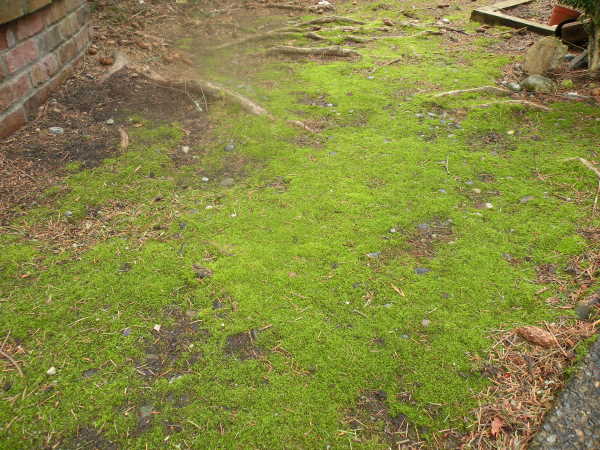
Image Source: turfgator.com
Deciphering the Appeal of Moss
Mosses are ancient plants, predating flowering plants by millions of years. They reproduce through spores and are incredibly adaptable, colonizing surfaces where grasses struggle. Unlike grass, moss doesn’t have true roots; instead, it has fine, thread-like structures called rhizoids that anchor it to the soil. These rhizoids absorb water and nutrients directly from the air and the surface they grow on. This unique structure explains why moss can flourish in conditions that are detrimental to most turfgrass species.
The Perfect Storm: Conditions Favorable to Moss
Several environmental factors contribute to moss proliferation in lawns. Recognizing these conditions is crucial for effective management.
Shady Lawn: The Primary Culprit
One of the most common reasons for moss growth is a shady lawn. Most popular turfgrass varieties require at least 4-6 hours of direct sunlight daily to thrive. Areas under large trees, along fences, or on the north side of buildings often receive insufficient sunlight. When grass struggles due to lack of sunlight, it thins out, creating open patches where moss can easily establish itself. Moss, on the other hand, can tolerate and even prefer low-light conditions.
- Impact of Shade: Reduced photosynthesis in grass leads to weaker growth, shallower roots, and a general decline in vigor.
- Moss Advantage: Moss requires far less light than grass, allowing it to outcompete thinning turf in shaded areas.
Poor Drainage: A Soggy Sanctuary
Poor drainage is another significant contributor to moss problems. Lawns that remain waterlogged for extended periods create an ideal, consistently moist environment for moss. When water cannot penetrate the soil effectively, it pools on the surface, suffocating grass roots and promoting fungal growth.
- Waterlogging: Excess water prevents oxygen from reaching grass roots, leading to stress and eventual death.
- Moss Preference: Moss thrives in saturated soil, absorbing moisture directly from the surface.
Compacted Soil: Root Suffocation
Compacted soil restricts air, water, and nutrient movement within the soil profile. When soil is tightly packed, grass roots struggle to grow and spread. This weakens the grass, making it more susceptible to moss invasion. Heavy foot traffic, the use of heavy machinery, or poor soil structure can all lead to compaction.
- Reduced Aeration: Compacted soil lacks air pockets, essential for healthy root respiration.
- Limited Nutrient Access: Tight soil makes it difficult for roots to absorb necessary nutrients.
Acidic Soil: An Unwelcoming Environment for Grass
Most turfgrasses prefer a slightly acidic to neutral soil pH, typically between 6.0 and 7.0. If your soil pH drops too low, becoming acidic, it can hinder the grass’s ability to absorb nutrients and grow vigorously. Conversely, moss species often tolerate and even prefer acidic soil.
- pH Impact: Low pH can make essential nutrients unavailable to grass and can release toxic aluminum into the soil.
- Moss Tolerance: Many mosses can thrive in soils with a pH as low as 5.0.
Wet Conditions: The Ever-Present Factor
Ultimately, the overarching theme in moss proliferation is wet conditions. Whether caused by poor drainage, excessive rainfall, or overwatering, persistently damp soil creates the perfect breeding ground for moss. Grass roots need air, and prolonged moisture displaces this air, leading to stress and death, thus paving the way for moss.
Beyond the Basics: Other Contributing Factors
While shade, poor drainage, compaction, and acidity are primary drivers, other lawn care practices and conditions can also encourage moss growth.
Thatch Buildup: A Dampening Layer
Thatch buildup is a layer of dead and living organic matter (stems, roots, and leaves) that accumulates on the soil surface between the grass blades. A thin layer of thatch is normal, but excessive thatch can become a spongy, moisture-retentive mat. This creates a consistently damp environment that moss loves, while also suffocating the grass beneath it.
- Moisture Retention: A thick thatch layer acts like a sponge, holding water even when the underlying soil might be drier.
- Airflow Restriction: It can prevent air and sunlight from reaching the soil and grass crowns.
Low Mowing Height: Stressing the Grass
Mowing the lawn too short, or at a low mowing height, stresses the grass. This weakens the turf, reduces its ability to compete with weeds and moss, and exposes the soil to more direct sunlight and drying winds – conditions that can paradoxically favor moss in the long run if the underlying issues aren’t addressed. Shorter grass blades mean less surface area for photosynthesis.
- Weakened Root Systems: Frequent close mowing can lead to shallow, weak root systems.
- Increased Stress: The grass becomes more vulnerable to drought, disease, and competition.
Nutrient Deficiency: Starving the Grass
A nutrient deficiency can weaken grass, making it less competitive against moss. If the soil lacks essential nutrients, especially nitrogen and potassium, the grass will become pale, sparse, and less resilient. Moss, which doesn’t require as many nutrients, can then colonize these weakened areas.
- Poor Color: Lack of nitrogen often results in a pale green or yellow appearance.
- Reduced Vigor: The grass simply doesn’t have the energy to grow strongly.
Fungal Growth: A Symbiotic Relationship
While not a direct cause, fungal growth is often associated with moss. Many fungi, like those causing certain lawn diseases, thrive in the same damp, shady conditions that moss prefers. The weakened grass from fungal attack can then be more easily overtaken by moss. In some cases, certain types of moss might even be an indicator of a specific fungal issue.
Expert Solutions: Reclaiming Your Lawn
Dealing with moss requires a multi-faceted approach that addresses the underlying causes. Simply removing the moss without rectifying the conditions that allowed it to grow will result in its inevitable return.
Step 1: Identify the Root Cause
Before you can effectively treat moss, you must determine why it’s growing.
- Observe Sunlight: Note which areas of your lawn receive the least sun.
- Check Drainage: See if water pools or drains slowly after rain.
- Assess Soil Compaction: Try pushing a screwdriver into the soil; if it’s difficult, the soil is likely compacted.
- Test Soil pH: Use a home soil testing kit or send a sample to a lab.
- Evaluate Mowing Practices: Are you mowing too low?
- Inspect Thatch Layer: Dig a small plug to see how thick the thatch is.
Step 2: Mechanical Removal of Moss
Once you’ve identified the causes, you can begin the removal process.
Raking and Scarifying
For moderate moss issues, vigorous raking with a stiff, wire-tined rake can physically dislodge and remove moss. For more severe cases, a mechanical scarifier or dethatcher is more effective.
- Process: Scarify in spring or early autumn when the grass is actively growing.
- Technique: Make multiple passes in different directions to lift as much moss as possible.
- Disposal: Collect the removed moss and debris to prevent spores from spreading.
Aeration: Breathing Life Back into the Soil
Aeration involves making small holes in the soil to relieve compaction and improve air, water, and nutrient penetration. This is a critical step in combating moss caused by compacted soil.
- Types: Core aerators (which pull out soil plugs) are generally more effective than spike aerators.
- Timing: Aerate when the grass is actively growing (spring or autumn).
- Follow-up: Apply a suitable lawn fertilizer after aerating.
Step 3: Addressing Environmental Issues
This is where the long-term success of moss removal truly lies.
Improving Drainage
If poor drainage is the culprit, consider these solutions:
- Gentle Sloping: Ensure your lawn slopes away from your house.
- Aeration: As mentioned, it significantly improves water infiltration.
- Top Dressing: Applying a layer of sandy loam can help improve soil structure over time.
- French Drains: For severe drainage problems, installing a French drain system might be necessary.
Adjusting Soil pH
If your soil is too acidic, you’ll need to amend it.
- Liming: Apply agricultural lime according to the recommendations from your soil test. The amount needed depends on your current pH and soil type.
- Timing: Apply lime in autumn or early spring.
- Frequency: It can take several months for lime to affect soil pH, so re-test your soil periodically.
Managing Shade
While you can’t eliminate large trees, you can mitigate their impact.
- Pruning: Lightly prune lower branches of trees to allow more sunlight to reach the grass.
- Shade-Tolerant Grasses: Consider overseeding with grass varieties that are more tolerant of shade.
- Ground Cover: In very heavily shaded areas, consider alternative ground covers that are not grass, such as shade-loving groundcovers or mulched beds.
Correcting Mowing Habits
- Raise the Mower: Set your mower to a higher cutting height. For most cool-season grasses, 2.5 to 3.5 inches is ideal.
- Mulching Mower: Use a mulching mower to return grass clippings to the lawn, adding nutrients.
- Sharp Blades: Ensure your mower blades are sharp to make clean cuts, reducing stress on the grass.
Controlling Thatch
- Dethatching: Use a scarifier or dethatcher annually or as needed to remove excessive thatch.
- Aeration: Helps break down thatch by improving microbial activity.
- Proper Fertilization: Avoid over-fertilizing, which can contribute to rapid thatch buildup.
Nutrient Management
- Soil Testing: Regularly test your soil to identify nutrient deficiencies.
- Balanced Fertilization: Apply a balanced fertilizer based on soil test recommendations. Focus on slow-release nitrogen sources.
- Potassium: Ensure adequate potassium levels, as it helps grass withstand stress.
Step 4: Chemical Treatments (Use with Caution)
While addressing underlying issues is paramount, chemical treatments can provide a quick fix for existing moss.
Moss Killers
Commercial moss killers typically contain iron sulfate (ferrous sulfate) or copper sulfate.
- Iron Sulfate: This is the most common active ingredient. It kills moss by dehydrating it and turning it black. It can also help to slightly acidify the soil, which can be beneficial if your soil is too alkaline but detrimental if it’s already acidic.
- Copper Sulfate: More potent, it kills moss effectively but can be toxic to plants and soil microbes if overused.
Important Considerations for Chemical Treatments:
- Timing: Apply when moss is actively growing, usually in spring or autumn.
- Application: Follow product instructions carefully. Over-application can damage grass.
- Rain: Avoid applying before heavy rain, as it can wash the product away.
- Aftermath: Rake out the dead moss a few days to a week after application.
- Environmental Impact: Consider the potential impact on beneficial soil organisms and nearby water sources.
Step 5: Overseeding and Lawn Repair
After addressing the causes and removing the moss, you’ll likely need to repair bare patches.
Overseeding
- Timing: Best done in autumn or early spring when conditions are cool and moist.
- Preparation: Loosen the soil surface in bare or thin areas.
- Seed Selection: Choose grass seed varieties suitable for your lawn’s conditions (sunlight, traffic).
- Application: Spread seeds evenly and lightly rake them into the soil.
- Watering: Keep the seeded areas consistently moist until germination.
Top Dressing
Applying a thin layer of compost or sandy loam can improve soil structure and provide a better environment for grass establishment.
Preventing Future Moss Infestations
The key to keeping moss at bay is maintaining a healthy, dense turf that can outcompete it.
Regular Lawn Maintenance
- Proper Mowing: Maintain the correct mowing height.
- Adequate Watering: Water deeply and less frequently to encourage deep root growth. Avoid overwatering.
- Fertilization: Feed your lawn with the right nutrients at the right times.
- Dethatching and Aeration: Perform these tasks annually or as needed.
Sunlight Management
- Tree Pruning: Continue to prune trees as necessary to maximize sunlight.
- Consider Shade-Tolerant Varieties: If shade is unavoidable, use appropriate grass types.
Soil Health
- Regular pH Testing: Monitor and adjust soil pH as needed.
- Amendments: Add compost or other organic matter to improve soil structure.
Common Moss-Related Lawn Problems
| Problem | Cause | Solution |
|---|---|---|
| Moss in Shady Areas | Lack of sunlight, poor grass health | Prune trees, overseed with shade-tolerant grass, improve soil drainage. |
| Moss After Heavy Rain | Poor drainage, prolonged wet conditions | Aerate, improve soil structure, ensure proper grading, reduce watering. |
| Moss on Compacted Soil | Reduced air and water infiltration | Aerate, dethatch, consider top dressing with sandy loam. |
| Moss in Acidic Soil | Soil pH too low for grass, favorable for moss | Test soil pH, apply lime according to recommendations. |
| Moss with Thatch Buildup | Moisture retention in thatch layer | Dethatch annually, aerate, use proper fertilization. |
| Moss on Thin Turf | Weak grass struggling to compete | Overseed, fertilize appropriately, address underlying environmental factors. |
Frequently Asked Questions (FAQ)
Q1: Is moss bad for my lawn?
A1: Moss itself doesn’t harm grass directly. However, its presence is a strong indicator that your lawn is unhealthy and the conditions are not ideal for grass growth. Moss thrives when grass struggles.
Q2: Can I just scrape off the moss?
A2: Scraping off moss provides a temporary solution. If you don’t address the underlying causes (like poor drainage, shade, or compacted soil), the moss will likely return. It’s essential to fix the root problem.
Q3: When is the best time to remove moss?
A3: The best time to remove moss is generally in spring or early autumn when grass is actively growing and conditions are favorable for recovery and new growth. You can also apply moss killers during cooler, damper periods of the year.
Q4: Will moss kill my grass?
A4: No, moss doesn’t directly kill grass. However, the conditions that allow moss to grow (like excessive shade and moisture) can weaken the grass, making it more susceptible to disease and stress, which can eventually lead to its demise.
Q5: How can I prevent moss from coming back?
A5: Prevention involves maintaining a healthy, dense turf. This means ensuring adequate sunlight, proper drainage, healthy soil pH, regular aeration and dethatching, and mowing at the correct height. A vigorous lawn is the best defense against moss.
Q6: Is iron sulfate safe for my lawn?
A6: Iron sulfate is generally safe for lawns when used according to the product’s instructions. It can provide a quick green-up effect to the grass. However, it can stain concrete and other surfaces, so be careful during application. Over-application can potentially harm the grass.
By carefully observing your lawn, identifying the specific conditions that favor moss, and implementing the appropriate solutions, you can transform a moss-ridden lawn into a healthy, vibrant green space. Consistent care and attention to the underlying environmental factors are the keys to long-term success.