
Does your once-vibrant green lawn suddenly look patchy, brown, or spotted? You are not alone! Many homeowners battle mysterious lawn diseases that turn their pride and joy into a frustrating mess. Identifying the problem is the first step, but choosing the right weapon against lawn fungus can feel like navigating a jungle of complicated labels and confusing chemicals.
Picking the wrong lawn fungicide can waste your money and fail to stop the disease, letting the damage spread further. You need a solution that works quickly and keeps your grass healthy all season long. This guide cuts through the confusion. We will break down what lawn fungicides are, when you need them, and how to select the perfect product for your specific grass type and problem.
Keep reading to learn the secrets to a consistently healthy, beautiful lawn. By the end of this post, you will feel confident choosing and applying the right fungicide. Let’s dive into protecting your perfect turf!
Top Lawn Fungicides Recommendations
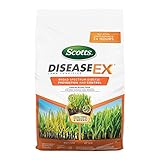


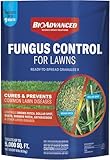


Your Guide to Winning the War Against Lawn Fungus
Brown patches, slimy spots, or a dusty white coating on your grass? These are signs of lawn fungus. Don’t let these tiny invaders ruin your beautiful yard! Choosing the right lawn fungicide is key. This guide helps you pick the best product to keep your turf green and healthy.
Key Features to Look For in Lawn Fungicides
When shopping for lawn fungicide, look for these important features:
- Broad Spectrum vs. Targeted: Broad-spectrum fungicides fight many types of fungus. Targeted ones focus on one specific problem, like dollar spot. Decide what disease you have or if you need general protection.
- Systemic vs. Contact: Contact fungicides sit on the leaf surface and kill fungus they touch. Systemic fungicides move inside the plant to fight fungus from within. Systemic products often offer longer protection.
- Duration of Control: Check how long the product works. Some last a few weeks; others offer several months of protection. Longer control means fewer trips to the store and less frequent spraying.
- Safety Ratings: Look for products safe for your grass type (like Fescue or Bermuda) and safe for pets and kids once dry. Always read the label!
Important Materials and Active Ingredients
The “active ingredient” is what actually kills the fungus. Different ingredients work differently:
- Chlorothalonil: This is a common contact fungicide. It works well as a preventative treatment.
- Propiconazole or Azoxystrobin: These are popular systemic ingredients. They are excellent for treating active infections.
- Combination Products: Many modern fungicides mix two or more active ingredients. This helps prevent the fungus from becoming resistant to just one chemical.
Factors That Improve or Reduce Product Quality
The quality of your fungicide depends on what you need and how you use it.
What Improves Quality:
- Correct Application: Applying the right amount at the right time makes any product work better. Early treatment is always best.
- Weather Matching: Some fungicides work best when applied before rain; others need dry conditions to set in. Check the label for ideal weather.
- Rotation: If you use the same chemical repeatedly, the fungus might adapt. Rotating between different active ingredients keeps your defense strong.
What Reduces Quality:
- Improper Storage: Storing chemicals in extreme heat or cold can make them less effective. Keep them sealed in a cool, dry place.
- Washing Off Too Soon: If it rains heavily right after you spray, the product might wash away before it can protect the grass.
- Using Old Product: Always check the expiration date. Old, expired fungicides often lose their power.
User Experience and Common Use Cases
How people use these products changes what they look for.
Preventative Use: Many homeowners use a mild, broad-spectrum fungicide early in the growing season. This stops problems like Brown Patch before they even start. For this, a longer-lasting, systemic product is often preferred.
Curative Use: If you see a clear, spreading circle of dead grass (like Dollar Spot), you need a strong, fast-acting curative product. Users in this situation prioritize quick results over long-term prevention.
Ease of Use: Most modern lawn fungicides come as a liquid concentrate that you mix with water in a sprayer. Ready-to-use hose-end sprayers are great for beginners or small yards because they simplify mixing.
10 Frequently Asked Questions (FAQ) About Lawn Fungicides
Q: How quickly should I see results after applying fungicide?
A: Curative fungicides can stop the spread within a few days. However, the grass itself will take longer to recover its green color, often several weeks.
Q: Can I apply fungicide if it looks like rain soon?
A: Generally, no. Most fungicides need a few hours of dry time to stick to the grass blades or soak in. Check the label for the required dry interval.
Q: Are lawn fungicides safe for my dog?
A: Most fungicides are safe for pets and people once the treated area is completely dry. Always keep pets and children off the lawn until the spray has dried according to the label instructions.
Q: What is the difference between a fungicide and a fertilizer?
A: Fertilizer feeds your grass to make it grow strong. Fungicide kills or stops the growth of harmful fungi. They do different jobs.
Q: Do I need to water the lawn after applying a granular fungicide?
A: Yes. Granular products usually need watering in right after application. This dissolves the granules and moves the active ingredient down to the soil level where it needs to work.
Q: Can one fungicide treat all lawn diseases?
A: No. Some diseases like Rust need different chemicals than diseases like Pythium Blight. Broad-spectrum products cover many, but specialized products work best for specific issues.
Q: What is the best time of year to start applying fungicide?
A: This depends on your local climate. Often, the best time is early spring when temperatures start rising, which is when many fungi become active.
Q: How long does a typical lawn fungicide application last?
A: This varies widely. Preventative treatments might last 4 to 6 weeks, while some heavy-duty systemic treatments can last up to 3 months.
Q: Can I mix fungicide with my weed killer?
A: You should never mix products unless the labels specifically say they are compatible. Mixing chemicals can create dangerous reactions or cause one product to stop working.
Q: What happens if I use too much fungicide?
A: Using too much product wastes money and can often harm your lawn. Over-application can cause chemical burn, which makes the grass turn yellow or brown.