
Imagine stepping onto a lawn so green it looks like a velvet carpet. You want that perfect yard, right? But when you walk down the fertilizer aisle, it feels like a jungle of numbers and names: N-P-K, slow-release, quick-boost. It’s confusing! Choosing the wrong fertilizer can lead to wasted money, burned grass, or just a lawn that stays stubbornly lackluster.
You are not alone in feeling overwhelmed. Trying to figure out what your grass actually needs is tough. Do you need more nitrogen for that deep green color, or phosphorus for strong roots? This guide cuts through the jargon. We will explain what those important numbers mean and how to match the perfect food to your specific lawn type and season.
By the end of this post, you will confidently pick the right bag every time. Get ready to stop guessing and start growing the best lawn on the block. Let’s dig into the secrets of effective lawn fertilization!
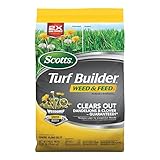
Top Lawn Fertilizer Recommendations


The Ultimate Lawn Fertilizer Buying Guide
Want a greener, healthier lawn? Choosing the right fertilizer is key. This guide helps you pick the best food for your grass.
Key Features to Look For
When buying lawn fertilizer, you need to check a few important things. These features tell you what the bag does for your yard.
Understanding the N-P-K Ratio
Every bag of fertilizer has three numbers on it, like 10-10-10 or 24-0-8. These numbers are the N-P-K ratio. They stand for:
- N (Nitrogen): This helps your grass grow fast and look dark green. It is the most important number for green-up.
- P (Phosphorus): This helps roots grow strong, especially when you plant new grass.
- K (Potassium): This helps the grass fight off stress, like heat, cold, or disease.
Different lawns need different ratios. New lawns need more P. Established lawns usually need more N.
Slow-Release vs. Quick-Release
Fertilizers release nutrients in different ways. Quick-release feeds your lawn right away, giving it a fast green boost. Slow-release nutrients feed the grass over several weeks or months. We recommend slow-release options because they feed the lawn evenly and prevent burning.
Important Materials in Fertilizer
Fertilizers come from different sources. Knowing the material helps you choose between synthetic and natural options.
Synthetic Fertilizers
These are made in factories. They often provide precise N-P-K numbers quickly. They work fast. However, too much synthetic fertilizer can sometimes hurt the soil over time if used constantly.
Organic Fertilizers
These come from natural sources like manure, bone meal, or seaweed. They feed the soil first, which then feeds the grass slowly. Organic options improve soil health over the long term. They usually cost more than synthetic types.
Factors That Improve or Reduce Quality
The quality of your fertilizer choice affects your lawn’s look and health.
Improving Quality
- Micronutrients: Good fertilizers include small amounts of other needed elements like Iron (Fe) or Magnesium (Mg). Iron gives grass a deep green color without too much fast growth.
- Weed Preventers (Weed & Feed): Some products include herbicides to stop weeds before they sprout. This saves you time.
Reducing Quality (Things to Avoid)
- High Salt Content: Some fast-acting synthetic fertilizers have high salt levels. If you apply too much, they pull water out of the grass blades, which causes fertilizer burn.
- Wrong Timing: Applying the wrong type of fertilizer at the wrong time of year (like heavy nitrogen in late fall) can hurt your lawn when winter comes.
User Experience and Use Cases
How you use the fertilizer matters as much as what you buy.
Ease of Application
Most lawn fertilizers come as granules. You spread these using a broadcast or drop spreader. Look for fine, uniform granules if you use a spreader. Uneven granules lead to patchy results.
Common Use Cases
- Spring Start-Up: Use a balanced fertilizer or one slightly higher in Nitrogen (N) to encourage green growth after winter dormancy.
- Summer Stress: Use a slow-release fertilizer or one higher in Potassium (K) to help the grass handle heat and drought.
- Fall Root Building: Use a fertilizer lower in Nitrogen and higher in Phosphorus and Potassium to build strong roots for the next year.
Frequently Asked Questions (FAQ) About Lawn Fertilizer
Q: What is the most important number on the fertilizer bag?
A: Nitrogen (N) is usually the most important number. It controls how fast and how green your grass grows.
Q: How often should I fertilize my lawn?
A: Most lawns need fertilizer three to four times a year. Always follow the specific instructions on your chosen product bag.
Q: Can I burn my grass with fertilizer?
A: Yes, you can. Applying too much fertilizer, especially quick-release types, or applying it when the grass is dry can burn the blades.
Q: Should I water my lawn after fertilizing?
A: Yes, always water your lawn lightly after applying fertilizer. Watering helps move the nutrients down into the soil where the roots can reach them and washes granules off the grass blades.
Q: What is the difference between “Weed & Feed” and plain fertilizer?
A: “Weed & Feed” products contain fertilizer for feeding and a weed killer (herbicide) to stop weeds from growing. Plain fertilizer only feeds the grass.
Q: When is the best time of year to start fertilizing?
A: The best time to start is usually early spring, once your grass starts actively growing again after the cold weather.
Q: Are organic fertilizers better than synthetic ones?
A: Organic fertilizers improve soil health over time, but synthetic ones work faster. The best choice depends on your budget and how quickly you want results.
Q: Do I need a special spreader for different fertilizers?
A: Most granular fertilizers work well with standard drop or broadcast spreaders. Read the bag instructions to ensure the settings match your spreader type.
Q: What does a fertilizer with zero Phosphorus mean?
A: A zero in the middle (like 24-0-8) means it has no added Phosphorus. Many states limit the use of Phosphorus unless you are starting a new lawn because it can pollute local waterways.
Q: Can I use lawn fertilizer on my vegetable garden?
A: No, you should not use standard lawn fertilizer on vegetables. Lawn fertilizers often have too much Nitrogen and might contain chemicals not safe for food crops.