
The best time to winterize your lawn is generally in the early to mid-fall, before the ground freezes and the first hard frost.
Preparing your lawn for winter is a crucial step in autumn lawn care. Following a consistent fall lawn preparation routine ensures your grass survives the cold months and emerges healthy and vibrant in the spring. Winterizing your lawn isn’t a complicated process; it involves a few key lawn winterizing steps that make a significant difference. Let’s break down how to get your lawn ready for its long winter nap.
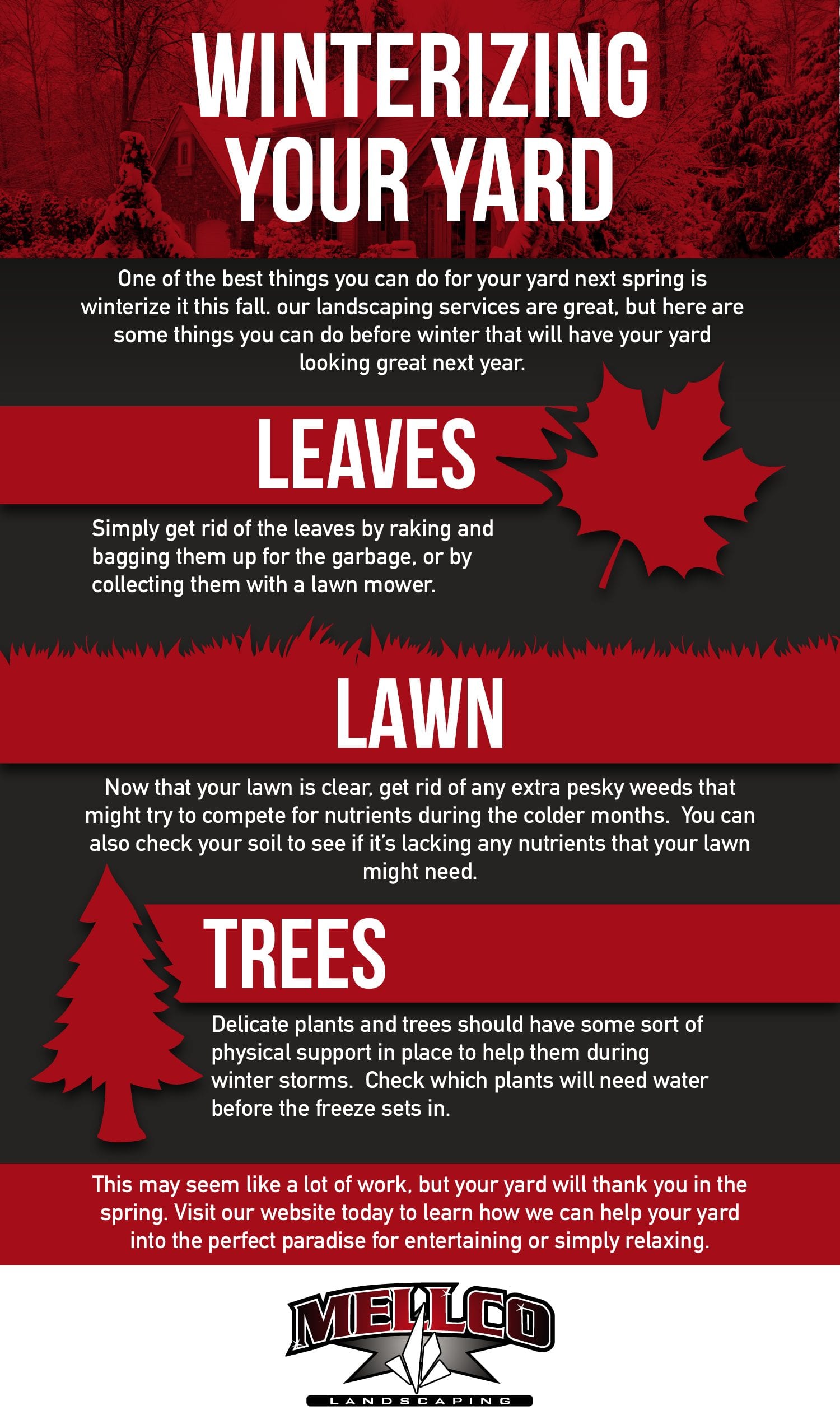
Image Source: 303tech.com
Why Winterize Your Lawn?
Winterizing your lawn is like tucking your garden into bed for a long sleep. It protects the grass roots from harsh winter conditions, prevents disease, and sets the stage for a vigorous spring growth. Without proper winter preparation, your lawn can suffer from:
- Winter kill: Extreme cold can damage or kill grass blades and even roots.
- Disease: Damp, cool conditions can encourage fungal growth.
- Weed invasion: Bare or weak spots in the spring are prime real estate for weeds.
- Poor spring recovery: A neglected lawn takes longer to green up and may look thin.
When is the Best Time to Winterize My Lawn?
The best time to winterize lawn is a question many homeowners ask. Generally, you want to complete these tasks in the early to mid-fall, typically between September and November in most temperate climates. The key is to do it after the grass has stopped its vigorous summer growth but before the ground freezes solid and the first hard frost arrives. This allows the grass to absorb nutrients and build up its reserves for winter stress.
Essential Lawn Winterizing Steps
Here’s a comprehensive guide to the essential lawn winterizing steps:
1. Lawn Cleanup Fall: Removing Debris
Your first task in lawn cleanup fall is to thoroughly clear your lawn of any debris. This includes fallen leaves, twigs, acorns, and any other organic matter that accumulates over the fall.
- Why it’s important: A thick layer of leaves can smother the grass, block sunlight, and create a damp environment perfect for fungal diseases like snow mold. It also provides a cozy home for pests.
- How to do it:
- Rake leaves: Use a leaf rake or a leaf blower. Consider mulching leaves with a mower if they are dry and not too thick, as mulched leaves can add nutrients back to the soil.
- Pick up sticks and acorns: These can puncture tires if you use a mower and can also smother grass.
- Remove fallen fruit: If you have fruit trees, clear away any fallen fruit to prevent rot and potential pest attraction.
2. Mowing Lawn Before Winter: The Final Cut
The final mowing of the season is more important than you might think. Mowing lawn before winter sets the stage for healthy growth in the spring.
- Why it’s important: Mowing the grass to the correct height prevents it from becoming too long and falling over, which can mat down and encourage disease. Cutting it too short can expose the crowns of the grass plants to winter damage.
- How to do it:
- Adjust mower height: For most cool-season grasses, the ideal height for the last mow is around 2.5 to 3 inches. For warm-season grasses, you might go a bit lower. Check recommendations for your specific grass type.
- Sharpen mower blades: Dull blades tear grass, creating ragged edges that are more susceptible to disease and dry out faster. A sharp blade makes a clean cut.
- Keep mowing as needed: Continue mowing as long as the grass is growing. The very last mow should be when growth slows significantly.
3. Aeration Lawn Fall: Giving Roots Room to Breathe
Aeration lawn fall is a beneficial practice that helps improve soil structure and allows air, water, and nutrients to reach the grass roots.
- Why it’s important: Over time, foot traffic, heavy rainfall, and the decomposition of thatch can compact the soil. Compacted soil restricts root growth, water drainage, and air circulation. Aeration creates small holes in the soil, relieving this compaction.
- How to do it:
- Core aerator: This type of aerator pulls out plugs of soil, which is the most effective method. Leave the plugs on the lawn; they will break down and return nutrients to the soil.
- Spike aerator: This type pushes spikes into the soil, which can be less effective for severe compaction but is easier for homeowners to use.
- Timing: Fall is an excellent time to aerate, especially for cool-season grasses, as they are still actively growing and can recover quickly.
4. Overseeding Lawn Fall: Filling in Thin Spots
Overseeding lawn fall is the process of spreading grass seed over an existing lawn to fill in thin areas and improve its overall density and appearance.
- Why it’s important: Fall provides ideal conditions for many grass seeds to germinate and establish. The soil is still warm enough, and there’s usually sufficient moisture. Overseeding helps create a thicker turf, which naturally crowds out weeds and improves the lawn’s resilience.
- How to do it:
- Choose the right seed: Select a seed mix that matches your existing grass type and climate.
- Prepare the seedbed: If you’ve aerated, the small holes are perfect for the seed. Lightly rake the area to loosen the soil surface.
- Spread the seed: Use a spreader for even application.
- Water consistently: Keep the seeded areas moist until germination occurs.
5. Fertilizing Lawn Before Winter: The Crucial Feeding
Fertilizing lawn before winter is arguably the most critical step in winterizing. This feeding provides essential nutrients for root development and winter hardiness.
- Why it’s important: A fall fertilizer application, often called a “winterizer” fertilizer, is rich in potassium. Potassium helps grass blades and roots withstand cold temperatures, ice, and snow. It also promotes root growth, ensuring a strong foundation for spring.
- How to do it:
- Choose the right fertilizer: Look for a fertilizer with a higher middle number (phosphorus) and a higher last number (potassium) than the first number (nitrogen). For example, a 10-10-20 or similar ratio is often recommended. Avoid fertilizers with high nitrogen in the fall, as this can stimulate top growth that is vulnerable to frost.
- Timing: Apply fertilizer after your last mow but before the ground freezes. If you overseeded, wait a few weeks after germination if possible, or use a starter fertilizer that is safe for new seedlings.
- Application: Use a broadcast spreader for even coverage. Read the fertilizer bag for recommended application rates. Water the lawn lightly after fertilizing if there’s no rain expected.
6. Watering Lawn Before Winter: A Thirst Quencher
Watering lawn before winter ensures that your grass has adequate moisture going into the dormant period.
- Why it’s important: Even though the grass isn’t actively growing, its roots are still alive. Dry soil can lead to desiccation and root damage during winter, especially in regions with low snowfall or windy conditions that can dry out the ground.
- How to do it:
- Water deeply: If the fall has been dry, give your lawn a good, deep watering. Aim to moisten the soil to a depth of 6-8 inches.
- Avoid overwatering: You don’t want standing water, which can lead to ice formation and damage.
- Stop watering when frozen: Once temperatures consistently drop below freezing, stop watering.
7. Dealing with Weeds
While not strictly a “winterizing” step, managing weeds in the fall contributes to a healthier lawn come spring.
- Why it’s important: Many perennial weeds, like dandelions and clover, are actively storing energy in their roots in the fall. Applying a selective herbicide at this time can be very effective in killing these weeds before they go dormant, preventing them from returning in force next year.
- How to do it:
- Spot treat: If you see broadleaf weeds, use a selective broadleaf herbicide.
- Follow instructions: Always read and follow the product label carefully for best results and to avoid damaging your grass.
- Timing: Apply herbicides when temperatures are mild enough for them to be effective, typically above 50°F (10°C), and when the weeds are actively growing.
8. Protecting Your Lawn from Snow Mold
Snow mold is a common fungal disease that thrives in cool, damp conditions, often exacerbated by snow cover.
- Why it’s important: Preventing snow mold helps keep your lawn looking good and healthy throughout winter and into spring.
- How to do it:
- Rake leaves thoroughly: As mentioned earlier, a clean lawn is less prone to snow mold.
- Avoid excessive thatch: Aeration and proper fertilizing help manage thatch buildup.
- Avoid over-fertilizing late in the season: High nitrogen levels can encourage tender growth vulnerable to snow mold.
- Consider a fungicide: In areas prone to snow mold, a preventative fungicide application in late fall can be beneficial, especially if applied after the last mowing but before the first permanent snow cover.
9. Preparing Sprinkler Systems
If you have an in-ground irrigation system, it’s essential to prepare it for winter to prevent freeze damage.
- Why it’s important: Water left in the pipes can freeze, expand, and crack them, leading to costly repairs in the spring.
- How to do it:
- Drain the system: This usually involves using an air compressor to blow all water out of the pipes and sprinkler heads. Many homeowners hire a professional for this task.
- Turn off the water supply: Ensure the main water valve to the system is shut off.
10. Final Check and Review
Once you’ve completed the core lawn winterizing steps, take a moment to review.
- Is the lawn clear of debris?
- Was the final mow at the correct height?
- Was aeration performed if needed?
- Was overseeding successful?
- Was the correct fertilizer applied?
- Was the lawn watered adequately?
A little effort now can save you a lot of time and money in the spring.
Putting it All Together: A Fall Lawn Preparation Checklist
Here’s a handy checklist to guide you through your fall lawn preparation:
| Task | Timing | Importance | Notes |
|---|---|---|---|
| Lawn Cleanup Fall | Early to Mid-Fall | High | Remove leaves, twigs, acorns, fallen fruit. |
| Aeration Lawn Fall | Early to Mid-Fall | High (if soil is compacted) | Improves air, water, and nutrient penetration. |
| Overseeding Lawn Fall | Mid-Fall | High (to fill thin areas) | Use appropriate seed mix; keep moist. |
| Mowing Lawn Before Winter | Late Fall | High | Final mow at 2.5-3 inches; sharpen blades. |
| Fertilizing Lawn Before Winter | Late Fall | Critical | Use a winterizer fertilizer (high potassium). |
| Watering Lawn Before Winter | Before Ground Freezes | High (if dry) | Deep watering to moisten soil. |
| Weed Control | Throughout Fall | Beneficial | Target perennial weeds when actively growing. |
| Sprinkler System Winterization | Late Fall | Essential (if applicable) | Drain all water to prevent freeze damage. |
Frequently Asked Questions (FAQ)
Q1: Can I still winterize my lawn if I missed the early fall window?
A1: While early fall is ideal, it’s never too late to take some preventive measures. Focus on cleaning up leaves and twigs, and if the ground isn’t frozen, a late application of a winterizer fertilizer can still offer some benefits. However, the effectiveness of overseeding and aeration diminishes significantly if the ground is already cold.
Q2: What kind of fertilizer should I use for winterizing?
A2: For fertilizing lawn before winter, choose a fertilizer specifically formulated as a “winterizer.” These typically have a higher proportion of potassium (the last number in the N-P-K ratio) and a lower proportion of nitrogen. Potassium helps strengthen the grass’s resistance to cold, drought, and disease. Examples might be 10-10-20 or 12-8-16.
Q3: How often should I aerate my lawn?
A3: The need for aeration depends on your soil type and how much traffic the lawn receives. Heavy clay soils and high-traffic areas benefit from aeration annually or every other year. Lighter soils with less traffic may only need it every 2-3 years. Aeration lawn fall is a good time to assess this.
Q4: Is it okay to leave grass clippings on the lawn after mowing in the fall?
A4: Leaving a thin layer of grass clippings (often called “grasscycling”) is generally beneficial as they decompose and return nutrients to the soil. However, if the clippings are thick and heavy, especially after a final mow, they can smother the grass. It’s best to rake up excessive clippings.
Q5: How do I know if my lawn needs overseeding?
A5: Look for thin patches, bare spots, or areas where grass has thinned out. If you can easily see the soil surface in many parts of your lawn, it’s a good candidate for overseeding lawn fall. A dense, healthy lawn is more resistant to weeds and diseases.
By diligently following these lawn winterizing steps, you’ll be providing your lawn with the best possible protection against the winter elements and setting it up for a spectacular return in the spring. Happy fall lawn preparation!