
Can you use cover crops in a no-till garden? Absolutely! Using cover crops in a no-till garden is a fantastic way to boost soil health and improve your yields. This practice is a cornerstone of modern, sustainable gardening.
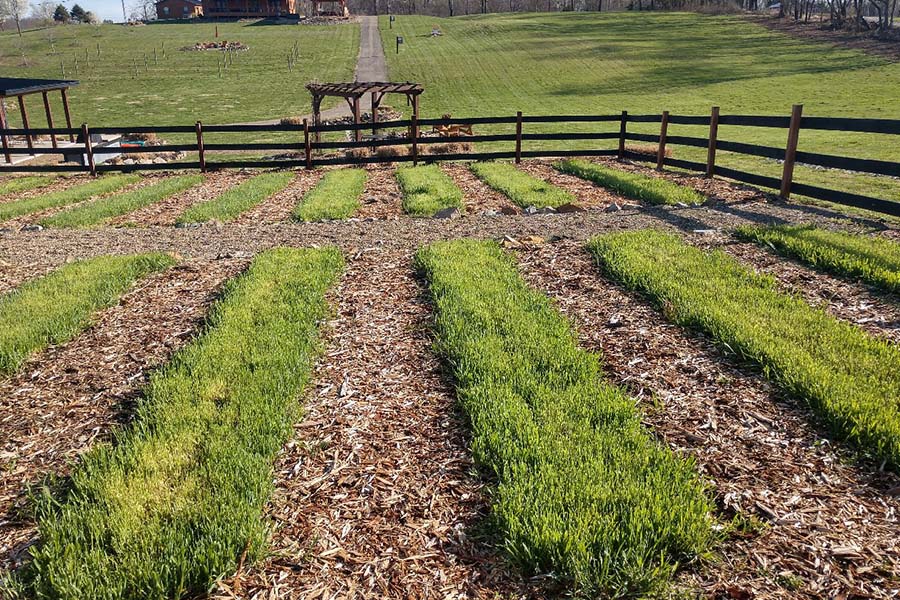
Image Source: oldworldgardenfarms.com
Why Use Cover Crops in a No Till Garden?
No-till gardening is a method of growing plants without disturbing the soil. This means no digging, no tilling, and minimal disturbance. When you combine this with cover crops, you create a powerful system for enhancing your garden’s ecosystem.
Cover Crop Benefits No Till
The benefits of using cover crops in a no-till system are numerous and impactful. They work synergistically to build a thriving garden.
- Improved Soil Structure: Cover crops prevent soil compaction. Their roots create channels that allow air and water to penetrate deeper. This is crucial in no-till systems where the soil is not mechanically aerated.
- Increased Organic Matter: As cover crops grow and are terminated, they decompose, adding valuable organic matter to the soil. This organic matter improves soil’s ability to hold water and nutrients.
- Nutrient Cycling: Leguminous cover crops, like clover and vetch, fix atmospheric nitrogen. This nitrogen becomes available to your cash crops, reducing the need for synthetic fertilizers. Other cover crops scavenge nutrients from deeper soil layers, preventing them from leaching away.
- Weed Suppression: A dense cover crop stand shades out and outcompetes weeds. This significantly reduces the weed pressure in your garden.
- Erosion Control: Cover crops protect the soil surface from wind and rain. This prevents valuable topsoil from being washed or blown away.
- Habitat for Beneficial Insects: Many cover crops, especially those with flowers, attract beneficial insects like pollinators and predators that help control pests.
- Disease Suppression: Some cover crops have been shown to help suppress certain soil-borne diseases, leading to healthier plants.
Cover Cropping for Soil Health
Cover cropping is arguably one of the most effective strategies for improving soil health. In a no-till system, where the soil’s natural structure is preserved, cover crops amplify these benefits. The soil food web, comprising earthworms, bacteria, fungi, and other microorganisms, thrives in undisturbed soil. Cover crops provide a consistent food source and habitat for these beneficial organisms, leading to a more robust and resilient soil ecosystem. This leads to better soil structure, improved water infiltration, and enhanced nutrient availability.
No Till Cover Crop Selection
Choosing the right cover crops is key to maximizing their benefits in your no-till garden. Your selection will depend on your specific goals, climate, and the time of year.
Factors to Consider
When selecting cover crops for your no-till garden, keep these factors in mind:
- Your Goals: Are you looking to add nitrogen, improve soil structure, suppress weeds, or attract pollinators?
- Climate and Season: Choose cover crops that thrive in your region’s climate and the specific season you plan to plant them.
- Soil Type: Some cover crops are better suited to sandy soils, while others prefer clay soils.
- Termination Method: How will you terminate the cover crop before planting your main crops? This can influence your choice.
- Cash Crop Rotation: Consider what you will plant after the cover crop. Some cover crops might be allelopathic (release chemicals that inhibit the growth of other plants).
Best Cover Crops for No Till
Here are some of the best cover crops for no-till gardens, categorized by their primary benefits:
Legumes (Nitrogen Fixers)
- Crimson Clover: A beautiful and effective nitrogen-fixing cover crop. It’s a great winter cover crop in milder climates and attracts pollinators.
- Hairy Vetch: Another excellent nitrogen fixer, very cold-hardy. It can be a bit vigorous, so manage its growth to prevent it from becoming a weed itself.
- Field Peas: Good for cool-season growth, they also fix nitrogen and provide biomass.
- Alfalfa: A perennial legume that is excellent for building soil structure and fixing nitrogen over the long term. It’s deep-rooted.
Grasses/Cereals (Biomass and Soil Structure)
- Oats: A fast-growing, cool-season grain that produces a lot of biomass and suppresses weeds. It winter-kills in colder climates, making termination easier.
- Winter Rye (Cereal Rye): The king of winter cover crops in cold climates. It’s extremely cold-hardy, produces abundant biomass, suppresses weeds effectively, and scavenges nitrogen. Its extensive root system is fantastic for improving soil structure.
- Barley: Similar to oats, good for biomass and weed suppression in cool seasons.
- Buckwheat: A fast-growing warm-season cover crop. It’s excellent for weed suppression, scavenging phosphorus, and attracting beneficial insects. It also winter-kills.
Broadleaves/Other (Diverse Benefits)
- Mustards (e.g., tillage radish, daikon radish): These are excellent “biofumigants” and nutrient scavengers. Their large taproots break up compaction and pull up nutrients from deep in the soil. They typically winter-kill.
- Phacelia: A beautiful native plant that is a magnet for pollinators. It also helps break up compacted soil.
- Sunflower: Produces a lot of biomass and has deep roots that can help break up clay soil. Attracts beneficial insects.
Types of Cover Crops
Cover crops can be broadly classified into three main types based on their primary function:
- Legumes: These plants have a symbiotic relationship with Rhizobia bacteria in their root nodules. These bacteria convert atmospheric nitrogen into a form that plants can use, effectively fertilizing the soil.
- Grasses/Cereals: These are heavy feeders and are excellent at scavenging excess nitrogen from the soil, preventing it from leaching away. They also produce a large amount of biomass, which adds organic matter when incorporated into the soil. Their fibrous root systems are great for binding soil particles together and improving soil aggregation.
- Broadleaves/Other: This category includes a diverse group of plants with various benefits. Some, like mustards, have biofumigant properties that can help suppress soil-borne diseases and pests. Others are excellent at attracting beneficial insects or improving soil structure with deep taproots.
Planting Cover Crops No Till
The method of planting cover crops in a no-till garden is just as important as selecting the right species. The goal is to sow the seeds without disturbing the existing soil structure.
Seeding Methods
Here are common ways to plant cover crops in a no-till system:
- Broadcast Seeding:
- How-to: Scatter seeds evenly over the soil surface. This is often done into an existing crop or after harvesting.
- No-Till Adaptation: For broadcast seeding to work effectively in no-till, you need good seed-to-soil contact. This can be achieved by:
- Walking on the seeded area: This helps press the seeds into the soil surface.
- Using a roller-crimper: This tool flattens the cover crop and presses the new seeds into the residue.
- Sowing into a “living mulch”: Planting cover crop seeds into a light stand of an existing cover crop that is still growing.
- Drill Seeding (with a No-Till Drill):
- How-to: A specialized drill opens a narrow slit in the soil or residue, places the seed at the correct depth, and closes the slit. This provides excellent seed-to-soil contact.
- No-Till Adaptation: This is the ideal method for no-till, as it creates the necessary seed-to-soil contact with minimal soil disturbance.
- Spreader/Seeder Attachment:
- How-to: Many garden tractors or walk-behind spreaders can be fitted with seed boxes to sow cover crops.
- No-Till Adaptation: Similar to broadcast seeding, ensure good seed-to-soil contact by rolling or walking on the seeded area.
Timing is Crucial
The best time to plant cover crops depends on your climate and which cover crop you choose.
- Fall Planting: This is common for winter cover crops like winter rye, hairy vetch, and crimson clover. They establish before the ground freezes and grow again in spring.
- Spring Planting: For warm-season cover crops like buckwheat and soybeans, plant them after the last frost.
- Summer Planting: Some cover crops, like sudangrass or sorghum-sudangrass, can be planted in summer for rapid growth and biomass production.
- Intercropping: You can also plant cover crops alongside your main crops. For example, sowing clover into a bed of tomatoes or peppers.
Cover Crop Management No Till
Managing your cover crops effectively is vital for realizing their full benefits in a no-till system. This involves knowing when and how to terminate them.
Termination Methods
Terminating cover crops in a no-till system means killing them without tilling the soil. The goal is to stop their growth and allow them to decompose on the surface, forming a mulch layer.
- Mowing/Chopping:
- How-to: Use a flail mower or a heavy-duty string trimmer to cut the cover crop close to the ground. A flail mower is ideal as it chops the material into smaller pieces, which decompose faster.
- No-Till Adaptation: This leaves the residue on the surface, acting as mulch. Ensure the mower is set low enough to cut the plants effectively.
- Crimping:
- How-to: A roller-crimper is a specialized tool that rolls over the cover crop, breaking the stems and folding them flat. This kills the plant by disrupting its vascular system.
- No-Till Adaptation: This creates a dense mat of residue, which is excellent for weed suppression and moisture retention. For crimping to be effective, the cover crop must be at a specific growth stage (typically when it’s flowering but before seed set).
- Smothering/Tarps:
- How-to: Cover the growing cover crop with heavy black plastic tarps or landscape fabric. Leave them in place for several weeks.
- No-Till Adaptation: This method kills the cover crop and can also help warm the soil. It’s very effective for weed suppression but can be labor-intensive for large areas.
- Winter Kill:
- How-to: In very cold climates, certain cover crops (like oats, buckwheat, and some mustards) will naturally die off when temperatures drop below freezing.
- No-Till Adaptation: This is the easiest termination method, as no active intervention is needed. The dead material then serves as mulch.
- Herbicides (Use with Caution):
- How-to: While not strictly “no-till” in some definitions, some gardeners use non-selective herbicides like glyphosate to terminate cover crops if other methods are not feasible.
- No-Till Adaptation: If used, apply judiciously to the cover crop before it goes to seed, and then allow it to decompose before planting. Many dedicated no-till gardeners strive to avoid herbicides altogether.
When to Terminate
The timing of termination is critical:
- Before Seed Set: Terminate cover crops before they go to seed to prevent them from becoming weeds in the following season.
- For Crimping: Timing is essential. Legumes need to be crimped when they are flowering, and grasses when they are in the boot to flowering stage.
- Allow Decomposition Time: Ideally, terminate cover crops at least 2-3 weeks before planting your cash crops. This gives them time to break down and release nutrients.
Planting into Cover Crops
Once terminated, you can plant your main crops directly into the cover crop residue.
- Mechanical Planting: Use a no-till planter or drill. These machines cut through the residue and plant the seeds directly into the soil.
- Hand Planting: For smaller gardens, you can carefully push aside the residue with your hands or a trowel to create a small planting hole for your seedlings or seeds.
Benefits of Cover Crops in a No-Till Garden: A Deeper Dive
Let’s explore some of the profound advantages cover crops bring to a no-till garden.
Soil Improvement Cover Crops
The term “soil improvement” is almost synonymous with cover cropping in no-till gardening. The continuous addition of organic matter from cover crop residue is the primary driver of this improvement.
- Enhanced Soil Aggregation: As cover crops decompose, they release sticky, glue-like substances produced by microbes feeding on the plant material. These substances bind soil particles together, creating stable aggregates. Good aggregation means better pore space for air and water.
- Increased Water Retention: Organic matter acts like a sponge. Soil with higher organic matter content can hold more water, making your garden more resilient to drought.
- Improved Nutrient Availability: Cover crops not only add nutrients (especially legumes) but also make existing nutrients more available to plants. They improve the soil’s cation exchange capacity (CEC), which is its ability to hold onto positively charged nutrient ions.
- Suppression of Soil-borne Diseases: Certain cover crops, particularly brassicas like mustards, release compounds called glucosinolates. When these plants are terminated and start to decompose, these compounds are broken down into isothiocyanates, which can suppress certain nematodes and fungal pathogens in the soil.
Cover Crop Benefits No Till: A Synergistic Relationship
The no-till approach inherently fosters a healthy soil environment by preserving soil structure and the soil food web. Cover crops complement this by actively feeding and improving that environment.
- Continuous Soil Protection: In a no-till system, the soil surface is never left bare. Cover crops provide this protective blanket, shielding it from the elements year-round.
- Building Soil Organic Matter (SOM): No-till gardening relies heavily on the gradual buildup of SOM. Cover crops are the most efficient way to add large quantities of fresh organic matter to the system. This is crucial for long-term soil fertility and structure.
- Reduced Erosion: The undisturbed soil in no-till is already less prone to erosion than tilled soil. Adding a cover crop further anchors the soil with its roots and shields the surface with its residue, creating a powerful defense against erosion.
Common Challenges and How to Address Them
While highly beneficial, implementing cover crops in a no-till garden can present a few hurdles.
Weed Management
- Challenge: If a cover crop is terminated too early or too thinly, weeds can still germinate and compete with your main crops.
- Solutions:
- Choose dense-growing cover crop mixes.
- Ensure proper termination to create a thick mulch layer.
- Consider using a roller-crimper for maximum weed suppression.
- Hand-pull any persistent weeds that emerge.
Termination Difficulties
- Challenge: Some cover crops, like winter rye, can be tough to kill with some methods, especially in warmer climates.
- Solutions:
- Use a roller-crimper at the correct growth stage.
- Mow or chop the cover crop multiple times if necessary.
- If using herbicides, ensure proper application and timing.
- Select cover crops that are known to winter-kill in your region if that is your preferred termination method.
Planting into Residue
- Challenge: Planting seeds or seedlings into a thick layer of cover crop residue can be difficult without the right equipment.
- Solutions:
- Use a no-till planter with a good coulter to cut through the residue.
- For small gardens, carefully push aside the mulch to create a planting pocket for seedlings.
- If direct-seeding small seeds, ensure they are placed at the correct depth in the soil beneath the residue.
Frequently Asked Questions (FAQ)
Q1: What is the best time to plant cover crops in a no-till garden?
A1: The best time depends on your climate and the type of cover crop. Cool-season cover crops are typically planted in fall or early spring, while warm-season cover crops are planted after the last frost.
Q2: Can I use cover crops in a raised bed no-till garden?
A2: Yes, you absolutely can! The principles remain the same. You can sow cover crops directly into the beds and terminate them before planting your main crops.
Q3: How do I terminate a cover crop without tilling?
A3: Common no-till termination methods include mowing/chopping, crimping with a roller-crimper, smothering with tarps, or relying on winter kill in cold climates.
Q4: Will cover crops make my soil too wet or too dry?
A4: Properly managed cover crops can improve water infiltration, reducing both waterlogging and drought stress. However, very dense cover crops might use a significant amount of water, so timing your termination and planting is important.
Q5: How much organic matter do cover crops add to the soil?
A5: The amount varies greatly depending on the type of cover crop, its growth vigor, and the length of time it grows. A well-managed cover crop can add anywhere from 2,000 to 10,000 pounds of dry matter per acre, significantly boosting soil organic matter.
Conclusion
Embracing cover crops in your no-till garden is a powerful strategy for transforming your soil into a fertile, living ecosystem. By carefully selecting your cover crops, planting them at the right times, and managing their termination, you can unlock a wealth of benefits. These include improved soil structure, enhanced nutrient cycling, robust weed suppression, and ultimately, healthier plants and more abundant yields. Cover cropping is not just an agricultural technique; it’s an investment in the long-term vitality and productivity of your garden.