
What is rewilding a yard? Rewilding your yard means bringing it back to a more natural state, focusing on native plants and creating a welcoming space for local wildlife. Can I rewild my yard even if it’s small? Yes, even a small yard can become a vibrant wildlife habitat. Who is rewilding for? It’s for anyone who wants to help nature, reduce their environmental impact, and enjoy a more beautiful, living landscape.
In a world increasingly dominated by manicured lawns and sterile landscaping, the idea of letting nature take the reins in your own backyard might seem revolutionary, or even a little wild. But rewilding your yard is not about neglect; it’s about intentional restoration, creating a vibrant ecosystem that supports life and benefits the planet. It’s a shift from imposing our will on nature to working with its inherent wisdom. This guide will walk you through the steps to transform your outdoor space into a thriving haven, a testament to the power of ecological restoration.
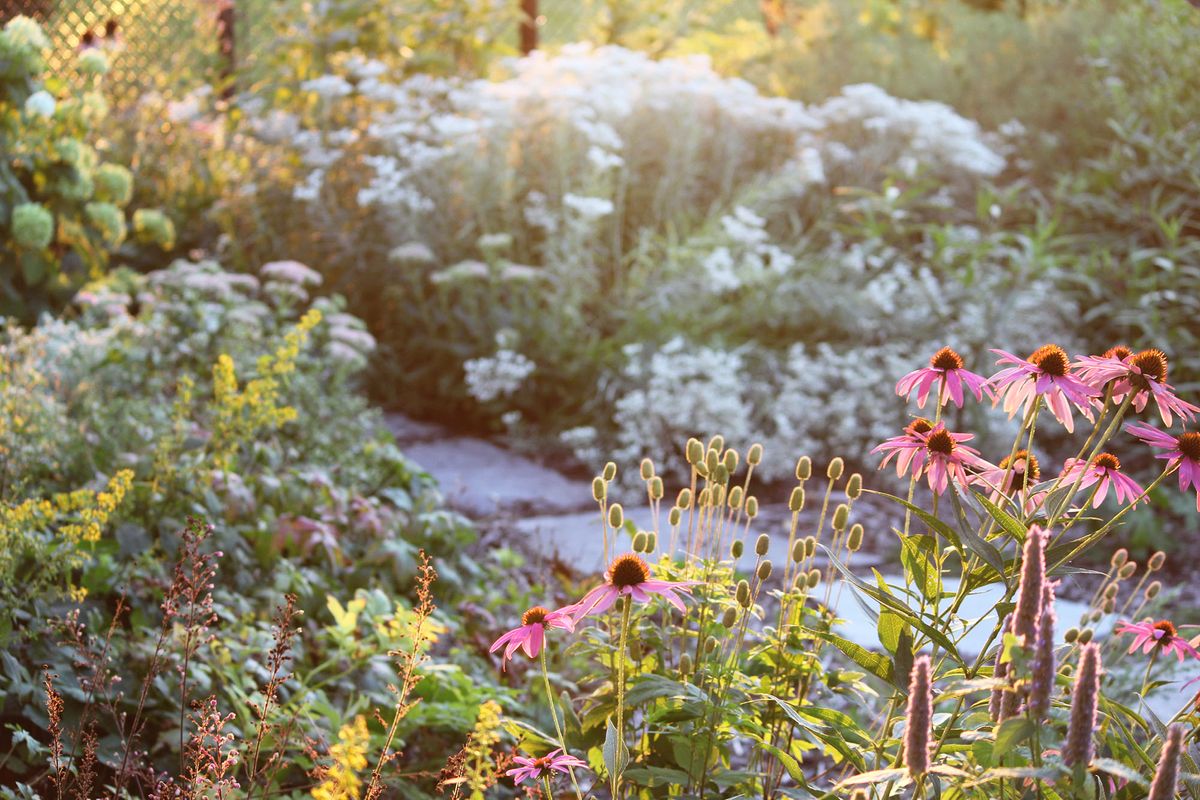
Image Source: www.rewildingmag.com
Why Rewild Your Outdoor Space?
The benefits of rewilding extend far beyond aesthetics. By creating a wildlife habitat, you contribute to the health of your local environment and support the intricate web of life that surrounds us.
- Biodiversity Boost: Traditional lawns offer little to no sustenance for most wildlife. Rewilding, conversely, provides food, shelter, and breeding grounds for insects, birds, and small mammals, increasing backyard biodiversity.
- Environmental Stewardship: Rewilding practices often involve water conservation, a critical concern in many regions. Opting for drought-tolerant plants and reducing reliance on water-intensive lawns is a key aspect.
- Reduced Maintenance: Once established, a rewilded garden often requires less mowing, watering, and chemical intervention than a conventional one, aligning with sustainable landscaping principles and organic gardening methods.
- Connection to Nature: Spending time in a space that buzzes with life fosters a deeper connection to the natural world and offers a tranquil escape from everyday stress.
- Climate Resilience: Healthy soil and diverse plant life can help mitigate the effects of climate change by storing carbon and improving water infiltration.
Fathoming the Foundations: Planning Your Rewilding Project
Before you grab your shovel, a bit of thoughtful planning will ensure your rewilding journey is successful and enjoyable. It’s about making smart choices that will pay dividends for years to come.
Assessing Your Current Landscape
Take a good look at what you have. What are the sunny spots? Where does the water drain? Are there existing trees or shrubs that can be incorporated?
- Sunlight and Shade: Map out the areas that receive full sun, partial shade, and deep shade throughout the day and across the seasons.
- Soil Type: Is your soil sandy, clay-heavy, or loamy? This will influence your choice of native plants. You can do a simple jar test to get an idea of your soil composition.
- Drainage: Observe how water moves across your yard after rain. Are there areas that pool or dry out quickly?
- Existing Vegetation: Identify any beneficial plants already present. Are there mature trees that provide shade or habitat?
Setting Goals for Your Haven
What do you hope to achieve with your rewilded yard?
- Attracting Specific Wildlife: Do you want to attract more butterflies, bees, or songbirds?
- Creating a Pollinator Garden: Focus on plants that provide nectar and pollen throughout the growing season.
- Enhancing Visual Appeal: Aim for a beautiful, naturalistic look.
- Improving Water Management: Design your yard to capture and utilize rainwater.
Embracing Native Plants: The Cornerstone of Rewilding
Native plants are the backbone of any successful rewilding effort. They are adapted to your local climate and soil conditions, meaning they generally require less water, fertilizer, and pest control once established. Crucially, they provide the most valuable food and shelter for local wildlife.
Why Native Plants Matter
- Co-evolution with Wildlife: Native plants have evolved alongside local insects, birds, and other animals, providing the specific food sources (nectar, pollen, seeds, fruits) and habitat structures these creatures need to survive and thrive.
- Reduced Resource Needs: Because they are adapted to the local environment, native plants are typically more resilient to drought, pests, and diseases than non-native or exotic species. This translates to less watering and fewer chemical treatments.
- Supporting the Food Web: Many native insects, such as butterflies and moths, have very specific host plants they rely on for their larvae. Without these native plants, entire species can be threatened.
Choosing the Right Native Plants
Your local native plant society, extension office, or reputable native plant nursery are excellent resources for identifying species suitable for your specific region and yard conditions.
Table 1: Examples of Native Plant Categories for Rewilding
| Plant Type | Characteristics | Wildlife Benefitted |
|---|---|---|
| Wildflowers | Bright blooms, provide nectar and pollen, often host plants for caterpillars. | Bees, butterflies, moths, hummingbirds, beneficial insects. |
| Grasses | Wind-pollinated, provide seeds and overwintering habitat for insects, soil stabilization. | Birds (for seeds and shelter), small mammals, insect larvae. |
| Shrubs | Offer berries, seeds, flowers, and dense cover for nesting and protection. | Birds, small mammals, beneficial insects, pollinators. |
| Trees | Provide shade, nesting sites, food sources (nuts, fruits, sap), and structure. | Wide range of birds, mammals, insects, and other arboreal creatures. |
| Groundcovers | Suppress weeds, retain moisture, provide habitat for small invertebrates. | Insects, ground-nesting bees, amphibians. |
Designing for Nature: Incorporating Key Features
Think about creating different “zones” within your yard to cater to various needs of wildlife.
Creating a Pollinator Garden
A pollinator garden is a vital component of a rewilded yard. It’s designed specifically to attract and support bees, butterflies, moths, hummingbirds, and other pollinators.
- Plant in Clumps: Grouping plants of the same species together makes them more visible and attractive to pollinators.
- Successional Blooming: Choose plants that bloom at different times of the year—spring, summer, and fall—to provide a continuous food source.
- Variety of Flower Shapes and Colors: Different pollinators are attracted to different flower types. Bees often prefer blue, purple, and yellow flowers, while hummingbirds favor red and tubular blooms.
- Include Host Plants: For butterflies, include plants that their caterpillars eat. For example, milkweed is essential for Monarch butterflies.
Incorporating Water Features
Water is essential for all living things. Even a small water source can significantly increase the biodiversity in your yard.
- Bird Baths: Simple and effective. Ensure they are shallow enough for smaller birds to bathe safely.
- Ponds or Water Features: A small, shallow pond with gently sloping sides can attract a wide array of wildlife, from dragonflies to frogs. Consider adding native aquatic plants.
- Bee Baths: A shallow dish filled with pebbles and water can provide a safe drinking spot for bees.
Providing Shelter and Nesting Sites
Wildlife needs places to hide from predators, escape harsh weather, and raise their young.
- Leave Leaf Litter: In autumn, resist the urge to clear every leaf. Leaf litter provides crucial habitat for overwintering insects, amphibians, and small mammals.
- Brush Piles: A strategically placed pile of fallen branches and twigs can offer shelter for hedgehogs, birds, and insects.
- Dead Wood: Standing dead trees (snags) or fallen logs can be invaluable nesting sites for insects, birds, and fungi. Ensure they are in a safe location.
- Nesting Boxes: Install birdhouses or bat houses suited to the species common in your area.
Executing Your Rewilding Transformation: Step-by-Step
With your plan in place, it’s time to get your hands dirty!
Step 1: De-lawning Your Yard
The traditional lawn is often the biggest barrier to rewilding. Gradually reducing lawn area can be more manageable.
- Sheet Mulching: This is an excellent way to kill grass without chemicals. Layer cardboard directly over the grass, wet it down, and then cover with a thick layer of compost and mulch. This smothers the grass and improves the soil.
- Solarization: For stubborn grass, you can use clear plastic sheeting to cover the area during the hottest months. The sun’s heat will bake and kill the grass and weed seeds underneath.
- Hand Removal: For smaller areas, digging out the turf is an option.
Step 2: Preparing the Soil
Healthy soil is the foundation of a thriving ecosystem.
- Amend with Compost: Add generous amounts of compost to improve soil structure, fertility, and water retention. This is a cornerstone of organic gardening.
- Avoid Tilling: Excessive tilling can disrupt soil structure and harm beneficial soil organisms. Use a garden fork to loosen compacted areas if necessary.
Step 3: Planting Your Native Plants
This is the most exciting part!
- Follow Your Plan: Refer to your design and plant selection.
- Planting Technique: Dig a hole twice as wide as the plant’s root ball. Gently loosen the roots if they are tightly bound. Place the plant so the top of the root ball is level with the surrounding soil. Backfill with soil and compost, and water thoroughly.
- Mulching: Apply a layer of organic mulch (wood chips, shredded bark, straw) around your plants. This helps retain moisture, suppress weeds, and regulate soil temperature.
Step 4: Introducing Water-Wise Practices
Water conservation is a key aspect of sustainable landscaping.
- Rain Gardens: Create shallow depressions planted with water-loving native plants to capture and filter runoff from roofs and other impervious surfaces.
- Drip Irrigation: For newly planted areas or during extended dry spells, drip irrigation delivers water directly to the plant roots, minimizing evaporation.
- Watering Wisely: Water deeply and infrequently to encourage deeper root growth. Water in the early morning or late evening to reduce evaporation.
Step 5: Maintaining Your Haven
Rewilding doesn’t mean abandonment. A little ongoing care helps your ecosystem flourish.
- Weeding: Remove invasive non-native weeds as they appear, especially in the early stages of establishing your garden.
- Pruning: Prune native plants only when necessary to maintain shape, remove dead branches, or improve air circulation. Avoid excessive pruning.
- Seasonal Cleanup: Delay fall cleanup until spring. Leave seed heads and stalks standing through winter; they provide food and shelter for wildlife.
- Observation: Regularly observe your yard. What birds are visiting? What insects are you seeing? This will help you learn what’s working and make adjustments.
Deciphering the Nuances of Natural Landscaping
Natural landscaping emphasizes working with nature rather than against it. This often means embracing a less formal aesthetic and allowing plants to grow in a more naturalistic way.
The Role of “Messiness”
A common misconception is that rewilding means a messy, unkempt yard. However, the “messiness” in a rewilded garden is functional.
- Overwintering Insects: Dead stems and leaf litter provide crucial overwintering sites for many beneficial insects.
- Seed Sources: Seed heads from flowers and grasses are a vital food source for birds in the fall and winter.
- Habitat Layers: A mix of groundcovers, perennials, shrubs, and trees creates multiple layers of habitat, just like in a natural forest or meadow.
Avoiding Invasive Species
While rewilding, it’s crucial to avoid planting invasive non-native species that can outcompete native plants and disrupt the local ecosystem. Always research the origin and potential invasiveness of any plant before introducing it to your yard.
Creating a Backyard Biodiversity Hotspot
Your rewilded yard is more than just a garden; it’s an active participant in the local ecosystem, contributing to backyard biodiversity.
The Importance of Insect Life
Insects are the foundation of most terrestrial food webs. A healthy insect population supports birds, amphibians, reptiles, and even small mammals.
- Caterpillars: These are voracious eaters, and many native plants serve as exclusive food sources for specific caterpillar species. The more native plants you have, the more caterpillars you’ll support, and the more food you’ll provide for birds.
- Bees and Butterflies: Beyond pollination, these insects are also a food source for other animals.
Supporting Bird Populations
Birds rely on a variety of resources found in a rewilded garden.
- Insects: The primary food source for many songbirds, especially during breeding season.
- Berries and Seeds: Provide essential nutrition.
- Nesting Sites: Dense shrubs, trees, and even brush piles offer safe places for birds to build nests and raise their young.
Overcoming Challenges and Common Questions
Rewilding is a journey, and you might encounter a few hurdles along the way.
Frequently Asked Questions (FAQ)
Q1: My neighbors will think my yard is messy. How do I deal with this?
A: Communication is key. Explain your goals to your neighbors. Highlight the benefits of supporting pollinators and local wildlife. Consider creating a neat border or path to transition from your neighbors’ yards to your rewilded space. Over time, the beauty and life in your yard will speak for themselves.
Q2: Will rewilding attract pests?
A: Rewilding aims to create a balanced ecosystem, which naturally includes predators that keep pest populations in check. While you might see more insects, including those considered “pests,” you’ll also attract beneficial insects like ladybugs and lacewings that prey on them. The goal is balance, not eradication.
Q3: How long does it take for a rewilded yard to establish?
A: It can take a few years. The first year is often about establishing plants and improving soil. By the second or third year, you’ll start to see significant growth and a noticeable increase in wildlife activity. Patience is a virtue in rewilding.
Q4: Can I still have a lawn area?
A: Yes, you can. Many people choose to reduce their lawn size rather than eliminate it entirely. You could replace a portion of your lawn with a native wildflower meadow or a shrub border.
Q5: What if I have a very small yard or live in an apartment with a balcony?
A: Even small spaces can make a difference! On a balcony, you can create a thriving pollinator garden in pots using native plants suitable for container gardening. This can still attract bees and butterflies. A small yard can be transformed into a miniature wildlife habitat by focusing on a few key native plants and a water source.
The Long-Term Vision: Ecological Restoration in Your Backyard
Rewilding your yard is a form of personal ecological restoration. It’s about contributing to a larger movement that seeks to heal damaged ecosystems and reconnect people with nature. Every rewilded yard, no matter how small, becomes a stepping stone in this vital process.
By embracing native plants, creating a vibrant pollinator garden, and fostering a rich wildlife habitat, you are actively participating in sustainable landscaping and organic gardening. You are choosing water conservation, promoting natural landscaping, and significantly boosting backyard biodiversity.
Your yard has the potential to be so much more than just a patch of green. It can be a vibrant, living sanctuary, a haven for both wildlife and yourself. So, embrace the wild, cultivate life, and transform your yard into a beautiful, resilient ecosystem. Your efforts contribute to a healthier planet, one backyard at a time.