
Can you level a garden without a digger? Yes, you absolutely can level a garden without a digger. While a digger makes the job faster and less physically demanding, manual soil leveling can be achieved with the right tools, techniques, and a bit of elbow grease. This guide will walk you through how to achieve a flat and tidy garden space using primarily hand tools.
Tired of your lawn flooding after rain? Do your plants struggle to grow evenly because of uneven ground? Leveling your garden is a fantastic way to improve drainage, make mowing easier, and create a more aesthetically pleasing and functional outdoor space. Many people assume that leveling a garden requires heavy machinery like a digger, but this simply isn’t true. With a bit of effort and the right approach, DIY garden leveling is entirely achievable for the average homeowner.
This detailed guide will equip you with the knowledge and practical steps to transform your uneven garden into a smooth, level surface. We’ll cover everything from assessing your garden’s slopes to the nitty-gritty of garden dirt moving and the final touches.
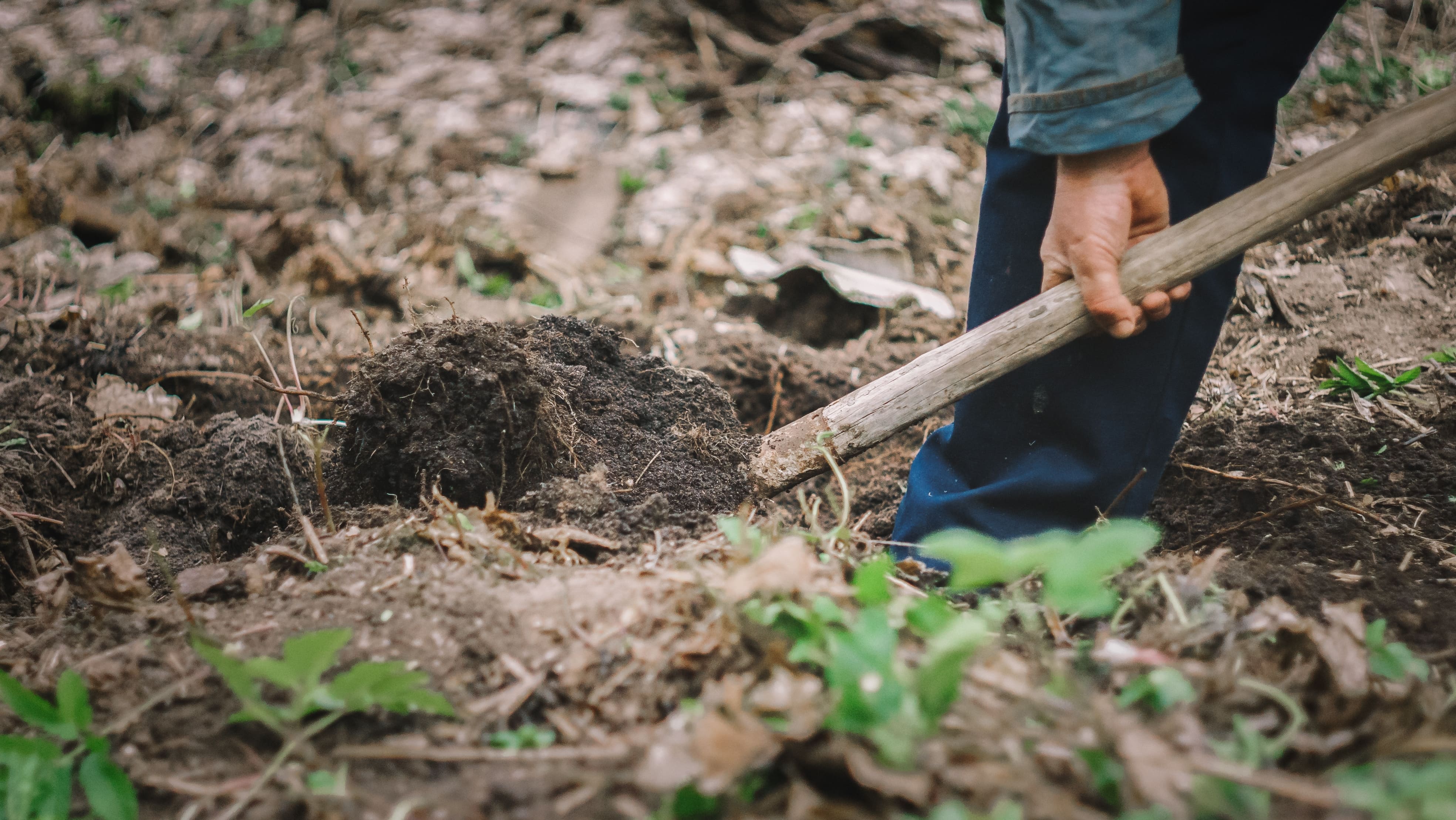
Image Source: www.grass-direct.co.uk
Why Level Your Garden?
Before we dive into the “how,” let’s touch upon the “why.” A level garden offers several benefits:
- Improved Drainage: Low spots can collect water, leading to waterlogged soil, root rot, and an unhappy garden. A level surface allows water to drain more evenly.
- Easier Maintenance: Mowing, strimming, and general garden upkeep are far simpler on a flat surface. No more jarring bumps or the fear of scalping your grass.
- Enhanced Aesthetics: A smooth, level lawn or garden bed looks neat, tidy, and more professional.
- Better Planting Conditions: Plants thrive when their roots have consistent access to moisture and air, which is easier to achieve on level ground.
- Safety: Uneven ground can be a trip hazard. Leveling your garden makes it safer for everyone.
Assessing Your Garden’s Slopes
The first step in any DIY garden leveling project is to accurately assess the current state of your garden. You need to know where the high spots and low spots are and how significant the gradients are.
Tools for Assessment
- Stakes and String: This is your primary tool for visualizing and measuring levels. You’ll need several wooden or metal stakes and a strong, non-stretchable string (like builder’s line).
- Spirit Level: A long spirit level (4-6 feet) is invaluable for checking the flatness between stakes.
- Measuring Tape: To measure distances and elevations.
- Spray Paint or Markers: To mark areas that need adjustment.
The String Line Method
- Identify a Reference Point: Choose a relatively level area in your garden, or if you have a known level point (like the edge of a patio or a wall), use that.
- Drive Stakes: Drive stakes into the ground at strategic points around your garden. Aim for stakes at the corners and along the edges, and perhaps in the middle if it’s a large area. Make sure they are firmly in the ground.
- Set the String: Tie your string tightly between two stakes. Use your spirit level to ensure the string itself is perfectly level. You might need to adjust the height of one stake relative to the other. For a large area, you’ll create a network of level string lines.
- Measure Drops and Rises: Using your measuring tape, measure the distance from your level string line down to the ground at various points beneath it. Mark these distances on the ground with spray paint or markers. Red for high spots (material to be removed) and blue for low spots (material to be added) can be helpful.
- Repeat Across the Garden: Move your string line and repeat the process, creating a comprehensive map of your garden’s contours.
This detailed assessment will tell you which areas require digging out (high spots) and which need filling (low spots). It’s the foundation of successful manual soil leveling.
Gathering Your Garden Grading Tools
Since we’re avoiding a digger, you’ll need a good selection of manual tools. The quality of your tools can make a significant difference in the ease and efficiency of the job.
Essential Tools
- Shovels:
- Spade Shovel: Ideal for digging and breaking up compacted soil. Its flat blade is good for slicing into the ground.
- Scoop Shovel: With a wider, curved blade, this is excellent for moving larger quantities of soil.
- Rakes:
- Garden Rake (Bow Rake): This has stiff tines and is robust enough for breaking up clods of soil and moving material. It’s your primary tool for rake garden leveling.
- Leaf Rake: While primarily for leaves, a lighter metal leaf rake can be useful for finer leveling and smoothing once the bulk of the work is done.
- Wheelbarrow: Absolutely essential for transporting soil. A sturdy, well-balanced wheelbarrow will save your back.
- Tamper (or Soil Compactor): A flat-bottomed tool, either manual or powered, used to compact the soil. This is crucial for preventing settling later. A simple DIY tamper can be made by attaching a sturdy board to a pole.
- Heavy-Duty Gloves: Protect your hands.
- Sturdy Footwear: Essential for safety and grip.
- Measuring Tools: As mentioned earlier (stakes, string, spirit level, measuring tape).
- Sieve or Riddle (Optional): For removing stones and debris from the soil you’re adding.
The Power of the Rake
The garden rake is your workhorse for ground flattening tips. It’s not just for clearing leaves; its strong tines can break up compacted earth, pull high spots down, and spread material into low spots. Consistent use of a rake is key to achieving a smooth finish.
The Manual Soil Leveling Process: Step-by-Step
Now that you have your tools and an assessment of your garden, let’s get to work. This process involves a lot of hand digging garden and careful material movement.
Step 1: Tackling the High Spots (Manual Garden Excavation)
This is where the shovel leveling lawn techniques come into play.
- Start Digging: Use your spade shovel to break up the soil in the high areas you identified. Dig down to the depth needed to bring these areas level with your marked reference points or string lines.
- Load the Wheelbarrow: Use your scoop shovel to load the excavated soil into the wheelbarrow. Don’t overfill it, especially if you’re not used to wheelbarrow work.
- Move the Soil: Transport the soil to the low spots in your garden.
- Spread Loosely: Don’t just dump the soil in the low spots. Spread it out loosely using your shovel or rake.
Step 2: Filling the Low Spots
- Distribute Soil: Carefully spread the soil you moved from the high spots into the low areas.
- Rake and Level: Use your garden rake to distribute the soil evenly. Drag the rake across the surface to pull material from higher areas into lower ones. Work in different directions (back and forth, side to side) to ensure even coverage.
- Break Up Clods: The rake’s tines will help break up any large lumps of soil, creating a more uniform surface.
- Address Major Differences: For significant low spots, you might need to add soil from an external source (topsoil, compost). If you do, try to match the existing soil type as much as possible.
Step 3: Compacting the Soil
This is a critical step to prevent your newly leveled garden from sinking and becoming uneven again.
- Use a Tamper: Once you’ve roughly leveled an area, use your tamper to compact the soil. Walk over it, or use the tamper tool itself, applying firm, consistent pressure.
- Work in Sections: It’s best to work on one manageable section of your garden at a time. Level, compact, and then move to the next section.
- Light Watering: A light watering can help the soil particles settle, but avoid saturating the ground, which can make it muddy and difficult to work with.
Step 4: Fine-Tuning and Smoothing
- Rake Again: After compacting, give the surface another pass with your garden rake to smooth out any imperfections left by the tamper.
- Leaf Rake for Finishing: For a really fine finish, especially if you’re about to sow grass seed, a leaf rake can be useful for creating a very fine, even surface.
- Check for Levelness: Use your spirit level and string lines again to check your work. You’ll likely find you need to make small adjustments. This is where the patience in manual soil leveling pays off.
Step 5: Dealing with Different Soil Types and Issues
- Clay Soil: Can be heavy and sticky. Break it up well with a spade. It can also hold a lot of water, so good leveling is even more important.
- Sandy Soil: Drains very quickly. You might need to add organic matter to improve its ability to hold moisture.
- Rocky Soil: You’ll need to remove as many stones as possible during the garden dirt moving process. A sieve can be very helpful here.
- Compacted Soil: This is often a major cause of unevenness. You might need to aerate the soil (using a garden fork) before you start leveling.
Techniques for Efficient Ground Flattening
Maximizing your efficiency with garden grading tools is key to completing the job without feeling overwhelmed.
The “Little and Often” Approach
Instead of trying to move vast amounts of soil at once, break the task down into smaller, manageable sections. Level a small patch, compact it, and then move on. This prevents fatigue and ensures each section is done properly.
Leveraging Gravity
When moving soil, think about the natural flow of gravity. If you’re digging out a high area, try to move that soil downhill towards a low area if possible. This reduces the effort required by your wheelbarrow.
Using Your Body Weight
When using a shovel or rake, use your body weight to help push and pull. This is particularly effective when breaking up compacted soil. Instead of just using arm strength, step onto the back of the shovel to drive it into the ground.
Rake Techniques for Leveling
- The Push and Pull: Use short, firm strokes to pull soil towards you and then push it away. This helps to move material and break up lumps.
- Angling the Rake: Experiment with the angle of the rake. A steeper angle will move more soil, while a shallower angle will help smooth and level.
- “Screeding” with the Rake: For a very fine finish, imagine you’re screeding concrete. Use the back of the rake to pull soil over high spots and fill depressions.
Soil Addition Strategy
If you need to add soil, do it in layers. Add a few inches, rake it into the existing soil, compact it, and then add more. This helps prevent the new soil from just sitting on top and creating a loose layer.
Preparing for the Next Stage: No Dig Garden Preparation
Once your garden is leveled, it’s often the perfect time to think about no dig garden preparation. A level surface is ideal for laying down cardboard or mulch as the foundation for a no-dig bed. The smooth, even ground ensures that your mulch layers are consistent, which is vital for suppressing weeds and retaining moisture.
Benefits of Leveling for No Dig
- Uniform Mulch Layer: Essential for effective weed suppression.
- Consistent Moisture Retention: Even watering and moisture distribution.
- Easier Planting: No more digging through uneven compacted soil to plant.
- Aesthetic Appeal: A tidy, leveled base makes the garden look much more inviting.
Common Mistakes to Avoid
Even with the best intentions, mistakes can happen. Here are a few to keep in mind:
- Not Assessing Properly: Skipping the assessment phase will lead to guesswork and likely more work later.
- Not Compacting Enough: The biggest cause of re-leveling. Soil will settle over time if not compacted.
- Overfilling the Wheelbarrow: This can lead to strains and spills. Better to make more trips.
- Ignoring Drainage: While leveling helps, ensure you’re not creating new drainage problems by directing water towards structures or property lines.
- Not Working in Sections: Trying to level an entire large garden at once is exhausting and less effective.
- Using the Wrong Tools: A flimsy rake or a dull shovel will make the job much harder.
Frequently Asked Questions About Garden Leveling
Here are some common questions people have when embarking on this project.
Q1: How long does it typically take to level a garden without a digger?
A1: The time it takes varies greatly depending on the size of your garden, the severity of the slopes, and your physical fitness. For a moderately sized garden (e.g., 10m x 10m), it could take anywhere from a weekend to a week of dedicated work. Smaller areas can be done in a day.
Q2: What is the best soil to use for filling low spots?
A2: Ideally, use the soil you removed from the high spots. If you need to bring in new soil, a good quality topsoil mixed with some compost is generally best. Ensure it’s free of large stones and debris.
Q3: Can I level a garden on a slope?
A3: Yes, but it’s more challenging. You’ll likely need to create terraces or retaining walls to manage significant slopes effectively. For gentle slopes, careful soil redistribution and raking can smooth it out considerably. Major slopes might require more advanced landscaping techniques.
Q4: How do I prevent my leveled garden from becoming uneven again?
A4: Proper compaction is key. Also, consider the underlying soil structure. If you have very poor soil, amending it with organic matter can improve stability. Regular light raking and addressing minor dips as they appear will also help maintain the level surface.
Q5: What if my garden is very bumpy with large rocks or roots?
A5: You’ll need to carefully excavate these using your spade. For large roots, you may need to use a root saw or heavy-duty loppers. Remove as much as possible to achieve a smooth surface. This is a form of manual garden excavation that requires patience.
Q6: When is the best time of year to level a garden?
A6: Spring or autumn are generally the best times. The soil is usually moist but not waterlogged, making it easier to work. Avoid leveling during very dry or very wet periods.
Conclusion
Leveling your garden without a digger is a rewarding project that can significantly enhance your outdoor space. It requires patience, the right tools, and a systematic approach. By following these steps for manual soil leveling, you can transform bumpy, uneven ground into a smooth, functional, and beautiful area ready for planting or enjoying your lawn. Remember, it’s a journey of garden dirt moving and careful shaping, but the end result is well worth the effort. Happy gardening!