
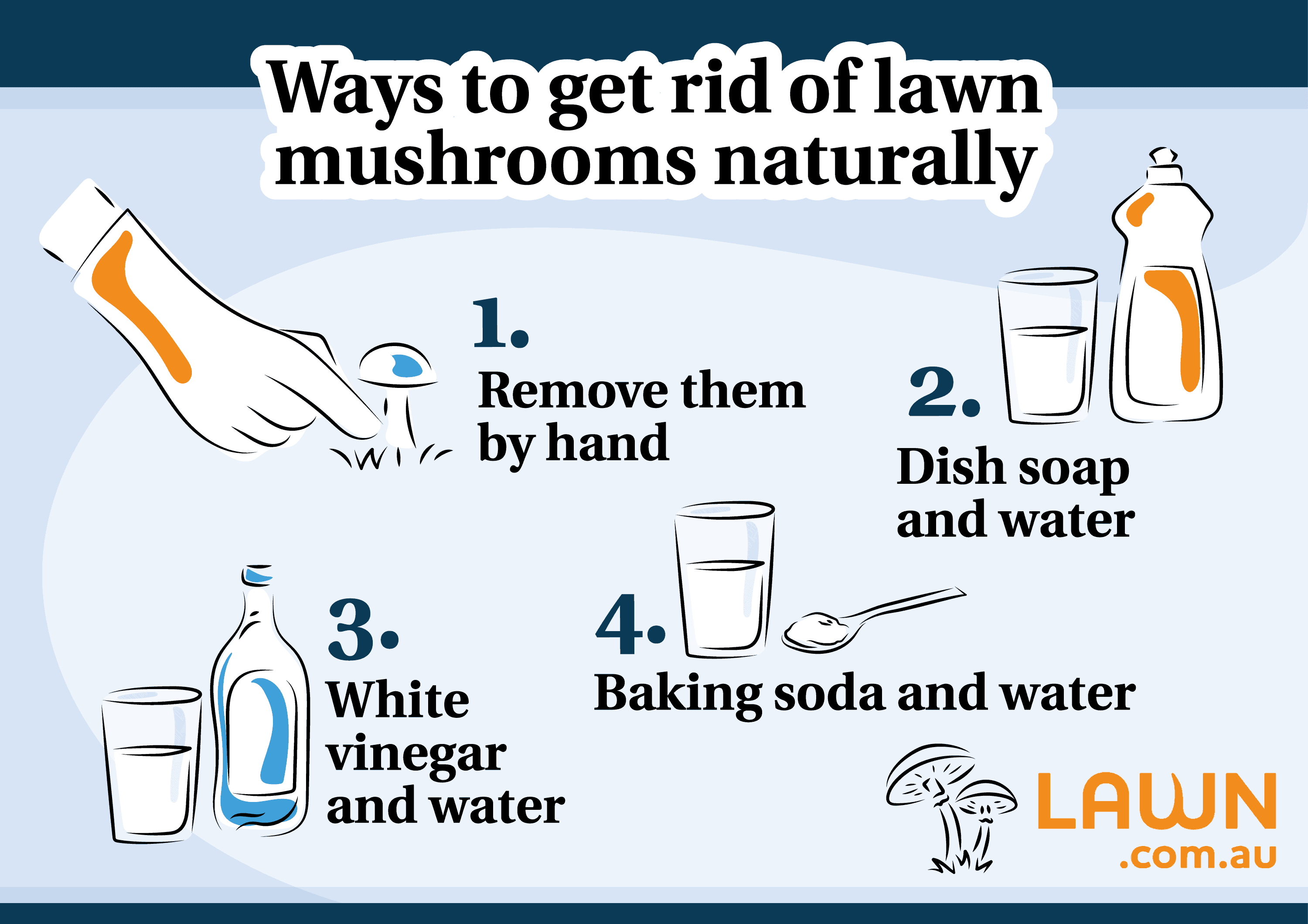
Image Source: lawn.com.au
Effective Methods: How To Kill Mushrooms In My Yard Safely
Can I kill mushrooms in my yard? Yes, you can effectively kill mushrooms in your yard using a variety of safe and tested methods. Dealing with mushrooms popping up in your lawn can be a nuisance, impacting its appearance and sometimes indicating underlying issues. This comprehensive guide will walk you through mushroom removal and lawn fungus treatment, offering strategies for yard mushroom control and how to get rid of lawn mushrooms permanently. We’ll cover everything from identification to prevention, ensuring your lawn remains healthy and aesthetically pleasing.
Deciphering Yard Mushrooms: Identification is Key
Before you can effectively tackle mushrooms, it’s important to identify yard mushrooms. While most common lawn mushrooms are harmless and decompose organic matter, some can be toxic to pets or children, and their presence can signal problems like poor drainage or excessive thatch.
Common Lawn Mushroom Types:
- Ink Caps: These mushrooms often appear in clusters, starting as egg-shaped and then developing into bell shapes. They typically decompose into a black, inky liquid.
- Field Mushrooms: These are similar to the edible mushrooms found in grocery stores, usually appearing singly or in small groups.
- Puffballs: These are round or pear-shaped and contain powdery spores. When mature, they can release a cloud of spores when disturbed.
- Mushrooms in Fairy Rings: These are mushrooms that grow in a circular pattern, often leaving a ring of darker green or dead grass around them.
Table 1: Visual Identification Characteristics
| Mushroom Type | Shape | Color | Spore Print | Typical Location | Notes |
|---|---|---|---|---|---|
| Ink Cap | Egg to Bell | White/Gray | Black | Lawns, gardens, woods | Decomposes into inky liquid |
| Field Mushroom | Button to Open | White/Brown | Brown | Open lawns, fields | Resembles edible varieties |
| Puffball | Round/Pear | White/Gray | Powdery | Open lawns, pastures | Release spores when mature and disturbed |
| Fairy Ring | Varies | Varies | Varies | Circular pattern in grass | Can indicate soil compaction or excess thatch |
Knowing what you’re dealing with is the first step in effective lawn disease management.
Why Do Mushrooms Appear in My Yard?
Mushrooms are the fruiting bodies of fungi that live underground. They thrive in specific conditions, and their appearance often signals these underlying environmental factors.
Key Factors Contributing to Mushroom Growth:
- Moisture: Fungi require moisture to grow. Overwatering, heavy rainfall, or poor drainage can create the ideal damp environment.
- Organic Matter: Mushrooms are decomposers. They feed on dead organic material in the soil, such as decaying leaves, grass clippings, dead roots, and even animal droppings. Areas with excessive thatch or a buildup of organic debris are prime locations.
- Shade: Many types of fungi prefer shady conditions. Lawns with significant tree cover or areas that receive less direct sunlight are more prone to mushroom growth.
- Compacted Soil: Compacted soil restricts air circulation and water drainage. This can create pockets of moisture where fungi can flourish.
- Fertilizer Imbalance: While not always the direct cause, using too much organic-based fertilizer can contribute to the food source for fungi.
Effective Methods for Mushroom Removal
Once you’ve identified the mushrooms and considered the contributing factors, you can move on to mushroom removal. It’s important to approach this with a focus on safe mushroom removal.
1. Manual Removal: The First Line of Defense
The simplest and most immediate way to deal with mushrooms is to simply remove them by hand.
- Method: Wear gloves and pull the mushrooms out of the ground. Try to get the entire mushroom, including the base.
- Disposal: Place the removed mushrooms in a sealed plastic bag and dispose of them in the trash. This prevents the spores from spreading.
- Benefits: Immediate visual improvement, no chemicals involved.
- Limitations: This is a temporary solution as it doesn’t address the underlying fungal growth. New mushrooms can sprout from the mycelium.
2. Aeration: Improving Soil Health
Aerating your lawn can significantly help with yard mushroom control. It improves air and water penetration into the soil, which can disrupt fungal growth.
- Method: Use a core aerator to pull plugs of soil from your lawn. This creates holes that allow air, water, and nutrients to reach the root zone. It also helps break up compacted soil.
- Timing: Best done in the fall or spring when the grass is actively growing.
- Benefits: Promotes healthy turf growth, improves drainage, reduces soil compaction, indirectly discourages fungal growth.
- Follow-up: After aerating, you can overseed with grass seed and apply a balanced fertilizer to encourage vigorous lawn growth.
3. Dethatching: Removing the Food Source
Excessive thatch (dead grass blades and roots) provides a perfect buffet for fungi. Removing it is a crucial part of get rid of lawn mushrooms.
- Method: Use a rake with stiff tines or a mechanical dethatcher. Rake vigorously to pull up the thatch layer. For severe thatch, a power dethatcher is more effective.
- Timing: Similar to aeration, fall or spring are ideal.
- Benefits: Removes the food source for fungi, improves air and water circulation, encourages healthier grass.
- After Dethatching: Bag the removed thatch and dispose of it. You can then aerate and overseed if necessary.
4. Adjusting Watering Practices
Overwatering is a common culprit for fungal problems. Modifying your watering schedule can be a highly effective lawn fungus treatment.
- Method: Water your lawn deeply but infrequently. Aim for about an inch of water per week, delivered in one or two watering sessions.
- Timing: Water early in the morning so the grass blades can dry off throughout the day. Avoid evening watering, as this keeps the grass wet overnight, promoting fungal growth.
- Benefits: Reduces the moisture available for fungi, promotes deeper root growth in your grass, which makes it more resilient.
5. Improving Drainage
Poor drainage creates persistent dampness, ideal for mushrooms. Addressing drainage issues is a long-term solution for prevent mushrooms in yard.
- Methods:
- Core Aeration: As mentioned, this improves surface drainage.
- Top Dressing: Adding a layer of compost or sand after aeration can improve soil structure and drainage.
- French Drains: For persistent waterlogging in specific areas, installing French drains can divert excess water.
- Grading: In severe cases, re-grading your lawn so it slopes away from your house can solve drainage problems.
- Benefits: Reduces overall soil moisture, making it less hospitable to fungi and preventing waterlogged patches.
Chemical and Natural Mushroom Killer Options
When manual removal and cultural practices aren’t enough, you might consider using a chemical mushroom killer or a natural mushroom killer. It’s crucial to use these methods responsibly and with safe mushroom removal in mind.
Chemical Mushroom Killer Options:
It’s important to note that most commercially available fungicides are designed to target specific lawn diseases, not necessarily mushrooms themselves. However, some broad-spectrum fungicides can affect the underlying mycelium.
- Fungicides: Products containing active ingredients like thiophanate-methyl or propiconazole can sometimes help suppress fungal growth. Always read and follow the label instructions carefully.
- Application: Apply according to product directions, typically as a spray or granular application. Ensure even coverage.
- Precautions:
- Wear protective gear (gloves, mask, eye protection).
- Keep pets and children away from the treated area until it has dried completely.
- Avoid applying before rain, as it can wash the product away.
- These chemicals can harm beneficial soil organisms and may not be suitable for organic gardening practices.
- Ammonia: A diluted ammonia solution can sometimes be used to kill mushrooms.
- Method: Mix 1 tablespoon of household ammonia with 1 gallon of water. Apply directly to the mushrooms with a sprayer.
- Precautions: Ammonia can burn grass if applied too strongly or too often. Test on a small area first. This is a harsh chemical and requires careful handling and disposal.
- Bleach (Diluted): A very diluted bleach solution can kill mushrooms, but it is highly damaging to grass and soil life.
- Method: Mix 1 part bleach with 10 parts water. Apply directly to the mushrooms.
- Precautions: Use with extreme caution. Bleach will kill grass and can sterilize the soil. It’s generally not recommended for widespread lawn treatment due to its destructive nature.
Important Note on Chemical Mushroom Killers: The effectiveness of chemical treatments specifically for lawn mushrooms can be variable, and many are not labeled for this purpose. Their primary role is to treat diseases affecting the grass itself. If you choose to use a chemical, always prioritize safety and environmental impact.
Natural Mushroom Killer Options:
For those preferring a more eco-friendly approach, several natural methods can help with yard mushroom control.
- Vinegar (Diluted): Similar to ammonia, diluted vinegar can kill mushrooms.
- Method: Mix 1 part white vinegar with 4 parts water. Spray directly onto the mushrooms.
- Precautions: Vinegar is acidic and can damage grass if applied too concentrated or too often. Test in a small spot first. It’s best used for spot treatment of individual mushroom clusters.
- Baking Soda: Baking soda has mild fungicidal properties.
- Method: Mix 1 tablespoon of baking soda with 1 gallon of water. Spray onto the affected areas.
- Benefits: Safer for grass and soil compared to stronger chemicals.
- Hydrogen Peroxide: A diluted solution can help kill fungi.
- Method: Mix 1 part 3% hydrogen peroxide with 10 parts water. Spray directly onto mushrooms.
- Benefits: Breaks down into water and oxygen, leaving no harmful residue.
- Compost Tea (with specific microbes): While not a direct killer, compost tea brewed with specific beneficial microbes can help outcompete harmful fungi in the soil, contributing to lawn disease management.
Table 2: Natural Mushroom Killer Effectiveness & Precautions
| Natural Killer | Method of Action | Effectiveness | Precautions | Best For |
|---|---|---|---|---|
| Vinegar | Acidic; disrupts cell structure | Moderate | Can burn grass; test first | Spot treatment |
| Baking Soda | Alters soil pH; mild antifungal | Mild | Generally safe; use in moderation | General suppression |
| Hydrogen Peroxide | Oxidizer; kills cells | Moderate | Dilute properly; safe for grass/soil | Spot treatment, new growth |
| Compost Tea | Outcompetes harmful fungi | Long-term | Enhances soil health; slow acting | Overall lawn health improvement |
Long-Term Strategies to Prevent Mushrooms in Your Yard
The most effective way to manage mushrooms is to prevent mushrooms in yard from appearing in the first place. This involves addressing the underlying environmental conditions that allow them to thrive.
1. Maintaining a Healthy Lawn: The Best Defense
A strong, healthy lawn is naturally more resistant to fungal growth.
- Proper Mowing: Mow at the correct height for your grass type (usually higher is better). This shades the soil, keeping it cooler and reducing moisture evaporation, and encourages deeper root growth.
- Appropriate Fertilization: Fertilize your lawn with a balanced fertilizer at the right times of the year. Avoid over-fertilizing, especially with organic fertilizers that can become a food source for fungi.
- Overseeding: Regularly overseed your lawn, especially in the fall, to fill in thin spots and maintain a dense turf. A thick lawn outcompetes weeds and fungi.
2. Managing Soil and Thatch
Continuous attention to soil health is critical for lawn disease management.
- Regular Aeration and Dethatching: Make these part of your annual lawn care routine. This keeps the soil healthy and removes fungal food sources.
- Soil Testing: Conduct a soil test every few years to check pH and nutrient levels. Adjust as needed for optimal grass growth.
3. Water Wisely
Consistent, proper watering is key to prevent mushrooms in yard.
- Water Deeply and Infrequently: As discussed, this encourages strong root systems and reduces surface moisture where mushrooms often appear.
- Morning Watering: Always water in the morning.
4. Address Shade Issues
If certain areas of your lawn are constantly in deep shade, consider how you can improve the situation.
- Prune Trees: Trim lower branches or thin out dense tree canopies to allow more sunlight and air circulation to the lawn.
- Choose Shade-Tolerant Grasses: If your lawn is naturally shady, consider overseeding with grass varieties that are better suited to low-light conditions.
5. Clean Up Organic Debris
Regularly remove fallen leaves, grass clippings, and other organic debris from your lawn. This removes potential food sources for fungi.
Frequently Asked Questions (FAQ)
Q1: Are mushrooms in my yard dangerous?
A1: Most common lawn mushrooms are not directly dangerous to your lawn or people. However, some species can be toxic if ingested by pets or children. It’s always best to assume mushrooms are not safe to eat and remove them if they pose a risk. The presence of mushrooms can also indicate underlying soil issues that need addressing.
Q2: Can I just leave the mushrooms alone?
A2: You can leave them alone, and they will eventually decompose. However, they might spread spores, and their presence often points to conditions that encourage fungal growth, which can impact your lawn’s health. Removing them and addressing the causes is generally recommended.
Q3: Will using a chemical mushroom killer harm my grass?
A3: Some chemical mushroom killers, especially if misused or applied at high concentrations, can damage or even kill your grass. Always read and follow product instructions meticulously, and consider natural alternatives or cultural practices first.
Q4: How often should I aerate my lawn?
A4: For most lawns, aerating once a year is sufficient. If you have particularly compacted soil or a history of fungal issues, you might consider aerating twice a year, once in spring and once in fall.
Q5: What is the quickest way to get rid of lawn mushrooms?
A5: The quickest way to remove them visually is by pulling them by hand. However, the most effective way to truly get rid of lawn mushrooms long-term is by addressing the underlying causes: improving drainage, reducing thatch, and adjusting watering habits.
Q6: Can I use a weed killer to kill mushrooms?
A6: No, weed killers are designed to kill plants, not fungi. They are ineffective against mushrooms and can harm your lawn.
By following these detailed methods and focusing on long-term lawn health, you can effectively manage and prevent mushrooms in yard for a greener, healthier, and more enjoyable outdoor space. Remember that consistent care and attention to your lawn’s environment are the best tools for successful yard mushroom control.