
Can you kill creeping charlie in your lawn? Yes, you absolutely can! The best way to kill creeping charlie is through a combination of methods, focusing on both immediate removal and long-term prevention. This guide will explore how to effectively manage this tenacious weed and keep your lawn looking its best.
Creeping charlie, also known as ground ivy, is a common and often frustrating lawn weed. Its low-growing, vining habit allows it to spread rapidly, outcompeting desirable grass species. This invasive plant forms dense mats that smother grass, leading to bare patches and an unkempt appearance. Fathoming the best approach to remove ground ivy requires a multi-faceted strategy. We’ll delve into both natural and chemical solutions for ground ivy control, offering you a clear path to a healthier lawn.
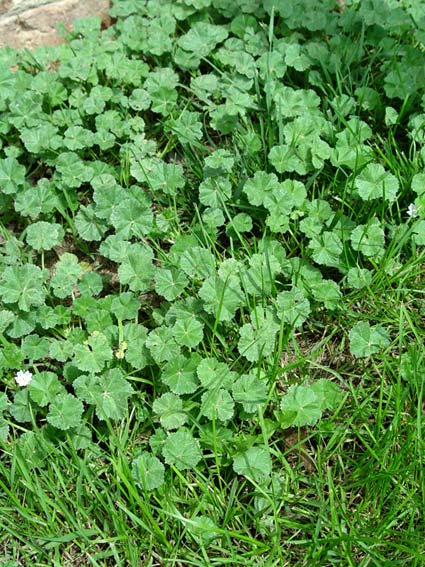
Image Source: www.greenviewfertilizer.com
Why Creeping Charlie Takes Over
Creeping charlie thrives in conditions that many homeowners might consider ideal for their lawns. It prefers shady, moist areas, but it can tolerate sun. Its ability to spread through both creeping stems (stolons) and seeds makes it incredibly adaptable. Each node on its stem can root, creating new plants. This aggressive growth pattern is why it’s so important to act fast once you spot it.
Favorable Conditions for Creeping Charlie
- Shade: Deep shade is a prime breeding ground for creeping charlie.
- Moisture: Consistently damp soil provides the hydration it needs to flourish.
- Compacted Soil: Poor soil structure can make it harder for grass to establish, giving creeping charlie an advantage.
- Thin Lawns: Sparse turf offers ample space for creeping charlie to spread unchecked.
Identifying Creeping Charlie
Before you can tackle creeping charlie, you need to be sure you’re dealing with it. It’s often mistaken for other low-growing plants.
Key Identifying Features
- Leaves: Round to kidney-shaped with scalloped or rounded edges. They have a distinct minty fragrance when crushed.
- Stems: Square and flexible, not round like most grasses. They creep along the soil surface.
- Flowers: Small, trumpet-shaped, and typically pale purple or blue, appearing in spring.
- Rooting: Roots emerge from the nodes along the creeping stems.
Knowing these features helps you distinguish creeping charlie from other lawn weeds, like common chickweed control, which has different growth habits and leaf shapes.
Effective Creeping Charlie Treatment Strategies
Dealing with creeping charlie requires persistence. There isn’t a single magic bullet, but a combination of methods yields the best results. We’ll explore how to kill creeping charlie naturally and when a creeping charlie herbicide might be considered.
Method 1: Natural and Manual Removal
For small infestations or if you prefer an eco-friendly approach, manual removal is a viable option. This method is labor-intensive but completely safe for your lawn and the environment.
Manual Removal Steps
- Timing is Key: Tackle creeping charlie when the soil is moist, making it easier to pull.
- Get Down and Dirty: Use a trowel, hand cultivator, or even a stiff brush to loosen the soil around the weed’s roots.
- Pull Carefully: Gently pull the entire plant, ensuring you get as much of the root system as possible. The goal is to remove ground ivy without breaking off roots, as these can resprout.
- Dispose Properly: Place the removed weeds in a bag and dispose of them in your trash or compost bin if you’re certain they won’t root in your compost pile.
Pros:
* Completely natural and safe.
* No chemical residue.
* Effective for small patches.
Cons:
* Extremely labor-intensive for larger areas.
* Difficult to remove all roots, leading to regrowth.
Method 2: Improving Lawn Health for Creeping Charlie Prevention
The best way to kill creeping charlie in the long run is to create an environment where grass can thrive and outcompete it. This involves focusing on overall lawn care for creeping charlie.
Key Lawn Health Practices
- Proper Mowing: Mow your grass at the correct height for its species. Taller grass shades the soil, suppressing weed growth, including creeping charlie. Aim for 3-4 inches for most cool-season grasses.
- Adequate Watering: Water deeply and infrequently. This encourages deep root growth in your grass, making it more resilient. Avoid shallow, frequent watering, which benefits shallow-rooted weeds like creeping charlie.
- Fertilization: Feed your lawn with appropriate fertilizers at the right times. A healthy, dense lawn is the best defense against weeds.
- Aeration: Compacted soil hinders grass root development. Aerating your lawn allows air, water, and nutrients to reach the roots more effectively.
- Dethatching: A thick layer of thatch can create a moist environment that creeping charlie loves. Dethatching removes this layer.
Method 3: Natural Weed Control Options
If manual removal isn’t feasible and you want to avoid synthetic herbicides, there are natural options to consider for creeping charlie treatment.
Vinegar Solution
A solution of household vinegar can be effective, but it’s a non-selective contact killer. This means it will damage any plant it touches, including your grass.
- How to Use: Mix 1 gallon of 5% household vinegar with 1 tablespoon of dish soap. The soap helps the vinegar stick to the leaves. Spray directly onto the creeping charlie on a sunny, dry day. Apply carefully to avoid drift onto desired plants. You may need repeat applications.
Pros:
* Natural and readily available.
* Relatively fast-acting on contact.
Cons:
* Non-selective; will kill grass and other plants.
* May require multiple applications.
* Vinegar can temporarily lower soil pH.
Boiling Water
This is a drastic measure and should only be used for isolated patches where you are willing to kill the grass as well.
- How to Use: Carefully pour boiling water directly over the creeping charlie. Be extremely cautious to avoid burns.
Pros:
* Instant kill on contact.
* Completely natural.
Cons:
* Kills everything it touches, including grass.
* Not practical for large areas.
* Can be dangerous to apply.
Method 4: Chemical Creeping Charlie Control (Herbicides)
When natural methods aren’t enough, a targeted creeping charlie herbicide can be very effective. The key is to choose the right product and apply it correctly.
Choosing the Right Herbicide
- Broadleaf Herbicides: Creeping charlie is a broadleaf weed, so look for herbicides specifically designed to kill broadleaf plants without harming grasses.
- Active Ingredients: Common effective active ingredients for creeping charlie include:
- Triclopyr: Very effective on creeping charlie. Often found in products labeled for tough lawn weeds.
- 2,4-D: A common ingredient in many lawn weed killers.
- Dicamba: Another effective broadleaf herbicide.
- MCPP (Mecoprop): Often combined with 2,4-D and Dicamba.
- Combination Products: Many commercial herbicides combine several active ingredients for broader spectrum weed control. Look for products that specifically list “ground ivy” or “creeping charlie” on the label.
Application Best Practices
- Read the Label: Always read and follow the instructions on the herbicide label carefully. This is the most crucial step for safety and effectiveness.
- Timing: Apply herbicides when the creeping charlie is actively growing, typically in the spring or fall. Avoid application during hot weather (above 85°F or 30°C) or when the lawn is stressed by drought, as this can damage your grass.
- Weather Conditions: Choose a calm day with no wind to prevent herbicide drift onto desirable plants or neighboring properties. Avoid applying if rain is expected within 24-48 hours, as it can wash the herbicide away before it can work.
- Application Method:
- Granular: Apply with a spreader for even coverage.
- Liquid: Use a sprayer. Ensure thorough coverage of the weed foliage.
Specific Herbicide Considerations
- Spot Treatment: For smaller infestations, spot treatment with a liquid herbicide is more efficient and saves chemicals.
- Timing for Best Results: Two applications are often recommended for creeping charlie control, spaced about 10-14 days apart. This ensures that new growth from surviving roots is also targeted.
- Post-Application: Allow the herbicide to work. The weeds will typically yellow and die off over a week or two. Rake up dead debris.
Pros:
* Highly effective for significant infestations.
* Can provide long-lasting control.
Cons:
* Can be harmful to the environment if misused.
* Requires careful application to avoid damaging grass or other plants.
* Potential for resistance development in weeds over time.
* Can be expensive.
When to Apply and What to Expect
The effectiveness of any creeping charlie treatment depends heavily on proper timing and application.
Seasonal Application
- Spring (April-May): This is an ideal time. The creeping charlie is actively growing, and the grass is also healthy, allowing for good differentiation.
- Fall (September-October): This is often considered the best time for herbicide application. Weeds are actively sending nutrients down to their roots to prepare for winter, making them more susceptible to systemic herbicides. The cooler temperatures also reduce the risk of harming your grass.
What to Expect After Treatment
- Initial Response: Within a few days to a week, you should start to see the creeping charlie leaves yellowing and wilting.
- Repeat Applications: For stubborn infestations, a second application may be necessary. Wait at least 10-14 days after the first treatment before applying again.
- Grass Recovery: Healthy grass should recover quickly. If your grass shows signs of stress, ensure it’s properly watered and fertilized.
- Long-Term Management: Even after successful treatment, creeping charlie prevention is key. Continue with good lawn care practices.
Creeping Charlie Prevention: Keeping It From Coming Back
Once you’ve successfully tackled creeping charlie, you want to prevent its return. This is where consistent lawn care for creeping charlie becomes vital.
Building a Strong Lawn Barrier
- Dense Turf: The most effective defense is a thick, healthy lawn. Creeping charlie cannot easily penetrate dense turf.
- Proper Mowing Height: As mentioned earlier, mowing high helps your grass outcompete weeds.
- Consistent Fertilization: A well-fed lawn is a strong lawn.
- Overseeding: In the fall, overseeding thin areas with a quality grass seed can fill in gaps and prevent weeds from establishing.
Managing Problem Areas
- Shady Spots: If you have persistent creeping charlie in very shady areas where grass struggles, consider ground covers that are better suited to those conditions.
- Moisture Control: Address any drainage issues that keep the soil consistently wet.
Common Mistakes to Avoid
- Applying Herbicides in Hot Weather: This can damage your lawn severely.
- Not Reading the Label: This is a recipe for disaster, both for your lawn and for safety.
- Applying to Stressed Turf: Wait until your grass is healthy before applying any treatments.
- Underestimating Persistence: Creeping charlie can be tough. Be prepared for multiple treatments and ongoing management.
- Mistaking Other Weeds: Ensure you’re correctly identifying creeping charlie before applying specific treatments. For example, common chickweed control might require different methods.
Integrating Natural and Chemical Approaches
The best way to kill creeping charlie often involves a smart combination of methods.
- Start Natural: For small patches, begin with manual removal and improving lawn health.
- Targeted Chemical Use: If weeds persist or the infestation is widespread, use a targeted creeping charlie herbicide as a secondary step.
- Prevention is Paramount: After treatment, focus intensely on creeping charlie prevention through superior lawn care for creeping charlie.
A Step-by-Step Plan Example
- Spring (Early Growth): Assess the infestation. For small spots, manually pull. For larger areas, prepare for herbicide application.
- Late Spring/Early Summer: If manual removal didn’t clear it, apply a broadleaf herbicide specifically labeled for ground ivy during active growth.
- Summer: Maintain good lawn health. Water deeply, mow high.
- Fall (Best for Treatment): If any creeping charlie remains, this is the prime time for a second herbicide application, as the weed is storing energy in its roots.
- Next Spring: Continue preventative lawn care to ensure no new plants establish.
Frequently Asked Questions (FAQ)
What is the fastest way to kill creeping charlie?
While “fastest” can be subjective, a targeted broadleaf herbicide applied correctly during active growth (spring or fall) is generally the quickest chemical method. For immediate, albeit temporary, impact on small areas, boiling water can kill it instantly, but it will also kill your grass. Manual removal is also immediate for the plants you pull, but the roots may regrow.
Can I kill creeping charlie without harming my grass?
Yes, this is achievable by using selective broadleaf herbicides that are formulated not to harm most lawn grasses when applied according to label directions. Also, maintaining a dense, healthy lawn through proper mowing, watering, and feeding is the best natural defense.
When is the best time to apply a creeping charlie herbicide?
The best time to apply a creeping charlie herbicide is when the weed is actively growing and the grass is healthy. This typically occurs in the spring (April-May) and, ideally, in the fall (September-October). Fall application is often preferred because the weed is sending nutrients to its roots, making it more susceptible to systemic herbicides.
How many times do I need to treat creeping charlie?
Most successful creeping charlie treatment plans involve at least two applications of herbicide, spaced about 10-14 days apart. Even then, continuous creeping charlie prevention through good lawn care is necessary to keep it from returning.
Is vinegar a safe way to kill creeping charlie?
Vinegar can kill creeping charlie on contact, and it is a natural option. However, it is non-selective, meaning it will also kill grass and other desirable plants it touches. It also tends to be a contact killer rather than systemic, so it might not kill the roots, leading to regrowth. For widespread infestations, it’s often not the most efficient or safe method for your lawn.
What are natural ways to remove ground ivy?
Natural ways to remove ground ivy include manual pulling (ensuring you get the roots), improving lawn health through proper mowing and watering, and encouraging dense turf growth which naturally crowds out weeds. Some people use horticultural vinegar or boiling water, but these require extreme caution as they are non-selective.
By combining diligent lawn care with targeted treatments when necessary, you can effectively conquer creeping charlie and enjoy a lush, healthy lawn.