
Can you get rid of parvo from your yard? Yes, you can, but it requires thorough and persistent cleaning and disinfection. What is parvo? Parvovirus is a highly contagious and often fatal disease that affects dogs, particularly puppies. It attacks the intestinal tract, causing severe vomiting and diarrhea, and can also affect the heart. Once a yard is contaminated, the virus can survive for a long time, making Parvo yard disinfection a critical step for any dog owner.
Killing parvo virus outdoors is a significant challenge due to its resilience in the environment. This guide will walk you through the essential steps for Parvo environmental cleaning and yard sanitation for parvo, ensuring your outdoor space becomes a safe yard for puppies after parvo. We’ll cover everything from initial cleanup to ongoing prevention strategies, including disinfecting contaminated soil and removing parvo from grass.
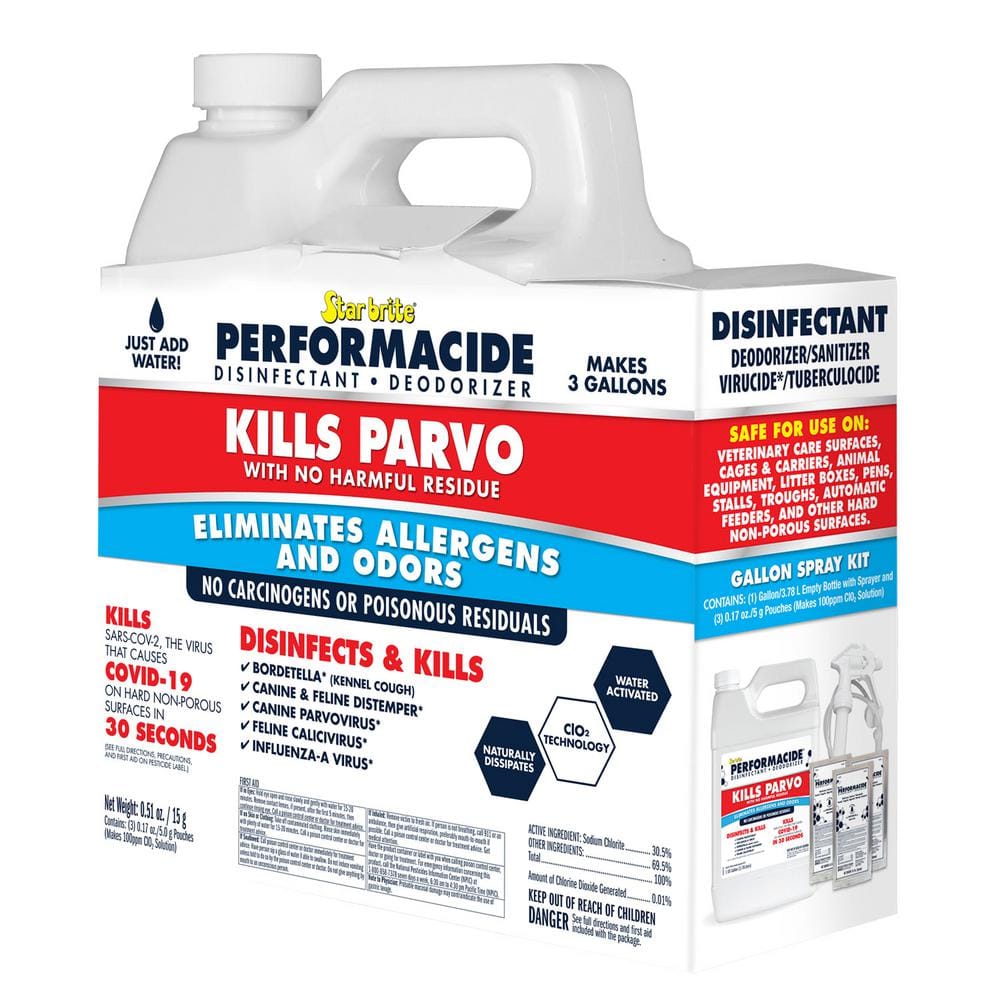
Image Source: images.thdstatic.com
The Stubborn Nature of Canine Parvovirus
Before we dive into the “how-to,” it’s important to understand why canine parvovirus decontamination is such a serious undertaking. Parvovirus is incredibly hardy. It can survive in the environment for extended periods – months, even up to a year or longer, especially in sheltered or shaded areas. This longevity is due to its sturdy protein coat, which protects its genetic material from heat, cold, and drying out. Even after a dog has recovered, they can continue Parvo viral shedding outdoor for a period, potentially re-contaminating the environment.
This persistence means that simply cleaning up visible mess isn’t enough. The virus is microscopic and can remain active on surfaces, in soil, and even within grass blades.
Factors Affecting Parvovirus Survival
- Temperature: While heat can degrade the virus, it’s still remarkably resistant across a wide range of temperatures. Extreme cold can also slow down its inactivation, but not eliminate it entirely.
- Moisture: Parvovirus can survive longer in moist environments.
- Sunlight (UV Radiation): Direct sunlight is one of the most effective natural ways to kill parvovirus, as UV rays damage its structure. However, shaded areas offer protection.
- Organic Matter: Feces, soil, and other organic materials can shield the virus from disinfectants.
Essential Steps for Parvo Yard Disinfection
A systematic approach is crucial for yard sanitation for parvo. This involves multiple stages of cleaning and disinfecting.
Step 1: Immediate Cleanup of Contaminated Areas
This is the first and most crucial step. Promptly remove all fecal matter and any visible vomit or diarrhea from the yard.
Tools and Materials:
- Disposable gloves (heavy-duty rubber or latex)
- Plastic bags (heavy-duty, like contractor bags)
- Shovel or scoop
- Bucket
- Water source
Procedure:
- Gear Up: Always wear gloves to protect yourself from the virus.
- Collect Waste: Carefully scoop up all feces, vomit, and any soiled bedding or debris. Do not use a rake, as this can spread the virus further.
- Bag It Securely: Place all collected waste into heavy-duty plastic bags. Double-bagging is recommended.
- Dispose Safely: Seal the bags tightly and dispose of them in an outdoor trash receptacle that will be collected promptly. Ideally, use a separate bin specifically for contaminated materials.
- Wash Hands: After removing gloves, wash your hands thoroughly with soap and water.
Step 2: Selecting the Right Disinfectant for Killing Parvo Virus Outdoors
Not all disinfectants are effective against parvovirus. You need products specifically proven to kill this resilient virus.
Effective Disinfectants:
- Potassium Monopersulfate (e.g., Virkon™ S): This is one of the most widely recommended disinfectants for parvovirus. It is effective in the presence of organic matter and at various temperatures. It’s often available as a powder that you mix with water.
- Sodium Hypochlorite (Bleach): A diluted bleach solution (1:30 ratio of bleach to water) is effective. However, bleach can damage certain surfaces (like fabric and some metals) and its effectiveness can be reduced by organic matter and UV light. It also has a shorter shelf life once diluted.
- Other Veterinary-Grade Disinfectants: Look for products specifically labeled as effective against canine parvovirus. Consult your veterinarian for recommendations.
Disinfectants to Avoid:
- General household cleaners: Most are not potent enough to kill parvovirus.
- Alcohol: Not effective against parvovirus.
- Ammonia-based cleaners: Can react with bleach to produce toxic fumes. Never mix ammonia and bleach.
Step 3: The Disinfection Process
Parvo yard disinfection requires patience and thoroughness. You will likely need to repeat this process several times.
Key Principles:
- Dilution is Key: Always follow the manufacturer’s instructions for diluting disinfectants. Incorrect dilution can render them ineffective or too harsh.
- Contact Time: Disinfectants need time to work. This is known as “contact time.” You must leave the disinfectant on the surfaces for the recommended duration before rinsing or removing it.
- Coverage: Ensure that all surfaces that your infected dog may have come into contact with are thoroughly saturated with the disinfectant.
- Environmental Factors: Consider weather conditions. Avoid disinfecting on extremely hot days (as disinfectants can evaporate too quickly) or right before heavy rain (which can wash the disinfectant away before it has time to work).
Specific Areas to Target:
-
Hard Surfaces: Patios, concrete paths, wooden decks, outdoor furniture.
- Procedure:
- Rinse the area with clean water to remove as much organic matter as possible.
- Apply the chosen disinfectant solution generously. For bleach, ensure thorough saturation. For Virkon™, spray or mop it onto the surface.
- Allow the disinfectant to remain for the recommended contact time (often 10-30 minutes or longer, check product labels).
- Rinse thoroughly with clean water, especially if pets will be using the area soon. If using Virkon™, rinsing may not be strictly necessary depending on the product and intended use.
- Procedure:
-
Grass and Soil: This is the most challenging aspect of disinfecting contaminated soil and removing parvo from grass.
- Challenge: Disinfectants can be absorbed by soil and grass, and their effectiveness is greatly reduced by organic matter. Completely sterilizing soil is almost impossible without harming the grass.
- Recommended Approach:
- Intensive Sunlight: The best natural sterilizer is prolonged exposure to direct sunlight. If possible, section off the contaminated area and allow it to “bake” in the sun for as long as possible. Remove any organic debris from the surface first.
- Potassium Monopersulfate (Virkon™ S): This is your best bet for a chemical disinfectant on grass and soil. Mix the Virkon™ S solution according to the directions and thoroughly saturate the affected areas of grass and soil. You may need to apply it multiple times.
- Bleach on Soil (Use with Caution): While a diluted bleach solution can kill parvovirus on soil, it will also kill grass and can alter soil pH. If you choose to use bleach on soil, ensure it is diluted correctly (1:30) and understand that you will likely need to re-seed or replace the grass. Allow it to dry completely.
- Turf Removal: In severe cases, especially in heavily trafficked areas, consider removing the top layer of sod and disposing of it as contaminated waste. Then, disinfect the exposed soil underneath.
- Dilution is Crucial for Plants: When using disinfectants on grassy areas, always err on the side of a slightly weaker solution than recommended for hard surfaces if the product allows for flexibility, to minimize damage to the grass.
-
Fencing and Walls:
- Procedure: Spray or wipe down all accessible surfaces of fences, walls, and any other structures your dog may have contacted with your chosen disinfectant. Ensure thorough saturation and allow the appropriate contact time. Rinse if necessary.
Step 4: Rinsing and Drying
After the disinfectant has had sufficient contact time, rinse the treated areas thoroughly with clean water. This removes residual disinfectant, which can be harmful to pets and plants. Allow the areas to dry completely. Sunlight and airflow will aid in the drying and further sterilization process.
Step 5: Repeat, Repeat, Repeat
Because parvovirus is so hardy, a single disinfection session is rarely enough. You will need to repeat the entire cleaning and disinfection process multiple times, especially for grass and soil.
- Frequency: Aim to re-disinfect the yard at least every few days for several weeks.
- Observation: Continue to monitor for any signs of illness in any dogs that may later use the yard.
Making the Yard Safe for Future Pups
Creating a safe yard for puppies after parvo involves not just disinfection but also vigilant observation and careful reintroduction.
Timing is Everything
- Consult Your Veterinarian: The most critical piece of advice is to consult your veterinarian. They can advise on the specific timeline for reintroducing a puppy to a previously contaminated yard. This timeline often depends on the severity of the contamination, the thoroughness of your disinfection, and the vaccination status of any new puppies.
- Vaccination: Ensure any new puppy is fully vaccinated and has completed their initial vaccination series and the appropriate waiting period before being allowed in the yard. Puppies are highly susceptible to parvo before their vaccinations are fully effective.
- Avoid High-Traffic Areas: Initially, confine new puppies to areas of the yard that were less affected or have been most thoroughly disinfected.
Continued Monitoring and Prevention
- Prompt Fecal Removal: Continue to be diligent about removing any fecal matter from the yard immediately.
- Monitor Dog Health: Always keep an eye on your dogs for any signs of illness, such as lethargy, vomiting, or diarrhea. If you notice any symptoms, contact your veterinarian immediately and restrict access to the yard.
- Limit Exposure to Unknown Dogs: Be cautious about allowing your dogs to interact with unknown dogs in the yard, as they could introduce the virus.
- Quarantine New Dogs: If you introduce new dogs to your household, keep them separate from your existing dogs and their areas of the yard until your veterinarian clears them.
Addressing Specific Yard Elements
Disinfecting Contaminated Soil
Disinfecting contaminated soil is one of the toughest parts of Parvo environmental cleaning.
- Surface Layer: For the most part, parvovirus resides in the top few inches of soil. Extensive digging and removal of soil is usually not practical or necessary, but thorough surface treatment is.
- Sunlight and Time: As mentioned, prolonged exposure to direct sunlight is a powerful natural sterilizer for soil.
- Potassium Monopersulfate: This remains the most effective chemical option for soil treatment. Multiple applications may be needed.
- Soil pH: Extreme changes in soil pH from disinfectants can impact plant growth. While a properly diluted bleach solution might kill the virus, it can make the soil temporarily uninhabitable for plants and beneficial microbes.
Removing Parvo from Grass
Removing parvo from grass is also a difficult task.
- Mowing: Regular mowing can help remove infected blades of grass. Bag and dispose of the clippings securely, as they are considered contaminated.
- Watering: While water won’t kill the virus, it can help dilute it on the grass blades. However, too much moisture can also help the virus survive longer.
- Grazing: Avoid allowing any pets to graze on grass in a contaminated yard until it has been declared safe by a veterinarian.
Table: Disinfectant Effectiveness Against Parvovirus
| Disinfectant Type | Effectiveness Against Parvo | Notes |
|---|---|---|
| Potassium Monopersulfate (e.g., Virkon™ S) | Highly Effective | Works in presence of organic matter, wide temperature range. Often preferred for yards. |
| Sodium Hypochlorite (Bleach 1:30) | Effective | Can damage surfaces, effectiveness reduced by organic matter and UV. Diluted solutions have short shelf life. Consider for hard surfaces, use cautiously on soil. |
| Quaternary Ammonium Compounds | Moderately Effective | May require higher concentrations and longer contact times. Less reliable than the above. |
| Hydrogen Peroxide | Moderately Effective | Can be effective but often requires specific concentrations and contact times. |
| Phenolic Compounds | Effective | Can be toxic to pets, use with extreme caution and ensure thorough rinsing. |
| Isopropyl Alcohol | Not Effective | Useless against parvovirus. |
| Ammonia | Not Effective | Useless against parvovirus. |
Frequently Asked Questions (FAQ)
Q1: How long does parvovirus survive in a yard?
A1: Parvovirus is incredibly resilient and can survive in the environment for months, and sometimes up to a year or longer, especially in shaded or moist areas.
Q2: Can my dog get parvo again if they recovered from it?
A2: While dogs develop immunity after recovering from parvo, they can still shed the virus for a period, potentially re-contaminating the environment. It’s best to assume the yard remains contaminated until thoroughly disinfected and cleared by a vet.
Q3: Is bleach effective for killing parvo in the yard?
A3: Yes, a diluted bleach solution (1 part bleach to 30 parts water) can be effective. However, its effectiveness is reduced by organic matter and sunlight, and it can damage surfaces and harm plants. Potassium monopersulfate-based disinfectants are often preferred for yard applications.
Q4: What if I can’t remove all the feces from my yard?
A4: This is a common challenge. If complete removal isn’t possible, focus on thorough disinfection of the affected areas. Overlap your disinfection coverage to ensure you treat areas where particles might be present. You might need more applications of disinfectant and extended contact times.
Q5: How do I know when my yard is finally safe for a puppy?
A5: There’s no definitive test to confirm a yard is virus-free. The best approach is to consult your veterinarian. They will consider your disinfection efforts, the time elapsed, and the puppy’s vaccination status. Generally, a period of several weeks to months post-disinfection, with a fully vaccinated puppy, is recommended.
Q6: Can I use a lawnmower to clean up grass contaminated with parvo?
A6: Mowing can help remove infected grass blades, but you must be extremely careful. Bag all clippings immediately and dispose of them as contaminated waste. Do not allow your dog to play on freshly mowed grass in a contaminated yard until it’s deemed safe.
Q7: What’s the best way to disinfect soil?
A7: Disinfecting soil is tricky. Prolonged exposure to direct sunlight is the best natural method. For chemical disinfection, potassium monopersulfate solutions are the most recommended for soil and grass. Be aware that disinfectants can harm soil microbes and plant life.
By following these detailed steps, you can significantly reduce the risk of parvovirus in your yard. Remember that consistency, thoroughness, and professional veterinary advice are your greatest allies in ensuring a safe yard for puppies after parvo.