
Can you get rid of nutgrass permanently? Yes, with consistent effort and the right strategies, it is possible to significantly reduce and eventually eliminate nutgrass from your garden. Nutgrass is a notoriously tough and persistent weed, often considered one of the most challenging to eradicate. Its ability to spread through underground tubers, called “nuts,” makes simple surface removal ineffective. This deep-seated reproductive system allows it to regrow even after the above-ground shoots are gone. Therefore, successful nutgrass removal requires a multi-pronged approach that targets these hidden reserves.
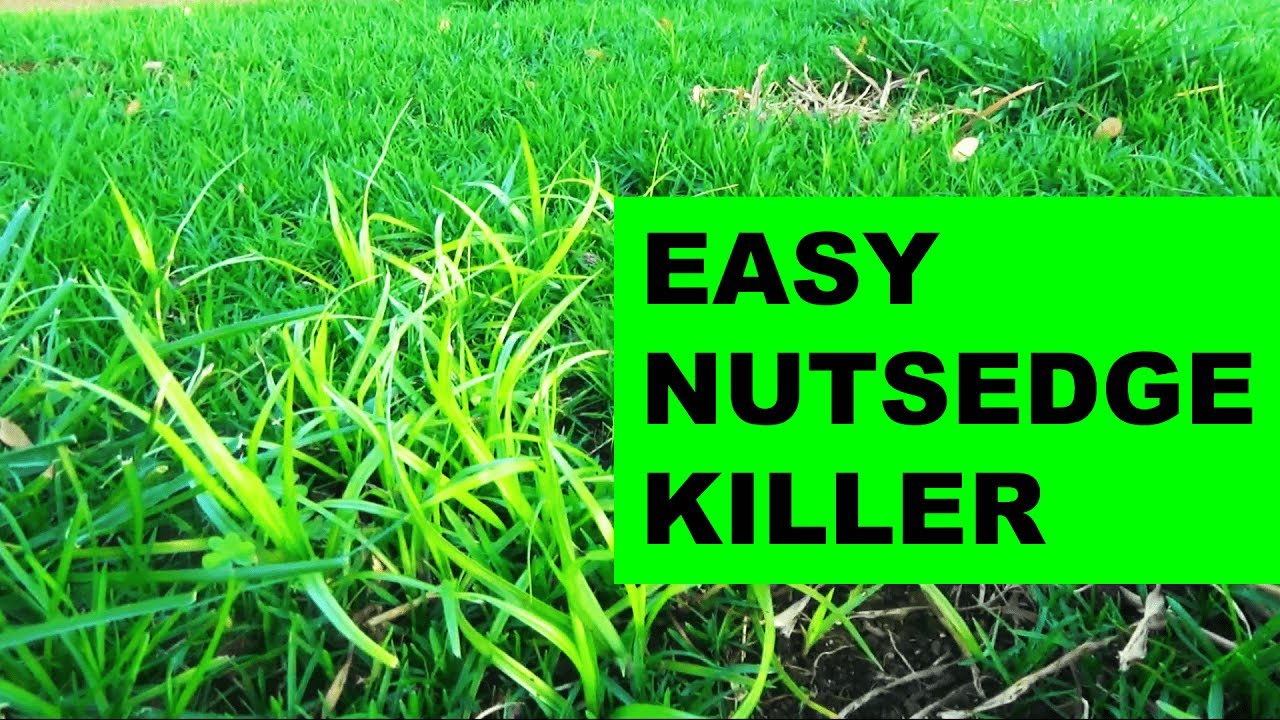
Image Source: i.ytimg.com
Deciphering Nutgrass: What Makes It So Stubborn?
Nutgrass, scientifically known as Cyperus species, is not a true grass but a sedge. This distinction is important because sedges have triangular stems, unlike the round stems of true grasses. The primary reason nutgrass is so persistent is its extensive network of underground tubers. These tubers, often referred to as “nuts,” are the plant’s survival mechanism. They store energy and can remain dormant for extended periods, waiting for favorable conditions to sprout.
Key Characteristics for Nutgrass Identification:
- Triangular Stems: Feel the stem – if it’s triangular, it’s likely a sedge like nutgrass.
- Glossy, Dark Green Leaves: Nutgrass leaves are typically stiff and a deep, rich green, often appearing shinier than those of common lawn grasses.
- Seed Heads: Nutgrass produces distinctive seed heads that are often reddish-brown or straw-colored, resembling small umbels.
- Underground Tubers (“Nuts”): These are the most crucial identification feature for control. They are small, hard, and resemble miniature nuts or seeds, attached to rhizomes (underground stems).
The Nutgrass Life Cycle: A Persistent Threat
Understanding the life cycle of nutgrass is key to effective control.
1. Germination: Seeds can germinate, but the primary spread is through tubers.
2. Growth: Plants develop a dense root and tuber system.
3. Tuber Development: New tubers form on rhizomes, expanding the infestation.
4. Dormancy: Tubers can remain viable in the soil for years.
5. Spread: Tubers can be spread by soil disturbance, contaminated tools, or water.
This cycle makes eliminating nutgrass a battle that requires patience and persistence.
Strategies for Eliminating Nutgrass: A Comprehensive Approach
Getting rid of nutgrass permanently involves a combination of physical removal, chemical control, and cultural practices. The goal is to deplete the energy reserves in the tubers and prevent new ones from forming.
1. Digging Out Nutgrass: The Labor-Intensive Method
For smaller infestations or in specific garden beds, digging out nutgrass can be an effective, albeit labor-intensive, method. The key is to remove as much of the tuber system as possible.
How to Dig Out Nutgrass Effectively:
- Timing is Crucial: Attempt this when the soil is moist but not waterlogged. This makes it easier to pull the roots and tubers without breaking them off.
- Use the Right Tools: A trowel, garden fork, or a specialized weeding tool can be helpful. A broad fork can lift larger areas, exposing more of the root system.
- Dig Deep and Wide: Don’t just pull the top. Dig around the plant, aiming to get at least 6-8 inches deep, and extend the digging area outwards to catch nearby tubers.
- Remove All Tubers: Carefully sift through the soil you remove to find and discard all tubers. Even small pieces can regrow.
- Dispose of Properly: Do not compost nutgrass. Bag it and put it in the trash or burn it to prevent further spread.
Pros and Cons of Digging:
| Pros | Cons |
|---|---|
| Immediate removal of visible plants | Labor-intensive and time-consuming |
| Avoids chemical use | Can be difficult to remove all tubers |
| Good for small, targeted areas | Can disturb soil and bring dormant tubers up |
2. Cultural Controls: Creating an Unwelcoming Environment
While not a direct elimination method, good garden practices can help weaken nutgrass and make your garden less hospitable to it.
Practices to Consider:
- Dense Planting: Healthy, closely planted desirable plants shade the soil, making it harder for nutgrass seedlings to establish.
- Mulching: A thick layer of organic mulch (2-3 inches) can suppress new growth by blocking sunlight. However, be aware that nutgrass can sometimes grow through mulch if it’s not dense enough.
- Healthy Lawn Practices: For lawns, proper mowing height, adequate watering, and fertilization will promote a thick, healthy turf that can outcompete nutgrass.
3. Chemical Controls: Nutgrass Herbicides
When physical removal isn’t enough, chemical solutions can be a powerful tool for controlling nutgrass. It’s important to choose the right herbicide and apply it correctly to target nutgrass without harming desirable plants.
Types of Nutgrass Herbicides:
- Pre-emergent Herbicides: These prevent seeds and tubers from sprouting. They are applied to the soil surface before germination occurs.
- Post-emergent Herbicides: These are applied to actively growing plants. For nutgrass, systemic post-emergent herbicides that are absorbed by the leaves and translocated to the roots and tubers are most effective.
Effective Herbicides for Nutgrass Control:
Several active ingredients are known to be effective against nutgrass. Always read and follow label instructions carefully.
| Herbicide Active Ingredient | How it Works | Best Use Cases | Considerations |
|---|---|---|---|
| Halosulfuron-methyl | Systemic, absorbed by leaves and roots, inhibits amino acid synthesis. | Lawns (specific formulations), ornamental beds, non-crop areas. | Can injure certain ornamental plants. Requires repeat applications. |
| Mesotrione | Inhibits pigment synthesis, causing bleaching and eventual death of the plant. | Lawns (especially desirable for turfgrass), ornamental beds. | Effective on young nutgrass. May require multiple applications. |
| Fluazifop-p-butyl | Selective, post-emergent herbicide that kills grasses and sedges. | Ornamental beds, vegetable gardens (with careful application). | Can harm desirable grasses if not applied precisely. |
| Glyphosate | Non-selective, systemic herbicide that kills most plants. | Non-crop areas, spot treatment in gardens if you can protect desirable plants. | Extreme caution needed. Will kill any plant it touches. Repeated applications are often needed. |
| Bentazon | Contact herbicide that kills broadleaf weeds and sedges. | Some ornamental beds, vegetable gardens (check label for specific crop tolerance). | Primarily kills top growth; tubers may survive if not repeatedly treated. |
Important Notes on Herbicide Use:
- Read the Label: This is the most critical step. The label provides information on target weeds, application rates, timing, safety precautions, and potential damage to desirable plants.
- Timing of Application: For post-emergent herbicides, apply when nutgrass is actively growing and before it sets seed. Multiple applications are often necessary, spaced according to label directions.
- Protect Desirable Plants: Use a shield or apply on a calm day to prevent drift onto plants you want to keep.
- Repeat Applications: Nutgrass tubers can resprout. Be prepared to make follow-up applications as new growth appears.
4. Organic Nutgrass Control: Natural Approaches
For gardeners who prefer to avoid synthetic chemicals, organic nutgrass control relies on mechanical methods, smothering, and the strategic use of certain natural products.
Organic Methods for Controlling Nutgrass:
- Intensive Hand-Pulling and Tuber Removal: As described earlier, this is the cornerstone of organic nutgrass removal. It requires diligence and thoroughness.
- Smothering: This involves covering the infested area with a material that blocks sunlight and air, effectively suffocating the nutgrass.
- Cardboard and Mulch: Lay down thick layers of plain cardboard (remove all tape and labels) over the nutgrass area. Wet it down and cover with a generous layer of mulch (wood chips, compost, straw). Leave in place for several months to a year.
- Black Plastic Sheeting: Cover the area with black plastic, burying the edges to seal it. This method can be very effective but will also kill any desirable plants underneath and can bake the soil.
- Solarization: In hot climates, covering the soil with clear plastic sheeting during the hottest part of the year can superheat the soil and kill weed seeds and tubers. This is typically done for 4-6 weeks.
- Vinegar (Horticultural Grade): Horticultural vinegar (higher acetic acid content than household vinegar) can kill the top growth of nutgrass on contact. However, it’s non-selective and may require repeated applications, as it doesn’t always kill the tubers effectively. Use with extreme caution to avoid harming desired plants.
- Boiling Water: Pouring boiling water directly onto nutgrass can kill the plant on contact. This is best for very small, isolated patches and requires caution.
5. Invasive Grass Control in the Wider Garden Context
Nutgrass can sometimes be mistaken for or coexist with other invasive grasses. Implementing broad invasive grass control strategies can indirectly help manage nutgrass as well.
Broader Strategies for Invasive Grass Control:
- Improve Soil Health: Healthy soil supports robust plant growth, which can outcompete weeds. Amend your soil with compost and organic matter.
- Proper Watering: Avoid overwatering, which can create favorable conditions for many weeds. Water deeply and less frequently to encourage stronger root systems in your desirable plants.
- Regular Garden Maintenance: Keep your garden beds tidy. Remove any weeds as soon as they appear, before they can establish deep root systems or produce seeds/tubers.
- Use Weed Barriers: In certain areas, landscape fabric or permeable barriers can be used under mulch to suppress weed growth, but nutgrass can eventually penetrate these.
Preventing Nutgrass: The Long-Term Battle
Once you’ve managed to reduce or eliminate nutgrass, the focus shifts to preventing its return. This is where preventative measures and ongoing vigilance are crucial for permanent nutgrass removal.
Strategies for Preventing Nutgrass:
- Source Clean Materials: Be careful when buying new soil, compost, or mulch. Contaminated sources can introduce nutgrass tubers.
- Clean Gardening Tools: After working in an infested area, thoroughly clean your tools (shovels, trowels, cultivators) to avoid spreading tubers to new locations.
- Monitor New Plants: Inspect new plants for any signs of nutgrass before planting them in your garden.
- Fill Bare Spots Promptly: Don’t leave areas of bare soil exposed. Plant desirable groundcovers or apply mulch quickly.
- Be Patient: Eliminating nutgrass is a process, not a single event. Continue to monitor your garden for any new growth and address it immediately.
Troubleshooting Common Nutgrass Problems
Even with the best efforts, you might encounter specific challenges when dealing with nutgrass.
When Nutgrass Keeps Coming Back:
- Incomplete Tuber Removal: The most common reason is that some tubers were left behind in the soil. Reassess your digging or herbicide application.
- Dormant Tubers: Tubers can lie dormant for years. New shoots may emerge from tubers you missed.
- External Spread: Tubers might be brought in by wind, water, or contaminated materials.
- Incorrect Herbicide Use: The herbicide may not be suitable for your specific nutgrass species, or it was applied at the wrong time or rate.
Nutgrass in the Lawn:
Lawn care requires specific strategies to avoid damaging desirable grass.
- Selective Herbicides: Use herbicides specifically labeled for use on lawns that target sedges. Mesotrione and halosulfuron-methyl are often good options.
- Improve Lawn Health: A dense, healthy lawn is the best defense. Proper mowing, watering, and fertilization are key.
- Spot Treatment: For small patches, manual removal or targeted spot treatment with a carefully applied herbicide is best.
Nutgrass in Vegetable Gardens:
Precision is paramount in vegetable gardens to protect edible plants.
- Manual Removal: This is often the safest bet. Be diligent in removing all tubers.
- Careful Herbicide Selection: If using herbicides, choose options specifically labeled as safe for vegetable gardens and follow directions meticulously. Fluazifop-p-butyl can be used, but only with extreme care to avoid contact with vegetables.
- Smothering Techniques: In fallow beds, smothering with cardboard and mulch can be effective over winter.
Frequently Asked Questions About Nutgrass Removal
Q1: How long does it take to get rid of nutgrass permanently?
A1: Permanently eradicating nutgrass can take anywhere from one season to several years, depending on the size of the infestation, your chosen methods, and your consistency. The tubers can lie dormant, so vigilance is key.
Q2: Can I use boiling water to kill nutgrass?
A2: Yes, pouring boiling water directly onto nutgrass can kill the plant on contact. However, it is not a long-term solution as it typically only kills the top growth, and the tubers may survive and regrow. It’s best for very small, isolated patches.
Q3: What is the most effective herbicide for nutgrass?
A3: Herbicides containing active ingredients like halosulfuron-methyl or mesotrione are generally considered effective for nutgrass control, especially when applied to actively growing plants and followed up with repeat applications. Always check the product label for specific recommendations and safety information.
Q4: Will mulch get rid of nutgrass?
A4: Mulch can help suppress nutgrass growth by blocking sunlight, but it rarely eliminates it completely, especially if the tuber system is extensive. A very thick layer of mulch or combining it with smothering techniques (like cardboard underneath) can be more effective.
Q5: How do I know if I’ve got all the tubers when digging?
A5: It’s incredibly difficult to guarantee you’ve removed every single tuber when digging. Tubers are small, hard, and can be found several inches deep. The best approach is to dig as deeply and widely as possible and be prepared to repeat the process if new shoots appear.
Q6: Can I use household vinegar on nutgrass?
A6: Household vinegar (5% acetic acid) has limited effectiveness on nutgrass. It can kill the top growth on contact but is unlikely to kill the tubers. Horticultural vinegar (20% acetic acid) is stronger but still primarily affects the top growth and can damage other plants it touches.
Q7: Is nutgrass the same as crabgrass?
A7: No, nutgrass is not a true grass; it is a sedge. While both are considered weeds and can be problematic in lawns, they have different botanical characteristics and may respond differently to control methods. Nutgrass has triangular stems, while crabgrass has round stems.
Q8: How do I stop nutgrass from spreading to my neighbor’s yard?
A8: Prevent the spread by cleaning your tools after gardening in infested areas, avoiding the movement of contaminated soil, and addressing your nutgrass problem promptly before it can establish further or spread via wind or water.
Q9: What are the best organic methods for controlling nutgrass in a vegetable garden?
A9: For vegetable gardens, the most reliable organic methods are intensive hand-pulling and careful removal of all tubers. Smothering techniques can be used in fallow beds. Using any herbicides, even organic ones, requires careful consideration of crop safety.
Q10: Why does nutgrass come back even after I treat it?
A10: Nutgrass has a persistent underground tuber system. It’s common for missed tubers or tubers that were dormant at the time of treatment to sprout later. Consistent, repeated treatment and removal are necessary to deplete the tuber reserves and achieve long-term control.
By combining these strategies and maintaining a proactive approach, you can significantly reduce and eventually eliminate nutgrass from your garden, transforming it into a thriving, weed-free space. Remember that consistency and patience are your greatest allies in this battle against one of gardening’s most persistent weeds.