
Can you get rid of moss in your lawn naturally? Yes, you can effectively get rid of moss in your lawn using natural methods. These methods focus on improving your lawn’s overall health and addressing the conditions that encourage moss growth.
Moss in your lawn isn’t just an eyesore; it’s a signal. It tells you something about your lawn’s environment. Often, moss thrives in areas where grass struggles. This usually means compacted soil, poor drainage, too much shade, or low soil fertility. Moss removal is more than just a cosmetic fix; it’s about understanding and improving your lawn’s health.
This guide will walk you through everything you need to know about moss removal, from identifying why it’s there to natural ways to keep it away for good. We’ll cover everything from lawn aeration to thatch removal and how to improve soil drainage.
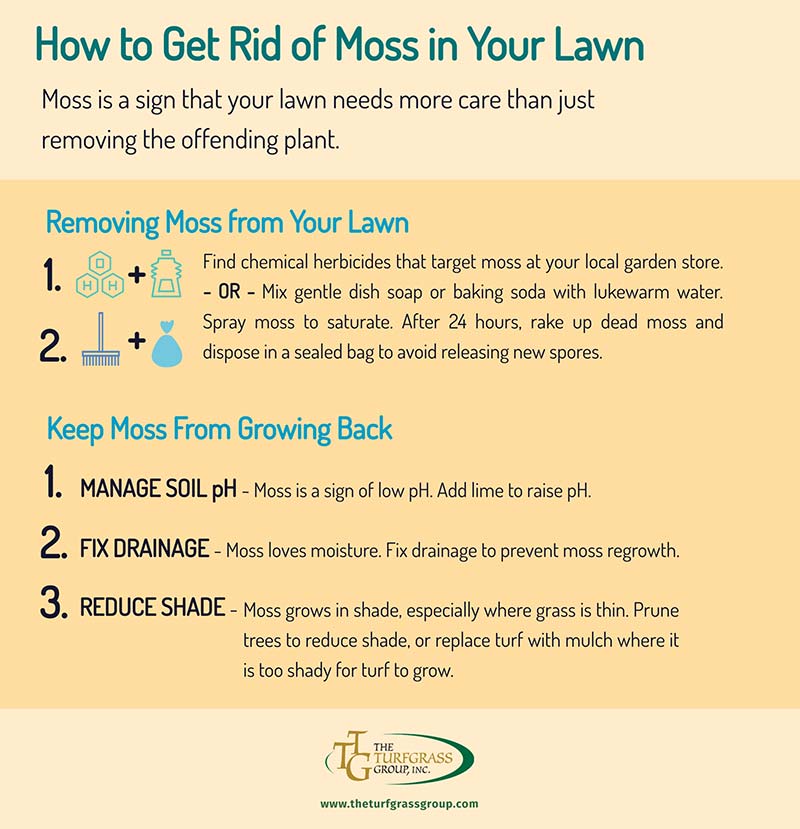
Image Source: theturfgrassgroup.com
Why Moss Grows in Your Lawn
Before we dive into moss removal, let’s figure out why moss likes your lawn. Mosses are simple plants. They don’t have deep roots like grass. Instead, they spread by spores. They don’t need rich soil to grow. They just need moisture and shade.
Here are the main reasons moss takes over:
- Poor Drainage: If water sits on your lawn for too long, moss can grow.
- Soil Compaction: When soil gets packed down, it’s hard for grass roots to grow. Moss can then move in.
- Low Soil Fertility: Grass needs food. If your soil lacks nutrients, grass will be weak and thin. Moss can easily take over these bare spots.
- Too Much Shade: Most grass types need sunlight to thrive. If your lawn is shady, grass will struggle, and moss will be happy.
- Low pH (Acidic Soil): Moss likes acidic soil. Grass prefers a more neutral pH.
Identifying the Root Causes of Moss
To get rid of moss for good, you need to address these underlying issues. Simply killing the moss won’t solve the problem if the conditions that allowed it to grow are still there.
Soil Compaction
When soil gets packed down, air and water can’t get into it easily. This makes it hard for grass roots to grow strong. Foot traffic, pets, and lawn equipment can all cause compaction.
Poor Drainage
If your lawn stays wet after it rains, it’s a sign of poor drainage. Waterlogged soil suffocates grass roots and creates a damp environment where moss loves to grow.
Shady Conditions
Trees and buildings can cast long shadows on your lawn. If grass doesn’t get enough sunlight, it will become weak and thin. Moss can then creep in.
Low Soil Fertility
Like any plant, grass needs nutrients to grow. If your soil is lacking, your grass will be weak. This gives moss an easy opportunity to spread.
Soil pH
The pH of your soil measures how acidic or alkaline it is. Most grasses grow best in a slightly acidic to neutral pH range (6.0 to 7.0). Moss often prefers a more acidic soil (below 6.0).
Natural Moss Removal Techniques
Now that we know why moss appears, let’s talk about natural ways to get rid of it and improve your lawn.
1. Aeration: The First Step to Healthier Soil
Aeration is a key part of natural moss removal. It involves making small holes in your soil. This lets air, water, and nutrients reach the grass roots. It also helps to break up compacted soil.
- How it works: Core aerators pull out small plugs of soil. This loosens the soil and relieves compaction.
- When to aerate: The best times are during the growing season for your grass type. For cool-season grasses (like fescue or bluegrass), this is usually in the fall or spring. For warm-season grasses (like Bermuda or zoysia), it’s late spring or early summer.
- Benefits:
- Reduces soil compaction.
- Improves air circulation to roots.
- Allows water to penetrate the soil better.
- Helps fertilizer reach the roots.
- Encourages deeper root growth for grass.
Steps for Aeration
- Mow your lawn: Mow at a normal height.
- Choose your aerator: You can rent core aerators or use spiked shoes. Core aerators are more effective.
- Aeration process: Walk the aerator over the lawn, overlapping passes. Aim for about 6-8 holes per square foot.
- Let soil plugs break down: Leave the soil plugs on the lawn. They will break down naturally, returning nutrients to the soil.
- Follow up: After aerating, you can overseed thin areas and apply a natural fertilizer.
2. Thatch Removal: Clearing the Way for Healthy Growth
Thatch is a layer of dead and living grass stems, roots, and debris that builds up on the soil surface. A thin layer is normal, but a thick layer can block air and water, and encourage moss. Thatch removal is vital for good lawn health.
- What is thatch? It’s that spongy layer you feel under your feet.
- Why remove it? Thick thatch can prevent water and air from reaching the soil. It can also harbor pests and diseases.
How to Remove Thatch Naturally
- Raking: For light to moderate thatch, a stiff garden rake can work. Rake vigorously in multiple directions to lift and remove the thatch.
- Power Raking (Dethatching): For thicker thatch, a power dethatcher (or scarifier) is more effective. These machines have tines that dig into the thatch layer and pull it to the surface for removal.
- Topdressing: After dethatching, you can topdress your lawn with a thin layer of compost. This helps break down any remaining thatch and adds nutrients.
When to Dethatch
Dethatching is best done when your grass is actively growing. This allows it to recover quickly. For cool-season grasses, this is in the fall or early spring. For warm-season grasses, it’s in late spring or early summer.
3. Improve Soil Drainage: Banishing Waterlogged Conditions
Moss loves damp, soggy soil. Improving your lawn’s drainage is a crucial step in natural moss removal.
- Identify the problem: Is your lawn staying wet for days after rain? Are there low spots where water pools?
- Solutions for Poor Drainage:
- Aeration: As mentioned, aeration helps water soak in.
- Thatch Removal: A thick thatch layer can also impede drainage.
- Topdressing with Compost: Adding organic matter like compost to your soil can improve its structure and allow water to drain better.
- Leveling: Fill in low spots with soil and compost mixture.
- French Drains: For severe drainage issues, consider installing French drains. These are trenches filled with gravel and a perforated pipe that redirects excess water away from the lawn.
- Soil Amendment: If your soil is very clayey, it will hold too much water. Mixing in compost or other organic matter can improve its texture.
4. Adjust Soil pH: Making Your Lawn Less Hospitable to Moss
Moss prefers acidic soil. If your soil pH is too low, it’s a prime condition for moss.
- Test your soil: Use a home soil test kit or send a sample to a local extension office. This will tell you your soil’s pH and nutrient levels.
- Raising Soil pH (Making it less acidic):
- Lime: The most common way to raise soil pH is by applying agricultural lime. The amount needed depends on your current pH and soil type.
- Application: Apply lime when the soil is dry. Spread it evenly with a spreader. It’s best to apply lime in the fall.
- Slow Release: Lime works slowly, so be patient. You may need to reapply it over a few years.
5. Improve Sunlight Exposure: Let the Grass Breathe
Moss often thrives in shady areas where grass can’t get enough sunlight.
- Prune Trees: Trim lower branches of trees to allow more light to reach the lawn.
- Thin Canopies: If trees have dense canopies, consider having them thinned by a professional.
- Consider Shade-Tolerant Grasses: If you have very shady areas, you might need to plant grass varieties that are more tolerant of shade.
6. Natural Moss Killers and Treatments
While addressing the root causes is key, you can also use natural methods to kill existing moss.
Baking Soda
Baking soda (sodium bicarbonate) is a natural alkaline substance that can help kill moss.
- How to use: Mix 1 tablespoon of baking soda with 1 gallon of water. Pour or spray this mixture directly onto the moss.
- Caution: Baking soda can also harm grass if used in too high a concentration or too often. Use it sparingly and only on the moss. Test in a small area first.
Vinegar (Horticultural Vinegar)
Vinegar can act as a natural moss killer. Horticultural vinegar is stronger than household vinegar and is more effective.
- How to use: Mix horticultural vinegar with water. A common ratio is 1 part vinegar to 4 parts water. Spray directly onto the moss.
- Caution: Vinegar is acidic and can harm grass and other plants. It can also lower soil pH. Use it carefully and avoid spraying grass.
Soap Solution
A simple soap solution can also be used to kill moss.
- How to use: Mix a few tablespoons of mild liquid soap (like pure castile soap) with a gallon of water. Spray directly onto the moss.
- Caution: Use mild, natural soaps. Avoid detergents that can damage your lawn.
Corn Gluten Meal
Corn gluten meal is a natural pre-emergent herbicide and fertilizer. It can inhibit moss spore germination and also feed your grass.
- How to use: Apply corn gluten meal to your lawn in early spring before moss spores start to grow. Follow package directions for application rates.
Removing Dead Moss and Reseeding
Once you’ve treated the moss or improved the conditions, you’ll need to remove the dead moss and help your grass recover.
Raking Out Dead Moss
After applying any moss killer or after the conditions have changed, the moss will likely turn brown and brittle.
- Rake: Use a stiff garden rake to vigorously rake out the dead moss. This helps loosen it from the soil.
- Bagging: Collect the dead moss and dispose of it. Don’t leave it on the lawn, as it can still spread spores.
Reseeding and Fertilizing
Once the moss is gone and the soil is ready, it’s time to strengthen your grass.
- Overseeding: If you have bare patches, overseed them with a good quality grass seed suitable for your climate and sunlight conditions.
- Fertilize: Apply a balanced, natural lawn fertilizer to give your grass the nutrients it needs to grow thick and strong. This will help prevent moss from returning.
- Watering: Water the new seed and your lawn regularly to help it establish.
How to Prevent Moss in Your Lawn
Preventing moss is the best long-term strategy. It’s all about creating an environment where grass thrives and moss can’t compete.
Maintain a Healthy Lawn
- Proper Mowing: Mow your grass at the correct height for its type. Taller grass shades the soil, keeping it cooler and moister, which discourages moss.
- Regular Watering: Water your lawn deeply but infrequently. This encourages grass to grow deeper roots, making it more resilient. Avoid frequent, shallow watering, which can create a damp surface layer that moss likes.
- Consistent Fertilizing: Feed your lawn with a natural fertilizer regularly during its growing season. This keeps grass healthy and dense.
Address Site-Specific Issues
- Improve Drainage: As discussed, fixing drainage problems is key.
- Manage Shade: Prune trees or consider shade-tolerant ground cover for very shady areas.
- Soil Health: Regularly aerate and dethatch your lawn to prevent compaction and thatch buildup. Test your soil periodically and amend as needed, especially regarding pH.
Timing is Everything
- Overseed in Fall: Fall is the best time to overseed most lawns. The cooler temperatures and increased moisture help new grass establish before winter.
- Apply Lime in Fall: If your soil needs liming, fall is the ideal time.
Frequently Asked Questions (FAQ) about Moss in Lawns
Q1: What is the best natural moss killer for my lawn?
A1: While there isn’t one single “best” natural killer, a combination of improving your lawn’s conditions (aeration, dethatching, drainage, pH) along with spot treatments of baking soda solution, vinegar solution, or soap solution can be very effective. The most sustainable approach focuses on long-term lawn health to prevent moss recurrence.
Q2: Can I just rake moss out without using any treatment?
A2: Raking out moss physically removes it, but if the underlying conditions that allow moss to thrive are not addressed, it will likely return. Raking is most effective as a step after natural treatments or alongside efforts to improve soil and sunlight.
Q3: How often should I aerate my lawn to prevent moss?
A3: For most lawns, aerating once a year is sufficient to combat soil compaction and improve overall lawn health, which in turn helps prevent moss. If you have particularly heavy foot traffic or very compacted soil, you might consider aerating twice a year (spring and fall).
Q4: Will moss die on its own in dry weather?
A4: Moss may become dormant and turn brown in dry weather, but it rarely dies completely. As soon as moisture returns, it can revive and continue to spread. Addressing the moisture issue is crucial for permanent moss removal.
Q5: Is moss bad for my lawn?
A5: Moss itself isn’t inherently harmful to your grass. However, its presence is a strong indicator that conditions are not ideal for healthy grass growth. Moss can outcompete grass in compacted, poorly drained, shady, or nutrient-poor soil, leading to a thinner, less resilient lawn.
Conclusion
Getting rid of moss in your lawn naturally is achievable with a focused approach. It’s not just about eliminating the moss itself, but about nurturing your lawn’s overall health. By improving your soil through aeration and dethatching, ensuring good drainage, adjusting soil pH, and maximizing sunlight for your grass, you create a robust lawn that can naturally resist moss. Natural moss removal is a journey toward a greener, healthier, and more beautiful lawn. Consistent lawn care practices are your best defense against moss and the key to long-term lawn success.