
Can you kill clover with vinegar? Yes, a vinegar solution can help kill clover, but it often requires repeated applications and may also harm your grass. Getting rid of clover in your lawn is a common goal for many homeowners. This persistent little plant, with its characteristic three-leaflet leaves and white flowers, can quickly take over a healthy turf. But fear not! With the right approach, you can reclaim your lawn and enjoy lush, green grass. This guide provides easy steps and valuable lawn care tips to help you with clover eradication and broadleaf weed control.
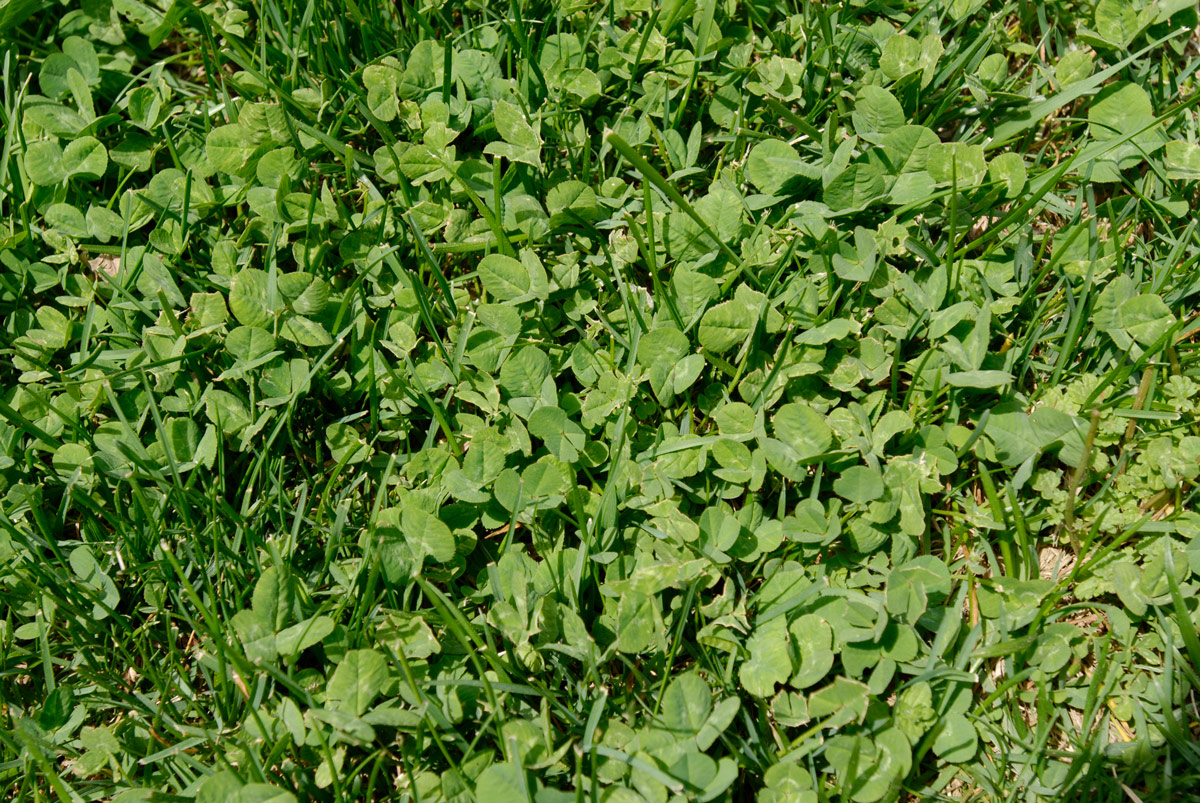
Image Source: naturalawn.com
Why Clover Invades Your Lawn
Clover thrives in less-than-ideal lawn conditions. It’s often a sign that your grass isn’t as healthy as it could be. Clover fixes nitrogen from the air, which means it doesn’t need rich soil to survive. In fact, it often prefers compacted soil, low fertility, and poor drainage. If your lawn has these issues, clover will likely be happy to move in. Addressing these underlying problems is key to long-term clover removal.
Understanding Clover’s Life Cycle
Knowing how clover reproduces helps in its removal. White clover, the most common type, spreads through seeds and creeping stems called stolons. These stolons can root themselves wherever they touch the soil, creating new plants. This makes it incredibly resilient.
Strategies for White Clover Removal
There are several ways to tackle white clover removal, from natural methods to chemical solutions. A combination of approaches often yields the best results.
Manual Removal
For smaller infestations, manual removal can be effective.
- Tools: A trowel, weeding fork, or specialized dandelion killer tool with a strong fork can work well.
- Process:
- Wait for the soil to be moist after rain or watering. This makes it easier to pull the entire root system.
- Grip the base of the clover plant firmly.
- Gently wiggle and pull the plant upwards, trying to get the entire root.
- Fill any holes left behind with good quality topsoil and reseed with grass.
- Pros: It’s an eco-friendly method and prevents the use of chemicals.
- Cons: It’s labor-intensive, especially for large areas.
Natural Weed Killer Options
If you prefer organic lawn care or want to avoid harsh chemicals, several natural options can help with clover eradication.
- Vinegar: A horticultural vinegar solution (20% acetic acid) is more potent than household vinegar (5%). Spray directly onto the clover. Be cautious, as it can also damage grass.
- Application: Best applied on a sunny, windless day.
- Caution: Avoid spraying on windy days to prevent drift onto desirable plants.
- Boiling Water: Pouring boiling water directly onto clover can kill it. This is best for isolated patches or cracks in pavement.
- Caution: This will kill any plant it touches, including grass.
- Corn Gluten Meal: Applied in early spring, corn gluten meal acts as a natural pre-emergent herbicide. It inhibits root formation in germinating seeds. It needs to be applied before clover seeds germinate.
Chemical Weed Control
For more stubborn or widespread clover problems, chemical weed killers can be effective. These are typically selective herbicides, meaning they target broadleaf weeds like clover without harming grass.
- Selective Broadleaf Herbicides: These are the most common and effective chemical solutions for removing clover from grass. They work by being absorbed by the leaves and translocated to the roots, killing the plant.
- Active Ingredients to Look For:
- 2,4-D: A widely used herbicide that controls broadleaf weeds.
- MCPP (Mecoprop): Another common broadleaf herbicide.
- Dicamba: Works well on tough broadleaf weeds.
- Triclopyr: Effective for woody plants and tough broadleaf weeds.
- Application:
- Read and follow label instructions carefully.
- Apply when temperatures are between 60-85°F (15-29°C) for best results.
- Avoid mowing for a day or two before and after application.
- Ensure the clover is actively growing.
- Timing: The best time to apply herbicides for clover eradication is usually in the late spring or early fall when temperatures are moderate and weeds are actively growing.
- Multiple Applications: You may need more than one application to completely eliminate clover.
- Active Ingredients to Look For:
- Spot Treatment: If clover is scattered, spot treatment with an appropriate herbicide can be more efficient and minimize exposure to your lawn.
Improving Lawn Health for Long-Term Clover Control
The most effective way to prevent clover from returning is to create a dense, healthy lawn that crowds it out. Clover thrives in weak lawns. By improving your lawn’s overall health, you make it a less hospitable environment for weeds.
Proper Mowing Height
- Key Principle: Mow your grass higher. Taller grass shades the soil, which discourages weed seeds from germinating and makes it harder for clover to establish.
- Recommended Height: For most cool-season grasses, aim for a mowing height of 2.5 to 3.5 inches. For warm-season grasses, 1 to 3 inches is typically recommended.
- Frequency: Mow often enough so you never remove more than one-third of the grass blade at a time.
Watering Wisely
- Deep and Infrequent: Water your lawn deeply but infrequently. This encourages grass roots to grow deeper into the soil, making the grass more drought-tolerant and resilient.
- Avoid Shallow Watering: Frequent, shallow watering promotes shallow root systems, making grass weaker and more susceptible to weeds and stress.
- When to Water: Water in the early morning to allow the grass to dry before nightfall, reducing the risk of fungal diseases.
Fertilization Practices
- Soil Testing: Get your soil tested to determine its nutrient needs. This prevents over-fertilization, which can harm your grass and encourage weed growth.
- Balanced Fertilizers: Use a balanced fertilizer appropriate for your grass type and the season.
- Slow-Release Fertilizers: These provide a steady supply of nutrients and reduce the risk of nutrient burn.
- Timing: Fertilize at the right times of the year for your grass type. For cool-season grasses, fall is often the most important fertilization time.
Aeration and Dethatching
- Aeration: This process removes small plugs of soil, allowing air, water, and nutrients to reach the grass roots more easily. It helps alleviate soil compaction, which clover loves.
- Frequency: Aerate once a year, typically in the fall or spring.
- Dethatching: Thatch is a layer of dead grass and organic matter that builds up between the soil and the green grass blades. A thick thatch layer can prevent water and nutrients from reaching the roots and can harbor pests and diseases.
- Frequency: Dethatch when the thatch layer is more than 0.5 inches thick. This is usually done in the spring or fall.
Overseeding for a Fuller Lawn
- Process: Spreading grass seed over an existing lawn helps fill in thin or bare spots. This makes your lawn denser and less welcoming to weeds.
- Best Time: Overseeding is typically done in the fall for cool-season grasses and late spring/early summer for warm-season grasses.
- Choose the Right Seed: Select a grass seed variety that is compatible with your existing lawn and suited to your climate.
Tackling Clover When Grass is Dormant
Sometimes, you might want to address clover when your grass is dormant, perhaps in late fall or early spring.
- Herbicides: Some herbicides are labeled for use on dormant lawns. Always check the product label to ensure it’s safe for use on your specific grass type and at the time of year you intend to apply it.
- Manual Removal: This remains an option, though the soil might be harder to work with if it’s frozen or very dry.
Common Lawn Weeds and How They Compare
It’s helpful to know what you’re dealing with. While clover is a common nuisance, other weeds might also be present. Understanding dandelion killer options, for example, is part of good lawn care.
Here’s a brief comparison:
| Weed Type | Appearance | Growth Habit | Control Methods |
|---|---|---|---|
| White Clover | Small, trifoliate leaves with a white spot; white flower heads. | Spreads via creeping stems (stolons); fixes nitrogen. | Selective herbicides, manual removal, improved lawn health. |
| Dandelion | Deep taproot, toothed leaves, bright yellow flower, puffball seed head. | Biennial (usually), reproduces by seed. | Manual removal (taproot), broadleaf herbicides, proper mowing height. |
| Crabgrass | Annual grass, grows low to the ground, spreads outward. | Annual, germinates from seed in warm soil. | Pre-emergent herbicides in spring, post-emergent herbicides (can be tough). |
| Broadleaf Plantain | Low-growing rosette of oval, ribbed leaves; spikes of small flowers. | Perennial, deep taproot. | Manual removal, broadleaf herbicides. |
As you can see, the strategies for tackling dandelion killer needs or broadleaf plantain might overlap with clover eradication, but the timing and specific products can differ.
When to Call a Professional
If you have a severe clover infestation or are unsure about applying herbicides, consider contacting a professional lawn care service. They have the expertise and equipment to diagnose lawn problems and apply treatments effectively and safely. They can also offer a comprehensive lawn maintenance plan.
Frequently Asked Questions About Clover in Lawns
Q1: Will clover hurt my grass?
No, clover itself won’t directly harm your grass. In fact, because it fixes nitrogen, it can sometimes even provide a benefit to the soil. However, it is a weed, and it can spread aggressively, crowding out your desirable grass and making your lawn look patchy and unkempt.
Q2: Can I use a weed and feed product for clover?
Yes, many “weed and feed” products contain selective herbicides that are effective against clover. However, it’s important to use them correctly. Apply when the clover is actively growing and when the grass is dry. Avoid applying before heavy rain, as this can wash the product away. Always read and follow the product’s label instructions.
Q3: Is it okay to leave clover in my lawn?
Many people choose to leave clover in their lawns, especially if they are practicing organic lawn care. Clover is a nitrogen fixer, which can reduce the need for fertilizer. It also stays green during dry spells and provides food for pollinators like bees. However, if your goal is a uniform, monoculture green lawn, then you’ll want to remove it.
Q4: How do I prevent clover from coming back?
The best prevention is a healthy, dense lawn. Ensure you are mowing at the correct height, watering deeply and infrequently, and fertilizing properly. Aerating and dethatching your lawn annually can also help prevent clover and other weeds from establishing.
Q5: When is the best time of year to treat clover?
The best time to treat clover is when it is actively growing, which is typically in the late spring or early fall. Applying herbicides during cooler temperatures (60-85°F) is generally more effective and safer for your lawn than applying them during the peak heat of summer.
Conclusion
Getting rid of clover in your lawn is a manageable process that combines targeted removal with long-term lawn health improvements. By understanding why clover thrives and implementing consistent lawn care tips, you can enjoy a beautiful, healthy lawn free from unwanted invaders. Whether you opt for natural weed killer solutions or chemical broadleaf weed control, remember that a strong, vibrant turf is your best defense against weeds. Regular lawn maintenance, proper mowing, watering, and feeding will ensure your lawn stays healthy and resists future clover infestations, contributing to a beautiful, green space.