
Worried about deer munching your prize-winning tomatoes or delicate flowerbeds? What is the best way to deter deer from your garden? The most effective approach is often a combination of methods, focusing on creating a less inviting environment for these hungry herbivores. Can I use natural deer deterrents? Absolutely! Many natural options exist that are both safe for your plants and the environment. Who is responsible for deer control? Typically, homeowners manage deer in their gardens, though local wildlife agencies might offer guidance. This guide will walk you through various strategies for deer proofing your garden, from physical barriers to scent deterrents and deer resistant plants, helping you to achieve successful deer control in your garden.
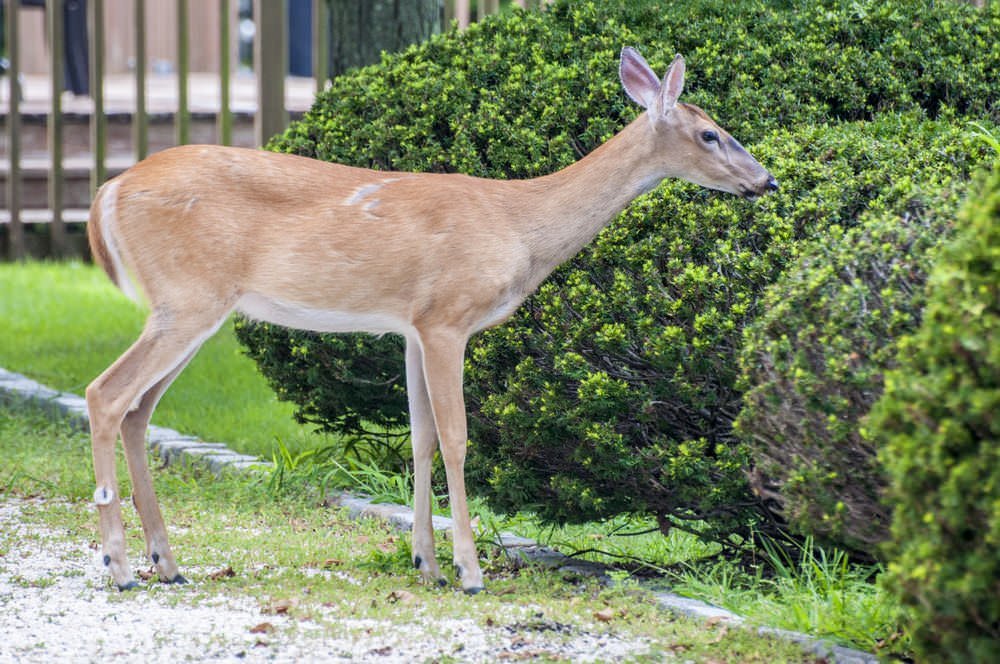
Image Source: millcreekgardens.com
Why Deer Visit Gardens
Deer are naturally drawn to gardens because they offer a readily available buffet of tender shoots, buds, leaves, and fruits. Your garden likely contains plants that are particularly nutritious and palatable to deer, especially during times when their natural food sources are scarce, such as winter. The lush greenery and readily accessible food make your garden an irresistible dining spot for them.
Essential Strategies for Deer Control
Controlling deer in your garden requires a multi-faceted approach. Relying on a single method might not be enough. Here are the key strategies:
1. Physical Barriers for Gardens: The First Line of Defense
The most foolproof way to keep deer out is to physically prevent them from accessing your garden. This involves creating barriers that they cannot easily overcome.
Garden Fencing: A Strong Deterrent
Garden fencing is one of the most effective methods for deer proofing your garden. However, not all fences are created equal when it comes to deterring deer.
- Height is Crucial: Deer are excellent jumpers. For effective deer repellent through fencing, the fence needs to be at least 8 feet tall. Anything shorter than 6 feet will likely be jumped over by most deer.
- Material Matters:
- Welded Wire Mesh: This is a popular choice because it’s strong and durable. Look for mesh with openings of 4×4 inches or smaller to prevent fawns from getting through.
- Netting: While lighter, strong deer netting can also be effective if properly installed and maintained at the correct height.
- Solid Fencing: Wood or vinyl fences can also work, but they need to be tall enough.
- Installation Tips:
- Sturdy Posts: Use strong, well-anchored posts to support the fence.
- Secure Anchoring: Bury the bottom of the fence at least 6-12 inches into the ground or angle it outwards at the base. This prevents deer from pushing underneath or digging under.
- Double Fencing: For maximum protection, consider installing two fences, one about 3 feet high and another 8 feet high, spaced about 3-4 feet apart. This confuses deer and makes them less likely to attempt a jump.
- Aesthetic Considerations: While effective, tall fences can sometimes be visually unappealing. Consider using natural materials or planting climbing vines on the fence to help it blend into the landscape.
Row Covers and Cages
For individual plants or smaller garden beds, row covers and plant cages offer localized protection.
- Row Covers: Lightweight fabric covers can protect seedlings and young plants from browsing. Ensure the edges are secured to the ground to prevent deer from reaching underneath.
- Plant Cages: Wire cages or even repurposed materials like chicken wire can be formed into cylinders or boxes around vulnerable plants. These are particularly useful for protecting young trees and shrubs.
2. Deer Resistant Plants: Working With Nature
Choosing deer resistant plants is a proactive strategy that can significantly reduce the appeal of your garden to deer. While no plant is completely “deer-proof,” some species are far less palatable to them.
What Makes a Plant Deer Resistant?
Deer generally avoid plants that have:
- Strong Scents: Aromatic herbs and plants with pungent oils.
- Fuzzy or Prickly Textures: Leaves with hairs or thorns.
- Tough or Leathery Leaves: Plants with strong fibrous materials.
- Toxic Properties: Plants that are poisonous or cause digestive upset.
- Unpleasant Tastes: Bitter or astringent flavors.
Popular Deer Resistant Plants
Here’s a table of some commonly recommended deer resistant plants for various garden types:
| Plant Type | Common Name | Scientific Name | Notes |
|---|---|---|---|
| Perennials | Lavender | Lavandula spp. | Strong scent, fuzzy leaves |
| Bee Balm | Monarda spp. | Aromatic leaves | |
| Coneflower | Echinacea spp. | Coarse texture, prickly seed heads | |
| Bleeding Heart | Dicentra spectabilis | Toxic if ingested | |
| Columbine | Aquilegia spp. | Toxic if ingested | |
| Peonies | Paeonia spp. | Fuzzy buds, sometimes nibbled by young deer | |
| Astilbe | Astilbe spp. | Lacy foliage, generally avoided | |
| Salvia | Salvia spp. | Aromatic, fuzzy leaves | |
| Shrubs | Lilac | Syringa vulgaris | Strong scent, woody stems |
| Forsythia | Forsythia spp. | Woody stems, bitter taste | |
| Rhododendron/Azalea | Rhododendron/Azalea spp. | Toxic if ingested | |
| Boxwood | Buxus sempervirens | Leathery leaves, slightly toxic | |
| Russian Sage | Perovskia atriplicifolia | Strong aromatic scent, fuzzy leaves | |
| Annuals | Marigolds | Tagetes spp. | Strong scent |
| Zinnias | Zinnia spp. | Coarse texture, generally avoided | |
| Snapdragons | Antirrhinum majus | Can be nibbled, but usually not preferred | |
| Herbs | Rosemary | Salvia rosmarinus | Strong scent, woody stems |
| Thyme | Thymus spp. | Strong scent, low growth | |
| Sage | Salvia officinalis | Strong scent, fuzzy leaves | |
| Groundcovers | Creeping Thyme | Thymus serpyllum | Strong scent, low to the ground |
| Pachysandra | Pachysandra terminalis | Leathery leaves |
Important Note: Deer preferences can vary by region and even by individual deer. What is resistant in one area might be a favorite in another. Observe your local deer population and consult with local garden centers or experienced gardeners for regional recommendations.
3. Scent Deterrents for Deer: Confusing Their Sense of Smell
Deer rely heavily on their sense of smell to find food and detect danger. Scent deterrents for deer exploit this by introducing smells that deer find offensive or alarming.
Commercial Deer Repellents
These products often contain ingredients like rotten eggs, predator urine (coyote, fox), essential oils (mint, rosemary, garlic), or capsaicin (from chili peppers).
- Application: Typically sprayed directly onto plants or applied to a perimeter around the garden.
- Reapplication: Crucial to reapply after rain or watering, and periodically throughout the growing season as the scent fades.
- Types:
- Contact Repellents: These are applied directly to plants and make them taste bad.
- Area Repellents: These are placed around the garden to create a scent barrier.
Homemade Deer Spray: A DIY Approach
Many gardeners find homemade deer spray to be an effective and cost-efficient deer repellent. Common recipes include:
- Egg-Based Spray:
- 1 dozen eggs
- 1 gallon of water
- (Optional: 1 tablespoon of dish soap for better adherence)
- Instructions: Beat eggs well. Mix with water. Let sit for a few days to ferment slightly (enhances smell). Strain and spray.
- Garlic and Pepper Spray:
- 1 bulb garlic, minced
- 1-2 hot peppers (or 1 tablespoon cayenne pepper), minced
- 1 quart of water
- (Optional: 1 teaspoon mild liquid soap)
- Instructions: Blend garlic and peppers with water. Let steep for 24 hours. Strain thoroughly to avoid clogging sprayers. Add soap and spray.
- Milk and Garlic Spray:
- 2 cups milk
- 1 bulb garlic, crushed
- 1 quart water
- Instructions: Combine ingredients. Let steep for a few hours. Strain and spray.
Important Considerations for Homemade Sprays:
- Strain Well: Unstrained materials can clog spray bottles.
- Test on a Small Area: Before spraying your entire garden, test on a small part of a plant to ensure it doesn’t cause leaf burn.
- Reapply Regularly: Like commercial products, these need frequent reapplication, especially after rain.
Natural Deer Deterrents: Beyond Sprays
- Bar Soap: Some gardeners report success by hanging strongly scented bars of soap (like Irish Spring) from branches or placing them around the garden. The scent is thought to deter deer.
- Human Hair or Blood Meal: These can act as scent deterrents, mimicking the presence of predators. Scatter them around the perimeter of your garden. Be mindful of potential nitrogen levels if using large amounts of blood meal.
- Repellent Plants: Planting highly aromatic herbs like rosemary, mint, sage, and lavender around your garden or interspersed with more palatable plants can help mask the scent of your desired plants.
4. Auditory and Visual Deterrents: Startling the Deer
While less reliable than scent or physical barriers, auditory and visual deterrents can sometimes work, especially when combined with other methods.
Ultrasonic Deer Repellers
An ultrasonic deer repeller emits high-frequency sounds that are inaudible to humans but are supposed to be unpleasant to deer.
- Effectiveness: Results are mixed. Some users report success, while others find deer quickly become accustomed to the sounds.
- Placement: Devices should be strategically placed to cover the areas where deer are most active.
- Power Source: Consider battery-powered or solar-powered options for ease of use.
Scare Tactics
- Movement: Hanging reflective tape, old CDs, or pinwheels can create movement and flashes of light that might startle deer.
- Noise Makers: Motion-activated sprinklers or alarms can create sudden noise or water bursts that scare deer away.
- Predator Decoys: Plastic owls or coyotes can sometimes deter deer, but their effectiveness is usually short-lived as deer quickly realize they are not real threats.
Key to Success: For visual and auditory deterrents to remain effective, they must be moved regularly to keep deer from becoming accustomed to them.
5. Companion Planting and Garden Layout
The way you design your garden can also play a role in controlling deer in garden.
- Planting Vulnerable Plants in the Center: Place your most prized and palatable plants in the interior of your garden, surrounded by deer resistant plants. This creates a buffer zone.
- Natural Borders: Using dense, thorny shrubs or hedges around the perimeter can make entry more difficult and less appealing.
6. Managing Deer Populations (Larger Scale)
In areas with severe deer overpopulation, individual gardening efforts might be insufficient.
- Community Efforts: Collaborating with neighbors to implement consistent deterrent strategies across multiple properties can be more effective.
- Wildlife Agencies: If deer damage is persistent and severe, consider contacting your local wildlife or agricultural extension office for advice on managing deer populations or for information on specific local programs.
Troubleshooting Common Deer Problems
- Deer are still getting in: If deer are persistently damaging your garden despite your efforts, it’s time to re-evaluate your strategies.
- Is your fence tall enough and properly secured?
- Are you reapplying repellents frequently enough?
- Have deer become accustomed to your current deterrents?
- Are you planting highly desirable plants without adequate protection?
- Repellents are damaging my plants: Always test repellents on a small area first. Consider switching to a different type of repellent or a less concentrated solution.
- My garden is too large to fence: Focus on protecting your most valuable plants with individual cages or by creating a smaller, highly protected “core” garden area. Use deer resistant plants for the outer areas.
Frequently Asked Questions (FAQ)
Q1: How quickly do deer repellent sprays work?
A1: Deer repellent sprays work by making plants unappealing either through taste or smell. Once applied and the scent or taste is present, deer will typically avoid the treated plants. However, it’s important to note that deer can become accustomed to some repellents over time, so rotating methods is often beneficial.
Q2: Can I use my dog’s urine as a deer repellent?
A2: Some gardeners have reported success using the urine of predators like coyotes or foxes. While dog urine might have a similar effect, its effectiveness as a scent deterrent for deer is less proven and can be quite pungent for humans as well. It’s generally better to use commercially available predator urine repellents or explore other natural options.
Q3: What is the most effective way to deter deer?
A3: The most effective way to deter deer is generally considered to be a tall, well-maintained physical barrier, such as an 8-foot fence. However, a combination of methods, including deer resistant plants, scent deterrents, and vigilant maintenance, often proves most successful for controlling deer in garden.
Q4: Will deer eventually get used to repellents?
A4: Yes, deer can become habituated to certain repellents, especially if they are the only form of deterrent used. This is why it’s recommended to rotate the types of repellents you use and to combine them with other strategies like physical barriers or deer resistant plants.
Q5: Are there any deer proofing techniques that don’t involve fencing?
A5: Yes, while fencing is highly effective, other techniques include planting a high proportion of deer resistant plants, using homemade deer spray or commercial repellents, implementing physical barriers for gardens like cages around individual plants, and utilizing motion-activated sprinklers to startle them.
Q6: How far apart should I space my plants if I’m trying to confuse deer?
A6: When trying to confuse deer, interspersing highly palatable plants with strongly scented or textured deer resistant plants can be effective. There isn’t a strict spacing rule, but creating a mixed planting that breaks up large blocks of tempting vegetation can reduce their appeal.
By implementing a combination of these strategies, you can significantly reduce deer damage and enjoy a thriving garden. Remember that consistency and observation are key to successful deer proofing your garden.