
Can you attract foxes to your yard? Yes, you absolutely can! Attracting foxes to your yard involves creating an environment that meets their needs for food, water, shelter, and safety. By offering specific fox attractants and making your yard fox friendly, you can successfully draw these beautiful creatures to your space, fostering a greater connection with nature.
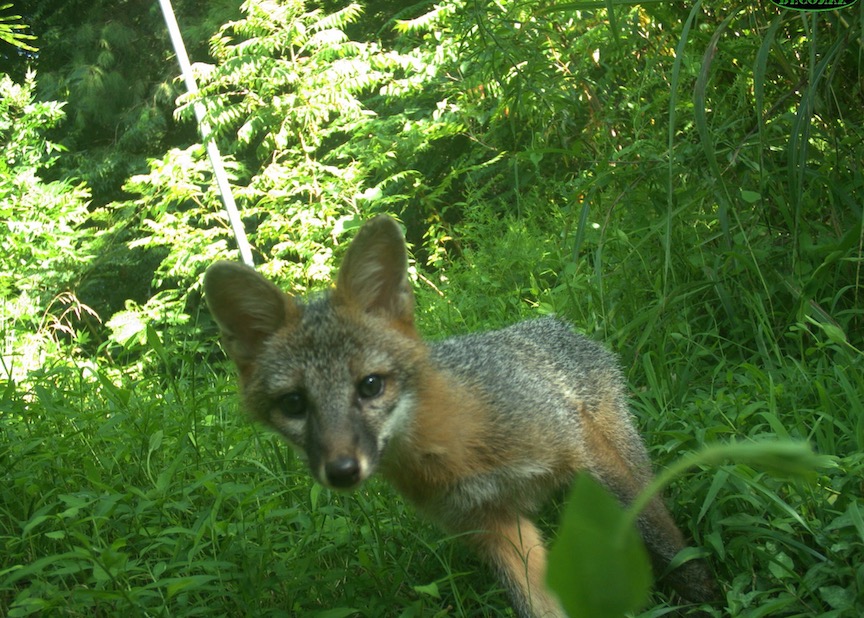
Image Source: stephanieschuttler.com
Why Invite Foxes?
Many people think of foxes as pests, but they are fascinating animals. They play a vital role in our ecosystems. Foxes are natural pest controllers, helping to keep rodent populations in check. Observing them in their natural behavior can be a truly rewarding experience. Attracting foxes naturally is a way to appreciate wildlife up close.
The Benefits of a Fox-Friendly Yard
- Natural Pest Control: Foxes eat rodents like mice and voles, which can damage gardens and spread diseases.
- Ecosystem Balance: They help maintain a healthy balance in the local environment.
- Biodiversity: Encouraging foxes contributes to a richer variety of wildlife in your area.
- Educational Opportunities: Observing foxes can be a great way to teach children about nature and wildlife.
Creating a Welcoming Environment: The Fundamentals
To begin encouraging foxes, you need to think like a fox. What would make your yard appealing to them? It’s all about providing the essentials in a safe and accessible way.
Providing Essential Fox Food Sources
Food is the primary fox attractant. However, it’s crucial to offer food responsibly. Unnatural feeding can make foxes dependent and can spread diseases. The best approach is to provide natural fox food sources that mimic their wild diet.
Natural Food Options
- Berries and Fruits: Foxes are omnivores and enjoy fruits like berries, apples, and grapes. Planting berry bushes can provide a natural and sustainable food source.
- Insects: Many insects are drawn to gardens, and foxes will readily eat them. A healthy insect population is a subtle but effective fox attractant.
- Small Rodents: While you don’t want to actively encourage rodents, if your yard attracts them, foxes will naturally find them. This is where their pest control role shines.
- Bird Seed (with caution): Spilled birdseed can attract rodents, which in turn attract foxes. However, be mindful that birdseed can also attract other animals you might not want.
Responsible Feeding Practices
- Avoid “Fox Bait”: Using artificial fox bait is generally not recommended for homeowners. It can be harmful if it contains toxic substances and can lead to unintended consequences for other wildlife.
- Supplements, Not Staples: If you choose to supplement their diet, do so sparingly and with appropriate foods. Small amounts of cooked, unseasoned meat scraps or eggs can be offered occasionally.
- Cleanliness is Key: If you feed foxes, clean up any leftover food promptly to prevent attracting pests or spreading disease.
Water Sources
Like all animals, foxes need access to fresh water.
Water Features
- Bird Baths: A shallow bird bath can be a convenient water source for foxes. Ensure it’s kept clean and filled.
- Ponds or Streams: If you have a natural water source in your yard, it will be a significant draw for foxes and other wildlife.
- Shallow Dishes: A simple, shallow dish of water placed in a quiet corner of your yard can also suffice, especially during dry spells.
Shelter and Safety
Foxes need safe places to rest, raise their young, and hide from predators or perceived threats.
Creating Fox Sanctuaries
- Dense Shrubs and Bushes: Thick, overgrown areas provide excellent cover for foxes. Consider planting native shrubs that offer both shelter and potential food sources.
- Brush Piles: A well-managed brush pile can offer a cozy den for a fox.
- Undisturbed Areas: Foxes prefer areas where they won’t be constantly disturbed by humans or pets. Try to leave a corner of your yard a bit wild and untamed.
- Avoid Bright Lights: Foxes are nocturnal or crepuscular (active at dawn and dusk). Bright outdoor lighting can deter them. Consider using motion-sensor lights that only turn on when needed.
Fox-Friendly Gardening: Planting for Attraction
Fox-friendly gardening goes beyond just planting flowers. It’s about creating a habitat that supports the entire food web that foxes rely on.
Planting for Foxes
- Berry Bushes: Raspberry, blackberry, blueberry, and elderberry bushes are excellent choices. They provide fruit for foxes and attract insects that foxes also eat.
- Fruit Trees: Apple and pear trees offer fruit in the fall, and their blossoms attract insects earlier in the year.
- Native Plants: Native plants are generally more resilient and support local insect and small animal populations, indirectly benefiting foxes.
- Ground Cover: Low-growing plants and grasses provide cover for small prey animals, making your yard a more attractive hunting ground for foxes.
What to Avoid in Your Garden
- Pesticides and Herbicides: These chemicals can harm foxes directly by poisoning them or indirectly by killing off their food sources.
- Over-Tidiness: While a tidy yard is appealing to some, foxes prefer areas with natural cover. Resist the urge to clear every fallen leaf or twig, as these can harbor insects and provide camouflage.
Specific Fox Attractants: What Works Best?
While natural methods are preferred, there are specific fox attractants that can be used carefully.
Food-Based Attractants
- Leftover Kitchen Scraps: Small amounts of cooked meat, fish, or eggs (unseasoned) can be offered sparingly. This should not be a regular offering and should be cleaned up promptly.
- Canned Pet Food: Small amounts of wet dog or cat food can be a quick meal for a fox. Again, this should be offered in moderation.
- Peanut Butter: A dollop of peanut butter can be a good treat. It’s high in fat and protein.
Non-Food Attractants
- Water Sources: As mentioned, a reliable water source is a powerful attractant.
- Compost Piles: A well-managed compost pile can attract insects and rodents, both of which are food for foxes. Ensure your compost pile is contained to prevent it from becoming an eyesore or attracting unwanted pests.
Encouraging Foxes: Practical Steps
Now that you know what foxes need, let’s talk about how to actively encourage them to visit.
Step-by-Step Guide to Attracting Foxes
- Assess Your Yard: Look at your yard from a fox’s perspective. Is there adequate cover? Are there safe places to hide? Is there a water source?
- Plant for Success: Introduce berry bushes, fruit trees, and native plants that will attract insects and small prey.
- Provide Water: Set up a bird bath or shallow dish of water.
- Create Shelter: Consider leaving a brush pile in a corner or planting dense shrubs.
- Offer Food (Responsibly): If you choose to supplement, offer small amounts of appropriate food sparingly and clean up any leftovers.
- Minimize Disturbances: Keep pets indoors at night, avoid using harsh chemicals, and limit bright outdoor lighting.
- Be Patient: It can take time for foxes to discover your yard and feel safe enough to visit regularly.
Making Your Yard Fox Friendly: Key Considerations
- Safety First: Ensure your yard doesn’t pose any dangers to foxes, such as unsecured pools or toxic plants.
- Respect Their Space: Once foxes start visiting, observe them from a distance. Avoid approaching them, especially if they have young.
- Coexistence: The goal is to coexist peacefully. If foxes become a nuisance, consider ways to deter them from specific areas rather than trying to eliminate them entirely.
Understanding Fox Behavior and Needs
Fathoming fox behavior helps you tailor your yard to their preferences.
Fox Diet
- Opportunistic Omnivores: Foxes eat a wide variety of foods, including rodents, birds, insects, fruits, berries, and carrion.
- Hunting Prowess: They are skilled hunters, using their keen senses of hearing and smell to locate prey.
Fox Habitat Preferences
- Edge Habitats: Foxes often prefer to live in areas where woodland meets open fields, providing both cover and hunting grounds.
- Dens: They typically dig their own dens or use abandoned badger or rabbit burrows.
Seasonal Needs
- Spring: Vixens (female foxes) give birth in spring and require ample food for their kits.
- Summer: Young foxes are still dependent on their mother, so a consistent food supply is crucial.
- Autumn: Foxes start to store fat for winter and may become more active in seeking food.
- Winter: Food can be scarce in winter, making any readily available food sources more appealing.
Potential Challenges and How to Address Them
While encouraging foxes is rewarding, there can be challenges.
Rodent Infestations
If your goal is to attract foxes for pest control, you might paradoxically see an increase in rodents initially as the foxes begin to patrol the area. This is a sign that your attractants are working.
Pet Safety
- Supervision: Always supervise pets when they are outdoors, especially in areas where foxes are present.
- Secure Yards: Ensure your fences are secure to prevent any unwanted interactions.
- Avoid Leaving Food Out: Do not leave pet food outdoors, as this can attract both foxes and rodents.
Diseases
Foxes can carry diseases such as rabies and mange. While the risk to humans is generally low when maintaining a respectful distance, it’s important to be aware. Avoid direct contact with foxes and do not handle them.
Beneficial Attractants: A Summary
Here’s a quick look at what makes your yard attractive to foxes:
| Attractant Type | Specific Examples | Notes |
|---|---|---|
| Food | Berries, fruits, insects, small rodents, occasional lean meat scraps | Natural sources are best. Feed responsibly and sparingly. |
| Water | Bird baths, shallow dishes, ponds | Keep water sources clean and accessible. |
| Shelter | Dense shrubs, brush piles, undisturbed areas | Provide safe havens for resting and hiding. |
| Cover | Tall grasses, leaf litter, ground cover | Offers camouflage and attracts prey. |
Frequently Asked Questions
Q: Will attracting foxes bring predators like coyotes?
A: While it’s possible, foxes are often prey for coyotes. If you attract foxes, you might indirectly attract coyotes, but it’s not a guarantee. The presence of foxes can also deter smaller predators.
Q: Is it legal to attract foxes?
A: In most areas, it is legal to attract wildlife to your property, but there may be local regulations regarding feeding wildlife. Always check your local wildlife agency guidelines.
Q: Can foxes become a nuisance in my yard?
A: While foxes are generally shy, they can become accustomed to human presence. If they start digging in specific areas or becoming too bold, you may need to implement deterrents in those specific spots, such as netting or motion-activated sprinklers.
Q: How can I get foxes to leave if they become a problem?
A: If foxes are causing issues, focus on removing the attractants. Secure trash cans, clean up fallen fruit, and remove any readily available food sources. Motion-activated sprinklers or lights can also deter them from specific areas.
Q: Do foxes dig up gardens?
A: Foxes might dig for grubs or rodents, or they might excavate dens. If you have a vegetable garden, consider fencing it off.
By following these guidelines, you can create a welcoming environment for these beautiful and beneficial creatures, transforming your yard into a haven where you can observe and appreciate them. Remember, the key is to provide natural fox food sources, water, and shelter while minimizing human interference. Attracting foxes naturally is a journey into understanding and coexisting with the wild world around us.