
Can you add organic matter to your lawn? Yes, absolutely! Adding organic matter to your lawn is one of the best things you can do to boost its growth, improve its appearance, and make it more resilient. This long-form guide will walk you through the why and how of enriching your lawn with this vital component.
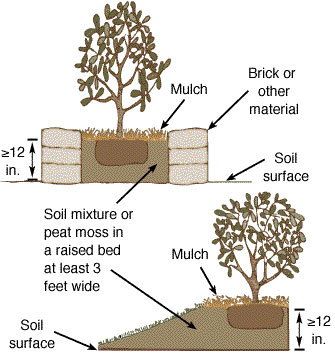
Image Source: extension.missouri.edu
Why Organic Matter is King for Your Lawn
Think of organic matter as the superfood for your soil. It’s the secret ingredient that turns tired, compacted ground into a thriving, lush carpet of green. When you add organic matter, you’re not just feeding your grass; you’re creating a healthier, more vibrant ecosystem for its roots.
The Benefits Unveiled
The advantages of incorporating organic matter are numerous and impactful. It’s a true game-changer for soil health and soil fertility, leading to a visibly better lawn.
- Improved Soil Structure: Organic matter acts like a natural glue. It binds soil particles together, creating a crumbly texture. This prevents compaction, allowing air, water, and nutrients to penetrate the soil more easily. Compacted soil suffocates grass roots.
- Enhanced Water Retention: Humus, the decomposed part of organic matter, is like a sponge. It holds onto moisture, releasing it slowly to the grass roots as needed. This means your lawn stays greener for longer, especially during dry spells, and you’ll water less often.
- Better Drainage: While it holds water, organic matter also improves drainage in heavy clay soils. By creating larger pore spaces, it allows excess water to escape, preventing waterlogging and root rot.
- Nutrient Supply: As organic matter breaks down, it releases essential nutrients that grass needs to grow strong and healthy. This slow-release feeding reduces the need for synthetic fertilizers.
- Boosts Beneficial Microorganisms: The soil is alive! Organic matter provides food for earthworms, beneficial bacteria, and fungi. These tiny helpers further break down materials, improve nutrient availability, and contribute to overall soil vitality.
- Suppresses Disease: Healthy soil rich in organic matter supports a robust root system, making grass more resistant to diseases and pests.
- pH Buffering: Organic matter helps to moderate soil pH, making it more favorable for nutrient uptake by the grass.
What is Organic Matter?
Simply put, organic matter is any material that comes from living or once-living organisms. For your lawn, this includes things like decomposed plant material and animal waste. It’s the foundation of healthy soil.
Methods for Adding Organic Matter to Your Lawn
There are several effective ways to introduce organic matter to your lawn. The best method for you will depend on your lawn’s current condition, your available resources, and the time you have.
1. Top Dressing with Compost
Compost is decomposed organic material that is rich in nutrients and beneficial microorganisms. It’s often considered the gold standard for lawn soil amendment.
How to Top Dress with Compost:
- Choose Your Compost: Use well-rotted, finished compost. Avoid fresh compost, which can burn grass or contain weed seeds. Screened compost is best for a smooth finish.
- Timing is Key: The ideal times to top dress are spring or fall, when the grass is actively growing.
- Prepare the Lawn: For best results, consider aeration before top dressing. Aeration creates small holes in the soil, allowing the compost to reach the root zone more effectively. Rake the lawn to remove debris.
- Spread the Compost: Apply a thin layer of compost, about ¼ to ½ inch deep. You can use a shovel and rake, a wheelbarrow with a spreading attachment, or a specialized compost spreader. Aim for an even distribution.
- Rake it In: Gently rake the compost into the turf. This helps work it into the thatch layer and around the grass blades.
- Water: Water the lawn lightly after top dressing to help settle the compost and moisten the soil.
Table 1: Benefits of Top Dressing with Compost
| Benefit | Description |
|---|---|
| Soil Structure Improvement | Creates a lighter, more porous soil that allows air and water to penetrate. |
| Nutrient Enrichment | Provides a slow release of essential nutrients for grass growth. |
| Moisture Retention | Acts like a sponge, holding water for roots during dry periods. |
| Microbial Activity | Introduces beneficial bacteria and fungi that enhance soil health. |
| Disease Suppression | Promotes a stronger, more resilient root system, reducing disease susceptibility. |
2. Applying Manure
Manure is another excellent source of organic matter and nutrients. However, it’s crucial to use it correctly to avoid damaging your lawn.
Types of Manure to Consider:
- Aged or Composted Manure: This is the preferred type. Aging or composting manure breaks down nitrogen, making it less likely to burn grass. Look for manure that has been composted for at least 6-12 months.
- Poultry Manure: Very rich in nitrogen and other nutrients, but also potent. Must be well-composted or applied very sparingly.
- Cow Manure: Generally milder and good for most soil types.
- Horse Manure: Can be good, but often contains weed seeds if not composted properly.
How to Apply Manure:
- Compost First: The safest and most effective way to use manure on your lawn is to compost it first. This ensures it’s stable, nutrient-rich, and free of weed seeds and pathogens.
- Thin Layer Application: If using aged or composted manure, apply a thin layer (no more than ½ inch) as a top dressing, similar to compost.
- Rake it In: Again, rake the manure into the lawn to work it into the soil.
- Avoid Fresh Manure: Never apply fresh manure directly to your lawn. The high nitrogen content can “burn” the grass, and it can contain harmful bacteria.
3. Utilizing Grass Clippings
Don’t discard your grass clippings! Letting them decompose naturally on the lawn is a fantastic way to return valuable organic matter and nutrients to the soil. This practice is often called “grasscycling.”
Making Grasscycling Work:
- Mow Regularly: Mow frequently enough so that you only remove about one-third of the grass blade length at a time.
- Mulching Mower: Use a mower with a mulching function. These mowers cut the clippings into very fine pieces that break down quickly.
- Avoid Thick Layers: Don’t let clippings accumulate in thick clumps, which can smother the grass and create a breeding ground for disease. If you mow a lot of grass at once, rake up some of the clippings to speed decomposition or use them elsewhere.
- Healthy Lawn is Key: Grasscycling works best on a healthy lawn that isn’t stressed by drought or disease, as clippings break down faster in these conditions.
4. Creating and Using Leaf Mold
Leaf mold is decomposed leaf litter. It’s a fantastic soil amendment, especially for improving soil structure and water retention.
How to Make Leaf Mold:
- Collect Leaves: In the fall, gather fallen leaves. You can use a leaf blower, rake, or mower with a collection bag.
- Shred the Leaves (Optional but Recommended): Mowing over the leaves or using a leaf shredder breaks them down into smaller pieces, speeding up the decomposition process.
- Moisten: Pile the leaves in a corner of your yard, a wire bin, or in black plastic bags. Moisten them thoroughly.
- Wait: Leave them to decompose. This can take anywhere from 6 months to 2 years, depending on how finely shredded they are and how moist they are kept. You’ll know it’s ready when it’s dark brown, crumbly, and has an earthy smell.
- Apply to Lawn: Use leaf mold as a top dressing or incorporate it into garden beds. It’s less nutrient-rich than compost but excellent for soil structure.
5. Mulching with Organic Materials
Mulching around trees, shrubs, and garden beds with organic materials like wood chips, shredded bark, or straw can indirectly benefit your lawn by improving the overall soil ecosystem and reducing erosion that can affect lawn edges. While not directly applied to the lawn itself, healthy surrounding areas contribute to a healthier environment.
The Role of Aeration and Dethatching
Before adding organic matter, especially if your lawn is compacted or has a thick thatch layer, aeration and dethatching can significantly improve the effectiveness of your efforts.
Aeration Explained
Aeration is the process of removing small plugs of soil from the lawn. This allows air, water, and nutrients – including your added organic matter – to penetrate deeper into the soil, reaching the grass roots.
When to Aerate:
- Growing Season: Aerate when your grass is actively growing. For cool-season grasses (like fescue, bluegrass), this is typically in the fall or spring. For warm-season grasses (like Bermuda, Zoysia), aerate in late spring or early summer.
- Compacted Soil: If your soil feels hard and water doesn’t soak in well, aeration is a good idea.
- Before Top Dressing: Aerating before you add compost or other soil amendments allows these materials to reach the root zone more effectively.
Dethatching
Thatch is a layer of dead and living grass stems, roots, and debris that accumulates between the green grass blades and the soil surface. A thin layer (less than ½ inch) is beneficial, but a thick layer can prevent water, air, and nutrients from reaching the soil.
When to Dethatch:
- Thick Thatch: If you can’t easily see the soil through the green grass blades, you likely have too much thatch.
- Growing Season: Dethatch when your grass is actively growing so it can recover quickly.
Both aeration and dethatching create opportunities for your organic matter to work its magic directly at the root level.
Choosing the Right Organic Matter for Your Lawn
Different organic materials offer slightly different benefits. Compost is a well-rounded choice, providing a good balance of nutrients and excellent soil conditioning. Manure (when composted) is nutrient-dense, while leaf mold excels at improving soil structure and water retention.
A Quick Comparison
Table 2: Organic Matter Options at a Glance
| Organic Matter Type | Primary Benefits | Considerations |
|---|---|---|
| Compost | Balanced nutrients, soil structure, microbial activity | Use finished, screened compost. |
| Composted Manure | High nutrient content, soil conditioning | Must be well-composted to avoid burning grass and pathogens. |
| Grass Clippings | Recycles nutrients, adds organic material | Use a mulching mower; avoid thick clumps. |
| Leaf Mold | Soil structure, water retention, aeration | Lower in nutrients than compost; best for soil conditioning. |
| Top Dressing | General application of materials like compost/manure | Aim for thin layers (1/4 to 1/2 inch); best after aeration. |
| Mulching | Soil health improvement in surrounding areas | Primarily for beds and trees; helps prevent soil runoff onto the lawn. |
Putting It All Together: A Step-by-Step Approach
Here’s a general plan for adding organic matter to boost your lawn’s growth:
- Assess Your Lawn: Is it compacted? Does it drain poorly? Does it lack vigor? This will help you prioritize methods.
- Aerate (If Necessary): If your soil is compacted, rent a core aerator. This is often the most impactful first step.
- Dethatch (If Necessary): If thatch is a problem, dethatch after aerating.
- Choose Your Organic Material: Select high-quality, finished compost, well-composted manure, or leaf mold.
- Apply a Thin Layer: Spread a layer of ¼ to ½ inch of your chosen material evenly across the lawn.
- Rake it In: Gently rake to work the material into the turf and soil surface.
- Water: Water lightly to help the material settle.
- Maintain: Continue good mowing practices (grasscycling) and consider annual top dressing with compost in the spring or fall to maintain high soil fertility and soil health.
Frequently Asked Questions (FAQ)
How often should I add organic matter to my lawn?
You can add organic matter annually, typically in the spring or fall, as a form of top dressing. Regular additions help maintain optimal soil fertility and structure.
Can I use mushroom compost on my lawn?
Yes, mushroom compost is a good option. It’s a decomposed blend of organic materials and is rich in nutrients. Ensure it’s fully composted and screened for best results.
Will adding organic matter kill my grass?
No, when done correctly, adding organic matter will significantly benefit your grass. The key is to use well-composted materials and apply them in thin layers (¼ to ½ inch) to avoid smothering the grass. Never use fresh, uncomposted materials.
What is the best time of year to add organic matter?
The best times are typically during your lawn’s active growing seasons: spring or fall for cool-season grasses, and late spring to early summer for warm-season grasses. Applying it before or after aeration can maximize its benefits.
How much organic matter should I add?
A layer of ¼ to ½ inch is ideal for top dressing. This allows the material to work into the soil without smothering the grass.
By consistently incorporating organic matter into your lawn care routine, you’re investing in the long-term health and beauty of your turf. You’ll notice a greener, more resilient lawn that requires less water and is better equipped to withstand pests and diseases. Happy gardening!