
How often should you water a new lawn after seeding? You need to water your new lawn lightly and frequently, usually multiple times a day, to keep the top inch of soil consistently moist, especially during the critical germination phase. This guide will help you establish the right lawn watering schedule** for your freshly seeded turf.
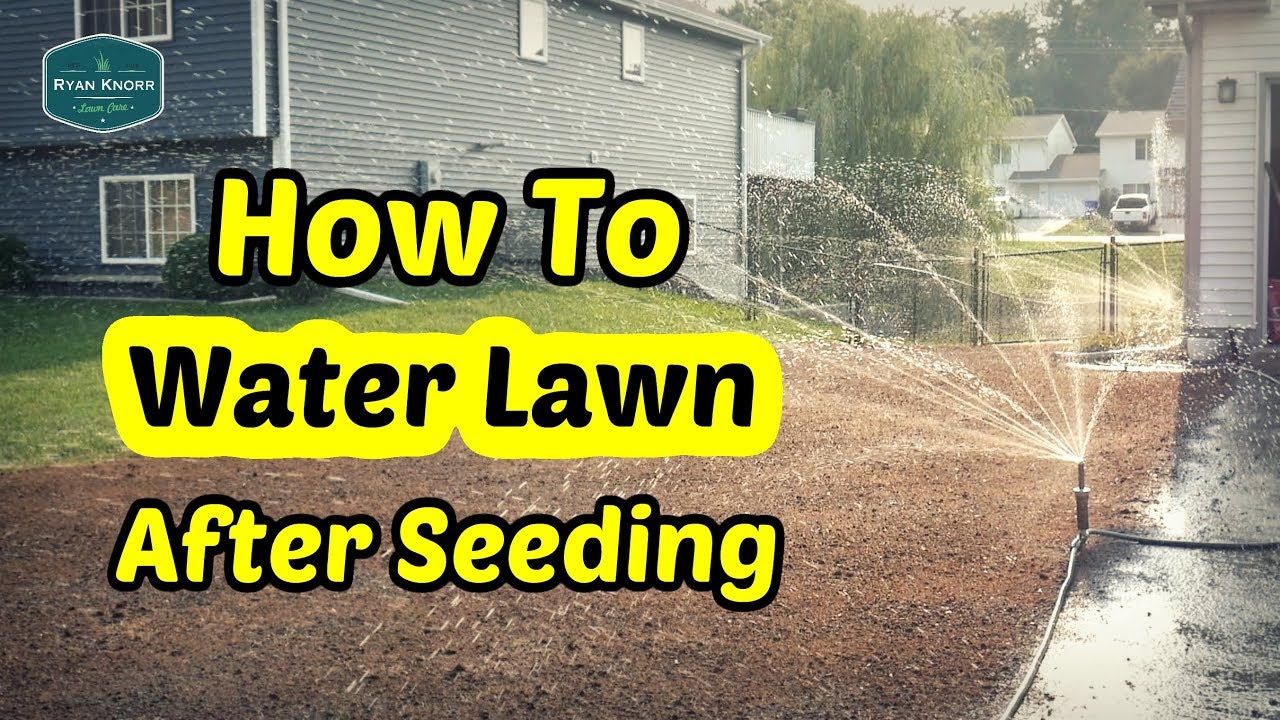
Image Source: i.ytimg.com
The Vital Role of Water for New Grass
When you seed a new lawn, you’re essentially nurturing tiny, vulnerable lives. These grass seeds need the right conditions to sprout and grow strong. Water is the most critical element in this process. Without it, the seeds will remain dormant or, worse, dry out and die before they even have a chance to sprout. Post-seeding irrigation isn’t just about quenching thirst; it’s about creating an environment where life can begin.
Why Frequent Watering is Key for Seed Germination
Seed germination watering is a delicate balancing act. The seeds need moisture to break through their protective shell and begin the growth process. However, they are equally susceptible to drying out. If the soil surface dries out, the emerging root and shoot will perish. This is why a frequency of watering new lawn that maintains consistent moisture is essential. Unlike established lawns that can tolerate deeper, less frequent watering, new seeds require a shallow, consistent supply of moisture near the surface.
Factors Influencing Watering Frequency
Several environmental factors will dictate how often you need to water your new lawn. These aren’t set in stone, and you’ll need to adapt your watering newly seeded areas based on real-time conditions.
- Temperature: Hotter temperatures lead to faster evaporation. On warm days, you may need to water more frequently.
- Wind: Wind also increases the rate of evaporation, drying out the soil surface more quickly.
- Sunlight: Direct sunlight, especially intense afternoon sun, can dry out the soil rapidly.
- Soil Type: Sandy soils drain faster than clay soils. You might need to water sandy areas more often.
- Grass Type: Different grass species have slightly different germination needs, but the principle of consistent moisture remains the same.
Establishing Your New Grass Watering Schedule
The goal for your new grass watering is to keep the top 1 to 2 inches of soil consistently moist, not waterlogged. Think of it as a gentle, continuous misting rather than a drenching.
The Germination Phase (First 1-2 Weeks)
This is the most crucial period. You will likely need to water multiple times a day.
- Morning: Water lightly after sunrise.
- Midday: If the sun is strong and the soil looks dry, water again.
- Late Afternoon/Early Evening: Water before dusk to ensure moisture is available overnight, but avoid leaving the grass wet for extended periods overnight, which can encourage fungal diseases.
How much water for new seed during this phase? The aim is not to soak the soil deeply, but to keep the surface perpetually damp. A light sprinkle that moistens the top layer is ideal.
The Sprouting and Early Growth Phase (Weeks 2-4)
As the grass starts to sprout, you can gradually reduce the frequency of watering but increase the duration slightly. The goal is still to keep the soil moist, but you can start encouraging the roots to grow deeper.
- Frequency: You might be able to reduce watering to 2-3 times a day.
- Duration: Increase the watering time slightly with each session.
Continue to monitor the soil moisture. If the top inch feels dry, it’s time to water. This is part of your new lawn watering schedule adjustment.
Establishing Roots (Weeks 4-6 and beyond)
Once the grass is visibly growing and appears established, you can begin to transition to a more typical lawn watering schedule. This means watering less frequently but more deeply.
- Frequency: Aim for every other day, or even twice a week, depending on the weather.
- Duration: Water for longer periods (e.g., 15-20 minutes per zone) to encourage roots to grow deeper into the soil in search of moisture.
The goal now is to water deeply to promote a strong root system. This will make your lawn more drought-tolerant and resilient.
Best Time to Water New Grass
Timing is as important as frequency.
- Early Morning: This is generally the best time to water new grass. The cooler temperatures mean less evaporation, and the water has ample time to soak into the soil before the heat of the day. It also allows the grass blades to dry off during the day, reducing the risk of fungal diseases.
- Late Afternoon: If you must water a second time, late afternoon is acceptable. However, avoid watering too late into the evening, as this can leave the grass blades wet overnight, creating an ideal environment for fungal growth.
- Midday: While it might seem counterintuitive, watering during the hottest part of the day can be beneficial if the soil is drying out rapidly. However, be aware that more water will be lost to evaporation.
How Much Water For New Seed?
This is a common question, and the answer is nuanced. It’s less about a specific volume and more about maintaining a consistent moisture level.
- Germination Phase: Think in terms of “moist surface.” You want the top quarter-inch to half-inch of soil to feel damp to the touch. This might mean a very light sprinkle for 5-10 minutes, repeated several times a day.
- Sprouting Phase: As roots begin to emerge, you can slightly increase the duration of each watering to encourage deeper root growth, but still aim for consistently moist soil.
Best Watering Method for New Lawn
The best watering method for new lawn is one that delivers water gently and evenly, without dislodging the newly sown seeds.
- Sprinklers:
- Oscillating Sprinklers: These are often a good choice for newly seeded areas. They sweep back and forth, covering a rectangular area and applying water gently. Adjust the spray pattern so it doesn’t blast the seeds out of the ground.
- Impact Sprinklers: Use these with caution. If the water pressure is too high, they can easily wash away seeds. Consider using them on a gentler setting or placed further away.
- Soaker Hoses: These are excellent for watering newly seeded areas, especially in smaller or irregularly shaped spaces. They release water slowly and directly onto the soil surface, minimizing seed displacement and evaporation.
- Hand Watering: For very small areas or touch-ups, a watering can with a fine rose can be effective. This allows for precise application of water.
Whatever method you choose, the key is consistent, gentle application. You want to moisten the soil, not create puddles or streams that can wash away your hard work.
Maintaining Moisture for New Seed: Practical Tips
Maintaining moisture for new seed requires vigilance and observation. Here are some practical tips to ensure your new lawn thrives:
- Check the Soil: Don’t rely solely on a schedule. Stick your finger into the soil. If it feels dry at a depth of about an inch, it’s time to water.
- Protect from Heavy Rain: If a heavy downpour is expected, you might be able to skip a watering session. However, be mindful that heavy rain can also wash away seeds, especially on slopes. If you see washing, you may need to gently reseed those areas.
- Consider Mulch: A thin layer of straw or a peat moss mulch can help retain soil moisture and protect seeds from drying out and birds. Ensure the mulch is light enough not to smother the emerging seedlings.
- Avoid Foot Traffic: Keep off the newly seeded areas as much as possible. Foot traffic can compact the soil and damage delicate seedlings.
- Adjust for Shade: Shady areas will dry out more slowly than sunny areas. You may need to water less frequently in shaded spots.
Troubleshooting Common New Lawn Watering Issues
Even with the best intentions, you might encounter challenges.
Issue: Seeds are washing away.
- Cause: Watering too forcefully or too much at once.
- Solution: Use a gentler watering method. Reduce the water pressure or duration of each watering session. Consider soaker hoses or oscillating sprinklers with a fine spray. If you have slopes, consider using erosion control blankets.
Issue: The soil is drying out too quickly.
- Cause: High temperatures, wind, sandy soil, or insufficient watering frequency.
- Solution: Increase the frequency of watering. Consider using a mulch to retain moisture. Check your sprinkler coverage to ensure there are no dry spots.
Issue: Grass is growing unevenly.
- Cause: Inconsistent watering or poor seed distribution.
- Solution: Adjust your watering to ensure all areas receive adequate moisture. Review your seeding technique for future projects.
Issue: Fungal diseases are appearing (e.g., brown patches).
- Cause: Overwatering, especially late in the day, leading to prolonged leaf wetness.
- Solution: Reduce watering frequency, ensuring the grass blades dry off during the day. Water in the early morning. Improve air circulation if possible.
How Often To Water Lawn After Seeding: A Summary Table
| Phase | Frequency | Duration | Goal | Best Time(s) |
|---|---|---|---|---|
| Germination (0-2 wks) | Multiple times daily (2-4+) | Light sprinklings (5-10 min each) | Keep top 1/2″ soil consistently moist | Early morning, midday, late afternoon |
| Sprouting (2-4 wks) | 2-3 times daily | Slightly longer sprinklings | Keep top 1″ soil consistently moist | Early morning, late afternoon |
| Establishment (4+ wks) | Every other day to twice weekly | Longer, deeper watering (15-20 min per zone) | Encourage deep root growth, reduce watering | Early morning |
Frequently Asked Questions (FAQ)
Q1: Can I water my new lawn with a hose without a sprinkler?
A1: Yes, you can use a hose with a gentle spray nozzle or a watering can, especially for small areas. The key is to apply water gently and evenly, ensuring the soil is moistened without washing away the seeds.
Q2: What if it rains after I seed?
A2: Light rain is beneficial and can help settle the seeds and provide moisture. If you have heavy rain, it might wash away seeds, especially on slopes. You may need to reseed any washed-out areas. Continue to monitor soil moisture after the rain.
Q3: How do I know if I’m watering too much?
A3: Signs of overwatering include puddles on the soil surface that don’t drain, a mushy texture, and a higher risk of fungal diseases. The soil should be moist but not saturated.
Q4: How do I know if I’m not watering enough?
A4: The soil surface will look and feel dry. The grass seedlings might appear wilted or a pale green color. If the soil feels dry to the touch an inch down, it’s time to water.
Q5: When can I stop watering so frequently?
A5: You can gradually reduce watering frequency once the grass seedlings are well-established, typically when they are about 2-3 inches tall and have a visible root system. Transition to deeper, less frequent watering to encourage strong root development.
Q6: Is it okay to water a new lawn in the evening?
A6: It’s generally best to avoid watering late in the evening. Leaving the grass blades wet overnight can promote fungal diseases. If you must water in the evening, ensure it’s early enough for the grass to dry before nightfall.
Watering a new lawn is a commitment, but by following these guidelines, you’ll be well on your way to a lush, healthy turf. Remember to observe your lawn and adjust your new grass watering based on its specific needs and the prevailing weather conditions.