
Do you need to reseed your lawn? Yes, you should reseed your lawn when it becomes thin, patchy, or shows signs of stress. The best time to reseed grass depends on your grass type, but generally, early fall or early spring is ideal.
A healthy, green lawn is the envy of the neighborhood. But what happens when your turf starts to look a little… tired? Thin patches, bare spots, and a general lack of vigor can be disheartening. This is where reseeding comes in. But how often should you be doing it? The answer isn’t a one-size-fits-all number; it depends on your lawn’s condition, your grass type, and your local climate. This comprehensive guide will walk you through everything you need to know about reseeding your lawn to achieve that lush, vibrant yard you’ve always wanted.
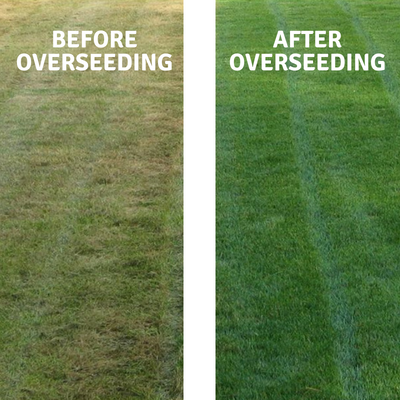
Image Source: www.turfunlimited.com
Deciphering Your Lawn’s Needs: When to Reseed Lawn
Your lawn is a living thing, and it communicates its needs. Recognizing the signs that indicate it’s time to reseed is the first step to a healthier turf.
Visible Signs of Lawn Decline
Several visual cues signal that reseeding is necessary:
- Thinning Grass: If you can easily see the soil through your grass, especially in high-traffic areas, it’s a clear indicator of thinning. This often happens due to stress from heat, drought, or heavy use.
- Bare Patches: These are areas where grass has completely died off. They can be caused by grub infestations, fungal diseases, pet urine, or physical damage.
- Weed Dominance: When weeds begin to outcompete your grass, it’s a sign that your lawn is no longer dense enough to suppress them.
- Yellowing or Discolored Grass: While sometimes a sign of nutrient deficiency or disease, persistent yellowing or browning that doesn’t improve with watering or fertilization can also mean the grass plants are struggling and need replacement.
- Moss Growth: Moss often thrives in compacted soil and shaded areas where grass struggles to grow. Its presence can indicate poor soil conditions that need improvement, often through reseeding.
Factors Influencing Reseeding Frequency
The lawn overseeding frequency can vary greatly. Here’s what influences how often you might need to reseed:
- Grass Type: Cool-season grasses (like Kentucky bluegrass, perennial ryegrass, and fescues) tend to thin out in the summer heat and may benefit from annual overseeding. Warm-season grasses (like Bermuda, zoysia, and St. Augustine) are more resilient to heat but can still thin due to winter damage or pests.
- Climate: Regions with harsh winters, extreme heat, or prolonged droughts will see their lawns stressed more, potentially requiring more frequent reseeding.
- Lawn Age and Health: Older, established lawns might be more susceptible to diseases and pests, leading to thinning. Newly seeded lawns may require a “touch-up” reseeding after the first year.
- Lawn Usage: Lawns subjected to heavy foot traffic, pets, or sports activities will naturally wear down faster and may need reseeding more often.
- Soil Condition: Poor soil quality, compaction, and inadequate drainage can hinder grass growth, making reseeding a more regular necessity.
Mastering the Timing: Best Time to Reseed Grass
Choosing the right time to reseed is crucial for seed germination and establishment. Reseeding at the wrong time can lead to wasted effort and poor results.
The Ideal Seasons for Reseeding
The best time to reseed grass is when the weather is mild, and there’s adequate moisture, allowing new seedlings to establish without the stress of extreme temperatures.
- Early Fall (Late August to October): This is often considered the absolute best time to reseed cool-season grasses.
- Benefits: Soil temperatures are still warm enough for germination, but air temperatures are cooling down. This allows seedlings to establish strong root systems before winter. Fall also brings natural rainfall, reducing the need for constant watering. Weed competition is also lower in the fall.
- Early Spring (March to May): This is the second-best window for cool-season grasses.
- Benefits: Warming soil temperatures promote germination. However, you must be vigilant about watering, as spring can be unpredictable with dry spells. The main challenge is that young seedlings will face the stress of summer heat before their root systems are fully developed.
Reseeding Warm-Season Grasses
Warm-season grasses have different timing needs:
- Late Spring to Early Summer (May to July): This is the prime time to reseed warm-season grasses.
- Benefits: These grasses thrive in heat. Reseeding when temperatures are consistently warm and rising will encourage quick germination and establishment. Consistent watering is essential during this period to prevent seedlings from drying out.
Why Timing Matters
- Germination Rates: Seeds need specific temperature ranges to germinate.
- Root Development: Allowing seedlings to establish roots before extreme weather (hot summers or freezing winters) is critical for survival.
- Weed Competition: Reseeding when weed pressure is low gives your new grass a better chance to establish.
- Moisture Availability: Natural rainfall patterns can significantly aid seed establishment.
Creating Your Plan: The Overseeding Schedule
An overseeding schedule isn’t just about when you pick up the seed; it’s about a consistent approach to lawn health. While annual reseeding might be beneficial for some lawns, others may only need it every 2-3 years.
Annual Lawn Seeding: When is it Justified?
Annual lawn seeding can be a proactive strategy for:
- Maintaining Dense Turf: Especially for cool-season grasses in warmer climates or high-traffic areas.
- Improving Disease Resistance: By introducing newer, more resilient grass varieties.
- Recovering from Winter Damage: Some winters can be particularly harsh, thinning out lawns significantly.
Developing Your Lawn Maintenance Calendar
Think of reseeding as part of your overall lawn maintenance calendar. Here’s how it fits in:
- Spring: Aeration (if needed), fertilization, weed control. Consider overseeding if you had significant winter kill.
- Summer: Regular watering, mowing, and pest/disease monitoring. Avoid heavy traffic.
- Early Fall: Aeration (highly recommended before overseeding), dethatching (if necessary), soil testing, lime or fertilizer application (based on soil test), overseeding.
- Late Fall: Final fertilization (dormant feeding for cool-season grasses).
Overseeding Schedule Example (Cool-Season Grass)
| Time of Year | Activity | Notes |
|---|---|---|
| Late August/Sept. | Aerate lawn, apply starter fertilizer | Essential for seed-to-soil contact and initial nutrient boost. |
| Early September | Overseed lawn | Choose appropriate seed mix for your region and lawn needs. |
| September/October | Water consistently, mow carefully | Keep seed bed moist. Mow only when grass is tall enough. |
| Late October/Nov. | Apply dormant fertilizer | Helps establish roots over winter. |
| Next Spring | Observe growth, fertilize, manage weeds | New grass may still be establishing; be gentle. |
| Following Fall | Assess lawn health, consider overseeding again | If lawn is dense, you might skip overseeding next year. |
Reseeding a Patchy Lawn: A Step-by-Step Approach
Reseeding a patchy lawn is a common task for homeowners. It requires a bit more than just scattering seeds.
Step 1: Assess the Patchiness
Before you start, figure out why the lawn is patchy.
- Grubs or Insects: Look for C-shaped white grubs in the soil.
- Fungal Diseases: Observe discolored rings or spots.
- Dog Urine: These spots are usually circular and have a distinct ring of darker, greener grass around them.
- Compacted Soil: Difficulty penetrating the soil with a screwdriver indicates compaction.
- Poor Sunlight: Shady areas might struggle to grow certain grass types.
Addressing the underlying cause is as important as reseeding.
Step 2: Prepare the Area
Proper preparation ensures good seed-to-soil contact.
- Remove Debris: Clear away any dead grass, thatch, rocks, or weeds from the patchy areas.
- Loosen the Soil: Use a rake or a garden fork to lightly scratch and loosen the top inch of soil. This creates a better environment for seeds to germinate and anchor. For larger areas or severe compaction, consider renting a power tiller or core aerator.
- Rake Smooth: Create a relatively level surface, free of large clumps of soil.
Step 3: Select the Right Seed
Choosing the correct grass seed is vital for success.
- Match Existing Grass: If possible, use a seed blend that matches your current lawn type for a uniform appearance.
- Consider Your Climate: Choose varieties suited to your region’s temperature and rainfall.
- Look for High-Quality Seed: Opt for seed mixes that are 99% pure and free of weed seeds. Many high-quality lawn seed bags also include a starter fertilizer coating to help with germination.
Step 4: Apply the Seed
- Use a Spreader: A broadcast or drop spreader ensures even distribution. Follow the manufacturer’s recommended seeding rate for your grass type.
- For Small Patches: You can simply sprinkle the seed by hand, ensuring you cover the area adequately.
Step 5: Ensure Seed-to-Soil Contact
- Light Raking: Gently rake the seed into the loosened soil. You don’t want to bury it too deeply – about 1/8 to 1/4 inch is ideal.
- Walk Over It: Lightly walking over the seeded area or using a roller can press the seed into the soil, improving contact.
Step 6: Water Consistently
This is perhaps the most critical step for newly seeded areas.
- Keep Seed Bed Moist: Water gently but frequently. The soil should remain consistently moist, but not waterlogged.
- Light Sprays: Avoid heavy watering, which can wash seeds away. Use a fine mist.
- Watering Frequency: This might mean watering 1-2 times a day, depending on the weather.
Step 7: Protect the New Seedlings
- Avoid Traffic: Keep foot traffic, pets, and lawnmowers off the newly seeded areas until the grass is well-established (at least 3-4 inches tall).
- Mow Carefully: When you do mow, use a higher setting and ensure your mower blades are sharp.
Lawn Renovation Timeline: A Broader Perspective
Sometimes, a lawn needs more than just patching. A lawn renovation timeline addresses more extensive issues. This might involve reseeding the entire lawn or a significant portion of it.
When is Full Renovation Needed?
- Widespread Weed Infestation: When weeds have taken over more than 50% of the lawn.
- Severe Disease or Pest Damage: If a disease or pest infestation has killed off large sections of your lawn.
- Dominance of Undesirable Grasses: If your lawn is primarily made up of crabgrass or other unwanted grass species.
- Poor Species Composition: If your current grass type is not well-suited to your climate or soil conditions.
Steps in a Lawn Renovation
A lawn renovation timeline often involves several key stages:
- Preparation (Late Summer/Early Fall):
- Kill Existing Vegetation: For severe cases, you might need to use a non-selective herbicide to kill off the old lawn. Wait a few days after application.
- Debris Removal: Rake and remove all dead grass and debris.
- Aeration & Dethatching: If thatch is thick (over ½ inch) or soil is compacted, aerate and/or dethatch. This is crucial for allowing new seed to reach the soil and for improving soil health.
- Seeding (Early Fall):
- Soil Amendment: Based on a soil test, add compost or other organic matter.
- Apply Seed: Use a spreader for even application of your chosen seed mix.
- Rake & Roll: Ensure good seed-to-soil contact.
- Establishment (Fall/Early Spring):
- Consistent Watering: Maintain moist soil conditions.
- Gentle Mowing: Mow at a higher setting once the grass reaches 3-4 inches.
- Weed Control: Spot-treat weeds as needed, avoiding broad-spectrum herbicides until the new grass is well-established.
- Ongoing Care (Spring/Summer):
- Fertilization: Apply a balanced fertilizer tailored to the new grass’s needs.
- Watering: Water deeply and less frequently once established.
- Mowing: Continue to mow at the appropriate height.
The Benefits of Overseeding Lawn
Benefits of overseeding lawn extend beyond just filling in bare spots. It’s a proactive approach to building a healthier, more resilient lawn.
Key Advantages of Overseeding
- Increased Density: A thicker lawn crowds out weeds and is more resistant to disease and pests.
- Improved Color and Appearance: New, vigorous grass blades create a more uniform and attractive look.
- Enhanced Durability: Overseeding can introduce newer grass varieties that are more tolerant to drought, heat, traffic, and disease.
- Better Root Systems: Introducing new grass seeds can help fill in sparse areas and develop a more robust overall root structure, improving water and nutrient uptake.
- Reduced Soil Erosion: A dense turf cover helps prevent soil from washing away, especially on slopes.
- Cost-Effective: Compared to completely re-sodding or starting a new lawn from scratch, overseeding is a more budget-friendly option for lawn improvement.
When Overseeding is Better Than Resodding
- Cost: Overseeding is significantly cheaper than sodding.
- Effort: It requires less labor and disruption to your yard.
- Integration: New seed can integrate with existing turf, creating a more natural blend. Sod is a wholesale replacement.
- Soil Improvement: Overseeding allows you to improve soil conditions and introduce better grass varieties over time.
Frequency of Lawn Repair: A Long-Term View
Frequency of lawn repair is directly tied to how well you maintain your lawn. Consistent, proactive care can reduce the need for major repairs.
Preventative Measures
- Proper Mowing: Mow at the correct height for your grass type and keep blades sharp. Avoid cutting more than one-third of the grass blade at a time.
- Adequate Watering: Water deeply and less frequently to encourage deep root growth.
- Regular Fertilization: Feed your lawn with the right nutrients at the right times.
- Aeration: Combat soil compaction at least once a year, especially for high-traffic areas.
- Dethatching: Remove excess thatch buildup, which can harbor pests and diseases.
- Weed Control: Address weeds early before they can spread and thin out your lawn.
Addressing Problems Promptly
Don’t wait for small issues to become big problems.
- Treat Diseases and Pests: Identify and treat any signs of fungal diseases or insect infestations as soon as you notice them.
- Repair High-Traffic Areas: Patch or overseed areas that show wear and tear from heavy use.
By integrating overseeding into a regular lawn maintenance calendar and addressing problems promptly, you can significantly reduce the overall frequency of lawn repair and enjoy a consistently beautiful lawn.
Frequently Asked Questions (FAQ)
Q1: How much seed do I need for overseeding?
A1: The amount of seed depends on your lawn size and the type of grass. A good rule of thumb is to use about 50-75% of the recommended seeding rate for a new lawn when overseeding. Always check the seed bag for specific coverage rates and consult local resources for your grass type.
Q2: Can I fertilize and overseed at the same time?
A2: Yes, it’s often beneficial. Apply a starter fertilizer specifically designed for new grass before or at the time of overseeding. This provides the essential nutrients for germination and early growth. Ensure the fertilizer doesn’t have weed preventers, as these will inhibit seed germination.
Q3: How long until I can mow the newly seeded area?
A3: Wait until the new grass reaches about 3-4 inches in height. When you do mow, use a higher mower setting than usual and ensure your mower blades are sharp. Avoid cutting more than one-third of the grass blade height at any one time.
Q4: My new seeds aren’t sprouting, what’s wrong?
A4: Several factors could be at play:
* Incorrect Timing: Reseeding outside of the optimal window can hinder germination.
* Poor Seed-to-Soil Contact: Seeds may not have been raked into the soil properly.
* Inadequate Watering: The seedbed needs to stay consistently moist.
* Too Much Shade: Some grass types require full sun.
* Extreme Temperatures: Very hot or very cold weather can prevent germination.
* Herbicides: Accidental application of weed preventers can kill seeds.
Q5: Can I overseed in the summer?
A5: It’s generally not recommended for cool-season grasses due to the high risk of heat stress and drought. Warm-season grasses can be overseeded in early summer when temperatures are consistently warm. For cool-season lawns, it’s best to wait for the cooler temperatures of fall or spring.
Q6: How often should I aerate my lawn?
A6: Aeration is beneficial at least once a year, especially for lawns with heavy traffic or compacted soil. The best time to aerate is often before overseeding in the fall, as it improves seed-to-soil contact and eases the passage of air, water, and nutrients to the root zone.
By following this guide, you’ll be well-equipped to determine how often to reseed your lawn, choose the best times, and implement the right techniques to achieve a consistently lush and healthy yard. Happy mowing!