
When should you fertilize your lawn? Generally, you should fertilize your lawn 3-5 times per year, typically in spring, summer, and fall, with the exact timing depending on your grass type and local climate. This guide will walk you through creating a successful lawn fertilization schedule for a vibrant and healthy green space.
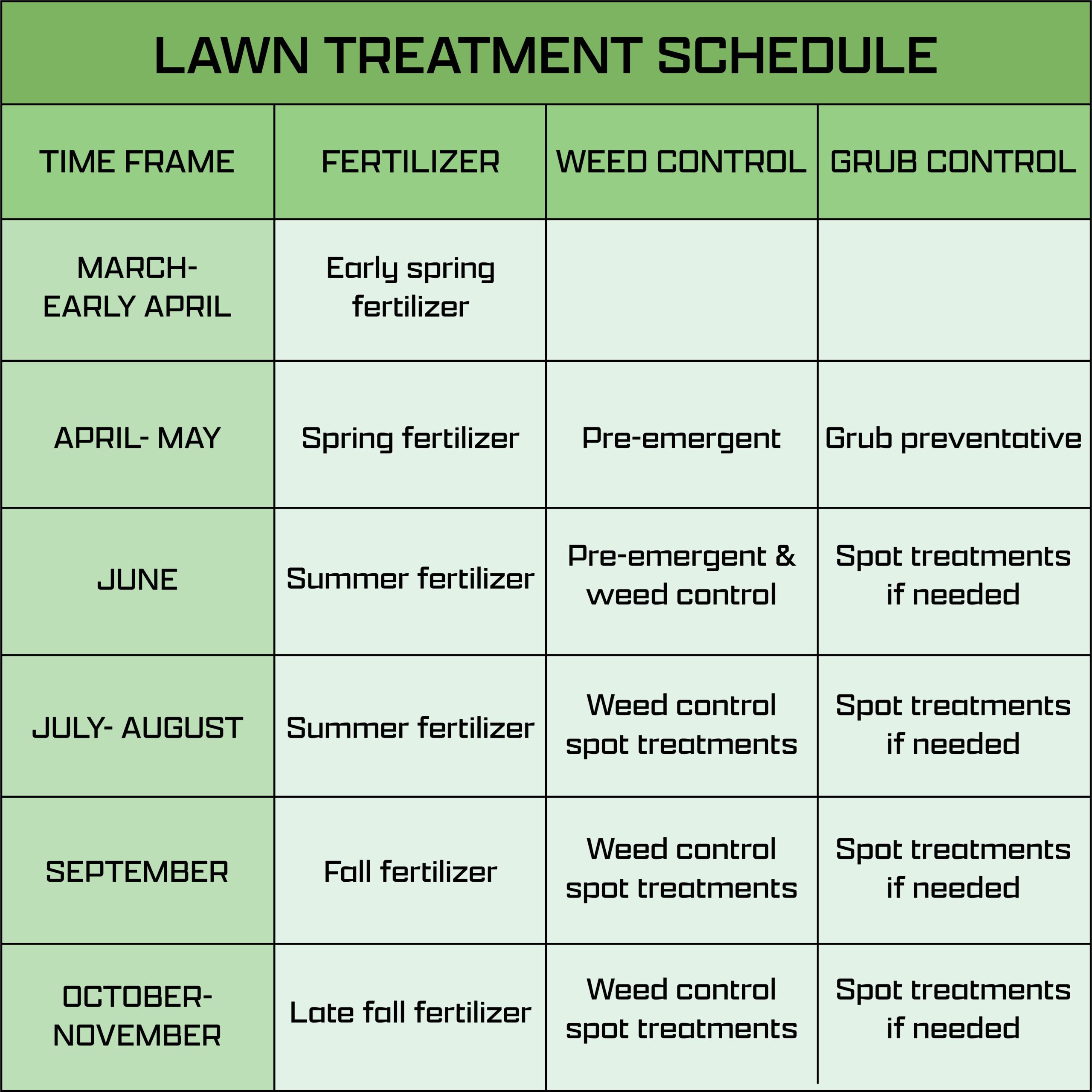
Image Source: stewartslawn.com
Deciphering Your Lawn’s Nutritional Needs
A healthy lawn isn’t just about good looks; it’s a complex ecosystem that requires essential nutrients to thrive. Fertilizing provides these vital elements that may be lacking in your soil, ensuring your grass grows strong, dense, and resilient against pests, diseases, and environmental stresses.
The Big Three: Nitrogen, Phosphorus, and Potassium
Lawns, like all plants, need macronutrients to flourish. The most critical are nitrogen, phosphorus, and potassium, often listed as N-P-K on fertilizer bags.
-
Nitrogen for Lawns (N): This is the workhorse nutrient for green growth and leaf development. Nitrogen promotes chlorophyll production, making your lawn a vibrant green. It also stimulates leaf and stem growth, leading to a thicker turf. Too little nitrogen results in a pale, yellowish appearance, while too much can burn the grass or lead to excessive, weak growth susceptible to disease.
-
Phosphorus for Grass (P): Phosphorus is essential for root development and seedling establishment. It plays a crucial role in energy transfer within the plant. While important for new lawns and during overseeding, established lawns often have sufficient phosphorus in the soil. Over-application can lead to algae blooms in waterways.
-
Potassium in Soil (K): Potassium contributes to overall plant health, strengthening the grass against stress, including drought, heat, and cold. It also aids in disease resistance and helps the plant utilize water more efficiently. A deficiency in potassium can make your lawn more vulnerable to damage.
Micronutrients: The Supporting Cast
Beyond the big three, lawns also require micronutrients, though in much smaller amounts. These include iron, manganese, zinc, and others. While often present in the soil, deficiencies can occur and manifest as yellowing or stunted growth. Some fertilizers include micronutrients to ensure a complete nutritional profile.
Building Your Lawn Fertilization Schedule
A well-timed fertilization schedule is key to maximizing your lawn’s health and appearance. The best time to fertilize grass depends heavily on the type of grass you have: cool-season or warm-season.
Cool-Season Grasses: The Spring and Fall Powerhouses
Cool-season grasses, such as fescue, bluegrass, and ryegrass, are most active during the cooler months of spring and fall.
-
Early Spring Fertilization: This is often the first application of the year, usually done after the grass has greened up but before the intense heat of summer arrives. This application helps the grass recover from winter dormancy and promotes early growth. A slow-release nitrogen fertilizer is ideal here.
-
Late Spring/Early Summer Fertilization (Optional): If your lawn shows signs of stress or slow growth, a light application in late spring can be beneficial, but be cautious with nitrogen during this period.
-
Fall Fertilization: This is arguably the most important feeding for cool-season lawns. Fertilizing in the fall (late August through October) helps the grass recover from summer stress, rebuild its root system, and store energy for the winter. It also promotes a strong start in the spring.
-
Late Fall Fertilization (Dormant Feeding): For some, a final application of fertilizer just before the ground freezes can be very beneficial, providing a nutrient boost as the grass enters dormancy and a head start for early spring growth.
Warm-Season Grasses: The Summer Bloomers
Warm-season grasses, such as Bermuda, Zoysia, and St. Augustine, thrive in the heat of summer.
-
Late Spring/Early Summer Fertilization: This is when warm-season grasses break dormancy and begin their active growing period. Fertilizing as they green up provides the nutrients needed for vigorous growth.
-
Mid-Summer Fertilization: A second application in mid-summer can help maintain consistent growth and color during the hottest months.
-
Late Summer/Early Fall Fertilization: A final feeding in late summer or early fall helps the grass prepare for cooler weather and potential dormancy.
Fertilizing Frequency: Finding the Right Balance
The fertilizing frequency for your lawn will depend on several factors:
- Grass Type: As outlined above, cool-season and warm-season grasses have different peak growing periods and thus different fertilization needs.
- Soil Test Results: A soil test is the most accurate way to determine your lawn’s specific nutrient deficiencies.
- Fertilizer Type: Slow-release fertilizers can often be applied less frequently than quick-release formulas.
- Desired Lawn Appearance: If you aim for a very lush, dark green lawn, you might fertilize more often, provided your grass type can handle it.
General Guideline for Fertilizing Frequency:
- Cool-Season Grasses: 3-4 times per year.
- Warm-Season Grasses: 3-4 times per year.
It’s crucial to avoid over-fertilizing, which can harm your lawn and the environment. Always follow the application rates recommended on the fertilizer packaging.
Choosing the Right Fertilizer
The fertilizer aisle can be overwhelming. Here’s a breakdown to help you make informed decisions.
Understanding Fertilizer Labels (N-P-K Ratio)
The numbers on a fertilizer bag represent the percentage by weight of nitrogen (N), phosphorus (P), and potassium (K) in the product. For example, a 20-5-10 fertilizer contains 20% nitrogen, 5% phosphorus, and 10% potassium.
- High Nitrogen Fertilizers: Often used for promoting green growth, especially in spring.
- Balanced Fertilizers: Offer a good mix of N-P-K for general lawn health.
- Low or No Phosphorus Fertilizers: Preferred for established lawns where phosphorus is not needed, to protect waterways.
Slow-Release vs. Quick-Release Nitrogen
- Quick-Release Nitrogen: Provides an immediate boost of green color but can burn the lawn if applied too heavily or during hot weather. Its effects are short-lived.
- Slow-Release Nitrogen: Releases nutrients gradually over a longer period. This provides consistent feeding, reduces the risk of burning, and is generally better for the long-term health of your lawn. Look for fertilizers with coated nitrogen or organic nitrogen sources.
Organic Lawn Fertilization: A Natural Approach
Organic lawn fertilization uses natural materials to provide nutrients to your lawn, improving soil health over time.
Benefits of Organic Fertilizers:
- Improved Soil Structure: Organic matter enriches the soil, enhancing its ability to hold moisture and nutrients.
- Slow and Steady Nutrient Release: Reduces the risk of nutrient leaching and burning.
- Supports Beneficial Soil Microorganisms: Creates a healthier, more robust lawn ecosystem.
- Environmentally Friendly: Less risk of water pollution.
Common Organic Fertilizers:
- Compost
- Manure
- Bone Meal
- Blood Meal
- Alfalfa Meal
- Kelp Meal
While organic fertilizers may not provide as rapid a green-up as synthetic options, they contribute to the long-term vitality of your lawn and soil. Many organic fertilizers are also excellent for overseeding lawn care, as they promote healthy soil conditions for seed germination.
Key Considerations for Successful Fertilization
Beyond the schedule and fertilizer type, several other factors contribute to a successful fertilization program.
Soil Testing: The Foundation of Your Plan
Before you even think about buying fertilizer, get a soil test. Your local cooperative extension office can usually perform this service. A soil test will tell you:
- pH Level: The ideal pH for most grasses is between 6.0 and 7.0. If your soil is too acidic or too alkaline, nutrient uptake will be hindered.
- Nutrient Levels: It will reveal deficiencies or excesses of essential nutrients like phosphorus, potassium, and even micronutrients.
Armed with this information, you can choose fertilizers that specifically address your lawn’s needs, avoiding unnecessary applications and potential imbalances.
Timing is Everything: Best Time to Fertilize Grass
As discussed, timing is crucial and directly tied to your grass type. However, here are some general rules:
- Avoid Fertilizing Dormant Grass: Don’t fertilize when the grass is brown and dormant, whether due to winter or summer drought.
- Avoid Fertilizing During Extreme Heat: High temperatures combined with fertilizer can stress and burn your lawn.
- Water In Fertilizer: Always water your lawn thoroughly after applying granular fertilizer. This helps it dissolve and move into the soil, preventing burning. Liquid fertilizers usually don’t require immediate watering.
- Mow Before Fertilizing: For granular fertilizers, it’s best to mow your lawn a day or two before fertilizing. This ensures the fertilizer granules fall between the grass blades and reach the soil, rather than sticking to the grass itself, which can cause burning.
Seasonal Lawn Care Tips
Integrating fertilization into your overall seasonal lawn care plan is essential.
Spring Lawn Care Tips
- De-thatch and Aerate: If your lawn has accumulated thatch (a layer of dead grass) or compacted soil, do this early in spring as the grass begins to grow. Aeration allows air, water, and nutrients to penetrate the soil and reach the roots.
- Weed Control: Address any emerging weeds. Pre-emergent herbicides can be applied in early spring before weed seeds germinate.
- First Fertilization: Apply a balanced or nitrogen-rich fertilizer once the grass has greened up.
Summer Lawn Care
- Water Wisely: Water deeply and infrequently to encourage deep root growth.
- Mow High: Set your mower to a higher setting to help shade the soil and retain moisture.
- Monitor for Pests and Diseases: Address any issues promptly.
- Fertilizing: For warm-season grasses, a mid-summer feeding might be necessary. For cool-season grasses, avoid heavy fertilization during peak heat.
Fall Lawn Care
- Overseeding Lawn Care: Fall is the ideal time to overseed cool-season lawns. The cooler temperatures, increased moisture, and reduced weed competition create perfect conditions for new grass seed to germinate and establish. Fertilizing before or during overseeding with a starter fertilizer (higher in phosphorus) can give new seedlings a boost.
- Final Fertilization: The fall feeding is crucial for rebuilding the grass’s reserves.
- Leaf Management: Rake or mulch fallen leaves to prevent them from smothering the grass.
Winter Lawn Care
- Winterization: If you live in a region with cold winters, a final dormant feeding in late fall can be very beneficial for cool-season grasses.
- Protect from Traffic: Avoid heavy foot traffic on frozen or snow-covered lawns.
Troubleshooting Common Fertilization Issues
Even with the best intentions, you might encounter problems.
Lawn Burn
This often happens when too much fertilizer is applied, or when granular fertilizer isn’t watered in properly. The affected areas will turn brown or yellow.
- Solution: If you catch it immediately, water the area heavily to wash the fertilizer into the soil. If it’s already burned, you may need to rake out the dead grass and reseed those spots once the weather is appropriate.
Yellowing Grass
Yellowing can be a sign of too little nitrogen, but also of other issues like poor drainage, overwatering, or disease.
- Solution: Confirm your fertilization schedule and ensure you’re applying the right type and amount of fertilizer. If the problem persists after fertilizing, investigate other potential causes.
Excessive Thatch
While not directly caused by fertilization, rapid growth from over-fertilization can contribute to thatch buildup.
- Solution: Aerate and de-thatch your lawn annually or as needed.
Frequently Asked Questions (FAQ)
Q1: How often should I fertilize my lawn?
A1: Generally, fertilize 3-5 times a year. Cool-season grasses benefit most from spring and fall applications, while warm-season grasses need feeding during their active summer growth.
Q2: Can I fertilize my lawn in the summer?
A2: It depends on your grass type and the weather. Warm-season grasses often benefit from summer feeding. For cool-season grasses, avoid fertilizing during extreme heat; if you must, use a slow-release fertilizer at a reduced rate.
Q3: What is the best fertilizer for my lawn?
A3: The best fertilizer depends on your soil test results and grass type. A balanced fertilizer or one with a higher nitrogen content is often used, but always check your soil’s needs. Consider slow-release options for sustained nutrition.
Q4: Is it okay to fertilize a new lawn?
A4: Yes, but use a starter fertilizer specifically designed for new lawns. These have a higher phosphorus content to promote root development. Wait until the grass has been mowed a couple of times before the first application.
Q5: What should I do if I accidentally over-fertilize?
A5: Water the lawn thoroughly immediately to dilute and wash the fertilizer into the soil. If the grass shows signs of burning (browning), you may need to rake out the dead grass and reseed affected areas.
Q6: How do I know if my lawn needs fertilizer?
A6: Signs of nutrient deficiency include slow growth, thinning grass, and a pale or yellowish color. A soil test is the most reliable way to determine nutrient levels.
By following this comprehensive guide, you can create a tailored lawn fertilization schedule that provides your grass with the essential nutrients it needs, leading to a beautiful, healthy, and lush landscape you can be proud of. Remember, consistency and observation are key to unlocking your lawn’s full potential.