
The price of one yard of mulch can range from $20 to $75 or more, depending on the type of mulch, whether it’s bagged or bulk, and your location. This guide will help you figure out the mulch price per cubic yard and the overall cost of mulch delivery, ensuring you make the best choice for your garden budget. We’ll cover everything from mulch calculation by the yard to finding the cheapest mulch prices and understanding the differences between bagged mulch vs bulk mulch price.
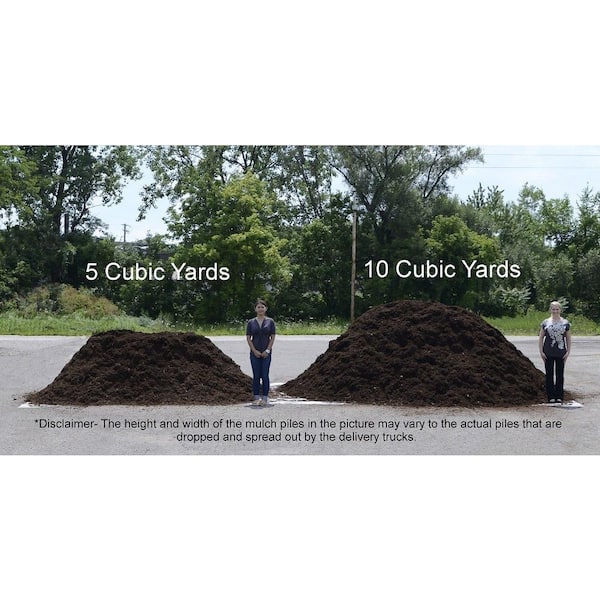
Image Source: images.thdstatic.com
Figuring Out Your Mulch Needs: Mulch Quantities and Pricing
Before you can determine the cost, you need to know how much mulch you actually need. This involves a simple calculation process.
How Many Cubic Feet in a Yard of Mulch?
A common point of confusion is the conversion between yards and cubic feet when it comes to mulch. A standard yard of mulch is a measure of volume. Here’s the key conversion:
- 1 cubic yard = 27 cubic feet
This means that when you see a price for mulch per cubic yard, you can roughly divide that amount by 27 to get an idea of the price per cubic foot. However, most landscaping professionals and suppliers work with cubic yards, so sticking to that measurement is usually best.
Calculating Mulch Needs for Your Garden Beds
To calculate how much mulch you need, you’ll primarily be measuring the area you want to cover and the desired depth of the mulch. Most landscaping professionals recommend a mulch depth of 2 to 4 inches for optimal weed suppression and moisture retention.
Here’s a step-by-step guide to mulch calculation by the yard:
-
Measure the Area:
- For rectangular or square beds: Multiply the length by the width. For example, a bed that is 10 feet long and 5 feet wide has an area of 50 square feet (10 ft x 5 ft).
- For circular beds: Measure the diameter of the circle. Then, calculate the radius by dividing the diameter by 2. The area of a circle is calculated using the formula: Area = π * radius². (Use π ≈ 3.14). For example, a circular bed with a 6-foot diameter has a radius of 3 feet. The area is approximately 3.14 * (3 ft)² = 28.26 square feet.
- For irregular shapes: Break down the area into smaller, more manageable geometric shapes (rectangles, squares, triangles, circles) and calculate the area of each. Then, add these areas together.
-
Determine the Desired Depth:
- Convert your desired depth from inches to feet. Divide the number of inches by 12. For example, 3 inches of mulch is 3/12 = 0.25 feet.
-
Calculate Cubic Feet:
- Multiply the total area (in square feet) by the desired depth (in feet).
- Example: For a 50 sq ft bed needing 3 inches (0.25 ft) of mulch: 50 sq ft * 0.25 ft = 12.5 cubic feet.
-
Convert Cubic Feet to Cubic Yards:
- Divide the total cubic feet by 27 (since 1 cubic yard = 27 cubic feet).
- Example: 12.5 cubic feet / 27 = 0.46 cubic yards.
Since you usually can’t buy fractions of a cubic yard, you’ll likely round up to the nearest whole or half yard. In this example, you’d likely need to purchase 0.5 cubic yards of mulch.
Pro Tip: It’s always a good idea to add a little extra (about 10%) to your calculation to account for settling and any areas you might have missed.
The Cost of Mulch: Price Ranges and Factors
The mulch price per cubic yard can vary significantly. Several factors influence the final cost.
Bagged Mulch vs Bulk Mulch Price
This is perhaps the biggest differentiator in mulch pricing.
Bagged Mulch
- Typical Price Range: $3 to $8 per bag.
- Volume per Bag: Most bags contain 2 to 3 cubic feet of mulch.
-
Cost per Cubic Yard (approximate):
- A 2 cubic foot bag at $4 would cost: ($4 / 2 cu ft) * 27 cu ft/cu yd = $54 per cubic yard.
- A 3 cubic foot bag at $6 would cost: ($6 / 3 cu ft) * 27 cu ft/cu yd = $54 per cubic yard.
- Generally, bagged mulch can cost anywhere from $40 to $80 per cubic yard, depending on the brand, type of mulch, and retailer.
-
Pros:
- Convenient for smaller projects.
- Easier to transport if you have a car or small truck.
- Often features finer textures and more uniform appearance.
- Can be easier to find specialty mulches.
- Cons:
- Significantly more expensive per cubic yard compared to bulk.
- Creates more waste (plastic bags).
- Labor-intensive to carry and spread many bags.
Bulk Mulch
- Typical Price Range: $20 to $50 per cubic yard, plus delivery fees.
- Volume per Cubic Yard: Exactly 27 cubic feet.
- Pros:
- Much more economical for larger areas.
- Less waste.
- Delivered directly to your home, saving you labor.
- Cons:
- Requires a larger vehicle (truck or trailer) to pick up yourself.
- Delivery fees can add to the overall cost.
- Mulch can sometimes be coarser or less uniform in appearance than bagged varieties.
- Requires more effort to spread from a large pile.
Types of Mulch and Their Impact on Price
The material the mulch is made from is a primary driver of its cost.
Wood Mulches
- Shredded Bark Mulch (Pine Bark, Fir Bark): Often considered a premium option due to its attractive appearance and slow decomposition.
- Price: Typically $30 – $60 per cubic yard for bulk. Bagged can be $5 – $8 per bag.
- Hardwood Mulch (Oak, Maple): A very popular and versatile choice. It’s durable, decomposes slowly, and comes in various shades.
- Price: Generally $25 – $50 per cubic yard for bulk. Bagged can be $4 – $7 per bag.
- Cypress Mulch: Known for its resistance to decay and insects. However, concerns about sustainable harvesting practices can affect availability and price.
- Price: Can be on the higher end, $35 – $65 per cubic yard for bulk.
- Cedar Mulch: Offers a pleasant aroma and good insect-repelling qualities.
- Price: Similar to cypress, often $35 – $60 per cubic yard for bulk.
- Black Walnut Hull Mulch: While rich in nutrients, this can be toxic to some plants and is less common.
- Price: Varies widely, often purchased for specific soil amendment purposes.
- Colored Mulch (Red, Brown, Black): These are typically wood mulches that have been dyed. The dyeing process adds to the cost.
- Price: Usually $5 – $10 more per cubic yard than natural wood mulches.
Other Mulch Types
- Compost Mulch: Excellent for soil improvement. It’s decomposed organic matter.
- Price: Can range from $20 – $40 per cubic yard for bulk. Higher quality compost can be more expensive.
- Rubber Mulch: Made from recycled tires. It’s durable, long-lasting, and doesn’t decompose. Often used in playgrounds.
- Price: Can be $50 – $100+ per cubic yard for bulk. Very expensive.
- Straw or Hay Mulch: Cost-effective for vegetable gardens and temporary erosion control.
- Price: Often sold by the bale, with bulk prices being very low. A bale might cost $5-$10 and cover a small area.
- Leaf Mulch: Free if you compost your own leaves. Otherwise, purchased leaf compost can be $20 – $35 per cubic yard.
- Cocoa Bean Hulls: An attractive, fragrant option that decomposes and adds nutrients. Can be more expensive.
- Price: $40 – $70 per cubic yard for bulk.
Wholesale Mulch Prices vs. Retail
If you’re a landscaper or have a very large project, you might consider sourcing wholesale mulch prices. These are typically lower per cubic yard but often require larger minimum orders.
- Wholesale Bulk Mulch: Prices can drop to $15 – $35 per cubic yard for common wood mulches, but this is usually for truckload quantities (e.g., 10+ cubic yards).
- Retail Bulk Mulch: This is what most homeowners will encounter, sold by the cubic yard at garden centers and landscaping supply companies.
The Cost of Mulch Delivery
For most homeowners, especially those buying bulk mulch, cost of mulch delivery is a significant factor.
-
Delivery Fees: These can vary widely based on distance from the supplier and the quantity ordered.
- Flat Fee: Many suppliers charge a flat delivery fee within a certain radius, often $50 – $150.
- Per-Mile Fee: Some may charge a fee per mile beyond a certain distance.
- Minimum Order: Some suppliers might waive delivery fees for very large orders (e.g., 5+ cubic yards).
-
Picking It Up Yourself: If you have a suitable truck or trailer, you can save on delivery fees. However, loading and unloading can be strenuous. Most landscape suppliers will load your truck for free.
Finding the Cheapest Mulch Prices
If budget is a primary concern, here are strategies for finding the cheapest mulch prices:
- Buy in Bulk: As established, bulk is almost always cheaper per cubic yard than bagged mulch.
- Choose Basic Wood Mulch: Opt for natural, undyed hardwood or pine bark mulch. Colored mulches or specialty mulches will cost more.
- Compare Local Suppliers: Get quotes from multiple landscaping supply yards, garden centers, and even municipalities that might offer composted yard waste.
- Consider Off-Season Purchasing: Sometimes, you can find deals on mulch at the end of the planting season (late fall) or the beginning of spring before demand spikes.
- Look for Municipality or Community Programs: Some local governments or waste management facilities offer free or very low-cost composted mulch to residents. This often requires you to pick it up yourself.
- DIY Composting: The ultimate cheapest mulch is free mulch made from your own yard waste like leaves and grass clippings (ensure they are disease-free).
Mulch Calculators and Tools
To make mulch calculation even easier, many online resources offer a mulch per cubic yard calculator. You typically input the dimensions of your garden beds (length, width, and desired depth), and the calculator will tell you how many cubic yards of mulch you need. This is incredibly helpful for avoiding over- or under-purchasing.
Bagged Mulch vs Bulk Mulch Price: A Comparison Table
To give you a clearer picture, let’s compare the approximate costs per cubic yard.
| Mulch Type | Bag Size (Typical) | Price Per Bag (Typical) | Approx. Cost Per Cubic Yard (Bagged) | Bulk Price Per Cubic Yard (Typical) | Notes |
|---|---|---|---|---|---|
| Hardwood Mulch | 2-3 cu ft | $4 – $7 | $54 – $80 | $25 – $50 | Common, good value. |
| Pine Bark Mulch | 2-3 cu ft | $5 – $8 | $67 – $96 | $30 – $60 | Attractive, aromatic, can be more expensive. |
| Colored Mulch | 2-3 cu ft | $5 – $9 | $67 – $108 | $30 – $55 | Dyed wood mulch, color can fade. |
| Compost Mulch | 1.5-2 cu ft | $5 – $7 | $67 – $126 | $20 – $40 | Excellent for soil health, decomposes faster. |
| Rubber Mulch | 0.75-1 cu ft | $7 – $12 | $243 – $432 | $50 – $100+ | Durable, won’t decompose, can have odor, costly. |
Note: These are general estimates. Actual prices will vary by region, retailer, and specific product.
Factors Affecting the Final Price of Your Mulch Purchase
Beyond the type and quantity, other elements influence what you’ll pay:
Location and Local Market
Prices can differ significantly from one state or region to another. Areas with higher costs of living or greater demand may see higher mulch prices. Local availability of raw materials also plays a role.
Time of Year
While prices might not fluctuate drastically, you might find slightly better deals in the shoulder seasons (early spring, late fall) when demand is lower. Peak summer or fall gardening seasons might see prices hold steady or even increase slightly.
Retailer Markup
Different retailers will have different markups. Big box stores, independent garden centers, and dedicated landscape supply yards will all have varying pricing structures. Landscape supply yards often offer the best bulk prices.
Specialty Mulches and Treatments
Some mulches come with added benefits or specific treatments, such as insect repellents or fertilizers incorporated into the mulch. These premium features will, of course, increase the price.
Frequently Asked Questions (FAQ)
How much mulch do I need for a 10×10 garden bed?
For a 10×10 garden bed (100 sq ft) requiring 3 inches (0.25 ft) of mulch:
Area = 10 ft * 10 ft = 100 sq ft
Cubic feet = 100 sq ft * 0.25 ft = 25 cubic feet
Cubic yards = 25 cubic feet / 27 = approximately 0.93 cubic yards. You would likely need to purchase 1 cubic yard.
Can I mix different types of mulch?
Yes, you can mix different types of mulch. For example, you might use a cheaper, bulk wood mulch as a base layer and top it with a more attractive shredded bark mulch for a premium look.
How long does mulch last?
The lifespan of mulch depends on the type and the weather conditions.
* Wood mulches: Typically last 1-3 years before needing to be topped up or replaced.
* Compost mulch: Decomposes faster, often needing replenishment every 6-12 months.
* Rubber mulch: Can last for many years (5-10+).
* Straw/Hay mulch: Needs to be replaced annually, especially in vegetable gardens.
When is the best time to mulch?
Spring and fall are generally the best times to mulch.
* Spring: Mulching after the soil has warmed up helps retain moisture, suppress weeds that are starting to grow, and regulate soil temperature.
* Fall: Mulching in the fall can help protect plant roots from winter cold, insulate the soil, and prevent soil erosion over winter.
Is it cheaper to buy mulch by the bag or by the yard?
It is almost always cheaper to buy mulch by the yard (in bulk) than by the bag, especially for larger projects. The price per cubic yard is significantly lower when purchased in bulk.
What does “cubic yard” mean for mulch?
A cubic yard is a unit of volume. One cubic yard of mulch is equivalent to 27 cubic feet. It represents a space that is 3 feet long, 3 feet wide, and 3 feet tall.
How thick should the mulch layer be?
A common recommendation for mulch depth is 2 to 4 inches. A 3-inch layer is often considered ideal for most garden beds, providing good weed suppression and moisture retention without suffocating plant roots. Always check the specific needs of your plants, as some may prefer thinner or thicker layers.
Where can I buy mulch in bulk?
You can typically buy mulch in bulk from:
* Local landscaping supply yards
* Garden centers (some offer bulk options)
* Nurseries
* Some large home improvement stores (though they may have limited bulk selection)
* Municipal compost facilities
How to calculate mulch needs for a circular bed?
To calculate mulch for a circular bed:
1. Measure the diameter of the bed.
2. Calculate the radius (radius = diameter / 2).
3. Calculate the area: Area = π * radius² (use π ≈ 3.14).
4. Convert your desired mulch depth from inches to feet (divide by 12).
5. Multiply the area by the depth in feet to get cubic feet.
6. Divide cubic feet by 27 to get cubic yards.
What are the cheapest mulch prices typically for?
The cheapest mulch prices are usually for basic, natural wood mulches like shredded hardwood or pine bark, especially when purchased in bulk from a landscape supply yard. Uncolored, undyed varieties are almost always less expensive.
By following these guidelines and using our mulch calculation by the yard methods, you can confidently determine your needs and find the best prices for your landscaping projects. Happy mulching!