
Redoing your yard can cost anywhere from a few hundred dollars for a simple refresh to tens of thousands for a complete outdoor living space transformation. The final price tag depends heavily on the scope of your project, the materials you choose, and whether you tackle it yourself or hire professionals.
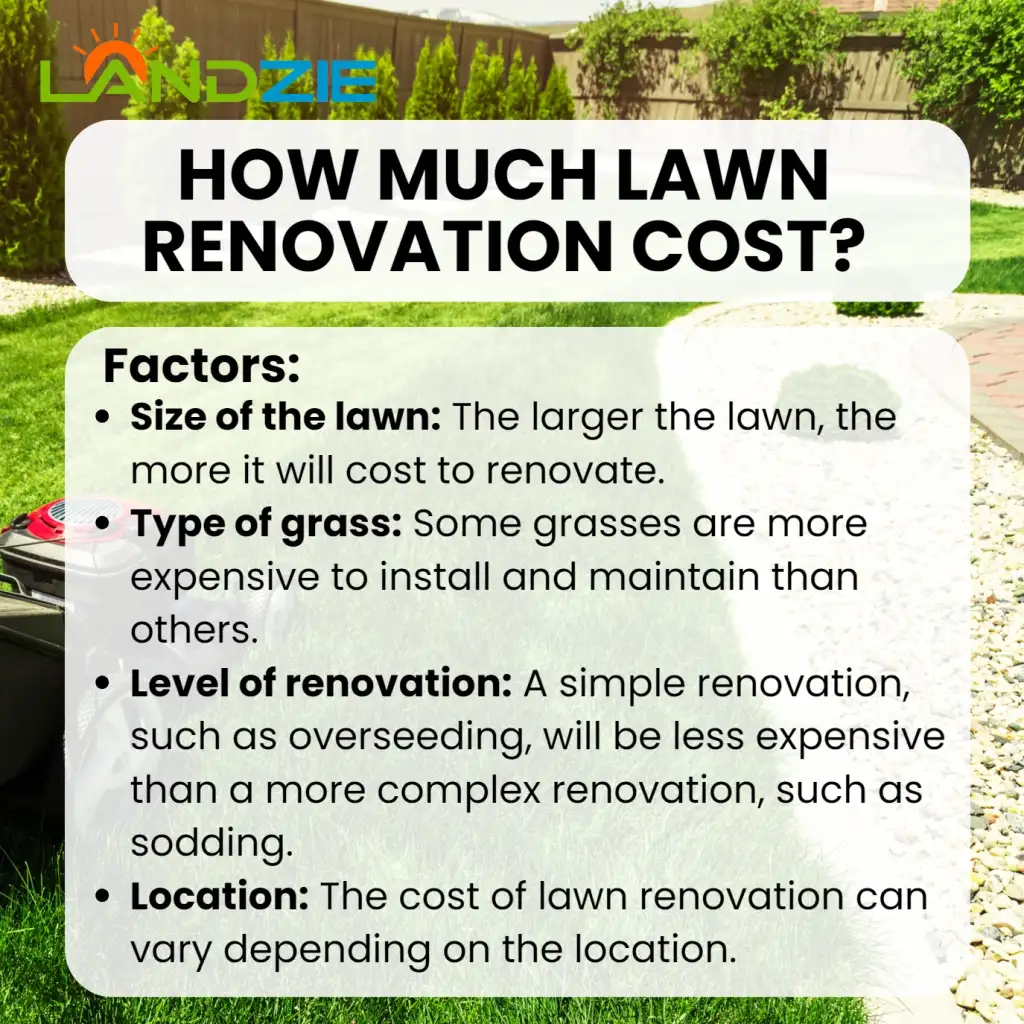
Image Source: landzie.com
Planning Your Yard Makeover: Setting a Landscaping Budget
Embarking on a yard redo is exciting! It’s your chance to create a beautiful, functional space. But before you dig in, you need a solid plan, and that starts with a landscaping budget. Without one, costs can quickly spiral out of control. Think of your budget as your roadmap, guiding your decisions and ensuring you get the most value for your money.
What Influences Yard Renovation Cost?
Several factors play a big role in how much your yard renovation cost will be. It’s not just about planting a few flowers; it’s a whole system.
- Size of Your Yard: A tiny urban patio will cost far less to redo than a sprawling suburban acre.
- Scope of Work: Are you just replacing sod, or are you installing a full kitchen and pool?
- Material Choices: From pavers to plants, the quality and type of materials significantly impact the price.
- Labor Costs: Hiring professionals adds to the cost, but they bring expertise and efficiency.
- Existing Conditions: Is your yard mostly level and clear, or does it need extensive grading, drainage work, or tree removal?
- Design Complexity: Intricate designs, custom features, and specialized elements increase costs.
- Location: Labor and material prices vary by region.
Breaking Down Yard Redo Expenses
Let’s look at the common areas where your backyard improvement cost will be allocated.
Softscaping Costs: The Living Elements
Softscaping costs refer to the living parts of your landscape: plants, trees, shrubs, and lawns.
- Lawn Renovation Price:
- Seeding: This is generally the most budget-friendly option. You can buy a bag of grass seed for $20-$50, depending on the size of your lawn and the seed type. Soil preparation (aeration, dethatching, adding topsoil) can add $100-$500.
- Sod Installation: Sod offers instant results but is more expensive. Expect to pay $0.30-$1.00 per square foot for sod, plus installation costs which can add another $0.50-$1.50 per square foot. For a 1,000 sq ft lawn, this could range from $800 to $2,500.
- Artificial Turf: While a significant upfront investment ($5-$15 per square foot installed), it can save on water and maintenance in the long run.
- Planting Trees, Shrubs, and Flowers:
- Small shrubs: $15 – $50 each
- Medium shrubs: $30 – $100 each
- Young trees: $50 – $250 each
- Mature trees: $250 – $1,000+ each
- Perennial flowers: $5 – $20 each
- Annual flowers: $1 – $5 each
- Consider the mature size of plants to avoid overcrowding and future removal costs.
- Soil and Mulch:
- Topsoil: $30-$60 per cubic yard
- Compost: $30-$70 per cubic yard
- Mulch: $30-$80 per cubic yard (depending on type)
- These are essential for healthy plant growth and can cost a few hundred dollars for a medium-sized yard.
Hardscaping Costs: The Structural Elements
Hardscaping costs involve the non-living elements that provide structure and functionality to your yard. These are often the biggest ticket items.
- Patio Installation Cost:
- Pavers: A popular choice offering durability and aesthetic appeal. Costs range from $10-$30 per square foot installed, depending on the type of paver and complexity of the design.
- Concrete: A more budget-friendly option. Poured concrete patios can cost $4-$10 per square foot, with decorative finishes (stamped, colored) increasing the price to $8-$15 per square foot.
- Natural Stone: Flagstone or slate can be beautiful but expensive, often ranging from $20-$50+ per square foot installed.
- Gravel: The cheapest option, usually $1-$5 per square foot installed, but requires regular maintenance.
- Deck Building Cost:
- Wood Decks: Pressure-treated pine is the most affordable ($20-$40 per square foot installed). Cedar and redwood are more expensive but offer better natural resistance to rot and insects. Composite decking is the priciest upfront ($30-$60+ per square foot installed) but requires minimal maintenance and lasts longer.
- Consider factors like height, railings, stairs, and built-in features, which will increase the deck building cost.
- Walkways and Paths:
- Similar to patios, these can be made from pavers, concrete, gravel, or stone, with costs ranging from $5-$30+ per square foot.
- Retaining Walls:
- Essential for managing slopes and creating tiered gardens. Costs vary significantly based on height, material (concrete blocks, natural stone, timber), and length. Expect $15-$50+ per square foot of wall face.
- Fencing:
- The cost depends on material (wood, vinyl, metal), height, and length. A basic wooden fence might cost $15-$30 per linear foot installed, while more decorative or durable options can be $40-$70+ per linear foot.
- Other Features: Pergolas, arbors, water features, fire pits, outdoor kitchens, and lighting all add to the hardscaping costs.
Creating an Outdoor Living Space Price
If your dream is to create a true outdoor living space price, this is where costs can escalate. Think of an outdoor kitchen, a covered patio, comfortable seating, and ambient lighting.
- Outdoor Kitchen: Can range from $5,000 for a simple built-in grill to $30,000+ for a full kitchen with appliances, countertops, and cabinetry.
- Fire Pit/Fireplace: A simple fire pit might cost a few hundred dollars for materials, while a built-in gas fireplace can easily cost $2,000-$10,000+.
- Pergolas/Gazebos: Expect $1,000-$5,000+ depending on size and material.
- Pool or Spa: These are major investments, often starting at $20,000 and going up to $100,000+.
Garden Makeover Expenses: The Artistic Touch
A garden makeover expenses focuses on the aesthetic and thematic elements of your yard.
- Garden Beds: Creating raised beds with lumber or stone can add $20-$100+ per linear foot.
- Water Features: Small fountains can be $100-$500, while elaborate ponds or waterfalls can cost $5,000-$20,000+.
- Lighting: Landscape lighting can range from $1,000-$5,000+ for a medium-sized yard, depending on the number and type of fixtures.
- Statuary and Decor: Decorative elements can add a personal touch but are often a discretionary expense.
How to Estimate Your Yard Redo Cost
Let’s get down to estimating the yard renovation cost. It’s best to be thorough.
Step 1: Define Your Vision and Goals
What do you want your yard to do for you?
- Functional Needs: Do you need more space for kids to play? A place to entertain? A vegetable garden?
- Aesthetic Desires: What style are you aiming for? Modern, rustic, cottage, minimalist?
- Maintenance Level: How much time are you willing to spend on upkeep? Low-maintenance landscapes often require higher upfront investment.
Step 2: Measure Your Space
Get accurate measurements of your yard. This is crucial for material calculations.
Step 3: Research Materials and Features
This is where you’ll start attaching real numbers to your ideas. Look up prices for:
- Pavers, concrete, or stone for patios and walkways.
- Wood or composite for decks.
- Specific plants, trees, and shrubs you desire.
- Soil, mulch, and any necessary amendments.
- Lighting fixtures, irrigation systems, or other desired amenities.
Step 4: Get Multiple Quotes from Professionals
If you’re hiring contractors for any part of the project, get at least three detailed quotes. Ensure the quotes are itemized so you can compare apples to apples.
What to Look for in a Contractor Quote:
- Detailed breakdown of labor and materials.
- Scope of work clearly defined.
- Payment schedule.
- Timeline for completion.
- Proof of insurance and licensing.
- References.
Step 5: Factor in Hidden Costs
Don’t forget these often-overlooked expenses:
- Permits: Some projects, like decks or significant hardscaping, may require building permits from your local municipality. These can range from $50 to several hundred dollars.
- Waste Removal: Disposal of old landscaping, soil, or debris.
- Tool Rental: If you’re doing some DIY, you might need to rent specialized equipment.
- Professional Design Fees: If you hire a landscape architect or designer.
- Contingency Fund: Always set aside 10-20% of your total budget for unexpected issues.
Sample Yard Redo Cost Estimates (for a Medium-Sized Suburban Yard)
These are rough estimates and can vary widely.
| Project Component | Description | Estimated Cost Range |
|---|---|---|
| Lawn Renovation Price | Seeding, aeration, topsoil | $300 – $1,000 |
| Sod installation | $800 – $2,500 | |
| Softscaping | Planting shrubs, perennials, a small tree | $500 – $2,000 |
| Mulch and compost for beds | $200 – $500 | |
| Hardscaping | 200 sq ft Paver Patio | $2,000 – $6,000 |
| 150 sq ft Wooden Deck (pressure-treated) | $4,500 – $7,500 | |
| Gravel pathway | $300 – $800 | |
| Outdoor Living Space | Basic fire pit | $300 – $1,000 |
| Garden Makeover | Creating a few raised garden beds | $300 – $1,000 |
| Lighting | Basic landscape lighting | $1,000 – $2,500 |
| Labor/Design Fees | Professional design, installation labor (can be 30-50% of project cost) | $3,000 – $15,000+ |
| Contingency (15%) | $1,000 – $5,000 | |
| Total Estimated Range | For a moderate redo, without major features like kitchens/pools | $14,200 – $43,800+ |
Important Note: This table is illustrative. A simple lawn refresh could cost as little as $500-$1,000, while a high-end outdoor living space price with all the bells and whistles could easily exceed $50,000-$100,000.
DIY vs. Hiring Professionals: Making the Right Choice
The decision to DIY or hire professionals significantly impacts your yard renovation cost.
DIY Advantages:
- Cost Savings: You save on labor costs, which can be a substantial portion of the total project price.
- Personal Satisfaction: There’s a great sense of accomplishment in building or creating something yourself.
- Flexibility: You control the pace and schedule of the work.
DIY Challenges:
- Time Commitment: DIY projects often take longer than anticipated.
- Skill and Knowledge: Some tasks require specific skills, tools, and knowledge (e.g., proper grading, electrical work for lighting, structural integrity for decks).
- Tool Costs: You may need to buy or rent specialized equipment.
- Risk of Mistakes: Errors can be costly to fix and may compromise the final result.
- Physical Demands: Landscaping can be hard physical work.
Professional Advantages:
- Expertise and Experience: Professionals know best practices, regulations, and design principles.
- Efficiency: They can complete projects much faster.
- Quality of Work: Experienced contractors ensure a high-quality, durable finish.
- Access to Materials and Tools: They often have access to better pricing on materials and the right equipment.
- Peace of Mind: They handle the planning, permits, and execution, reducing your stress.
Professional Challenges:
- Higher Cost: Labor is a significant expense.
- Finding the Right Contractor: It takes time and effort to vet and select a reliable professional.
Factors That Can Increase Your Yard Renovation Cost
Be aware of potential cost inflators:
- Steep Slopes or Difficult Terrain: Requires more complex grading, retaining walls, or specialized equipment.
- Poor Soil Conditions: May necessitate extensive soil amendment or replacement.
- Extensive Tree or Stump Removal: Large trees can be costly to remove safely.
- Underground Utilities: Discovering unexpected utility lines can lead to delays and added costs.
- Complex Drainage Issues: Addressing persistent water problems often requires professional solutions like French drains or grading.
- High-End Materials: Opting for premium natural stone, exotic wood, or designer lighting will increase the overall backyard improvement cost.
- Adding or Moving Utilities: If you need to run water, gas, or electrical lines to new areas.
- Unforeseen Issues: Rotting structures, pest infestations, or structural problems discovered during the renovation.
Making Smart Choices to Manage Your Yard Redo Cost
Here are some tips for staying within your landscaping budget:
- Prioritize: Decide what features are most important to you and allocate your budget accordingly. You don’t have to do everything at once.
- Phased Approach: Break your project down into phases. Start with the most critical elements and tackle others in subsequent years.
- DIY Selectively: Take on tasks you’re comfortable with and that don’t require specialized skills or tools. Planting, mulching, and painting are good DIY projects.
- Choose Cost-Effective Materials: Explore options like concrete instead of pavers for a patio, or pressure-treated pine for a deck.
- Buy Plants in Smaller Sizes: Smaller plants are cheaper and will grow into your landscape over time.
- Shop Around: Compare prices for materials at different suppliers. Look for sales and discounts.
- Consider Native Plants: Native plants are often hardier, require less water and maintenance, and are typically less expensive.
- Simplify Designs: Complex patterns or intricate stonework will increase labor and material costs.
- Install Irrigation Wisely: A well-designed irrigation system can save water and money in the long run, but installation can be pricey.
- Get Multiple Bids: As mentioned, this is crucial for ensuring you’re getting fair pricing for professional services.
Frequently Asked Questions (FAQ)
Q1: How much does a basic yard clean-up and refresh cost?
A1: A basic clean-up might involve mowing, trimming, weeding, and adding mulch. This could cost anywhere from $200 to $800 if you hire a service. Doing it yourself would only cost for materials like mulch and perhaps tool rental.
Q2: What is the average cost of a patio installation?
A2: The average patio installation cost can range from $2,000 to $10,000 or more, depending on the size, material (concrete, pavers, stone), and complexity.
Q3: Can I afford a significant yard renovation on a budget?
A3: Yes, you can make a significant impact on a budget by prioritizing, doing some DIY, and choosing more affordable materials. A phased approach is key.
Q4: What are the most expensive components of a yard redo?
A4: Generally, hardscaping costs like building a deck, installing a substantial patio, outdoor kitchens, water features, and extensive retaining walls tend to be the most expensive components.
Q5: How much does it cost to replace a lawn with sod?
A5: The lawn renovation price for sod installation typically costs between $0.80 and $2.50 per square foot, including labor, for materials like sod, soil preparation, and installation.
Q6: Is it cheaper to build a deck or a patio?
A6: Typically, a basic wooden deck can be comparable in cost to a mid-range paver patio. However, a simple concrete patio is usually cheaper than a deck. High-end composite decks or elaborate patios can be more expensive.
Q7: What are common hidden costs in yard renovation?
A7: Hidden costs can include permits, waste removal fees, unexpected site issues (like poor drainage or buried structures), and the need for specialized tools if doing DIY.
Q8: How long does a yard renovation typically take?
A8: The timeline can vary greatly. A simple planting job might take a weekend, while a full outdoor living space price overhaul with hardscaping, decks, and extensive planting could take several weeks or even months.
Q9: Should I hire a landscape designer?
A9: Hiring a landscape designer can add to your initial yard renovation cost, but their expertise can save you money in the long run by creating an efficient, beautiful, and cost-effective plan, preventing costly mistakes.
Q10: What is the difference between softscaping and hardscaping?
A10: Softscaping involves the living elements of a landscape, such as plants, trees, shrubs, and lawns. Hardscaping refers to the non-living, structural elements like patios, walkways, decks, retaining walls, and fences.
Creating your dream yard is an investment. By carefully planning your landscaping budget, researching costs, and making informed decisions about materials and labor, you can transform your outdoor space into a beautiful and functional haven without breaking the bank.