
How much does a yard of gravel weigh? A cubic yard of gravel typically weighs between 2,000 and 2,800 pounds, but this can vary significantly based on the type of gravel and its moisture content.
Knowing the weight of gravel per cubic yard is crucial for many projects, from landscaping driveways to creating stable foundations. Whether you’re ordering materials for a large construction job or just a small garden path, having this information helps you estimate costs, plan transportation, and ensure you order the correct amount. This guide will delve into the factors influencing gravel weight and provide you with the knowledge to accurately estimate your needs.
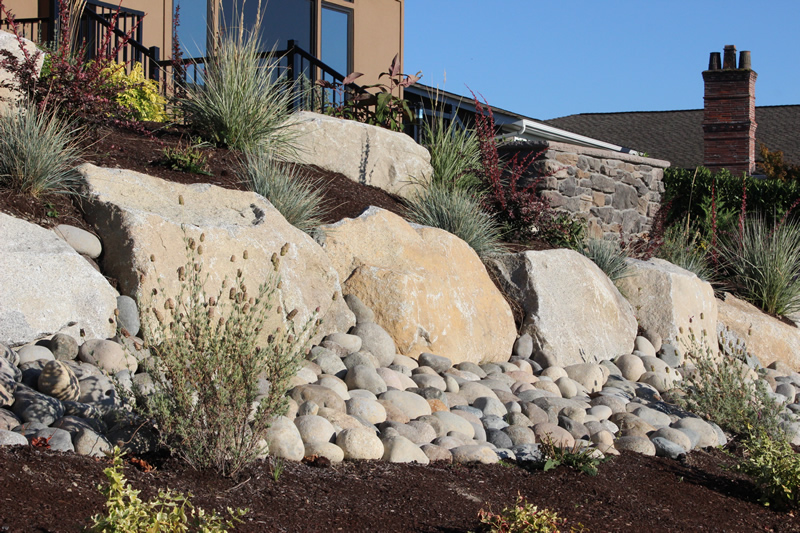
Image Source: www.earthhaulers.com
Deciphering Gravel Density per Cubic Yard
The fundamental question of how much does a yard of gravel weigh hinges on a key concept: density. Gravel density per cubic yard isn’t a fixed number; it’s a range influenced by several variables. Think of it like this: a bag of feathers and a bag of rocks, both the same size, will weigh very different amounts. The same principle applies to gravel.
Factors Affecting Gravel Weight
Several elements contribute to the variation in gravel weight per cubic yard:
- Type of Rock: Different rocks have different inherent densities. For example, granite is denser than limestone.
- Size and Shape of Aggregates: Smaller, more angular pieces will pack more tightly than larger, rounded pebbles, affecting the overall density.
- Moisture Content: Wet gravel is significantly heavier than dry gravel. Water fills the spaces between the stones and adds its own weight.
- Compaction: Gravel that has been compacted will weigh more per cubic yard than loose, uncompacted gravel because the air pockets are reduced.
Average Gravel Density
While there’s no single definitive number, the average gravel density can be used as a general benchmark. For many common types of gravel used in construction and landscaping, you can expect the density to fall within a certain range. This average is often cited in industry standards and will be a good starting point for your calculations.
The Weight of Gravel Per Cubic Yard: A Closer Look
When we talk about the weight of gravel per cubic yard, we’re essentially talking about how much a specific volume of gravel weighs. This is a critical piece of information for budgeting and logistics. You need to know this to figure out how much material your truck can carry, how many loads you’ll need, and the overall cost of your project.
Cubic Yard Gravel Weight: Common Types
Different types of gravel are used for various purposes, and each has a different weight. Let’s explore some common examples:
- Pea Gravel: Typically consists of rounded stones, about ¼ to ½ inch in diameter.
- Crushed Stone (e.g., 3/4″ Minus): Angular fragments of crushed rock, often used for driveways and foundations. The “minus” indicates that all particles smaller than ¾ inch are included.
- River Rock: Smooth, rounded stones of various sizes, often used for decorative purposes.
- Gravel Sand Mix: A blend of gravel and sand, commonly used for base layers.
Estimating Loose Gravel Weight Per Yard
It’s important to distinguish between loose and compacted gravel. When you buy gravel, it’s usually delivered loose. Loose gravel weight per yard will generally be at the lower end of the weight spectrum because there are more air spaces between the stones.
Dense Gravel Weight Per Cubic Yard
Conversely, dense gravel weight per cubic yard refers to gravel that has been compacted. This is often the case for gravel that has been laid down and driven over, like on a road or driveway. The compaction process squeezes out air, increasing the weight within the same volume.
How Much Does a Yard of Gravel Weigh? Specifics and Calculations
To answer how much does a yard of gravel weigh more precisely, we need to consider the typical weights of different gravel types.
Typical Weight Ranges for Common Gravel Types
Here’s a breakdown of estimated weights per cubic yard for commonly used gravel types. Remember, these are averages, and actual weights can vary:
| Gravel Type | Approximate Weight Per Cubic Yard (Dry) | Notes |
|---|---|---|
| Pea Gravel | 2,500 – 2,700 lbs | Rounded stones, can pack loosely. |
| Crushed Stone (3/4″ Minus) | 2,500 – 2,800 lbs | Angular, packs well, common for bases. |
| River Rock | 2,500 – 2,700 lbs | Smooth, rounded, weight depends on size mix. |
| Gravel Sand Mix | 2,600 – 2,800 lbs | Denser due to finer material filling voids. |
| Limestone Gravel | 2,400 – 2,600 lbs | Generally less dense than granite-based gravel. |
| Granite Gravel | 2,600 – 2,800 lbs | Denser rock, leading to a higher weight. |
| Sand | 2,500 – 2,700 lbs | Fine particles, can absorb water easily, increasing weight. |
| Topsoil | 1,800 – 2,200 lbs | Lighter than gravel due to organic matter and air pockets. |
These figures are approximate and can vary based on the specific source and moisture content.
Weight of Crushed Stone Per Yard
The weight of crushed stone per yard is a frequently asked question because it’s one of the most common materials used in construction. Crushed stone’s weight is influenced by the type of rock it’s made from (e.g., granite, limestone, basalt) and its size grading. For instance, a ¾-inch crushed stone will have a different density than a 2-inch crushed stone, even if both are made from granite.
Gravel Volume to Weight Conversion
To perform a gravel volume to weight conversion, you’ll use the density of the specific gravel you’re using. The basic formula is:
Weight = Volume × Density
If you know the density in pounds per cubic yard (lbs/yd³) and your volume in cubic yards (yd³), the calculation is straightforward.
Example: If you need 5 cubic yards of gravel with an average density of 2,600 lbs/yd³, the total weight would be:
5 yd³ × 2,600 lbs/yd³ = 13,000 lbs
Utilizing a Gravel Weight Calculator
For convenience, many online tools offer a gravel weight calculator. These calculators simplify the process by allowing you to input the type of gravel and the desired volume, and they will provide an estimated weight. This can be incredibly helpful when planning large orders or when you need to quickly check figures.
How to Use a Gravel Weight Calculator
- Select Gravel Type: Most calculators will have a dropdown menu or options to choose from common gravel types.
- Enter Volume: Specify the amount of gravel needed in cubic yards.
- Account for Compaction (Optional): Some calculators may allow you to factor in compaction, which can increase the estimated weight.
- Get Your Estimate: The calculator will then provide an estimated weight.
Factors Influencing Your Gravel Order
When ordering gravel, it’s not just about knowing the weight of a cubic yard; it’s also about understanding the nuances of your project.
Moisture Content: The Hidden Weight
As mentioned, moisture is a significant factor. Loose gravel weight per yard will be considerably less than wet gravel. If you’re ordering during or after a rainy period, the delivered gravel will likely be heavier. This can impact your truck’s load capacity and the total weight you’re handling.
Compaction Ratio
Different gravels compact differently. A dense gravel weight per cubic yard is achieved after compaction. For example, crushed stone tends to compact more than rounded river rock. This is important to consider if you’re calculating the depth of gravel needed for a stable base, as the volume will reduce after compaction.
Types of Gravel and Their Uses
- Driveways: Often use crushed stone (e.g., 3/4″ minus or larger) for good drainage and stability.
- Landscaping: Pea gravel or decorative river rock are popular for paths, garden beds, and water features.
- Foundations: Crushed stone or aggregate base materials are essential for stable building foundations.
- Drainage: Larger, clean crushed stone is used for French drains and drainage systems.
Practical Considerations for Your Gravel Project
Beyond the weight calculations, there are practical aspects to consider for any project involving gravel.
Ordering and Delivery
- Delivery Trucks: Trucks have weight limits. Knowing the weight per cubic yard helps you determine if one truckload is sufficient or if multiple trips are needed. A standard dump truck might carry 10-14 cubic yards of gravel, but this depends on the truck’s capacity and the gravel’s density.
- Minimum Orders: Many suppliers have minimum order quantities, so be sure to check this when placing your order.
- Delivery Location: Ensure your delivery location can accommodate a large truck.
Tools and Equipment
- Shovels and Wheelbarrows: For smaller jobs, these are sufficient.
- Skid Steers or Loaders: For larger projects, you might need machinery to move and spread gravel efficiently. Consider the weight capacity of these machines.
Calculating the Right Amount
A common mistake is ordering too little or too much gravel.
Formula for calculating gravel needed:
Volume (yd³) = Length (ft) × Width (ft) × Depth (ft) / 27
Remember to convert your desired depth to feet (e.g., 3 inches = 0.25 feet).
Example: For a driveway that is 50 feet long, 10 feet wide, and you want a 4-inch (0.33 ft) deep layer:
Volume = 50 ft × 10 ft × 0.33 ft / 27 = 6.11 yd³
It’s always a good idea to order a little extra to account for compaction and spillage.
FAQ Section
Q1: How much does a cubic yard of concrete gravel weigh?
A cubic yard of concrete gravel, often a mix of crushed stone and sand, typically weighs between 2,600 and 2,800 pounds when dry.
Q2: What is the weight of a ton of gravel?
A ton is 2,000 pounds. So, if gravel weighs 2,500 pounds per cubic yard, one ton would be approximately 0.8 cubic yards (2000 / 2500 = 0.8).
Q3: Can I use the weight of gravel per cubic yard to estimate my truck’s load?
Yes, knowing the average weight per cubic yard of the gravel you’re hauling, along with your truck’s payload capacity, is essential for safe and legal transport. Always verify your vehicle’s specific weight limits.
Q4: Does the source of the gravel affect its weight?
Yes, the type of rock from which the gravel is derived (e.g., granite, limestone, basalt) has different densities, which directly influences the weight of the gravel per cubic yard.
Q5: How does moisture affect the weight of gravel per yard?
Moisture significantly increases the weight of gravel. Wet gravel can weigh 10-15% more than dry gravel, as water fills the voids between the stones and adds its own mass.
Q6: What is the typical weight of decorative gravel per cubic yard?
Decorative gravels like pea gravel or river rock generally weigh between 2,500 and 2,700 pounds per cubic yard when dry. However, this can vary based on the size and shape of the stones.
Q7: How do I convert cubic feet of gravel to cubic yards?
To convert cubic feet to cubic yards, divide the volume in cubic feet by 27, since there are 27 cubic feet in one cubic yard.
By grasping these details, you can confidently determine how much does a yard of gravel weigh for your specific needs, ensuring efficient planning and successful project completion.