
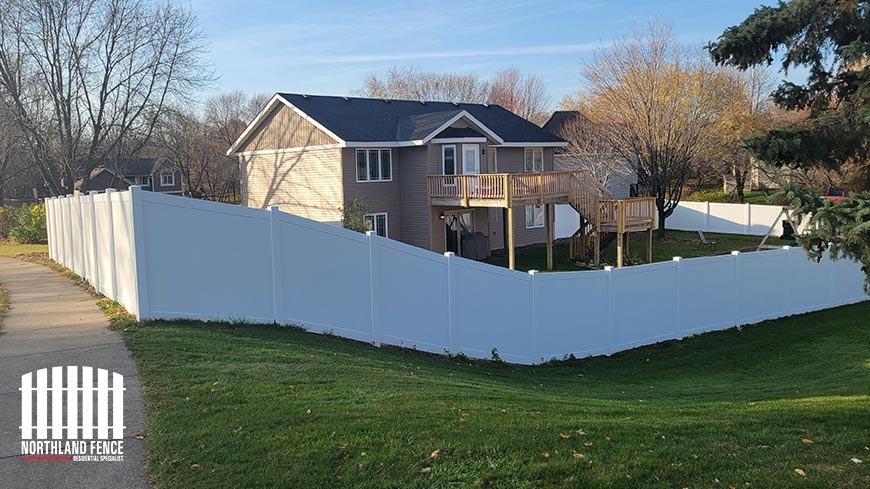
Image Source: www.northlandfence.com
How Much Does a Fence Cost for a Yard? Get Quotes!
The fence installation price for a typical yard can range from $1,500 to $5,000 or more. However, the cost of fencing a yard is highly variable, depending on the material, height, length, terrain, and the complexity of the installation. Getting multiple quotes is essential to finding the best value.
Deciphering Yard Fence Expenses: A Comprehensive Look
Thinking about adding a fence to your yard? It’s a fantastic way to boost security, privacy, and curb appeal. But before you call a contractor, it’s crucial to have a clear idea of what you can expect to spend. The backyard fence cost estimate can swing wildly based on several factors, making it important to do your homework. This guide will walk you through everything you need to know to budget effectively.
Key Factors Influencing Fence Pricing
Several elements contribute to the final residential fence pricing. Let’s break them down:
1. Fence Material: The Biggest Driver
The type of material you choose for your fence will have the most significant impact on the overall cost. Each material offers different aesthetics, durability, and price points.
Wood Fencing
Wood fences are a popular choice for their natural beauty and classic appeal. They offer excellent privacy and can be stained or painted to match your home’s exterior. However, wood requires regular maintenance to prevent rot, warping, and insect damage.
- Pine/Fir: These are generally the most affordable wood options. They are readily available but require frequent sealing and treatment to last.
- Cedar/Redwood: These woods are naturally more resistant to rot and insects, making them more durable and longer-lasting. They also have a beautiful natural color and grain. Expect to pay more for these premium woods.
Average Cost: For a standard wood fence, you can expect to pay between $15 to $30 per linear foot, including installation. The wood fence installation cost will increase for higher-quality wood types like cedar or redwood.
Vinyl Fencing
Vinyl fences are a low-maintenance and durable option. They are resistant to rot, pests, and weathering, and they don’t require painting or staining. Vinyl fences come in various styles and colors, mimicking the look of wood or offering a sleek, modern appearance.
Average Cost: Vinyl fencing typically ranges from $20 to $40 per linear foot, installed. The initial cost is higher than basic wood, but the low maintenance can make it more cost-effective in the long run.
Chain Link Fencing
Chain link fences are a cost-effective and durable choice, especially for security and containment. They are made of galvanized steel or vinyl-coated steel wires woven together. While not the most aesthetically pleasing for residential settings, they are practical and long-lasting.
- Galvanized: The standard, affordable option.
- Vinyl-Coated: Offers a more finished look and added corrosion resistance.
Average Cost: A chain link fence price typically falls between $10 to $25 per linear foot, installed. This makes it one of the most budget-friendly options for larger areas.
Aluminum Fencing
Aluminum fences are a great choice for a classic, ornamental look without the maintenance of wrought iron. They are lightweight, rust-resistant, and come in various styles and heights, often mimicking the appearance of wrought iron.
Average Cost: Expect to pay between $25 to $50 per linear foot for installed aluminum fencing. This is a mid-to-high price point, reflecting its durability and aesthetic appeal.
Wrought Iron Fencing
For a truly premium and decorative look, wrought iron is unmatched. It offers unparalleled strength and a timeless elegance. However, it is also the most expensive option and requires periodic maintenance to prevent rust.
Average Cost: Wrought iron fencing can cost $40 to $100 per linear foot or more, installed.
Picket Fencing
A classic choice for defining property lines and adding charming aesthetics, picket fences are typically made of wood but can also be found in vinyl or composite materials. The spacing of the pickets and the height will affect the cost.
Average Cost: Wooden picket fences usually range from $15 to $35 per linear foot, installed. Vinyl picket fences will be on the higher end of this spectrum.
2. Fence Height
The taller the fence, the more material is needed, and therefore, the higher the cost. Standard residential fence heights range from 4 to 6 feet.
- 4-foot fences: Often used for decorative purposes or to define property lines. They are the most affordable.
- 6-foot fences: Provide greater privacy and security.
- 8-foot fences: Offer maximum privacy and security but are significantly more expensive due to the increased material.
3. Fence Length and Yard Perimeter
The total linear footage of your property that needs fencing is a primary cost driver. A larger yard or a longer perimeter will naturally require more materials and labor.
Example: Fencing 100 linear feet of yard will cost approximately half as much as fencing 200 linear feet, assuming all other factors are equal.
4. Terrain and Ground Conditions
The nature of your yard’s terrain can significantly influence the labor cost for fence installation.
- Flat and Level Ground: This is the easiest and most cost-effective to work with.
- Sloped or Uneven Ground: Requires more specialized techniques, extra materials for leveling, and potentially more labor. This can increase the overall cost.
- Rocky Soil: Digging post holes in rocky soil can be challenging and time-consuming, leading to higher labor costs.
- Obstacles: Existing trees, roots, or underground utilities can complicate installation and add to the expense.
5. Gate Installation
Don’t forget to factor in the cost of gates. Gates are essential for access but add to the total expense.
- Single Gates: Typically cost $100 to $500, depending on size, material, and hardware.
- Double Gates: Are more expensive, ranging from $200 to $1,000 or more.
- Specialty Gates: Driveway gates or gates with automatic openers will incur significantly higher costs.
6. DIY Fence Cost vs. Professional Installation
You have two main options for getting a fence installed: doing it yourself (DIY) or hiring a professional.
DIY Fence Cost
Choosing a DIY fence cost approach can save you money on labor, but it requires significant time, effort, and potentially specialized tools. You’ll need to purchase all the materials, rent equipment if necessary (like a post-hole digger or tamper), and dedicate yourself to the project.
Pros of DIY:
- Significant savings on labor costs.
- Full control over the project and quality of work.
- A rewarding sense of accomplishment.
Cons of DIY:
- Requires time commitment and physical labor.
- Need for tools and equipment, which can be costly to buy or rent.
- Potential for costly mistakes if not done correctly.
- May not achieve the same professional finish as an experienced installer.
Professional Installation
Hiring professionals for your fence project means paying for their expertise, experience, and efficiency. While the upfront cost is higher, it often ensures a higher quality installation and can save you from the headaches and potential mistakes of a DIY approach.
Pros of Professional Installation:
- Expertise in proper installation techniques, ensuring durability.
- Saves you time and physical effort.
- Access to specialized tools and equipment.
- Often comes with a warranty on labor and materials.
- Handles permits and inspections if required.
Cons of Professional Installation:
- Higher overall cost due to labor charges.
- Less control over the day-to-day execution of the project.
Labor Cost for Fence Installation: Generally, labor costs can account for 40-60% of the total project price. This includes site preparation, digging post holes, setting posts, assembling fence panels or sections, and cleanup.
7. Permits and HOA Fees
Depending on your location, you might need to obtain permits from your local municipality before installing a fence. Homeowners Associations (HOAs) often have specific rules and regulations regarding fence types, materials, heights, and colors. These can add to your overall expense and require additional planning time.
8. Decorative Elements and Features
If you’re looking for more than just a basic fence, consider the costs associated with decorative elements like post caps, finials, lattice tops, or custom designs. These extras can enhance the appearance but will increase the final price.
Estimating Your Fence Project: A Practical Approach
To get a realistic backyard fence cost estimate, start by measuring the perimeter of your yard that you want to fence. Then, decide on the material, height, and any specific features you desire.
Example Calculation:
Let’s say you want to install 150 linear feet of a 6-foot privacy wood fence with a standard gate.
- Material Cost: 150 feet * $25/foot (average wood fence) = $3,750
- Gate Cost: $250 (for one standard gate)
- Total Material Estimate: $4,000
Now, consider the labor. If labor is 50% of the cost:
- Labor Cost: $4,000 * 0.50 = $2,000
- Estimated Total Cost: $4,000 (materials) + $2,000 (labor) = $6,000
This is a simplified estimate. Actual costs can vary significantly.
Getting the Best Quotes: Your Roadmap to Savings
The most effective way to determine how much your fence will cost is to get multiple quotes from reputable fencing contractors. Here’s how to approach it:
1. Research Local Fencing Companies
Look for companies with good online reviews, a strong portfolio, and relevant experience. Ask friends, neighbors, or local real estate agents for recommendations.
2. Prepare for Your Consultations
- Have your measurements ready: Know the exact linear footage you need fenced.
- Know your desired material and style: Be clear about what you want.
- Understand your property lines: Ensure you’re fencing within your property boundaries.
- Note any special requirements: Mention sloped terrain, existing structures, or specific gate needs.
3. What to Ask for in a Quote
A comprehensive quote should include:
- Itemized breakdown: Materials, labor, permits, gate costs, disposal fees.
- Material specifications: Type of wood, gauge of chain link, vinyl thickness, etc.
- Warranty information: What is covered and for how long?
- Payment schedule: Deposit required, progress payments, final payment.
- Estimated start and completion dates.
- Contractor’s license and insurance information.
4. Comparing Quotes
Don’t just look at the bottom line. Compare the details:
- Are the materials comparable? Is one quote using lower-quality wood or thinner vinyl?
- What’s included in the labor? Does it cover site preparation, debris removal, and cleanup?
- Does the quote address potential challenges? Rocky soil, steep slopes, etc.
- Is the contractor’s reputation solid? Check reviews and ask for references.
Popular Fencing Materials and Their Cost Ranges (Installed)
Here’s a quick comparison of common fencing materials and their estimated installed costs per linear foot:
| Fence Material | Est. Cost Per Linear Foot (Installed) | Key Considerations |
|---|---|---|
| Chain Link | $10 – $25 | Durable, secure, affordable; less aesthetic for residential. |
| Wood (Pine/Fir) | $15 – $30 | Natural look, good privacy; requires maintenance. |
| Picket (Wood) | $15 – $35 | Charming, defines property; moderate privacy. |
| Vinyl | $20 – $40 | Low maintenance, durable, versatile styles; higher initial cost. |
| Aluminum | $25 – $50 | Elegant, rust-resistant, low maintenance; good for pools. |
| Wood (Cedar/Redwood) | $30 – $55 | Premium look, natural resistance to rot/insects; higher cost. |
| Wrought Iron | $40 – $100+ | High-end, strong, secure, decorative; highest cost, requires upkeep. |
Note: These are general estimates and can vary significantly based on regional pricing, specific product quality, and installation complexity.
Frequently Asked Questions About Fence Costs
Q: How much does it cost to fence a 1-acre property?
A: Fencing a 1-acre property (approximately 43,560 sq ft) involves a significant perimeter. The cost will depend heavily on the material chosen. For a basic chain-link fence, you might expect to spend between $4,000 to $8,000. For a more attractive vinyl or cedar fence, the cost could easily range from $8,000 to $20,000 or more, depending on the exact perimeter and installation requirements.
Q: Is a vinyl fence worth the cost?
A: Many homeowners find a vinyl fence cost to be a worthwhile investment due to its longevity and minimal maintenance. While the upfront price is higher than basic wood, vinyl doesn’t rot, warp, or need painting. If you value low maintenance and a fence that looks good for many years, vinyl can be an excellent choice.
Q: Can I save money by installing a fence myself?
A: Yes, a DIY fence cost can be significantly lower than professional installation because you eliminate the labor charges. However, you must consider the cost of tools (if you don’t own them), the time commitment, and the potential for errors that could lead to more expense or a less durable fence. For many, the savings are not worth the effort and potential for mistakes.
Q: How much does labor cost for fence installation?
A: The labor cost for fence installation typically ranges from 40% to 60% of the total project price. This covers the contractor’s time for site preparation, digging, setting posts, assembling panels, and cleanup. Skilled labor commands higher prices.
Q: What is the cheapest type of fence?
A: Generally, chain link fence price is the lowest among common fencing materials. Its simplicity and mass production contribute to its affordability.
Q: What factors affect the cost of a wood fence installation?
A: The wood fence installation cost is influenced by the type of wood (cedar and redwood are more expensive than pine), the height and thickness of the boards, the complexity of the design, the height of the fence, and the difficulty of the terrain for digging post holes.
Q: What should I look for in a fence contractor?
A: When hiring, look for contractors who are licensed and insured, have a good reputation with positive reviews and references, provide detailed written quotes, offer a warranty on their work, and communicate clearly throughout the process.
By thoroughly researching your options and getting multiple detailed quotes, you can confidently choose the right fence for your yard and your budget.