
So, how many calories in a garden salad? A basic garden salad, typically made with mixed greens, a few vegetables like tomatoes and cucumbers, and a light vinaigrette, can range from as low as 50 to 150 calories. This number can significantly increase with added ingredients, particularly dressings and toppings. This guide will delve into the salad calorie count of various components, helping you make informed choices for your diet salad calories.
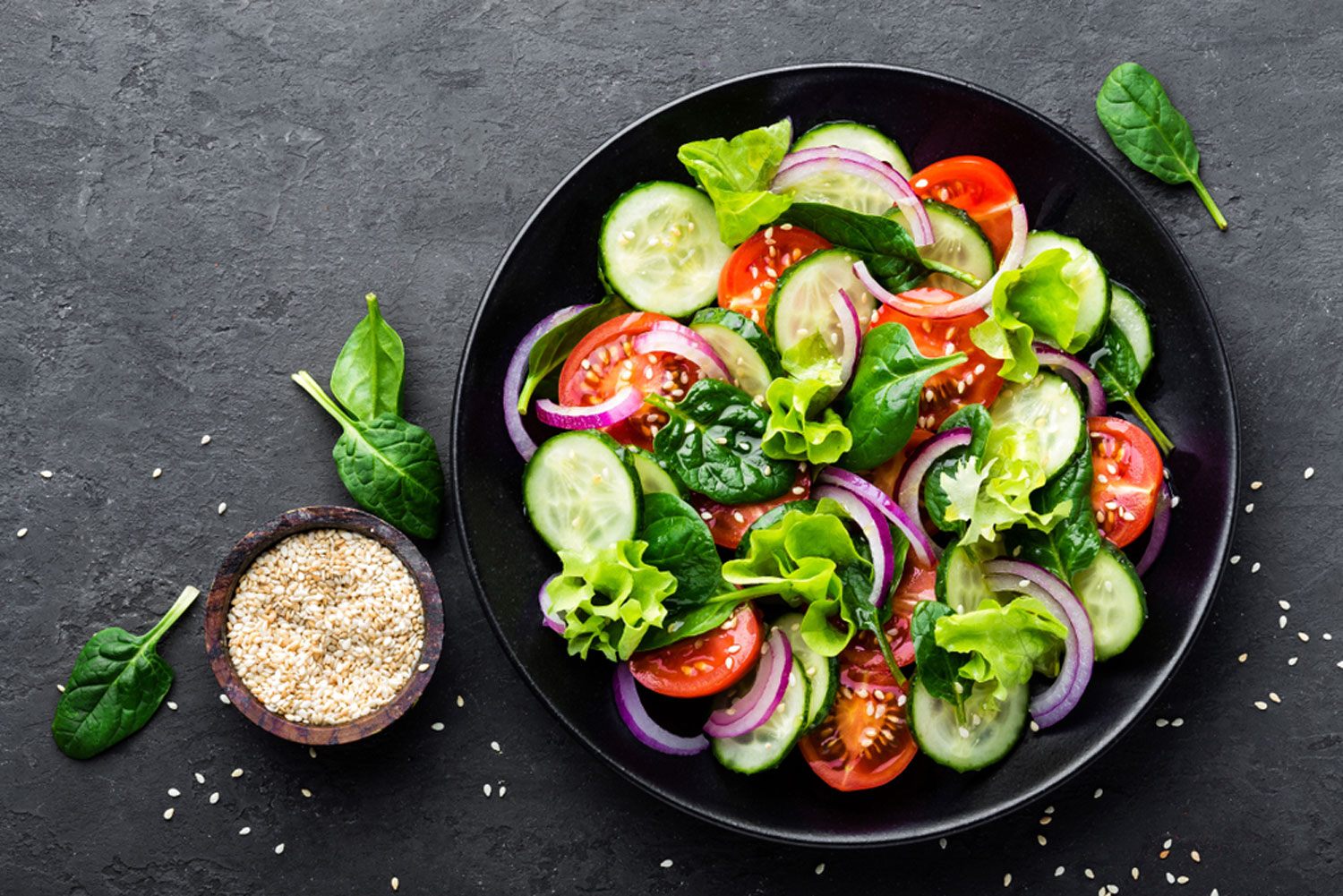
Image Source: theveganjoint.com
Decoding the Salad Calorie Count: What’s Inside Matters
The beauty of a garden salad lies in its versatility. It’s a blank canvas for healthy eating, but it’s also where hidden calories can easily sneak in. To accurately assess vegetable salad calories, we need to break down the typical components and their individual calorie contributions.
The Foundation: Leafy Greens
The base of most garden salads are leafy greens. The type and quantity of these greens significantly impact the overall leafy green salad calories.
Calories in Mixed Greens
When we talk about calories in mixed greens, we’re generally referring to a blend of various lettuces and baby greens. This can include:
- Romaine Lettuce: Crisp and refreshing, romaine offers about 8 calories per cup.
- Iceberg Lettuce: While hydrating, iceberg has a lower nutrient density and around 5 calories per cup.
- Spinach: Packed with nutrients, spinach provides about 7 calories per cup.
- Arugula: Peppery and flavorful, arugula adds about 5 calories per cup.
- Spring Mix/Mesclun: This combination of young, tender greens typically falls in the 5-10 calorie range per cup.
For a generous serving of mixed greens (about 3-4 cups), you’re looking at a negligible calorie contribution, usually between 20-40 calories. This is why a leafy green salad forms the basis of many low-calorie salads.
The Colorful Additions: Vegetables
Beyond the greens, garden salads are enhanced with a variety of vegetables, adding flavor, texture, and essential nutrients. The salad ingredients calories from these additions are generally low.
Common Garden Salad Vegetables and Their Calories (per 1 cup, chopped, raw):
| Vegetable | Calories |
|---|---|
| Tomatoes | 32 |
| Cucumbers | 16 |
| Bell Peppers (any color) | 30 |
| Carrots | 52 |
| Red Onion | 64 |
| Broccoli Florets | 31 |
| Mushrooms | 15 |
| Radishes | 19 |
As you can see, most fresh vegetables are incredibly low in calories, making them excellent additions to any diet salad calories plan. A salad loaded with a variety of these vegetables might add only 50-100 calories from the produce alone. This contributes to the overall healthy salad nutrition.
The Protein Boost: Beyond the Basics
While a “garden” salad might imply just vegetables, many people add protein for satiety and a more complete meal. These additions can significantly alter the salad calorie count.
Lean Protein Options:
- Grilled Chicken Breast (3 oz): Approximately 140-165 calories.
- Hard-Boiled Egg (1 large): About 78 calories.
- Tuna (canned in water, 3 oz): Around 90-100 calories.
- Beans (e.g., chickpeas, kidney beans, 1/2 cup): Typically 100-120 calories.
- Tofu (firm, 3 oz): Roughly 70-80 calories.
The Flavor Enhancers: Dressings and Toppings
This is where the salad calorie count can skyrocket. Dressings and toppings are often the primary culprits for turning a low-calorie salad into a high-calorie meal.
Salad Dressing Calories: A Critical Factor
The choice of dressing is paramount when calculating how many calories in a garden salad.
- Vinaigrettes (e.g., Oil and Vinegar): A simple mix of oil, vinegar, and seasonings.
- 1 tablespoon of olive oil: Approximately 120 calories.
- 1 tablespoon of balsamic vinegar: About 10-20 calories.
- A typical light vinaigrette (2 tablespoons) might be around 120-150 calories, depending on the oil-to-vinegar ratio.
- Creamy Dressings (e.g., Ranch, Blue Cheese, Caesar): These are typically oil-based with dairy and are much higher in calories.
- 2 tablespoons of Ranch dressing: Can be 120-150 calories or more.
- 2 tablespoons of Blue Cheese dressing: Often 140-180 calories.
- 2 tablespoons of Caesar dressing: Usually 100-150 calories.
- Low-Calorie Options: Many brands offer “light” or “fat-free” dressings, but it’s crucial to check the label. Sometimes, sugar is added to compensate for fat, leading to unexpected calorie sources. A light vinaigrette might be around 60-80 calories per 2 tablespoons.
Crucial Tip: Always measure your dressing! Many people pour generously, easily doubling or tripling the intended portion size.
Calorie-Dense Toppings
Beyond dressings, certain toppings can significantly add to salad ingredients calories.
- Croutons (1/2 cup): Approximately 100-150 calories.
- Cheese (shredded, 1/4 cup):
- Cheddar: ~114 calories
- Parmesan: ~100 calories
- Feta: ~75 calories
- Nuts and Seeds (e.g., almonds, walnuts, sunflower seeds, 1 tablespoon):
- Almonds: ~100 calories
- Walnuts: ~95 calories
- Sunflower Seeds: ~50 calories
- Avocado (1/4 cup sliced): About 80 calories.
- Dried Fruit (e.g., cranberries, raisins, 1/4 cup): Can be 100-130 calories due to concentrated sugars.
- Fried Onions or Crispy Tortilla Strips: These can easily add 100-200 calories for a small serving.
Putting It All Together: Example Salad Calorie Counts
Let’s illustrate how many calories in a garden salad with a few examples.
Example 1: The Basic Garden Salad
- 3 cups mixed greens (approx. 30 calories)
- 1/2 cup chopped tomatoes (approx. 16 calories)
- 1/2 cup sliced cucumber (approx. 8 calories)
- 1/4 cup sliced bell pepper (approx. 8 calories)
- 2 tablespoons light vinaigrette (approx. 70 calories)
Total Estimated Calories: ~132 calories
This is a good example of a low-calorie salad focusing on vegetable salad calories.
Example 2: The Heartier Salad
- 3 cups romaine lettuce (approx. 24 calories)
- 1/2 cup chopped carrots (approx. 26 calories)
- 1/4 cup sliced red onion (approx. 16 calories)
- 3 oz grilled chicken breast (approx. 150 calories)
- 2 tablespoons ranch dressing (approx. 140 calories)
- 1/4 cup shredded cheddar cheese (approx. 114 calories)
Total Estimated Calories: ~470 calories
This salad, while healthy in its chicken component, demonstrates how dressings and cheese can significantly increase the salad calorie count.
Example 3: The “Healthy” Salad That Isn’t
- 3 cups spinach (approx. 21 calories)
- 1/2 cup strawberries (approx. 24 calories)
- 1/4 cup candied pecans (approx. 150 calories)
- 2 tablespoons poppy seed dressing (approx. 130 calories)
- 1/4 cup crumbled goat cheese (approx. 100 calories)
Total Estimated Calories: ~425 calories
This example highlights how even seemingly healthy additions like nuts and certain fruits, when prepared with sugar or added fats, can boost the calories in mixed greens salads.
Maximizing Healthy Salad Nutrition While Minimizing Calories
To enjoy healthy salad nutrition without exceeding your diet salad calories, focus on smart choices:
Choosing Your Greens Wisely
As discussed, calories in mixed greens are generally very low. However, some darker, nutrient-dense greens like kale and Swiss chard might have slightly more calories but offer a richer nutrient profile. For low-calorie salads, any of the common leafy greens are excellent.
Loading Up on Low-Calorie Veggies
Don’t be shy with colorful vegetables! The more variety, the more nutrients and fiber you get. This helps you feel full with fewer calories. Consider adding:
- Bell peppers of all colors
- Cucumbers
- Tomatoes
- Radishes
- Celery
- Jicama
- Mushrooms
- Broccoli and cauliflower florets (raw or lightly steamed)
Smart Protein Choices
Lean protein is key to making your salad a satisfying meal.
- Opt for grilled or baked lean meats.
- Hard-boiled eggs are a convenient and affordable option.
- Beans and lentils are excellent plant-based protein sources.
- Tofu and tempeh are great for vegetarians and vegans.
Dressing Smarter
This is perhaps the most critical area for managing salad dressing calories:
- Make Your Own: Whisk together olive oil, vinegar (balsamic, red wine, apple cider), lemon juice, herbs, and spices. This gives you full control over ingredients and portions.
- Use Dressings Sparingly: Start with a small amount and add more only if needed.
- Choose Light Options: Look for vinaigrettes and yogurt-based dressings that are lower in fat and calories.
- Dip, Don’t Drench: Dip your fork into the dressing before picking up greens, rather than pouring it over the salad.
- Use Other Flavor Enhancers: Lemon juice, lime juice, vinegar, herbs, and spices can add flavor without significant calories.
Mindful Toppings
- Limit Cheese: Use it as a flavor accent rather than a primary component.
- Be Cautious with Nuts and Seeds: While healthy fats, they are calorie-dense. Measure them out.
- Avoid Candied or Fried Items: Skip candied nuts, fried onions, crispy noodles, and overly sweet dried fruits.
- Fruit in Moderation: Fresh berries, apple slices, or orange segments add sweetness and nutrients without excessive calories.
Frequently Asked Questions (FAQ)
Q1: Is a garden salad always a low-calorie meal?
No, a garden salad can become high in calories depending on the type and amount of dressing and toppings added.
Q2: What are the highest calorie components in a garden salad?
Salad dressings, especially creamy ones, and calorie-dense toppings like cheese, croutons, nuts, seeds, and fried ingredients are the main culprits for increasing salad calorie count.
Q3: How can I make my garden salad healthier?
Focus on a base of leafy green salad and a variety of fresh, low-calorie vegetables. Add lean protein and choose light, homemade dressings. Be mindful of portion sizes for high-calorie toppings. This will maximize healthy salad nutrition.
Q4: How many calories are in a tossed salad without dressing?
A basic tossed salad made with mixed greens, tomatoes, cucumbers, and carrots, without any dressing or other toppings, typically ranges from 50 to 100 calories, depending on the quantity of vegetables.
Q5: Are low-calorie dressings a good option?
Low-calorie salads often use these dressings. They can be a good option if they are truly lower in calories and sugar. However, some “fat-free” dressings compensate with added sugar, which can still contribute to calorie intake. Reading the nutrition label is essential.
By carefully selecting your salad ingredients calories and being mindful of dressings and toppings, you can ensure your garden salad contributes positively to your health goals, providing excellent healthy salad nutrition while keeping diet salad calories in check.