
Image Source: pestbadger.com
How Long to Keep Pets Off Lawn After Fertilizer: Safety & Waiting Periods
So, you’ve just fertilized your lawn and are wondering, “How long do I need to keep my pets off the grass?” Generally, it’s best to keep pets off fertilized lawns for at least 24 to 48 hours, but this can vary depending on the type of fertilizer used and its application. Understanding fertilizer pet safety is crucial for your furry friends’ well-being. This post will guide you through the essential waiting periods and considerations to ensure your lawn care practices are safe for your beloved pets.
Why Waiting Periods Matter for Pets
Lawn fertilizers, while beneficial for grass growth, can pose risks to pets if ingested or if they have prolonged skin contact. These risks are the primary reason for establishing fertilizer pet safety protocols. Pets, particularly dogs and cats, often spend a lot of time outdoors, walking on, rolling in, and sometimes even chewing on grass. This close interaction makes them vulnerable to any substances applied to the lawn.
The main concerns regarding pets and fertilizers include:
- Ingestion: Pets might lick fertilizer off their paws or ingest grass treated with fertilizer. This can lead to gastrointestinal upset, vomiting, diarrhea, and in some cases, more severe poisoning.
- Skin Irritation: Some fertilizers can cause mild to moderate skin irritation or allergic reactions on a pet’s paws, belly, or other areas that come into contact with the treated grass.
- Toxicity: Certain fertilizer ingredients can be toxic to pets. The level of toxicity depends on the specific chemicals and the amount ingested.
This is why adhering to a lawn care pet delay is so important after any fertilizer application. It allows the fertilizer to break down, absorb into the soil, or be washed away by rain, significantly reducing the risk to your pets.
Decoding Fertilizer Types and Their Waiting Periods
Not all fertilizers are created equal, and their composition directly impacts how long you should keep pets off the lawn. The fertilizer waiting period pets should observe often depends on whether the fertilizer is granular or liquid, and its specific chemical makeup.
Granular Fertilizers
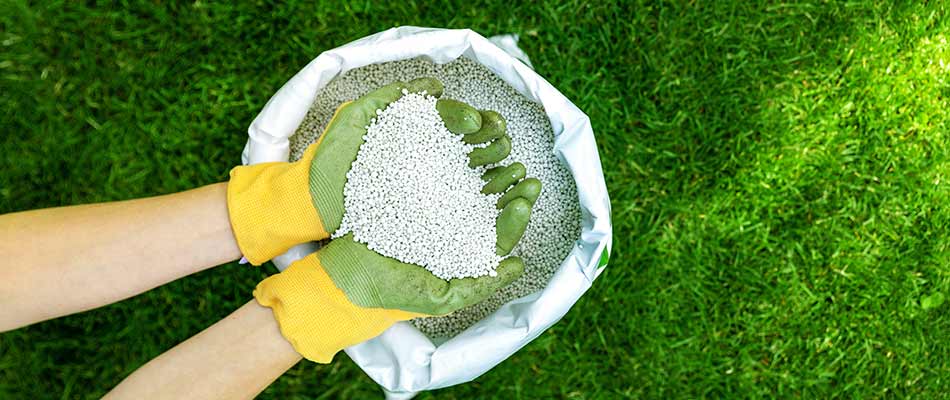
Granular fertilizers are small pellets that are spread evenly across the lawn.
- How they work: When applied, these pellets sit on top of the grass blades. For them to be effective, they often need to be watered in. If they are not watered in and a pet walks over them, the fertilizer can stick to their paws and fur.
- Waiting period:
- Watered-in granular fertilizers: Once granular fertilizer has been thoroughly watered in (usually within 24 hours of application, and allowed to dry), the risk is significantly reduced. The waiting period is typically 24 to 48 hours after watering. This allows the granules to dissolve and absorb into the soil, making them inaccessible and less harmful to pets.
- Un-watered granular fertilizers: If you cannot water the fertilizer in immediately, you must extend the waiting period. It’s advisable to keep pets off the lawn for at least 48 hours, or until the next significant rainfall. This ensures the fertilizer is no longer exposed on the grass blades.
- Key takeaway: Always aim to water in granular fertilizers and allow the lawn to dry completely before allowing pets back on.
Liquid Fertilizers
Liquid fertilizers are applied as a spray and are absorbed quickly by the grass.
- How they work: These are typically absorbed into the grass and soil within a few hours. However, the spray itself can be a concern for pets.
- Waiting period:
- Absorption time: Most liquid fertilizers are designed to be absorbed relatively quickly. The general recommendation is to keep pets off the lawn for at least 24 hours.
- Drying time: Ensure the lawn has completely dried after application before allowing pets access. This is usually achieved within a few hours, but a full 24-hour period provides an extra margin of safety.
- Key takeaway: While quicker to become “safe,” always allow liquid fertilizers to dry completely.
Understanding Fertilizer Toxicity Pets
The primary concern for fertilizer toxicity pets stems from specific ingredients commonly found in lawn fertilizers. Knowing these can help you make informed choices.
- Nitrogen (N): While essential for plant growth, high concentrations can be irritating.
- Phosphorus (P): Can cause gastrointestinal upset.
- Potassium (K): Generally less toxic, but large amounts can still cause issues.
- Iron: Can cause vomiting and diarrhea, and in severe cases, damage to organs.
- Herbicides and Pesticides: Many lawn fertilizers are combined with weed killers (herbicides) or insect killers (pesticides). These additives can be far more toxic to pets than the fertilizer itself. It’s crucial to check the product label for these additional active ingredients.
The risks associated with these components are why understanding how long to keep dog off lawn after fertilizing is so vital.
Safe Lawn Fertilizer for Pets: Making Informed Choices
The best approach to fertilizer pet safety is to opt for safe lawn fertilizer for pets or pet-friendly lawn treatments whenever possible. These products are formulated with pets in mind.
Pet-Friendly Fertilizer Options
- Organic Fertilizers: These are derived from natural sources like compost, manure, bone meal, and fish emulsion. They are generally much safer for pets as they break down naturally in the soil and are less concentrated. While still a good idea to follow a short waiting period (e.g., 24 hours) to allow for some absorption, the risk of severe toxicity is significantly lower.
- Slow-Release Fertilizers: These fertilizers release nutrients gradually over time. This means there’s less risk of a sudden high concentration of chemicals on the grass blades. Even with slow-release formulas, a waiting period of 24-48 hours is still recommended to ensure maximum absorption into the soil.
- Fertilizers Free of Harmful Additives: Look for products that specifically state they are free of herbicides, pesticides, and synthetic chemicals that can be harmful to pets.
What to Look For on the Label
When purchasing fertilizer, always read the product label carefully. Pay attention to:
- Active Ingredients: Identify any herbicides, insecticides, or fungicides.
- Application Instructions: Follow these precisely.
- “Keep Off Treated Area” Warnings: These are crucial indicators of potential risk.
- “Pet-Friendly” or “Safe for Pets” Claims: While these can be helpful, always cross-reference with ingredient lists and be cautious.
Practical Steps for Pet After Lawn Treatment
Beyond just knowing the waiting period, there are practical steps you can take to maximize fertilizer pet safety.
Before Fertilizing
- Clean Up Pet Waste: Remove any pet droppings from the lawn before applying fertilizer. This prevents pets from interacting with fertilized waste.
- Choose the Right Time: Fertilize when you know you can keep pets indoors or off the lawn for the recommended period. Consider fertilizing in the early morning and planning to allow access in the late afternoon or the next day.
- Notify Family Members: Ensure everyone in the household is aware of the fertilization and the necessary waiting period.
During the Waiting Period
- Containment: The most effective way to prevent pets from accessing the lawn is to keep them indoors or in a contained area like a patio or deck that hasn’t been fertilized.
- Leash Walks: If you need to take your dog out for a walk, use a leash and stick to pathways or areas not treated with fertilizer. Be diligent about wiping their paws after the walk.
- Supervision: If complete containment isn’t possible, close supervision is key. Watch your pets closely and redirect them if they attempt to go onto the treated lawn.
After the Waiting Period
- Visual Inspection: Before letting pets back on, visually inspect the lawn. Ensure it looks dry and that there are no visible fertilizer granules or residue.
- Paw Wiping: Even after the waiting period, it’s a good habit to wipe your pets’ paws when they come inside, especially if you’re unsure about complete fertilizer breakdown.
What to Do If Your Pet Ingests Fertilizer
Despite your best efforts, accidents can happen. If you suspect your pet has ingested fertilizer, act quickly.
Recognizing Symptoms of Fertilizer Toxicity
Symptoms can vary depending on the type and amount of fertilizer ingested, but common signs include:
- Vomiting
- Diarrhea
- Excessive drooling
- Lethargy
- Abdominal pain
- Restlessness or hyperactivity
- Tremors or seizures (in severe cases)
- Difficulty breathing
Immediate Actions
- Contact Your Veterinarian: This is the most crucial step. Call your vet immediately and describe the situation, including the type of fertilizer ingested (if known) and any symptoms your pet is showing. Have the product packaging handy if possible.
- Do Not Induce Vomiting Unless Instructed: Never try to make your pet vomit unless specifically told to do so by your veterinarian or a pet poison control center. Some fertilizers can cause more harm coming back up.
- Rinse Mouth and Paws: If the fertilizer is still on their mouth or paws, gently rinse the area with water.
Pet Poison Control Hotlines:
- ASPCA Animal Poison Control Center: (888) 426-4435
- Pet Poison Helpline: (855) 764-7661
These services are available 24/7 and can provide immediate guidance. There may be a consultation fee.
Frequently Asked Questions (FAQ)
Q1: Can I let my dog on the lawn right after fertilizing?
A1: No, it’s not safe. You should keep dogs off fertilized lawns for at least 24 to 48 hours. This allows the fertilizer to absorb into the soil, reducing the risk of ingestion or skin irritation.
Q2: What if it rains after I fertilize? Can my pets go out sooner?
A2: Rain can help wash fertilizer into the soil, which is good. However, it’s still best to wait for the lawn to dry completely. If the fertilizer was a granular type, some might still be on the grass blades until they dry. A 24-hour waiting period after the rain and drying is still a good rule of thumb.
Q3: Are organic fertilizers safe for pets?
A3: Organic fertilizers are generally much safer for pets than synthetic ones because they are derived from natural materials and break down more readily. While the risk is lower, it’s still a good practice to keep pets off the lawn for about 24 hours to allow for initial absorption.
Q4: My lawn fertilizer has weed killer. How long do I keep pets off?
A4: Fertilizers combined with herbicides or pesticides are more dangerous. You must follow the specific waiting period instructions on the product label for the weed killer or pesticide. This could be longer than for fertilizer alone, often 48 hours or more, and may involve specific watering requirements. Always prioritize the longest recommended waiting period.
Q5: What are the signs of fertilizer poisoning in pets?
A5: Signs can include vomiting, diarrhea, excessive drooling, lethargy, abdominal pain, restlessness, tremors, or difficulty breathing. If you notice any of these, contact your veterinarian immediately.
Q6: How can I make my lawn more pet-friendly?
A6: Opt for pet-friendly lawn treatments like organic fertilizers. Avoid products with added herbicides and pesticides. Ensure you follow all waiting periods after any application. Regular lawn maintenance, like removing pet waste promptly, also contributes to a safer lawn.
By following these guidelines and choosing your lawn care products wisely, you can maintain a beautiful lawn while ensuring the safety and well-being of your cherished pets. Prioritizing fertilizer pet safety means your furry family members can enjoy your yard without worry.