
Can I plant a garden near my leach field? Yes, you can plant a garden near your leach field, but it’s crucial to follow specific guidelines to ensure safety and prevent potential issues. The primary concern is avoiding contamination of your food crops and protecting the function of your septic system.
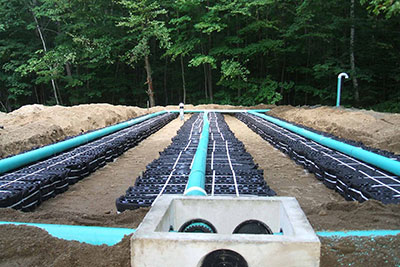
Image Source: www.nexgenseptics.com
Safeguarding Your Septic System and Garden
Proper placement of your garden relative to your leach field is essential for both the health of your family and the longevity of your septic system. A leach field, also known as a soil absorption field or drain field, is a vital component of a septic system that treats wastewater by dispersing it into the soil. Planting too close can lead to system failure, unpleasant odors, and potential health hazards.
Septic System Setback: The Foundation of Safe Gardening
The concept of septic system setback refers to the minimum required distance between a septic system component (like the tank or leach field) and other structures or features on your property. These setbacks are not arbitrary; they are established by building codes and residential codes to prevent the migration of bacteria and viruses from the septic system into areas where people live, eat, or where drinking water is sourced.
Leach field regulations are designed to protect public health and the environment. They dictate how far your garden should be from your leach field to prevent any potential contamination. These regulations vary by location, so it is always best to consult your local health department or building authority for the most accurate and up-to-date information.
Key Distances for Your Garden Placement
When planning your garden, several distances are critical to consider:
- Leach Field to Garden: The minimum distance from the edge of your leach field to any garden bed is a primary concern. This is to prevent plant roots from growing into the leach field pipes and clogging them, and also to prevent any potential surfacing of effluent from reaching your edible plants.
- Septic Tank to Garden: While the leach field is the primary concern for gardening, the septic tank placement also has setback requirements. Though typically not as critical for garden placement as the leach field, it’s still a component of the septic system that requires separation.
- Well Setback: Equally important is the well setback. Your garden should also be a safe distance from your drinking water well to prevent any potential contamination. Groundwater protection is paramount.
Establishing the Drain Field Distance
The drain field distance is a critical factor. While specific numbers can fluctuate based on local rules and soil conditions, general guidelines are consistently applied. These guidelines aim to provide a buffer zone where natural processes can further treat any wastewater that might migrate.
Typical Minimum Distances
While local regulations are the ultimate authority, here are some common minimum distances you might encounter. Always verify these with your local authorities.
| Feature | Minimum Distance (Feet) | Notes |
|---|---|---|
| Leach Field | 10-25 feet | From the edge of the leach field to garden beds. |
| Septic Tank | 10-20 feet | From the septic tank to any structures or gardens. |
| Well | 50-100 feet | From the well casing to the septic tank and leach field. This is crucial for groundwater protection. |
| Property Line | 5-10 feet | While not directly related to the leach field, property line setbacks for septic components prevent issues with neighbors. |
| Dwelling | 10-20 feet | From the septic tank and leach field to the house. |
Important Note: These are generalized figures. Leach field regulations are often detailed and specific, considering factors like soil type, slope, and the size of the septic system.
Why These Distances Matter: Fathoming the Risks
The distances are not just rules; they are protective measures.
Preventing System Damage
- Root Intrusion: Tree and shrub roots are aggressive. If a garden is too close to the leach field, roots can infiltrate the gravel or chambers, causing blockages and system failure.
- Soil Compaction: Heavy foot traffic or the use of heavy garden equipment over or too near the leach field can compact the soil. This compaction hinders the soil’s ability to absorb and treat wastewater effectively.
Protecting Your Health
- Contamination of Edible Crops: If effluent surfaces or leaks from the leach field, it can contaminate soil and plants. Consuming produce grown in contaminated soil or irrigated with contaminated water can lead to serious health issues.
- Groundwater Contamination: Septic systems contain pathogens and nutrients. If the leach field is too close to your well or other water sources, these contaminants can leach into groundwater, posing a severe risk to drinking water. This is why groundwater protection is a central tenet of septic system design and regulation.
Choosing the Right Plants for Your Garden
When you decide to garden near your leach field (at a safe distance, of course!), the type of plants you choose is also important.
What to Plant
- Shallow-Rooted Plants: Opt for vegetables and flowers with shallow root systems. Examples include lettuce, spinach, radishes, marigolds, and petunias.
- Drought-Tolerant Plants: Plants that don’t require excessive watering are often a good choice, as they put less stress on the soil’s absorption capacity.
- Ornamental Plants: Flowers and ornamental shrubs with non-invasive root systems are generally safe bets.
What to Avoid
- Deep-Rooted Trees and Shrubs: Avoid planting anything with aggressive or deep root systems, such as willows, poplars, maples, or large shrubs, near your leach field.
- Vegetables with Edible Roots: While you can grow vegetables, be extra cautious with root vegetables like carrots, potatoes, and beets. Ensure they are grown at a significant distance from the leach field to minimize any risk.
Comprehending Soil Absorption Field Design
The soil absorption field is engineered to allow treated wastewater to seep into the soil. The soil acts as a natural filter, removing pathogens and nutrients. The design of the leach field, including its size and depth, is based on factors like the soil type and percolation rate of your land.
Soil Type and Its Impact
Different soil types absorb water at different rates.
* Sandy soils: Absorb water quickly, which is good for drainage but might mean less time for the soil to filter contaminants.
* Clay soils: Absorb water slowly, which can lead to effluent surfacing if the leach field is not adequately sized or if it’s overloaded.
Local regulations will consider these factors when determining the appropriate drain field distance.
Navigating Building Codes and Regulations
Understanding and adhering to building codes and residential codes is non-negotiable when dealing with septic systems and property development.
Local Authority is Key
- Health Departments: Often responsible for regulating septic systems.
- Building Departments: Oversee construction and zoning, including setbacks.
- Environmental Agencies: May have overarching rules for groundwater protection.
Always obtain permits and approvals before installing or modifying any part of your septic system, and consult them for specific garden placement advice near your leach field.
Septic Tank Placement Considerations
The septic tank placement is also governed by setbacks. The septic tank collects solid waste and separates liquids. It needs to be accessible for pumping and maintenance. While it’s not the direct area of wastewater dispersal like the leach field, its proximity to gardens still warrants consideration.
Property Line Setbacks
Property line setbacks ensure that your septic system, including the leach field, does not encroach on your neighbor’s property or create a nuisance. These are part of overall property development and zoning laws.
A Practical Approach to Gardening Near Your Leach Field
Here’s a step-by-step guide to help you plan your garden safely:
- Locate Your Leach Field: If you don’t know where your leach field is, consult your property’s septic system design plans or contact a septic professional. Sometimes, local government offices will have this information on file.
- Consult Local Regulations: Contact your local health department or building department. Ask specifically about leach field regulations and recommended garden placement.
- Identify Your Well Location: Ensure your garden is also at the correct well setback distance.
- Measure and Mark: Using your knowledge of the leach field’s location and the required distances, measure and mark the safe zone for your garden.
- Choose Appropriate Plants: Select plants with shallow root systems that are suitable for your climate and soil.
- Avoid Soil Compaction: Use raised beds or pathways to prevent walking directly on or near the leach field area.
- Regular Inspection: Periodically check your leach field area for any signs of surfacing effluent, unusually lush or dying vegetation, or bad odors.
Deciphering the Science: How Leach Fields Work
A leach field is designed to be a biological treatment system. Wastewater from the septic tank flows into perforated pipes buried in trenches filled with gravel or other media. As the wastewater trickles out of the pipes and into the surrounding soil, a complex biological process occurs:
- Filtration: The soil particles physically trap suspended solids.
- Decomposition: Microorganisms in the soil break down organic matter and convert harmful compounds like ammonia into less harmful substances.
- Adsorption: Pathogens and nutrients can adhere to the soil particles.
The effectiveness of this process relies on the soil’s ability to absorb and treat the wastewater. Overloading the system or compromising the soil structure through improper placement can lead to system failure.
Frequently Asked Questions (FAQ)
Q1: Can I plant trees near my leach field?
A1: It is strongly advised against planting trees near your leach field. Their roots can grow into the system, causing damage and blockages. Always maintain a significant distance.
Q2: What if my leach field is old? Should I still worry about garden placement?
A2: Yes, especially if it’s old. Older systems may be less efficient and more prone to failure. Following all setback guidelines is even more critical.
Q3: Can I put mulch on my leach field?
A3: A thin layer of mulch (2-4 inches) can be beneficial for landscaping, but avoid placing thick layers or planting vegetation directly on the leach field surface. Ensure any landscaping does not impede access for maintenance or aeration.
Q4: What are the signs of a failing leach field?
A4: Signs include sewage odors, unusually lush or dying vegetation over the leach field, sewage backing up into your home, or slow drains. If you notice any of these, contact a septic professional immediately.
Q5: Who enforces leach field regulations?
A5: Typically, local health departments or environmental protection agencies are responsible for enforcing leach field regulations and septic system setback requirements.
Q6: Can I use my septic system in a drought?
A6: During a drought, the soil can become drier and less effective at absorbing wastewater. It’s crucial to reduce water usage to avoid overwhelming the system.
Q7: What is the typical lifespan of a leach field?
A7: With proper maintenance and design, a leach field can last 20-30 years or even longer. However, factors like overloading, improper maintenance, and incorrect installation can significantly shorten its lifespan.
By adhering to septic system setback guidelines, understanding leach field regulations, and respecting the necessary drain field distance, you can enjoy a beautiful garden while ensuring the safety and functionality of your home’s septic system and protecting your groundwater protection. Always prioritize safety and consult local experts.